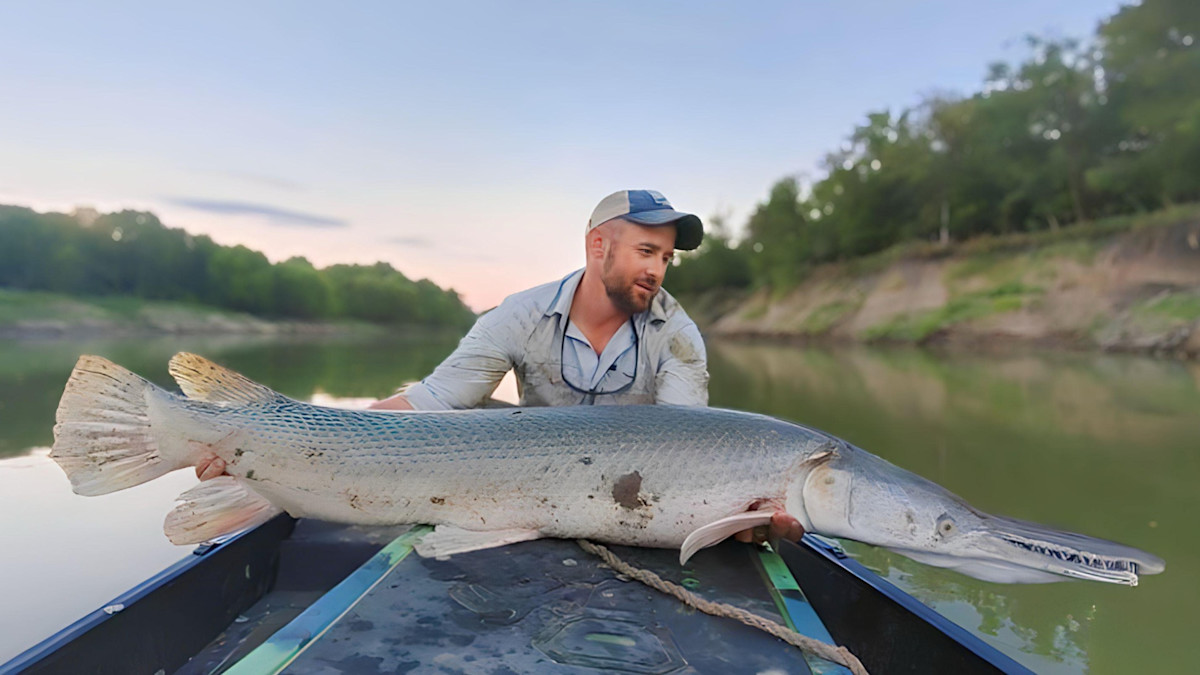

Trash fish were long considered to be the lowest on the worthy fish scale. But recently, anglers have begun to see the value in these non-typical, overlooked, and underappreciated species. How this revolution started is an interesting shift in knowledge and cultural norms.
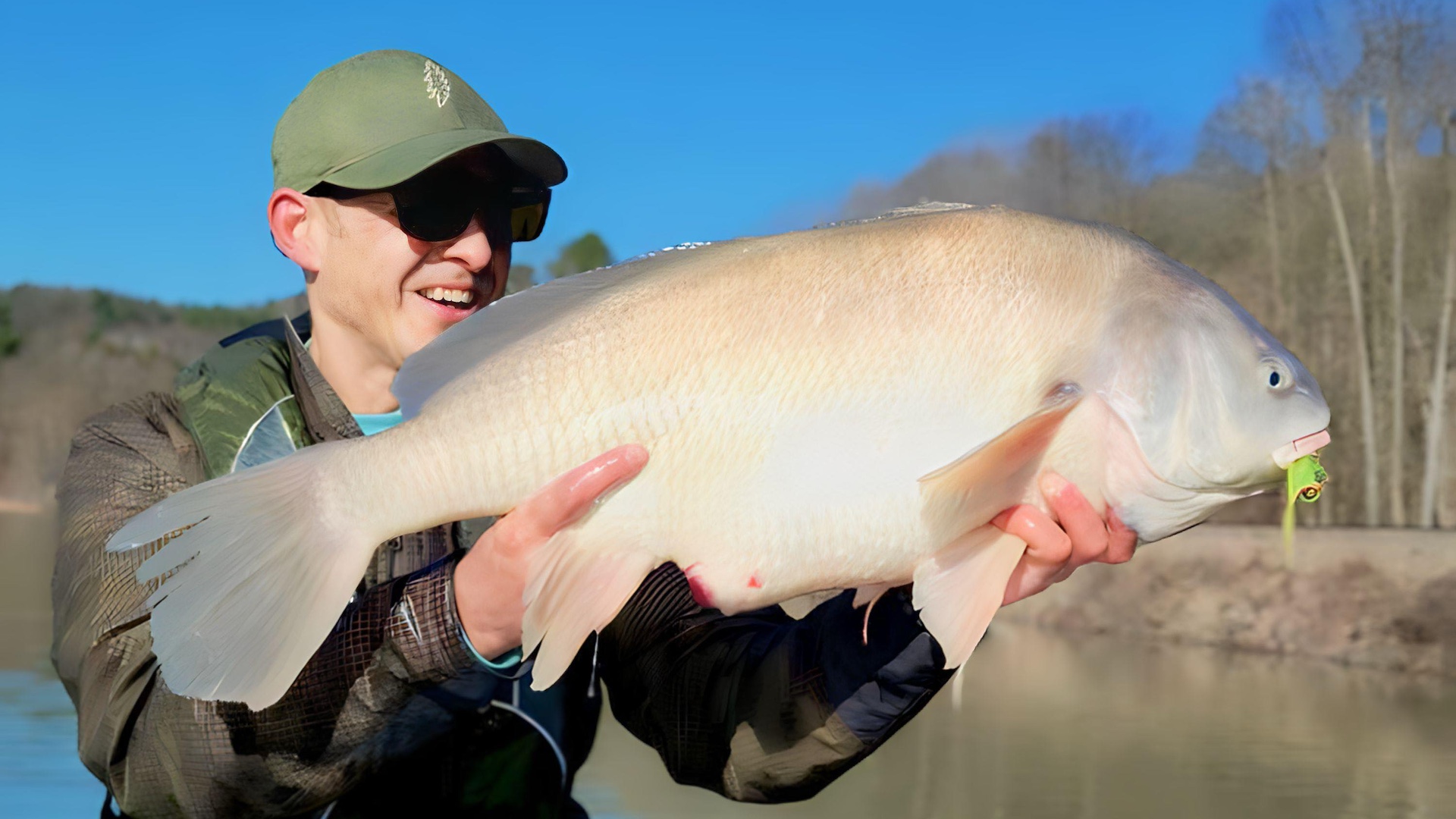
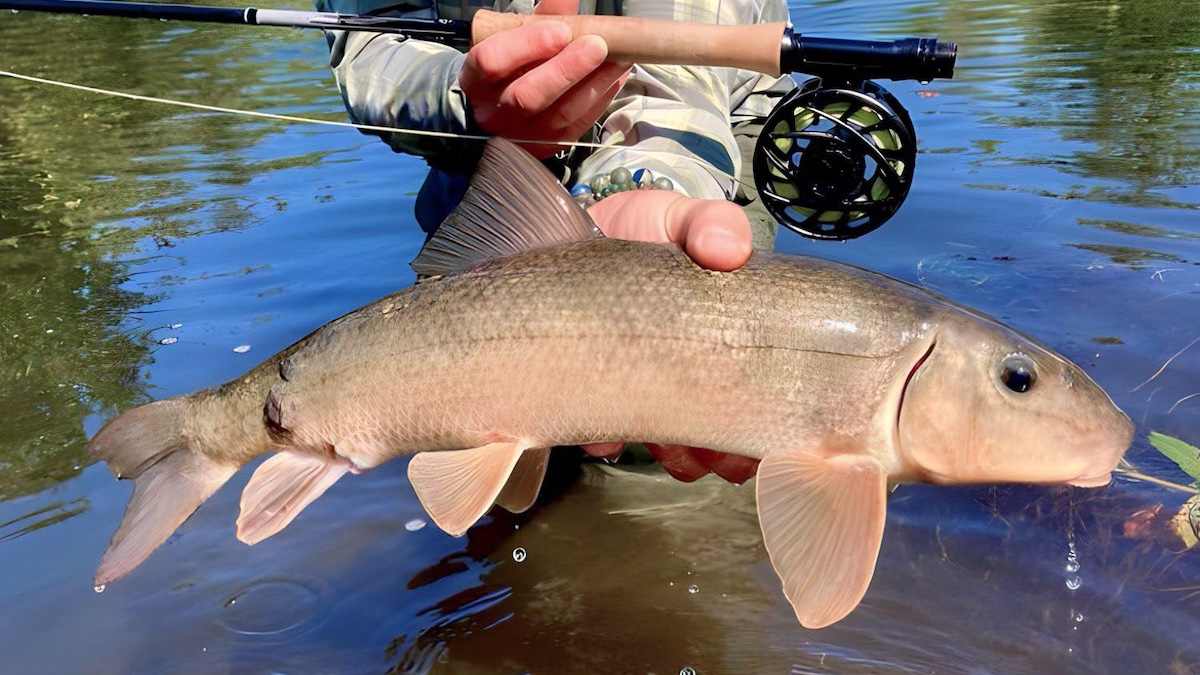
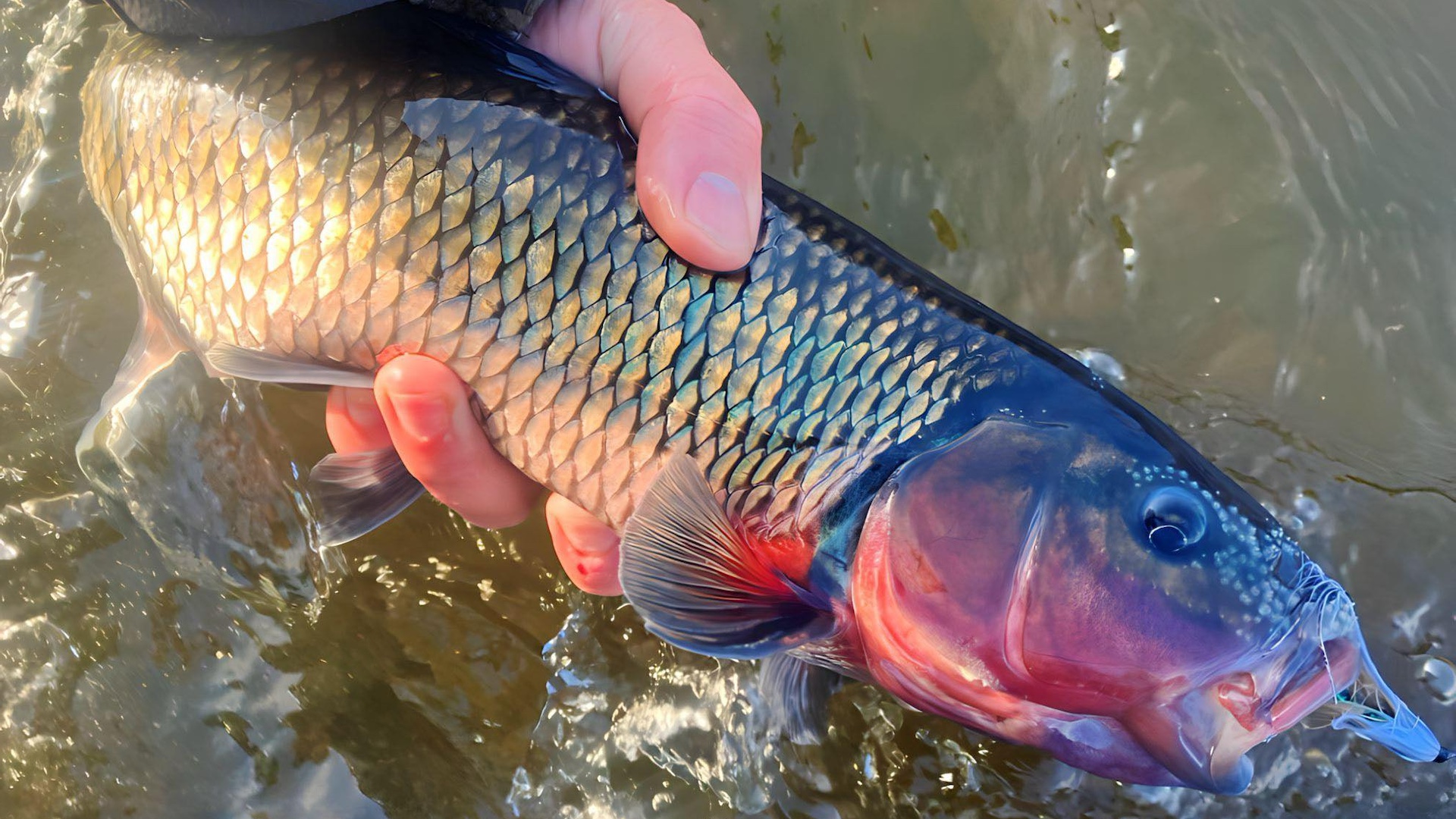
These non-game fish are the ugly, sucker-mouthed, snaggle-toothed, mottled menagerie of undesirables which includes suckers, gar, bowfin, snakehead, carp, buffalo, freshwater drum, and many others. Treated with disdain by anglers for years, these fish have been looked at as an irritating bycatch and are usually bonked on the head and left on the bank to rot in order to decrease what fishermen believe to be a surplus population.
Many view these species in the water as a bad thing, believing that they steal eggs from and even prey on more valuable gamefish species like bass, trout, and walleye. Often, anglers will go to extremes to remove trash fish from different waterways by making them the targets of bowfishing expeditions, catching them in gill nets, or even poisoning and dynamiting the water in their desire to exterminate them.
What is it about these fish that made them so hated in the first place? Was it their “ugly” appearance or the fact that they generally live in muddy or dirty water? Or was it simply a byproduct of our own elitist fishing culture?
A History of Trash Fish
The earliest settlers in America to bring any sort of fishing customs to the country were European nobles from England, Ireland, and Scotland—places where trout and salmon were king. When these anglers arrived in the US and found their favorite species readily available, they were thrilled as trout and salmon in Europe were considered to be “the king’s fish” and completely off-limits to the common angler.
However, other fish species like roach, cod, and eel, which shared the waters with trout and salmon, were available for anyone who wanted to catch them. The aristocratic hierarchy considered these species to be “peasant fish” and developed their own prejudices against what they considered to be lesser species. These bigoted beliefs were brought to the New World, which bled down through the generations to remain with us today.
The second reason many species are considered trash is due to America’s obsession with bass. In the early 1900s, President Roosevelt started commissioning the development of dams across the United States. While the resulting warming waters and blocked rivers led to a decrease in trout and salmon populations, it also led to a massive increase in bass populations.
People began to take notice of the large sunfish that they were suddenly catching in great numbers. At the same time, as the country and the economy continued to grow, fishing, no longer a necessity, became a sport of recreation. By the 1950s, catch-and-release sport fishing caught on in a big way, and as bass were so readily available, they became the focus of many tackle companies looking to capitalize on the sport fishing boom.
Lures, boats, and other equipment were soon developed specifically for bass fishing. Bass fishing tournaments started, and soon, Americans were making a living chasing largemouth. The only problem was that sometimes, these bass-obsessed anglers caught other fish.
When bass anglers began complaining about catching fish like drum and gar on their fancy bass gear and losing expensive lures to fish like bowfin and even less popular gamefish like pickerel, those fish were deemed as bad. Soon enough, any non-bass that was hooked on a bass fishing lure was considered to be garbage, and the persecution of certain species continued to worsen.
Over the years, angling has continued to evolve, and with this evolution has come a shift in the prevailing winds. Now, more anglers hit the water with their minds on conservation and have a better understanding of their environment. They want to know more about fish and also want to challenge themselves and push conventional fishing boundaries. This has resulted in a trash fish revolution—with anglers taking a better look at and developing an appreciation for previously hated fish species.
Expanding Horizons
As our population grows, the outdoor world becomes smaller and smaller. This is both due to more anglers on the water and fewer places left undiscovered. Because so many people want to hunt and fish, we’ve seen a massive increase in outdoor media. Humans have a constant desire to discover and explore, but with crowded waterways and a plethora of fishing content available that gives detailed instructions on how to catch popular species 365 days a year, many anglers have begun to delve into the untouched world of trash fish. Those anglers are discovering that the fish aren’t worthy of their title.
“It’s an archaic term, really,” avid angler David Graham, founder and host of the Boundless Pursuit Blog and Podcast, said. “Just hearing the term ‘trash fish’ makes me cringe a bit, and I’m glad it’s going away. It’s all perception-based and totally in the eye of the beholder, and as they say ‘one man’s trash is another man’s treasure.”
Graham has been at the forefront of the trash fish revolution, believing for years that many species anglers look down on are simply getting a bad rap. In his avid pursuit of commonly less-than-desirable fish, David has found that they can be every bit as challenging, hard fighting, and make as good of table fare as more popular species. He has advocated for pursuing misunderstood species of fish, and it seems that this idea is finally beginning to catch on.
“I think it’s been a beautiful renaissance, at least in the last decade,” Graham told MeatEater. “There seems to have been a shift in the paradigm, and that’s a good thing. People are starting to consider them to be gamefish, and I mean, if you look at the definition in the Oxford Dictionary, which is ‘a fish that is caught for sport and is also eaten,’ they definitely fit the bill.”
Many anglers are now advocating for eating rough fish like drum, sucker, and gar, with some even preferring their flesh over more popular food fish like walleye. Yet, Graham believes that the desire to pursue these fish goes far beyond just the dinner table.
“I love to go to the state aquarium,” Graham said. “If you take a child who doesn’t know one fish from the next and you walk them through the aquarium and they see a bunch of gamefish like bass and whatnot, they’ll be fascinated. But if, hovering at the top of the tank is an alligator gar with its big teeth and armor plating and all that, that kid is going to stop in his tracks and become fixated upon it.”
But you don’t need to look through the eyes of a child to appreciate the beautiful diversity of fish.
“That’s where the appeal of these fish lies, they don’t fit the mold. People want to catch them because they look different, fight differently, and live in different places. We’re well past the point of every fisherman out there wanting to do the same thing, and we’re throwing out those outdated perceptions of gamefish because the truth is that most popular gamefish are a bit overrated,” he said. “If there’s a silver lining to this social media thing, it’s that people learn their own way and can get their own ideas about unpopular fish.”
There’s No Such Thing as a Trash Fish
Conservation and the desire to maintain the health and well-being of native species have become another reason for anglers to want to pursue and preserve so-called trash fish. Thanks to the stocking programs and loose conservation practices of the early 20th century, many waterways have become devoid of native fish as they have been overstocked with more popular gamefish. In many places, these introduced fish completely wiped out the native species or at least caused their populations to struggle. Many modern anglers feel this was an injustice and are doing their best to advocate for native fish in American waterways.
“The first thing I would say is that none of these fish are trash fish,” Captain Drew Price, owner and operator of Masterclass Angling Guide Service, said. “The ultimate trash fish is actually a stocked rainbow trout. I honestly don’t know why people celebrate catching stocked rainbows. They’re raised in tanks, they fight like crap, look like crap, they are crap. Yet a sucker or a bowfin which fights hard and looks cool is a trash fish? Most of the fish that people refer to as trash fish are native species that have always been here.”
Price has built his business guiding anglers for native rough fish like drum, bowfin, and gar on the hallowed waters of Lake Champlain. He has bore witness to the evolving mentality of anglers and believes that fishermen are finally recognizing the damage that has been done to many native fisheries over the years and are advocating for change.
“The bowfin has been here for 300 million years unchanged, tell me there’s a more American gamefish than that?” Price said. “Yet for years, the bowfin has been thought of as garbage, it’s ridiculous. I think people are beginning to recognize these things and are starting to realize that there really is no such thing as a trash fish.”
The greatest irony of trash fish is that they’re often native fish but pushed aside by non-natives deemed to be better sport.
“So many other fish that people are putting high up on the pecking order aren’t even native to the waterways that they’re swimming in. If you look at invasive species lists, bass and trout are all over the lists because they’ve been stocked as ‘gamefish’ absolutely everywhere!” Price told MeatEater. “It’s something that we didn’t talk about enough in the past. Yet now, I think there’s been a shift in attitude and awareness brought on through different fishing media and the simple fact that anglers are getting sick of the same old fishing game. I think people are finally looking for something different, and boom! Here are these really cool fish right in their own backyard.”
Price and many other anglers believe that the rise in popularity of rough fish has a lot to do with anglers becoming better educated about the fish themselves and becoming more open and accepting.
“I think that it’s this newer, younger generation of anglers that’s making all the difference. They’re progressive and out there looking and seeing that fishing isn’t just about catching bass or sunfish or walleye or any one particular species. They’re just more accepting, and that’s a good thing because they’re pushing for things to change,” Price said.
“We’re starting to see more protection for these fish, and we’re starting to see them come to the mainstream. Hell, I saw a bowfin on the cover of a fly fishing magazine! I think there’s been a shift in attitude and awareness where people no longer have this mentality of ‘let's make this place better for bass by removing all the trash fish.’ People are now advocating for making waters better for all fish species, and that’s a good thing.”
This better understanding of the importance of native species and conservation has perhaps been a spark, one that will hopefully ignite the fires of our fishing future. If we keep pigeonholing certain species and creating this false sense of hierarchy where one fish species is more important than another, we may eventually find that we have nothing left to fish for.
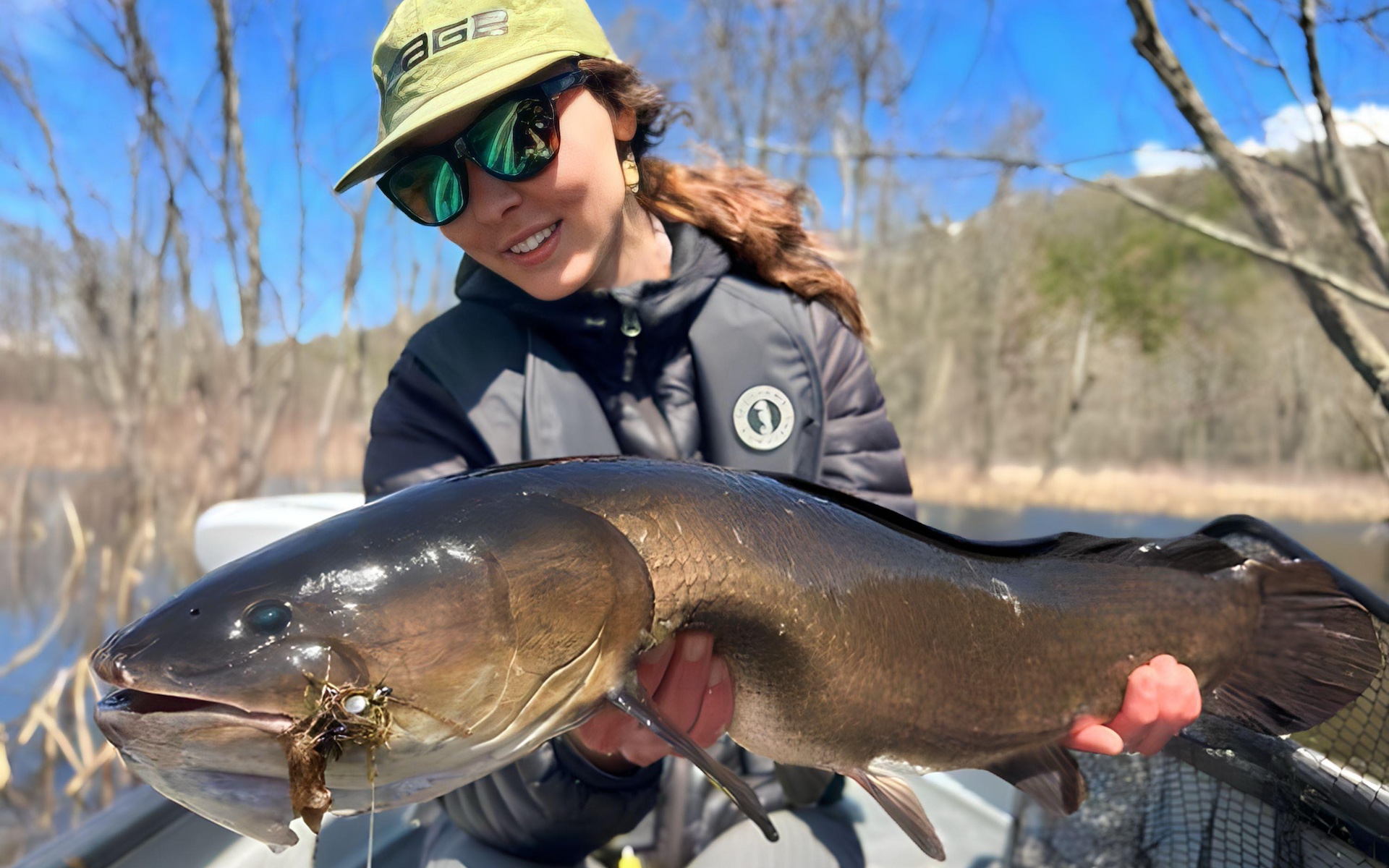
¡Viva la Revolución!
They say that the only constant in life is change. For better or worse, people’s attitudes and beliefs about certain things are constantly evolving and changing. We need to be aware of and open to these changes because they offer us an opportunity to grow. For years, fishing for trash fish was viewed as weird or at least as a colossal waste of time by most of the fishing public. Yet, all it took was a few anglers to ignore the stigmas and try it for attitudes towards so-called trash fish to begin to change.
It makes you wonder what other opportunities are out there that we may be overlooking because of outdated beliefs. Perhaps in the future, if we’re willing to continue to try new things on the water, we can help prevent a few fish species from being overlooked or even going extinct.
Feature image via David Graham.
Stay in the loop with The MeatEater Newsletter
Shop
Shop AllRelated
Freshwater
Trash Fish Tuesday: The Pikeminnows
Bowfin
Trash Fish Tuesday: Bowfin

The comments section requires Functionality cookies. Please enable Functionality cookies in Cookie Settings to view this content.