Uncaught Gems: The Rarest Freshwater Fish and How to Catch Them

Humans have always had an attraction to rarity. Whether you’re a rockhound in search of precious stones, a foodie looking for an exotic dish, or a baseball card collector searching for that rare addition, we all covet what is hard to find and difficult to attain. This is especially true for outdoorsfolk who are constantly dreaming of drawing once-in-a-lifetime tags, spotting exotic wildlife and birds, and of course—landing rare and hard-to-catch fish.
There are a myriad of fish out there that are considered to be special because they’re rare. Now, I’m not referring to isolated populations of endangered or threatened species that anglers should really leave alone. No, I’m talking about those fish considered to be uncommon because they’re hard to find, challenging to fool, or because they’re just overlooked by the bulk of the fishing public. It is for these very reasons that these fish are so select and exclusive, and catching one should be considered a badge of honor. Just like first-edition books and autographed sports memorabilia, these fish are true treasures.
Redeye Bass
Bass fishing is one of America’s favorite pastimes. Both largemouth and smallmouth are more popular in this country than Taylor Swift and have an even more dedicated following. Anglers spend thousands of dollars on equipment and travel hundreds of miles every year to their favorite bass lakes and ponds. Yet there is another river-dwelling bass species that most of these dedicated bass junkies seem to overlook, the redeye.
Redeye bass are a small, unique bass species indigenous to only a few small Southern streams, mainly in Georgia and Alabama. The smallest and slowest-growing of the black bass, redeye bass are completely ignored by most of the bass fishing public because very few anglers even know they exist.
“I think many anglers sort of overlook redeye because they don’t fit the typical bass world,” says redeye bass angler Matthew Lewis, author of the book Fly Fishing For Redeye Bass: An Adventure Across Southern Waters. “They aren’t the big bucketmouths we see pro bass anglers holding up at tournaments or the ones out inhaling giant spinnerbaits in big lakes. Redeye live in small, cool upland streams rather than large lakes and ponds. Fishing for them is very similar to fishing for brook trout in that you’re hiking through and hunting for them in clear, cold upland streams that you don’t even think of as being bass water.”
Lewis is a redeye bass addict who believes that the fish’s true bass characteristics only come out when you’re fishing for them.
“As soon as the fly hits the water, there’s an immediate strike with no hesitation,” Lewis told MeatEater. “You smack down a popper in a pocket of water, and they explode on it. It makes them really fun, especially for fly anglers, because you can have action all day long. Anglers should target them because they’re all native and endemic to certain river systems. There are also seven different individual species of redeye bass that are all indigenous to their own unique river systems. Anglers can go after them all and mark them off as they catch them, and all of it can be done on small, beautiful streams in unique areas where they’re usually the only people pursuing them. It makes redeye bass fishing truly special.”
Sheefish
Alaska is one of those places that’s on every angler’s bucket list. The Last Frontier is home to thousands of lakes, rivers, and streams where you can catch hundreds of different species of a size and in numbers that you’ve only ever dreamed about. From the iconic halibut and salmon to giant pike, trout, and grayling, anglers venturing to Alaska have a chance to land them all. But there’s one incredibly unique and often underutilized species that many Alaska-bound anglers seem to forget about: the sheefish.
Sheefish are the largest members of the whitefish family and can grow up to five feet in length. Like salmon, some sheefish populations are anadromous and often spend at least part of their lives in the brackish waters of the ocean before migrating up to 1,000 miles up rivers and streams to their spawning grounds. This makes them incredibly powerful, hard-fighting fish that are almost completely unique to Alaskan waters—and yet they’re almost completely overlooked.
Sheefish seem to be almost constantly in the shadow of other, more popular Alaskan species, which is a place they certainly don’t deserve to be. Known as the “tarpon of the north,” sheefish are incredible fighters that often make high and acrobatic leaps when hooked. Voracious predators, you can catch these massive whitefish on lures like spinners and spoons as well as large streamers that you strip hard and fast through the rivers they reside in. In addition, sheefish will even hit topwater lures on occasion, adding an extra thrill to chasing them that many other Alaskan species simply don’t offer.
Only found in a few select rivers in Northwestern Alaska, primarily in the Selawik-Kobuk region, sheefish are a unique and fantastic gamefish. They can only be caught by anglers bold enough to seek them out, making them a unique and rare prize of the Alaskan fishing experience.
Lahontan Cutthroat
There are over 14 different species of cutthroat trout, with each being unique to its own ecosystem. Trout anglers the world over do their best to pursue and catch each species, collecting them with all the enthusiasm of an antique dealer at an old home auction. However, while there are some extremely rare cutthroat species, such as the Paiute Cutthroat, which is endangered and only exists in a single stream, the one that is probably skipped over by most cutthroat enthusiasts is also the largest, the Lahontan Cutthroat.
“I’ve caught a lot of different cutthroat, but Lahontan’s are truly special,” Montana fly fishing guide and owner of Hatch Finders Fly shop James Mugele said. “I mean, for one thing, they only live in one place, Pyramid Lake, Nevada. That in itself makes the Lahontan unique as most cutties live in rivers and streams. But the fish are also just huge! Most cutthroat are six to ten inches long, but these fish average six to ten pounds and can grow to well over 20 pounds. It’s just insane.”
Every year, James makes an annual trip, driving 12 hours across the country to spend a week trying to land a monster Lahontan.
“I think that the long drive is all part of the experience,” Mugele said. “It’s part of what makes Lahontan’s so special. You have to go on a sort of pilgrimage to fish for them. Then you stand on the lake at first light and either cast large chironomids beneath indicators or strip small streamers and just wait for a strike. It’s a fantastic experience because when you’re fishing Pyramid Lake, you’re fishing in the one place where these incredible fish exist. It’s an inland sea in the desert, where if you’re patient and dedicated enough, you can catch the trout of a lifetime. There’s just no other trout fishing experience like it on earth.”
Bowfin
Some fish are special because they’re a rare find. However, other fish are special because they are relatively common but are rarely caught because they have been forgotten or ignored by anglers. Many of these species are considered trash fish by the bulk of the fishing public, but most can and should be considered gamefish. Like an underground band that never found nor wanted fame or fortune, these fish are darkhorse favorites that deserve all the attention given to more popular species. Principal and most overlooked among these fantastic species is the bowfin.
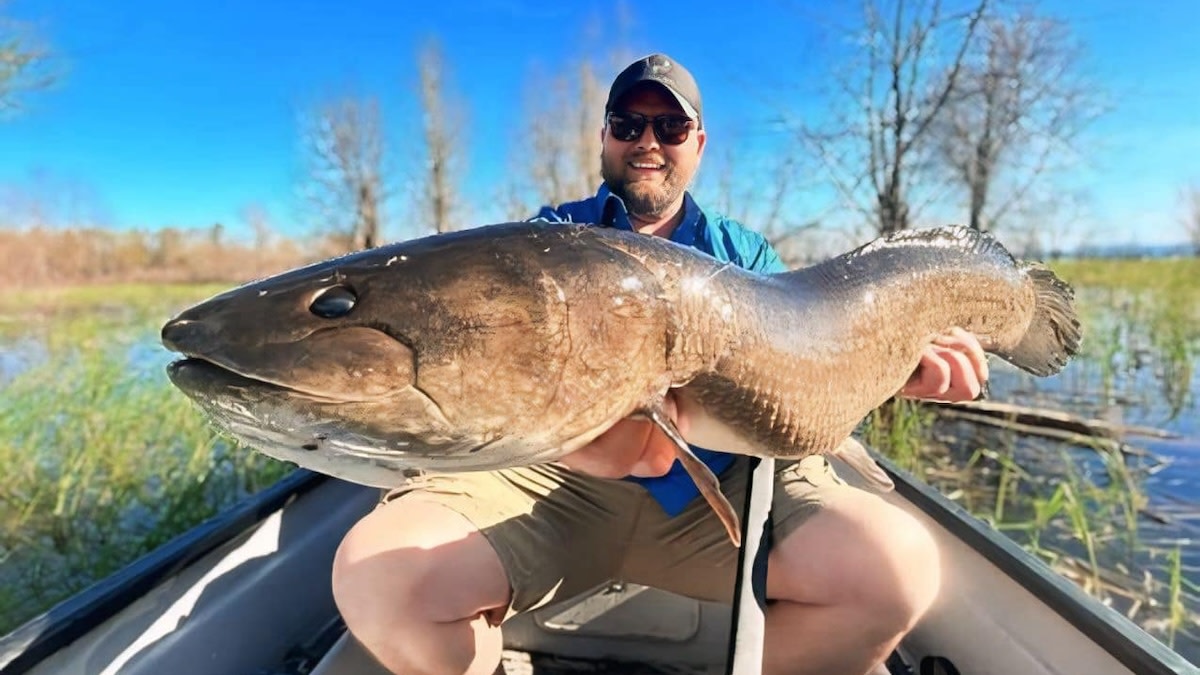
Bowfin are an ancient and incredible species of fish that have been unlucky enough to somehow be put on the junk list by angling culture. Whether it’s because of their lizard-like appearance, their habit of living in swamps, or the simple fact that few fishermen have really given them a chance, most anglers completely ignore or underestimate bowfin, usually to their own detriment.
“Anglers don’t generally target bowfin for two reasons,” bowfin guru Drew Price, owner and operator of Masterclass Angling on Lake Champlain, said. “First is that they aren’t aware of them and their gamefish potential. Second is that their focus is on sexier species like bass and trout. Bowfin were considered a cull fish in the past by fisheries biologists, and that mentality is still held by some. Fact is though that in most places bowfin are found, they are native, and bass aren’t.”
Price targets bowfin in the shallow, swampy waters of Lake Champlain by sight-fishing. He poles through the shallows slowly until spotting a fish and then moves in close to drop a heavy weighted fly right off the bowfin’s nose. This is a common method for catching bowfin, but they can also be caught with slow-moving jerkbaits or with cut bait under a bobber. Whichever method you use to target bowfin, be sure to bring your A-game because you’re in for a real fight!
“Bowfin hit hard and fight hard,” Price told MeatEater. “They tend to be bulldogs and make you grind for every inch of line. Plus, they breathe air, give you multiple chances to catch them, and they’re just fun to sight-fish for. They’re just great critters. I think bowfin are special for a lot of reasons—they’re smart, curious, aggressive, tough, and they’re native. They’ve essentially been unchanged for over 300 million years. People talk about how cool it is that sharks and crocodiles haven’t had to evolve since prehistoric times. Well, bowfin are the same way. Overlooking them is just shortsighted because they’re native fish that fight hard and are well-adapted to thrive in hot weather when other species are having a tough time. In short, they’re just a super cool fish that has been misunderstood.”
Golden Trout
A lot of anglers may believe they’ve caught a golden trout. However, most of them are actually catching hybrids called palamino trout that have been bred in fish hatcheries and stocked in many lakes and rivers in the Southeastern and Eastern US. While these fish can be difficult to find and cool to catch, they are a creation of mankind. Like finding a giant nugget of Fool’s Gold, palomino trout just don’t hold a candle to the awesome rarity and angling challenge of catching the real thing.
True golden trout, also known as California golden trout, are a species of trout that were once only found in a few select rivers in California, but have now been introduced into hundreds of other lakes and rivers in neighboring states where they can grow to some giant sizes. Native to the southern Sierra Nevada mountains, golden trout are a high-elevation species that are most commonly found between 7,000 and 10,000 feet above sea level, though they have been known to thrive in waterways as high as 12,500 feet. This should put these beautiful fish at the top of your list because even getting to a river or lake that has golden trout is a true adventure.
Trying to catch a golden trout is like going on a quest where you have to climb high into the mountains to seek them out on their home ground. Like other trout, goldens will eat a variety of things from worms to small lures, but to really experience the thrill of catching one, you should chase them on a fly rod. Golden trout are very willing to rise and will eat a variety of dry flies but can also be caught on nymphs slowly drifted through the deep pools and pockets of high-mountain streams.
As their populations can be sparse, you’ve got to remain determined, but when you manage to finally get a golden trout in your hands and can behold the bright colors of a fish living in such a brutal environment, you’ll truly see why they are such a treasure.
Challenge Accepted
The biggest part of being a successful angler is, of course, catching a bunch of fish. Yet, there are aspects and levels to the sport of angling that go far beyond just filling up a livewell or stringer. While there’s nothing wrong with heading down to the water and dunking a worm for panfish or ripping crankbaits for bass every single day, the true heart and perhaps the very soul of fishing itself is about exploring and discovering new waters, new techniques, and of course new species.
Pursuing a rare or challenging fish often means that you’ll go home skunked. Yet it also means that every little success you have will be its own victory, making even the smallest fish you catch into true trophies. In addition, the more we pay attention to rare and overlooked fish species, the more consideration and protection they will have. Which in the long run makes them more valuable to the anglers than all the riches in the world.
Feature image via Drew Price.
Stay in the loop with The MeatEater Newsletter
Shop
Shop AllRelated
Fishing
The Best Eating Freshwater Fish
Fishing
How to Catch More Fish in the Spring
Fishing
Trash Fish Tuesday: The Other 'Eyes
The comments section requires Functionality cookies. Please enable Functionality cookies in Cookie Settings to view this content.