How to Catch Big Summer Panfish
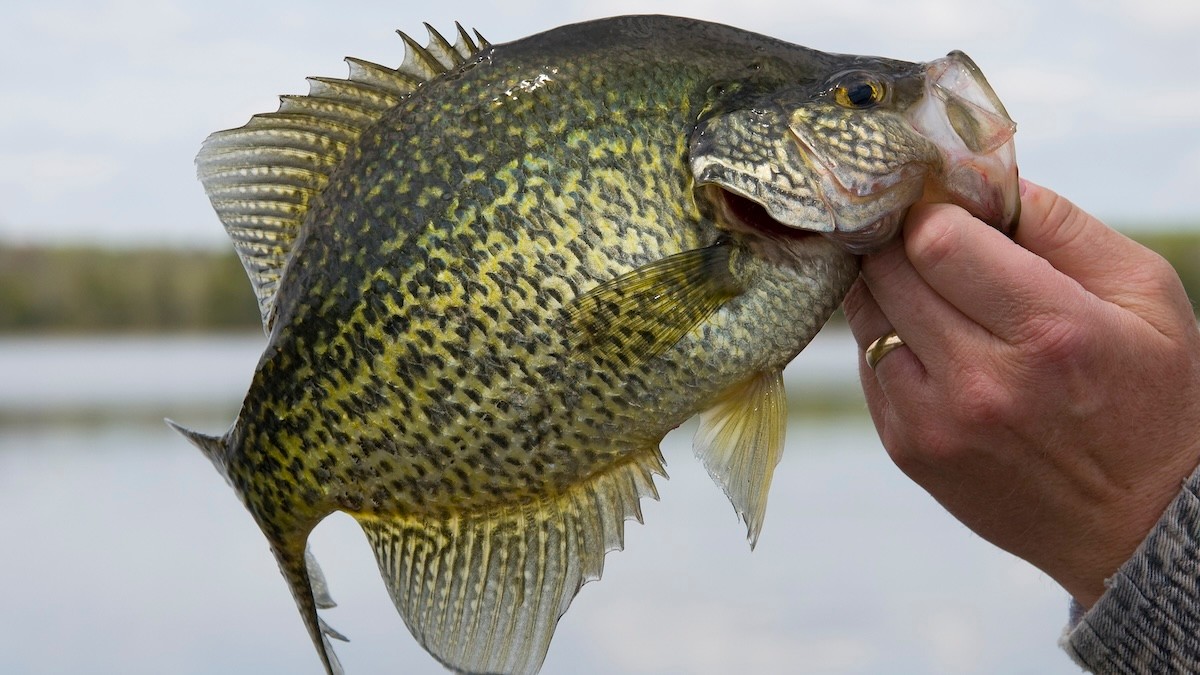

Whether it’s because of their small size or easy-to-catch disposition, panfish are always sort of looked at as the bottom of the barrel in the gamefish hierarchy. Most anglers consider them to be a fish for kids or just an irritating, bait-stealing, bi-catch when hunting more prominent gamefish like walleye or catfish.
However, many anglers look past all of that and appreciate panfish for what they truly are—a good time. And in a season like summer, when having a good time is at the top of everyone’s list, then going out and landing a mess of bluegill, crappie, or other panfish species should be a summer priority.
Summer panfish, especially the big ones, behave differently than their spring and fall counterparts. In the warm and heavily pressured water, they can be elusive and challenging to trick into biting. However, as the summer is the peak of the fishing season, with the long days and warm nights offering anglers plenty of opportunities at other species, most anglers just ignore the panfish game, meaning that you can have the water to yourself.
Plus, during the hot season, when cold-water species like trout and salmon are hard to find, and popular species like bass and walleye are being relentlessly hunted, stacking up a pile of monster summer panfish can be a welcome angling challenge—so long as you know where and how to catch them.
Summer Panfish Gear
Gear for summer panfish can vary a bit depending on where and how you’re pursuing them. In lakes, ponds, or reservoirs where the water is clear and the fish are hanging out in deeper water, you’re going to need to be a bit picky about what you chase them with. Longer six- to eight-foot, ultra-light action spinning rods that give you a bit of reach, strung up with four- to six-pound to monofilament or fluorocarbon lines are usually the way to go in such places as they will help with finesse presentations in deeper water.
If you're fishing in a river or a muddy or cloudy lake or pond with a lot of structure and vegetation, then light- or medium-action rods with heavier six- to eight-pound braided line is going to be more useful. In cloudy water, fish won’t be able to scrutinize baits too closely and will be less leader-shy, so the heavier line won't matter as much. The heavier rod will also help to pull fish out of and away from structure, getting them to the boat or shore as quickly as possible.
Fly anglers can also get in on the summer panfish action. Middle of the road rods like 4-weights and 5-weights will work just fine for fish like bluegill, crappie, and even large panfish like white bass, though if you’re feeling froggy, you can drop down to a 3- or even a 2-weight. Pair your rod with a 4x or 5x leader and tippet and you’ll be ready to hunt down some chunky fish.
Hunt the Structure
Structure is the name of the game when looking for summer panfish. In the blaring sun, panfish feel exposed, and because the hot weather is starting to kill off shallow water weed beds, the fish will begin pushing deeper and deeper into other types of cover. So, instead of fishing the same brown, weedy, played-out spots where you caught fish earlier in the year, search around and look for summer panfish around every piece of structure that you can find.
In shallow water, concentrate your fishing efforts around boat docks, bridge pilings, brush piles and any areas choked out with lily pads. Anywhere, where you can find a lot of cover in two to five feet of water with a lot of shadowed areas where big panfish can hide, get some shade, and of course feed, are worth checking out.
When hunting in deeper water, you can find big panfish gathered around rocky structures off islands and points with sharp drop-offs. You can also use your electronics to locate deeper water weeds like coontail and pondweed, which provide cover for panfish holding in 10 to 15 feet of water. While you're at it, take a look around for any submerged trees, prominent rock piles, sunken boats, or any other sort of deep water cover, all of which are almost guaranteed to be holding at least a few fat fish.
Stalk ’em Deep
When pursuing slob panfish in deep water, it’s best to leave the smaller, more typical panfish baits, lures, and flies at home. Your inline spinners and plastic grubs, live worms and small minnows, and tiny nymphs will all still work, of course, but when hunting for trophy panfish during the summer, why not go big?
Small jerkbaits like the Countdown Rapala, tandem spinners like the Crappie Maxx, and large soft plastics like the Joker rigged on a 1/16 ounce jig head are all going to be large enough to attract the attention of big, aggressive panfish. You can also rig a large minnow, leech, or nightcrawler to a long slip bobber rig. However, if you’re in search of the largest deepwater sunfish around, your best bet is to fish a soft plastic on a dropshot rig.
Drop-shotting for summer panfish in deep water is an easy way to ensure that you’re targeting only the largest panfish in the system. It starts by tying one end of a small barrel swivel to your main line and then adding an additional 10 to 12-inch length of line to the other end of the swivel, leaving a 4- to 6-inch tag end of your knot. Add a ⅛-oz casting sinker to the bottom of the line and then a smaller size 4 to size 2 drop shot hook to the tag end of the knot. Finally, hook a larger soft plastic such as a Squirmin Grub or a Zoom Fluke through the head so that the tail is free to dangle, and you’ll be ready to start hunting some slobs.
Drop or cast your drop shot rig into any gaps you see in deep water cover and let the weight drag the rig to the bottom. Once it lands, start flicking and bobbing your rod tip in tiny jerking motions that only lightly move the weight but make the soft-plastic pulse and dance. It won’t be long before a frying-pan-sized panfish breaks away from its hidey-hole to come and check it out.
Fly anglers can get in on the deep water action by fishing large weighted streamer patterns like Clouser Minnows or Cone-Head Wooley Buggers. Cast these streamers along the edges of the cover and let them sink to the bottom. Then begin a rhythmic stripping and jerking action back to the shore or boat, varying your speed until you find a pace that the fish can’t resist.
Flush ’em On Top
The same larger lures and bait rigs you use in deep water will work for panfish in shallow water as well (with some line-shortening modifications), but if you’re really looking for the big ones, your best bet is to fish on top. Just like bass, big trout, and even pike and muskie, large panfish are predators that are attracted to movement on the surface of the water and will happily crush a topwater lure like chubby aquatic missiles.
For spin anglers, small prop lures like the Teeny Torpedo or poppers like the Rebel Teeny Pop can be absolutely fantastic. Cast these lures up against cover like boat docks or shallow rocks or in gaps in lily pads or weed beds and then twitch or buzz them back. So long as you move these lures slowly, with lots of pauses and subtle twitches as they move, it won’t take long for a big panfish to absolutely explode on them.
Fly anglers can also have a lot of luck with this topwater strategy. There are dozens of different types of panfish popper flies, like the Poka Pop and the Micro Popper, which can be very productive when twitched and popped along the edges of cover. However, you can also have a lot of luck using large terrestrial fly patterns like Kurt’s Head Turner or even stonefly patterns like the Chubby Chernobyl. Even though these fly patterns are intended for trout, if you splash them down on the edges of cover and twitch them a bit, there isn’t a panfish species on the planet that will be able to resist coming to the surface to gulp them down.
Who’s Laughing Now?
There is always a certain group of people that kind of gets picked on. In high school, it might have been the D&D Club or the A.V. kids. On the football team, it’s always the punter, and at the office, it’s those folks that go way too casual on casual Friday (sweatpants and slippers…seriously?).
The point is that no matter where you are or what you do, there are always going to be people who are singled out and take a bit of ribbing for who they are and what they like to do—and that includes fishing. And no one else in the angling world is thrown more slag than panfish anglers.
However, when the weather gets warm, and the more popular fish like trout and bass just aren’t biting, it’s these same stalwart panfishers that get the last laugh. While other summer anglers are going home early after having slow days on the water or even getting completely skunked, it’s the panfish folks who remain out there on the water. Grinning and laughing like kids on summer vacation, these die-hard lovers of sunnies, perch, and other micro-gamefish take a comfortable seat on top of the gamefish barrel, wipe the summer sweat from their brows, and then really start stacking up the slabs.
Stay in the loop with The MeatEater Newsletter
Shop
Shop AllRelated
Fishing
How to Catch Fall Panfish
Fishing
How to Catch Topwater Panfish