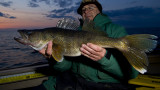
Video: Does Bleeding Out Walleye Work?

How do you make a backstrap or morel taste better? Like most things that you shoot, catch, or harvest, there’s a direct link between how you care for your protein and how it tastes. Walleye, the backstrap or morel of the river, is no exception.
One thing that walleye anglers disagree on is whether to bleed fish. I’ve always been in the “not to bleed” and “not to kill” camp. In the past, walleye that I threw on ice never seemed to be an improvement over walleye that hit the cutting board still breathing. It’s hard to fathom how slit gills would make a difference. So, I decided to do a side-by-side comparison to see if my hunch is correct.
To do the experiment, I went to the Missouri River in South Dakota for some pre-spawn action. I took three 17-inch male walleye and bled one out in a cooler, bled one out in the livewell, and kept one alive. The bled-out fish were stunned with a tap on the head and killed with a slice to the gills. Forty-five minutes later, all three fish were filleted.
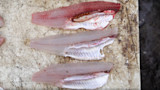
The results right off the bat were pretty damning. When I filleted the alive walleye, the fillets came out coated in blood. The meat on the two bled-out fish was snow white. Even after some washing, the bled-out fish looked superior and were noticeably absent of color around the lateral line and ribs.
But I’d be lying if I said I could taste any difference after grilling the six fillets. My tongue simply couldn’t tell them apart.
My eyes, on the other hand, were more attracted to the fillets that had been purged of blood. Unlike the bled-out fillets, the fish that was cleaned alive maintained those off-colored tones throughout the cooking process. After a squirt of lemon and dash of salt and pepper, all three tasted equally delicious.
So does bleeding out walleye work? I’m not convinced it actually improves the flesh of the best tasting freshwater fish. Maybe on a lesser quality fillet, like bass or catfish, you’d notice the difference.
But it certainly makes for a better presentation, and that counts for something. As Danielle Prewett so often reminds us with food porn, you eat with your eyes first. That’s enough of a reason to make me bleed out all of my walleye (and other fish) going forward.
Shop
Sign In or Create a Free Account
Related
Butchering & Processing
Video: Does Bleeding Out Walleye Work?
Butchering & Processing
Do You Need to Bleed Deer?