5 Underrated Freshwater Fish
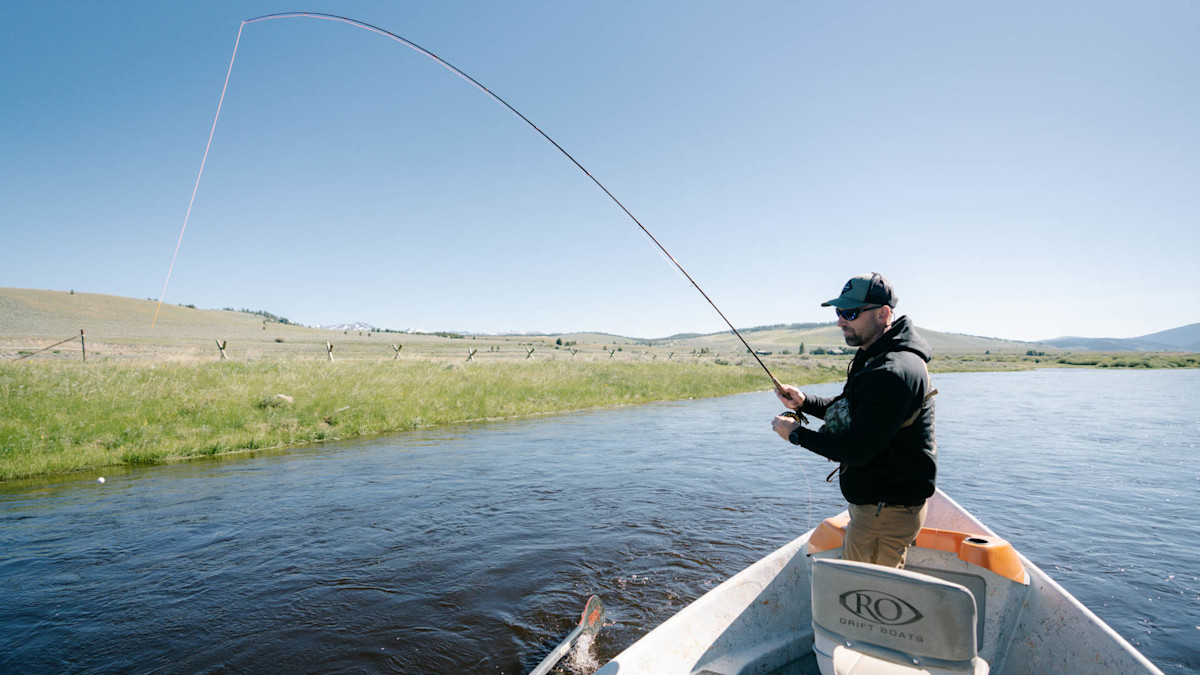

I’ve always found it odd that some fish are more popular than others. Like a high school hierarchy, some are in the cool crowd while others get overlooked. These species might lack the size or flare of other popular gamefish, but that doesn’t mean they don’t make for a good time on the water.
In fact, these fish can fight and taste just as good as those in the cool club. So, if you’re not snobby about the type of fish you catch, here are a few overlooked species to target.
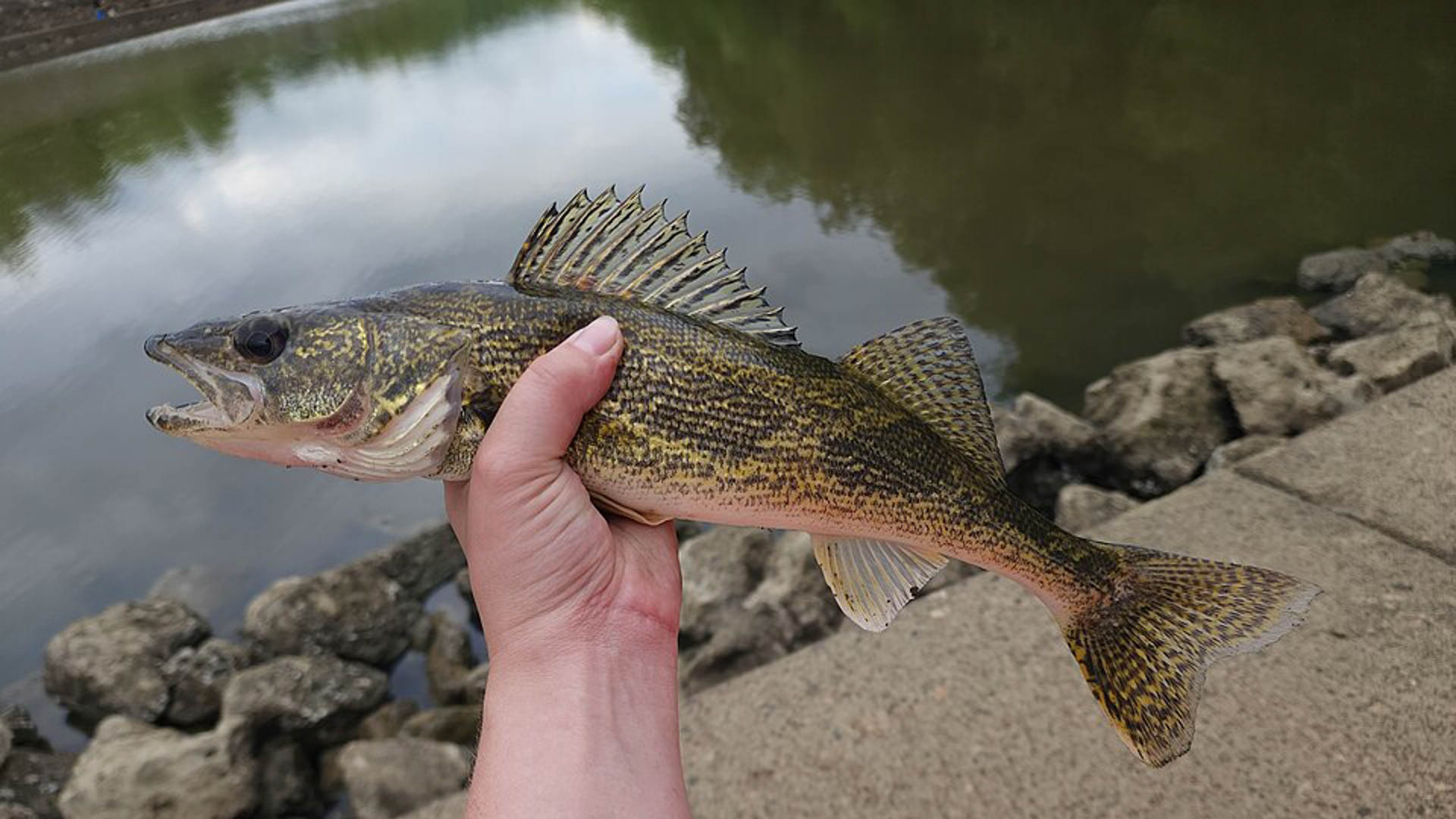
Sauger: The Walleye’s Hardier Cousin
Sauger have historically been considered second to walleye, and for the life of me, I can’t understand why. Not only do they look the same, to the point where many walleye anglers don’t even realize they’re catching them, but sauger are also more opportunistic and aggressive feeders. This means you’re more likely to catch them when conditions aren’t the best.
Sauger tend to live in deeper water than walleye and are generally found more frequently in rivers rather than lakes. This makes sauger more adaptable to murkier water and low-oxygen environments, so they’ll usually continue feeding during changing weather and water conditions when the walleye bite shuts down.
Sauger are also more sensitive to light than walleye, so anglers can continue to catch them late into the evening after the more crepuscular walleye have turned off.
You can catch sauger on the same baits and lures you use for walleye, using the same techniques. Sauger are generally found in deeper water, so use heavier jigs tipped with worms, minnows, or leeches.

Chain Pickerel: The Smallest Yet Fiercest Esox
While pike and muskie draw most of the attention in the Esox world, no one should ever overlook their smaller cousin, the chain pickerel. Though pickerel don’t grow as large as the more popular Esox species (maxing out at around 30 inches), these small but ferocious predators are the most widespread member of the pike family, ranging from Canada to Florida in the East and all the way West to the Mississippi drainage. The fish are highly adaptable and can live in almost any body of water from massive lakes and large rivers to tiny beaver ponds, swamps, and backwaters.
You can catch chain pickerel on almost any bait, lure, or fly that moves. Pickerel are reactive and fierce ambush predators—they’ll eat anything and everything from minnows to mice. They hunt in a variety of depths from 20 feet to 8 inches deep, concealing themselves in aquatic vegetation, sunken timber, or boulders. Pickerel will hold almost completely still until they ambush their prey. I’ve had pickerel strike so hard they nearly yanked the rod out of my hand. Unlike pike and muskie, which sometimes give up the ghost after a few hard runs, pickerel fight to the bitter end.
You can catch chain pickerel on live bait like minnows and shiners or lures like jerkbaits and swimbaits. If you’re a fly angler, try large streamers. My absolute favorite way to chase lake snakes is with topwater gear. Pickerel strike fast and aggressively and will completely hurl themselves out of the water. This makes lures like poppers, twitch and prop baits, as well as floating mouse and frog flies, especially effective.

Bullhead: The Everyman’s Catfish
Catfish are easily one of the most popular gamefish in the country. For the most part, channel cats, flatheads, and blue catfish are all isolated to the South and Midwest. Yet, there is hope for northern and western anglers, thanks to the bullhead.
Whether they’re black, brown, or yellow, every bullhead subspecies out there is worth their weight in gold. Though smaller than more popular catfish species, all three main bullhead species can be found across the eastern US, as far west as Montana and Wyoming, and as far south as northern Mexico. Bullhead can also be caught on a variety of different waters like small creeks, along backwaters, in slow eddies of rivers, and in weed beds and muddy flats in lakes and ponds.
Bullheads are mostly nocturnal fish, so it’s best to fish for them at night. Like other catfish species, bullhead are scent feeders that will be attracted to a variety of baits, from worms and cut baits, to grocery store baits like hot dogs, chicken livers, and even cheese.
Bullheads usually weigh between one and four pounds, but what they lack in size they make up for in numbers. Find the right spot and you might catch a limit in just a few hours. Like other catfish, bullhead make delicious table fare for everything from chowders to fritters to po-boys.

Black Crappie: The Meatier Choice
When anglers talk about going crappie fishing, they’re generally thinking of filling a livewell with the football-shaped, pancake-thin white crappie that dominate the panfish world. These fish are incredibly popular throughout the South. However, the black crappie is often overlooked. Not only do they have a wider range than white crappie, but also have larger, thicker fillets that are just as delicious.
Black crappie don’t tend to get the same amount of fanfare because they’re slightly more difficult to catch. Unlike white crappie, which tend to travel in smaller, more loosely knit schools that will suspend in open water, black crappie tend to live back in the sticks. They tend to travel in larger, more dense schools than the white crappie. They can be extremely structure-oriented and will push back into the thickest weed beds, brush piles, or grasses. But, for those in the know, all the snags can be worth it if you’re looking for a harder fight and a bigger slab of meat.
Black crappie have a more diverse diet than white crappie. This means you can catch them on a wider variety of baits and lures. Unlike white crappie that feed almost exclusively on minnows, black crappie feed on baitfish, small crustaceans, and insects, so you can catch them on nearly any small lure, bait, or fly.
Some of the best black crappie baits and techniques include live baits like worms and minnows suspended under a bobber, rapidly retrieving small jerkbaits and inline spinners, as well as bouncing small, buggy jigs along the bottom.

Freshwater Drum: The Poor Man’s Redfish
If I had to choose the most underrated freshwater gamefish, it would have to be the freshwater drum. Also known as sheepshead, gasper, and croaker, freshwater drum are considered trash fish by many misguided anglers. They think drum are boring, muddy-tasting bottom-feeders, on par with other unpopular species like suckers and carp. This couldn’t be further from the truth. Freshwater drum are one of the biggest, hardest-fighting, and best-tasting fish on the planet.
Boasting the greatest latitudinal range of any North American freshwater fish, freshwater drum are found in lakes, rivers, and reservoirs from Hudson Bay in northern Canada all the way to Guatemala. Ranging in size from one to 30 pounds, drum have a diverse diet that consists of insect nymphs, mollusks, and baitfish.
This means you can target them with a variety of different baits and lures. Though they generally inhabit deeper water between 20 and 60 feet, making them difficult to target. When you do manage to hook into a freshwater drum, you’ll know it. They are some of the fiercest fish in freshwater.
Freshwater drum inhabit deeper water, so you’ll have to troll and jig with weighted lures and baits close to the bottom. During late spring and early summer when drum are spawning, you can catch them in much shallower water, ranging from eight to 15 feet. These shallower fish are usually incredibly aggressive and are more than willing to chase down and crush fast-moving lures like crankbaits, spoons, and spinners and can even be caught on topwater lures and flies.
The Open-Minded Angler
It’s not the fish’s fault that it gets overlooked. Anglers tend to stick to their go-to techniques, species, and waterholes. Not to mention, we’ll believe, and even perpetuate, these “trash fish” reputations. But one man’s trash is another man’s treasure, after all. Give them a shot, and you might just find they were cool all along.
Stay in the loop with The MeatEater Newsletter
Shop
Shop AllRelated

Fishing
North America’s 5 Biggest Freshwater Fish

Fishing
Uncaught Gems: The Rarest Freshwater Fish and How to Catch Them
Freshwater Drum
Trash Fish Tuesday: Freshwater Drum
The comments section requires Functionality cookies. Please enable Functionality cookies in Cookie Settings to view this content.