How The Hunting Public Finds Quality Public Land Deer Hunting
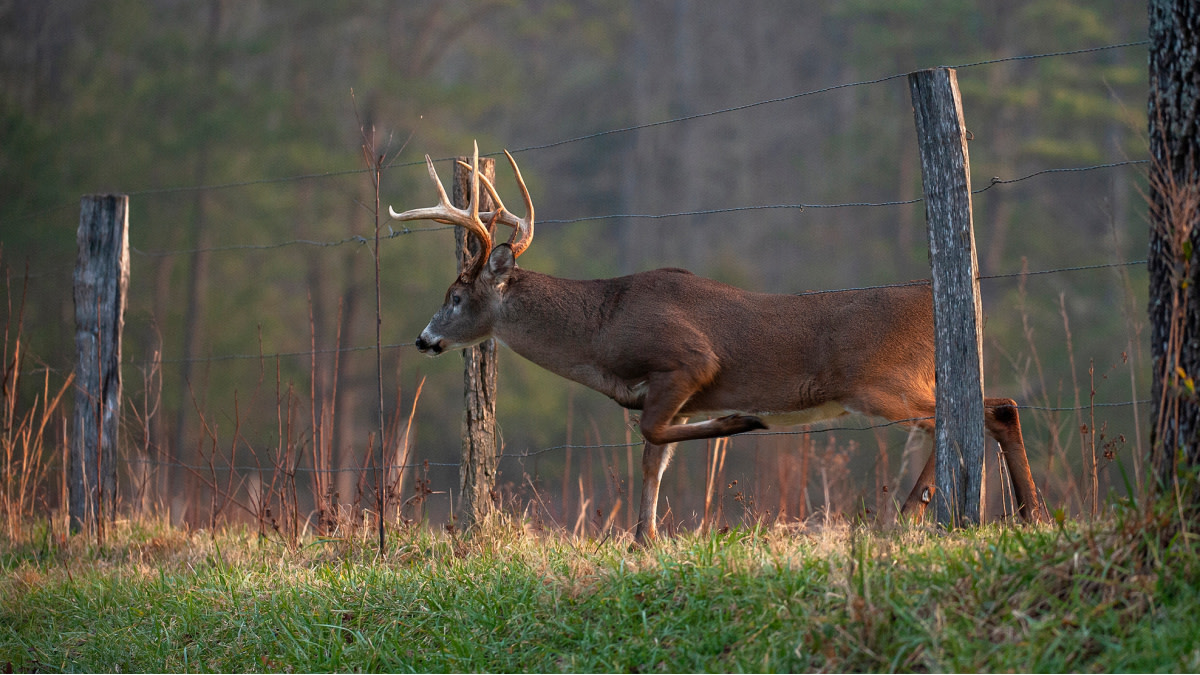

Tagging a buck in country that's crawling with competition is no small feat, but Aaron Warbritton, Greg Clements, and the rest of The Hunting Public crew consistently put monsters on the ground on public ground. They don’t get hung up on old-school hunting methods, and instead credit bold tactics for their success.
Time Isn’t On Your Side Whether as a weekend warrior or maxing out PTO on a rutcation, most hunters don’t have as much time as they'd like to notch a tag.
While many will simply sit a tried-and-true stand hoping success strikes again, Warbritton said this might mean watching leaves and squirrels for days while a hot doe stirs up bucks on the opposite end of the parcel. Instead, he believes hunters should have the ability to adapt and not be afraid to try something different if the action isn’t there.
That’s why The Hunting Public guys get much more aggressive, especially during the rut when efficiency is paramount.
“If you don’t have a lot of time in the rut, if you don’t have the luxury of sitting in a funnel area all day long for day after day after day, I would recommend trying to literally walk around until you run into the deer, even if that means spooking the deer,” Warbritton said.
They play it differently depending on a few factors, including size of the property, number of bedding areas, and how many days they have to hunt. But they’ll gladly sacrifice a day in the stand to scout and find a diamond in the rough.
“If we go into an area and it’s just not there, it’s not right, too much pressure, we are either looking at Plan B or Plan C in the immediate area where we can walk to and check real quick,” Warbritton explained. “And when we’re going, we’re hauling. We’re not jogging through the woods, but we’re walking fast and loud. We’re trying to get to the next bedding area to see if there’s pressure. But what it comes down to for me is efficiency more than anything.”
Whether on foot or from the truck, they’ll scope out several spots they can hit quickly until they find what they’re looking for.
“If you’re just moving around with your eyes up and you’re looking out in front of you and reacting to it as you run into deer, heading in deeper after them, I think you’re going to get into more action—especially in a short time frame,” Warbritton said.
The Road Less Traveled The Hunting Public crew bucks conventional wisdom and likes to try tactics that some folks say won’t work. Warbritton advises that you shouldn't worry too much about hunting pressure. In fact, they’ve learned to use the pressure that comes with public lands to their advantage. They’ll first search an area for hunter sign such as parked trucks, treestands, fresh limb cuts, and boot tracks. Then they'll look for pockets of deer in untouched corners of properties.
“We’re looking for an overlooked funnel between bedding areas or a remote funnel between bedding areas,” Warbritton said.
Oftentimes that means hunting just a hundred yards from the road. They rarely venture deep into the woods and suggest that you shouldn’t walk by fresh sign in an untouched area even if it seems too close to be true. In fact, they’ve found bucks will have their guard down when cruising for a hot doe near physical barriers such as a lake, river, or road.
“Fresh sign doesn’t lie,” Warbritton said.
They’re looking for tracks, scrapes, and rubs left within the last day—particularly big, aggressive sign unique to mature bucks and focusing on bedding areas. Some of their favorite setups include pinch points between bedding areas, marshes connected by timber, and hill country thermal hubs.
Warbritton said it’s best to get the whole big picture by looking at the surrounding area, not just your private property or the public land you’re hunting. Turn off the ownership boundaries layer on onX to see the full scope beyond property lines and identify spots you can intercept deer along their lines of travel.
When they locate a prime bedding area where they can set up along the edge, they’ll slowly move in closer and chip away at that area each time they hunt.
If you’re really struggling to get away from hunting pressure in the rut, Greg Clements suggests finding a high-visibility observation spot where you can cover a lot of ground visually through glassing. Then, move in on action or move on to another area. He said you shouldn’t be too conservative out of fear of spooking deer, especially when you’re on foot.
“Just because you bump a deer doesn’t mean it’s all over,” Clements said. “It’s been fun to see how many times over these past few years that aggressiveness has paid off.”
To learn more about The Hunting Public’s non-traditional tactics, tune into Episode 386 of the Wired To Hunt Podcast.
Stay in the loop with The Wired to Hunt Newsletter
Shop


Related
Scout
How to Scout for Overlooked Whitetail Hotspots on Public Land


Scout
How to Successfully Deer Hunt a New Piece of Public Land

Scout
How to Find Whitetail Sanctuaries on Public Land

The comments section requires Functionality cookies. Please enable Functionality cookies in Cookie Settings to view this content.