What To Do When Your Early Season Deer Plan Blows Up
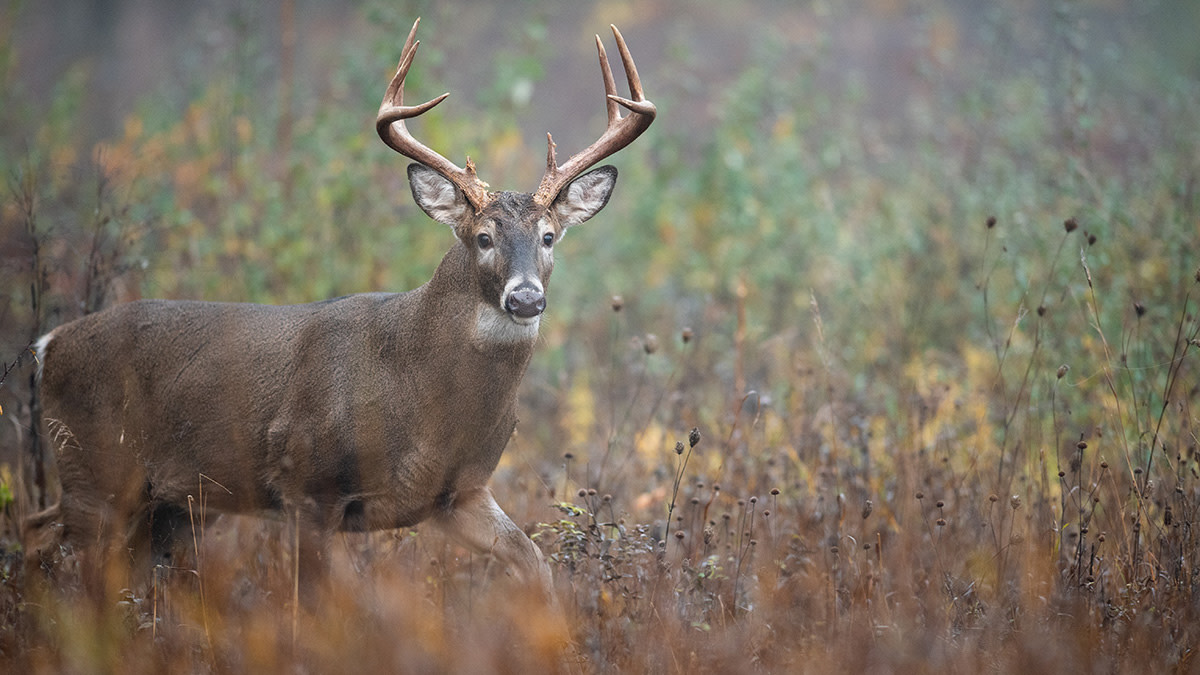

The best laid-out deer plans are often garbage. Maybe that’s too harsh, but the truth is all of that summer scouting and trail camera work often won’t directly correlate to filling your buck tag as soon as the season opens.
This is the thing that we love, and hate, about whitetail hunting. It can be predictable but rarely is. One other hunter, a single warm front, or some random oak that decides to rain a ton of acorns onto the ground can all keep you from killing a deer on his summer pattern.
This doesn’t negate the benefits of pre-season scouting, and the effort put into killing a deer during opening week. It’s just a cautionary tale that you should probably have a Plan B.
Why Didn’t It Work?
If the 140-incher that you’ve been watching all summer doesn’t show up in the beans when you finally hunt him, ask yourself why. What changed? If the pond you posted up on didn’t produce a thirsty buck, or your rock-solid access to a morning stand turned out to be a spook-fest, what happened?
The first step is admitting there is a problem. It’s okay, it happens to all of us. But without some reflection on why your best efforts to kill a buck right away didn’t pan out, you’ll never get better. And you won’t salvage what’s left of the earliest parts of the season.
Don’t just write it off as bad luck, or all of the deer being nocturnal. Instead, go figure out where they went.
Trail Cameras & False Beliefs
There is a huge difference between not being on deer, and believing you’re out of the game. The latter comes, most often, from trail cameras. They are a great tool until you start using them to explain away your shortcomings, or worse, use them as an excuse to not hunt.
Trail cameras are great, but they are limited in their benefits. What they won’t show is orders of magnitude greater than what they will show you. Use them, scratch the itch, pay attention to the images and videos, but understand that if you want to be around deer you have to go find them.
One Layer Deep
Early-season hunts often center on field edges and food sources. When that pattern dies, the deer have almost always decided things are safer in the cover. That’s it. They just notice the pressure, they notice the leaves are falling and the woods are more open, and they opt to stay in the cover more.
This might also coincide with a hard mast explosion or some other here-today-gone-tomorrow food source. What matters here is that you start trying to figure out how to get a layer deeper into the cover, and how to hunt it.
This is going to either involve in-season scouting, or observation stands. Better yet, it should involve both.
Follow The Clues
There isn’t a decent observation stand situation that doesn’t rely on scouting first. There has to be a compelling reason to watch an area, and that compelling reason will be sign. Deer leave a lot of it, and often it’s a matter of getting off the groceries and into the cover to find it.
When you do—whether it’s droppings or a cluster of rubs and scrapes—you now have the makings for an observation sit. It’s simple. If you see deer, they’ll tell you if they are feeding on acorns, or just staging in an attempt to kill time before dark. If you don’t see deer, they either know you’re there, or the sign is all from nighttime activity.
Simple, right? It can be. Finding the deer after a weak opener performance is often a matter of moving a couple hundred yards (at most). Deer hide well, trust their senses like their life depends on it (because it does), and they know where they can probably go where you probably won’t.
Instead of making big pushes deep into the cover, make small, calculated moves based on sign and the likelihood of sightings. The goal is to keep looking but to always be smart about it.
This works on huge properties and small parcels. It’s just a matter of accepting that what you expected to happen, didn’t. And now you need to figure something else out. This seems really easy, but most hunters will keep riding a dead program until the pre-rut kicks in.
Don’t be like them. Go find the deer. They won’t be very far away.
For more articles about deer hunting, check out these pieces: Why Opening Week Is Better Than The Rut For Mature Whitetails, How To Kill An Early Season Buck In The Morning, and 3 Reasons You Won’t Kill A Buck On Opening Day.
Feature image via Matt Hansen.
Stay in the loop with The Wired to Hunt Newsletter
Related
Wired to Hunt
What To Do When Your Opening Day Plan Fails


Hunt
What To Do When The Rut Sucks – #WiredToHuntWeekly 29

