How to Get the Most from Your Game Processor
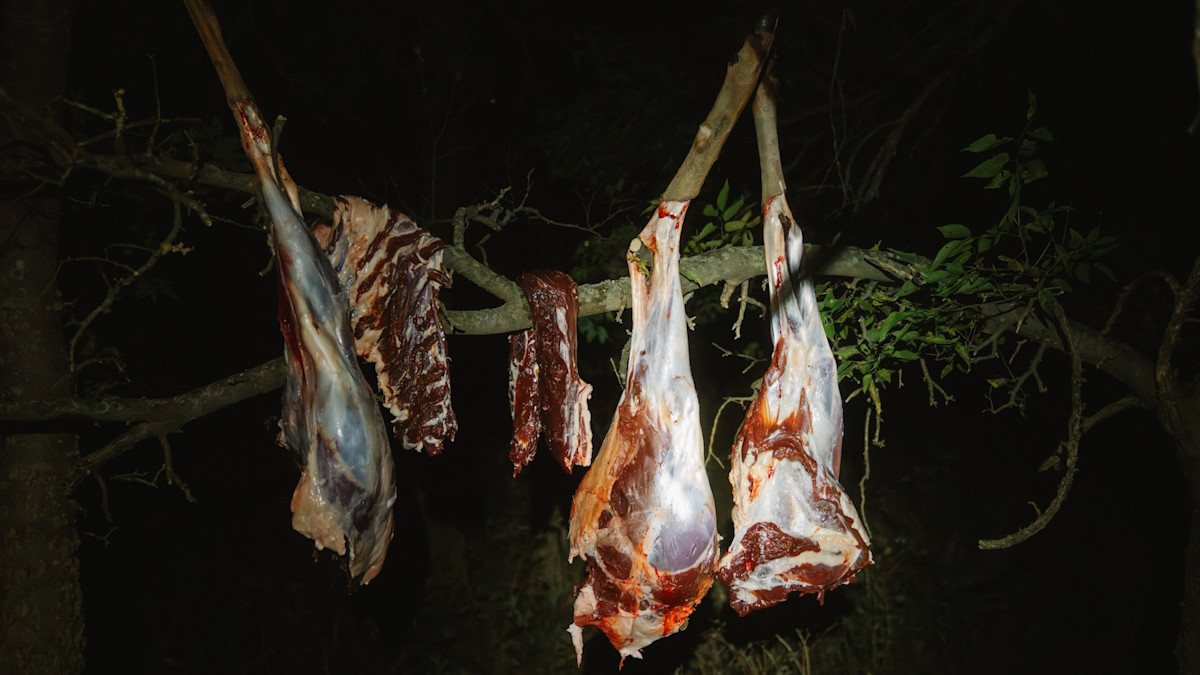

Processing wild game as a profession is gritty, dirty work. In a matter of months, hundreds of animals go from the field to the butcher's cooler, leaving hunters wary of the outcome andprocessorsburned out from the grind. Here are a few tips to maximize the amount of meat you pick up from your processor.
Before the Processor
As a general principle, dirty or tainted meat gets thrown away. Hair, dirt, and soured muscle are breeding grounds for bacteria, which thrive in warm, moist conditions and can double in population every 20 minutes if not cooled quickly.
Contaminated meat gets hacked off liberally when it hits the cut floor, slashing your yield—especially on smaller game animals likeantelopeand deer, where every pound counts.
If the weather conditions permit, consider leaving the hide on your animal. Theskinacts as a natural barrier, reducing the possibility of exposure to contaminants. While you'll likely be on the hook for a skinning fee, you can be assured that the hide will be removed under ideal controlled conditions.
Brian Winters, an Alaskan butcher with 18 years of experience cutting both game and domestic animals, urges hunters to prioritizeclean shots. "Just because thefirearmand optic can do it, doesn't mean the hunter is capable or spent enough time with the firearm," he said.
Winters explained that bad shots flood animals with adrenaline, tainting the meat's quality. In the domestic meat industry, these are called "dark cutters," a label that marks them as less valuable.
Additionally, a shot-up animal will be treated as a Civil War soldier at the game processor. Bloodshot meat, bone fragments, and bullets will all be cut out and thrown into the trash, often with little regard. Time's money—processors aren't paid surgeon wages on the butcher block.
Game Bags vs. Whole Animals
Game bagsare meant to keep meat semi-clean and somewhat organized in the field. However, under no circumstance should they be used toage meat. Boned-out muscles, piled together, become a bacterial playground—trapped pockets of moisture and heat spoil fast. While flies may have limited access to your haul, reducing the use of game bags to three days or less is vital if you want to receive more meat from the processor.
Wyoming butcher Neal Nelson doesn't mince words: "Want to master meat cutting? Try sorting through a game bag." Piecing together a chopped-up mess eats up time and turns potential roasts and steaks intogrinderfodder.
Boning outan animal in the field eases the weight burden, but bringing a whole carcass orbone-in quartersto your butcher remains the better choice.
Keeping the muscles intact reduces the surface area vulnerable to contamination, though the hunting climate deserves equal attention. Inwarm weather, heat can linger in spots like the ball joints of the back legs, potentially triggering rot from within.
Yield Expectations
Learn the basics of ungulate anatomy and keep your expectations in check for your animal's size. Clearly tell your butcher what you want—more roasts and steaks mean less ground meat, while thicker steaks mean fewer packages overall. It sounds simple, but plenty of hunters end up frustrated and suspicious when they see their haul because they didn't spell it out upfront.
Though it's important to remember, we're hunting game, not wagyu beef bulls, so quell those aspirations of piles of meat. Typically, you'll get 50-60% of the hanging weight, which is the animal's total weight, after removing the head, guts, hide, and hooves.
While ithangsin the cooler, the meat forms a pellicle—a dry rind on the exposed muscle—as water evaporates, shrinking the hanging weight by 1-2% daily. This tough protective layer is typically thrown away. The smaller the carcass, the quicker it will dry out; the longer it hangs, the thicker the pellicle grows. Reducing the hang time will directly affect the amount of edible meat you receive back. While this may shrink the overall amount of meat you receive a bit, the results are worth it—properly aged meat will be much moretender and flavorful.
Getting the most from your game animal is about smart choices from the field to the freezer. Clean shots, careful handling, and clear instructions to your butcher can tip the scales between a hefty haul and a disappointing pickup. Processors may catch heat for slim yields, but hunters hold the reins early on. Both sides love to blame each other—and both likely have a point.
Sign In or Create a Free Account
Related
Butchering & Processing
Video: How to Remove a Venison Hindquarter

Butchering & Processing
Do You Need to Bleed Deer?