Hundreds of Ducks Die Attempting to Land on Flooded Iowa Roads
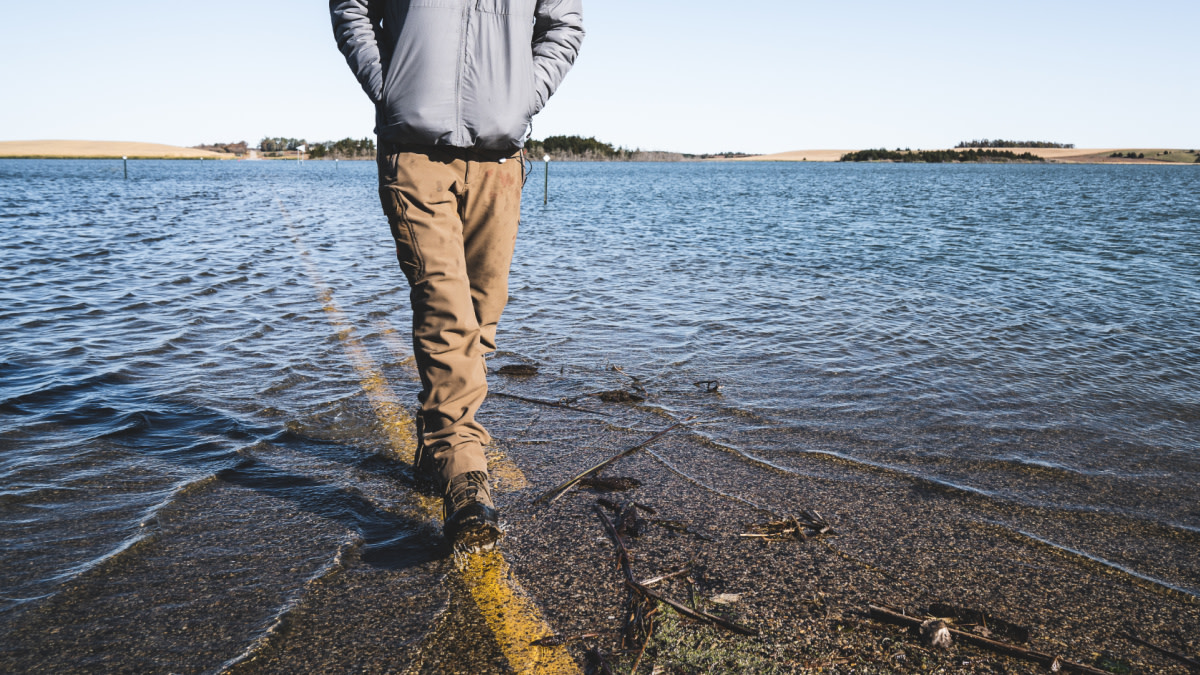

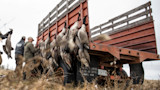
Hundreds of ducks took a fatal detour on Monday night after severe weather forced them to land. The Iowa Department of Natural Resources says a “unique weather phenomenon” made the migrating birds land on flooded parking lots and roads instead of wetlands and marshes. The result was more than 200 ducks dead after being struck and killed by vehicles on Hwy. 20 in Woodbury County.
State conservation officer Steve Griebel witnessed the carnage firsthand, according toNexstar Media Wire and KCAU, after he was notified about the situation by phone calls and texts around 9:30 p.m. Monday night.
“I counted over 200 dead ducks on the highway, and can only imagine how many dead ones were out of sight in the ditch,”Griebelsaid. “It was all different species—mostly bluebills, but there were mallards, buffleheads, teal. It must have been an epic migration.”
Iowa is part of the Mississippi Flyway, which spans more than 2,300 miles along the 1.5-million-square-mile watershed, according toDucks Unlimited. The conservation group considers this flyway “the most heavily used migration corridor for waterfowl and other birds.”
IDNR believes that the recent push of bitter cold weather in central Canada and the Dakotas caused the birds to seek warmer temperatures. The migration turned dangerous once a “strong mixed precipitation weather front” forced the ducks to seek shelter from the storm.
“Situations similar to this one have been known to occur when you have extreme cold weather that collides with a strong front,” saidOrrin Jones, an IDNR state waterfowl biologist. “This is a unique, one-time event that there’s nothing much we could do about, and should be over now.”
This isn’t the first time nasty weather has caused a lot of death in relation to waterfowl. On Armistice Day in 1940, a similar catastrophe occurred when temperatures dipped drastically and a blizzard kicked up, killing countless ducks, livestock, and85 hunters across the Midwest.
Stay in the loop withThe MeatEater Newsletter
Shop
Related

Wildlife Management
Hundreds of Ducks Die Attempting to Land on Flooded Iowa Roads

Waterfowl
How To Jump Shoot a Limit of Ducks