
Myths, lies and old wives’ tales loom large in the outdoor pursuits. Here at MeatEater, we’re dedicated to separating facts from bullsh*t, so we created this series to examine suspect yarns. If there’s a belief, rumor or long-held assumption you’d like us to fact check, drop us a note at factchecker@themeateater.com.
Claim
Old does are not capable of bearing fawns. Shooting these geriatric females prevents orphaning young fawns and is beneficial to deer herds.
Origin
It’s impossible to pin down a specific source for this claim, but it’s fair to say it’s rooted in folklore and myth rather than verifiable scientific data. It’s possible that it stems from hunters ribbing other hunters about the value of killing an old doe versus shooting a younger deer.
Facts
To be clear, many does do reach old age, but they don’t become “dry,” at least not very often. Only in rare cases will a female deer contract some kind of disease or suffer from some type of congenital or genetic disorder that renders that individual deer unable to bear young.
Multiple studies conducted by wildlife biologists have proven that almost all does bear fawns every year until death. Age is not a factor—does exceeding 20 years old have been documented with healthy fawns.
The empirical data clearly disproves the old, dry doe claim. Hunters that see a female deer without a fawn in tow are mistaken if they assume they’re looking at a barren doe. By the time hunting season rolls around, many young of the year have already died. Between predators, vehicles, disease and extreme weather events such as drought or floods, many mature, healthy does lose young fawns.
It’s also a mistake to believe shooting a big doe without a fawn is more beneficial to herd health than shooting one with fawns. Wildlife managers set season dates in order to ensure that by opening day, fawns are capable of surviving on their own.
Takeaway
Feel free to shoot whichever deer you’d like, but don’t use shoddy folklore like the old, dry doe myth to support your decision. Instead, educate yourself on what actually effects a herd and be thankful for a freezer full of venison.
Sources
What’s the Oldest Deer on Record? — Quality Deer Management Association
Deer Fawn Mortality Rate Study — Penn State
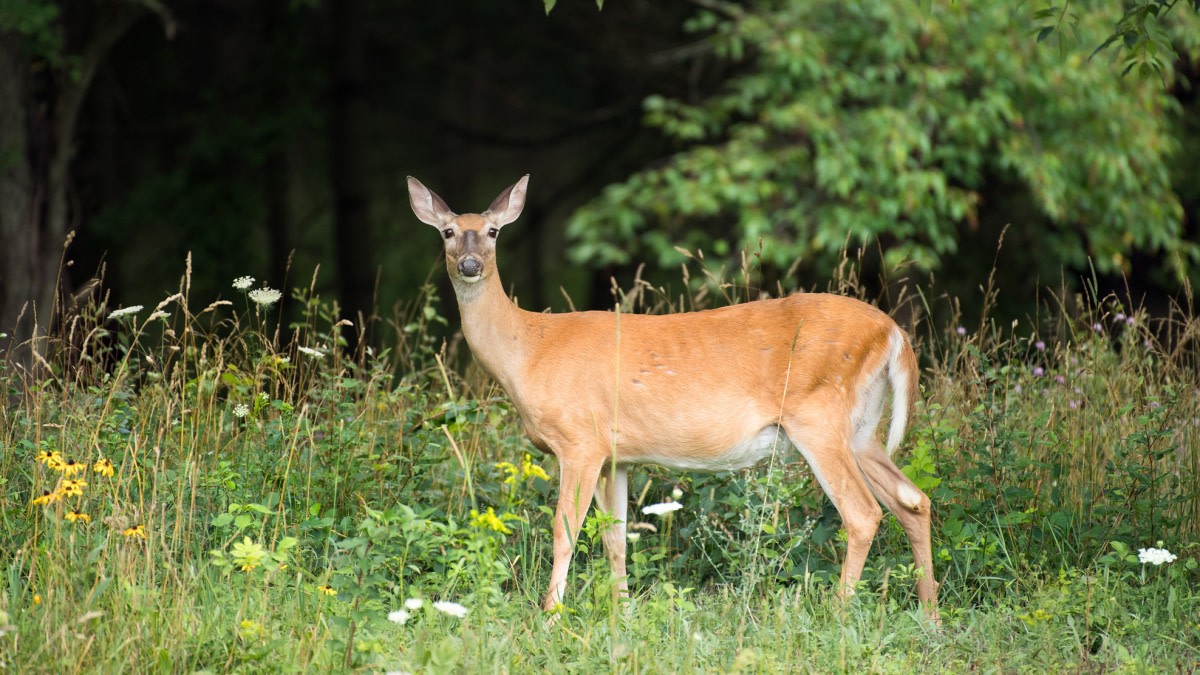
Feature image via Matt Hansen.
Stay in the loop with The MeatEater Newsletter
Shop
Related
Wildlife Management
Fact Checker: Do Old Whitetail Does Go “Dry?”

Big Game
The Rose Petal Hypothesis: Why Deer Hunting Spots Go Dry