Historical Data Can Help You Kill Bucks During the Rut
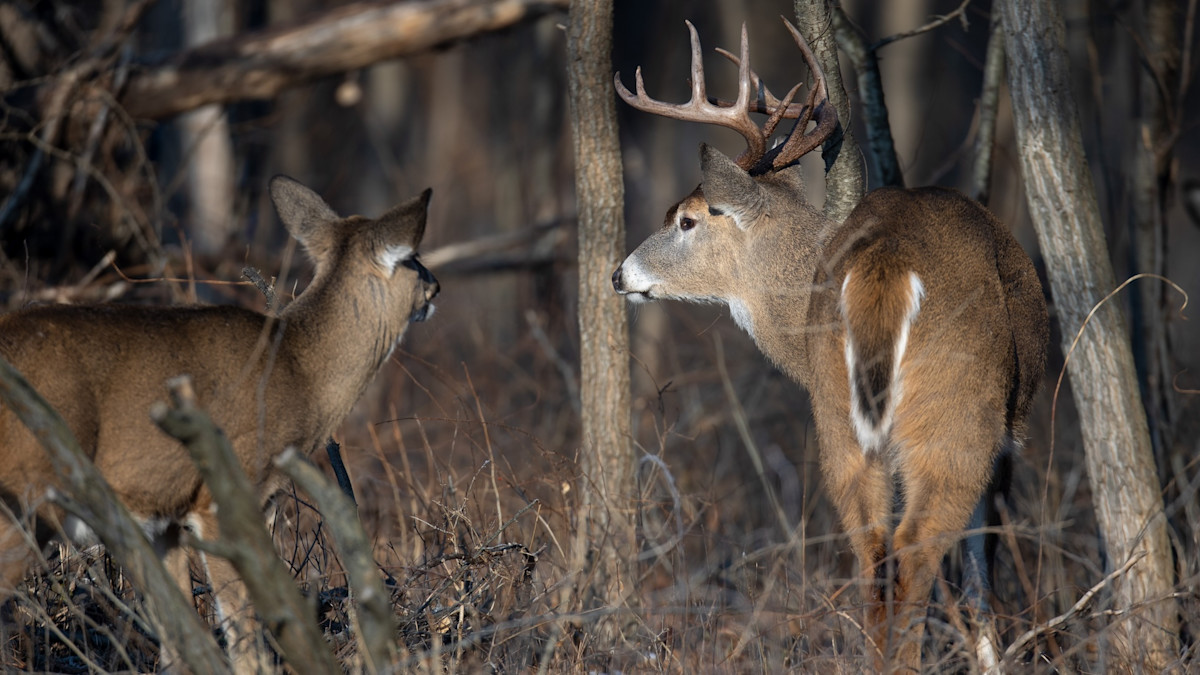

There’s a small section on a particular piece of public I look forward to hunting every year during the peak rut. There’s about a three- or four-day stretch that I know I’ll see bucks chasing in this specific stretch of woods. The first year I hunted this spot, I was nearly trampled by a group of does during a midday scout. I was hunting my way into an evening setup when a sweet buck chased these does into my lap. They made a quick 180, and I had just a quick glimpse of tall tines speeding back through the switch cane.
Fast forward to that same day the next year, and I watched three borderline bucks (my state imposes antler restrictions) run a pair of does through my setup in almost the same spot. That pattern played out for two more seasons, including this last one.
Aside from does coming into heat, that spot has good screening cover, natural browse, and the convergence of multiple habitat and terrain edges. No, it doesn’t stand out on the map, but it’s a place that deer feel comfortable traveling season after season, especially during the rut.
It’s easy to think of the rut as an isolated event. You might have a mature buck run by your stand and chalk it up to rut brain, but there’s a reason that buck is there. While it might seem like a random occurrence, mature bucks don’t just daylight for no reason. And that intel could benefit you for seasons to come.
Take Note
History repeating isn’t always a bad thing. That’s why it’s important to make note of your deer encounters even if they seem insignificant.
Mapping apps like onX make it too easy not to log some information. You don’t need a book’s worth of details. A simple waypoint with a quick description goes a long way. Something like “shooter buck chasing a doe” works great. onX automatically logs the date and time for you, so there’s no excuse not to take notes.
With or Without Cameras
I prefer hunt observations to trail cam photos any day, but they can both be just as valuable for historical data. Time on stand allows you to observe a bit more of the situation, while trail cam photos can sometimes be misleading. But, if you’re consistently getting daylight pictures of certain bucks, especially if they’re trailing does, you’ll want to make note of that for next year. The Moultrie Mobile cell cam app allows you to take bookkeeping-level organization for your photos. This type of organization makes it easy to store photos by specific dates, so that you can quickly reference the data when you’re planning out next year’s hunts.
Even if you don’t have the camera data to back up the deer movement. You can feel confident that the deer are likely to do the same thing this time next year, barring any major habitat or landscape changes. You might have to make minor tweaks to your setups, but this is an area where you can go with your gut, knowing that does typically come into heat around the same timeframe every year.
The More Data, The Better
Whether you’re tracking historical data in your phone or a notebook, the more you accumulate, the more options you’ll have come deer season. That way, if you don’t have the right wind or someone beats you to a spot, you’ll have a backup ready to go.
It also helps if you have a problem overanalyzing hunting setups. When you already have spots that you know produce historically, you can easily make a decision on where to hunt based on the conditions and data. You’re more likely to have success when you can revisit a proven spot than just going in blind. That doesn’t mean you’re guaranteed to see a mature buck in that spot every year, but even watching young bucks dog a doe through your setup is reassuring (and fun).
Trust the Evidence
It can be hard to trust your gut, especially if you want hard evidence that bucks are using a specific area. Sure, fresh rubs and scrapes are great, but don’t let the lack of this typical buck sign convince you that they’ve deserted the area.
Remember, it’s the does you’re hunting anyway. I’d much rather see a ton of fresh tracks and droppings than a monster rub from the early season. It’s sort of one of those things that you have to experience to understand. You can listen to podcasts or read all the articles you want, but it won’t click until you do it yourself.
Stay in the loop with The Wired to Hunt Newsletter
Related
Scout
How a Spreadsheet Can Help You Kill Your Target Buck

Scout
How Small Game Hunting Can Help You Kill More Mature Bucks

Hunt
How to Still-Hunt During the Rut
The comments section requires Functionality cookies. Please enable Functionality cookies in Cookie Settings to view this content.