Wired To Hunt
Wired To Hunt Podcast #202: Backcountry Whitetail Hunting in the Boundary Waters
Play Episode
1h40m
Today on the show we’re exploring the idea of a true backcountry whitetail hunt in the Boundary Waters of Northern Minnesota. And we’re joined by several members of Sportsmen for the Boundary Waters to discuss this vast wilderness, how to...
Seeomnystudio.com/listenerfor privacy information.
00:00:02 Speaker 1: Welcome to the Wired to Hunt podcast, your home for deer hunting news, stories and strategies, and now your host, Mark Kenyon. Welcome to the Wired to Hunt podcast. I'm your host Mark Kenyon in this episode number two O two and saying the show, we're exploring the idea of a true back country white tail hunt in the Boundary Waters of northern Minnesota, and we're gonna be joined here by several members of Sportsmen for the Boundary Waters to discuss this wilderness, how to pull off a hunt here, and why this area is currently at risk. All right, welcome to the Wired to Hunt podcast, brought to you by Sitka Gear and say in the show, we are covering a very different kind of topic than usual. We are talking about back country white tail hunting. And in last week's podcast you might remember I'd hinted to the fact that this coming fall, I'm planning a canoe in back country white tail hunt into this wilderness. So today I wanted to dive much, much deeper into that topic. And you know, so much of the white tail hunting that we talked about on this podcast is focused on on just the usual, everyday agg field and wood lot type landscape that so many of us here across the country deer hunting on annual basis, and that's that's awesome. I get a kick out of it. I love it. But I've also been personally interested in kind of getting more intrigued by the idea of venturing off to some more unique places to chase my favorite game species. You know, I really want to try to find ways to stretch myself as a deer hunter, to experience new ways of hunting, explore new places, and this idea of the Boundary Waters it has been top of my list when it comes to this kind of idea so very quickly. For those not familiar, the Boundary Water Canoe Area Wilderness is just a vast, promitive wilderness area in northern Minnesota. We're talking an area I believe it's it's over one million acres in size, and it's composed of miles and miles and miles of lakes and rivers and huge forests and rocky cliffs and escarpments and just a really rugged and impressive landscape. And the only way to get around in it, at least during the spring, summer and fall, is to hike or canoe. So my plan is to load all of my gear for a week of white tail hunting and camping in a canoe and paddling porterage deep into this wilderness until I find some deer, hopefully, And I think this is gonna be a really challenging, really interesting, really fun trip. But you know what originally brought this area, the Boundary Waters, to my tension a few years ago was the fact that not only is it special, but it's also a place facing increased risk. From everything I've read and heard and seeing, this is one of the nation's most impressive and precious wild places, but it's it's in some serious danger here. So I've been doing more and more research on what's going on here, and as I've done that, I've gotten more interested in both kind of finding a way to see it for myself and then trying to, you know, lend a hand if I can at all, to make sure this place is around and in a healthy condition so that maybe some of you folks can see it someday, maybe some of my son can see it someday. And that's kind of how this trip idea and this podcast idea finally all came together. So here, in a moment I'm going to be getting three more guys on the line with me, Dan Dan can't join us today, but we will have three guests. They're all very familiar with the Boundary Waters, and we're gonna be talking about We're gonna be talking about the will Erners in general, We're gonna be talking about what it's like to deer hunt there, and then finally we're also going to talk a little bit about what's going on there, what these dangers are that the Boundary witers are facing. So joining us here in a second is Lucas Leaf, the national Sporting director for Sportsman for the Boundary Waters, Matt Norton, the Policy director for Sportsman for the Boundary Waters, and another avid hunter and angler from the area, Darryl Spencer. So I think, regardless of you know, whether or not you ever plan on hunting or fishing or exploring the Boundary Waters yourself, I think this is a chat that everyone and anyone can enjoy and learn something from. We just cover some some very interesting things, some very different ways of deer hunting. But I do think that you know, regardless, this is the kind of place, is the kind of adventure that I think, if nothing else is fun to hear about and then daydream about in the future. I know I certainly have been doing a lot of daydream about this place too. So with all that said, let's pause here for a moment for our sickest story of the day, and then we're going to dive right into it. For this week's sick of story, we're joined by Seth Healy, who tells us about a recent goose hunt that meant a little more. Well, it was early January and my buddy Andy is his best friend and actually unexpectedly passed away, and um, you know he was. They were both big goose hunters, and um, there was three of them that really goose hutting together. I'm not a big waterfowl guy. Um, so we we decided to go out, uh the very last day of season. And you know they hadn't they hadn't hand it much since it passed away. Um, So we go out the last day of season, and the night before he had seen a goose with a white head and that was the one that Andy had wanted to shoot the most. And so I mean it's not even two minutes after shooting time and three geese come in and Skyler and I had completely missed the first one and ended up shooting the last two. Andy, which was the guy's best friend that had passed away. UM had shot that white headed goose and with his gun and his decoys, and it was just kind of like, you know, the the guy that passed away, it almost sent that bird directly to Andy. I mean, it was just an unforgettable moment and definitely an emotional hunt for you know, both of those guys that were using his stuff on seth Son Hughes wearing sick As Dakota system. If you'd like to create a Sickest story of your own, or to learn more about sitkas Technical Hunting Apparel, visit sitkagear dot com. All right with me now on the line. We've got a whole slate of folks with us again today. We have Lucas Leaf, Matt Norton, and Darryl Spencer. And rather than me trying to rattle off a big introduction of my own, I was hoping that you guys could maybe give us a brief kind of cliff notes as to who each of you are. UM, So maybe Lucas could you kick things off for us by just telling us a little bit about yourself and your involvement with the Boundary Waters. Yeah, absolutely, Mark um So, I'm the national sporting director for Sportsman for the Boundary Waters. Uh. You know, we work to protect bounty waters for two two generations currently from suft side or copper mining. But you know that's just a part of my background. I've been going up there since I was thirteen, everything from rough grouse hunts to spring open or lake drought trips, and you know, I'm a big h under an angler. I spent a lot of time up there. I'm also a chef as well, so I've been doing a lot of work, especially with the campaign that both Matt and I worked with and Darrow as well. And I'm also the current chef of Modern Carnivore, which you know we can chat a little bit about later if it comes up. But yeah, you know, my basic background is basically I spend a ton of time up in the Boundary Waters. I care about it so much. It's near and dear to my heart. You know, my dad started bringing me up there when I was thirteen, and you know it's our church, so it's it's a space that's near and dear to me, and very important for the kids I plan on having, and for everybody that I know and that I've introduced to it. You know, can you tell us a little more about modern carnivore before we move on to the rest of the guys. I'm kind of curious to hear a bit more on that. Yeah, absolutely so. Um. Modern carnivore was developed as a way to introduce UM people who have not experienced hunting and angling or the idea of self sustainability and acquiring meat through means that is hunting and fishing. So basically introducing people to hunting and angling opportunities and letting them taste food, bringing them out on excursions, and also doing uh dinners and get together as were. We give them the opportunity to not only make the decision themselves, but to experience what is kind of a long standing tradition here in America and you know, across the world, which is acquiring our fil our home food by means of fishing, hunting, UM, growing your own food, so forging as well, So all things that I'm super into. You know, I'm big into foraging, mushrooms and lots of things during the spring and throughout the summer and fall, so uh, seasonality is key. It's just a lot of fun and it's very cool to see the reaction of people when they've been introduced to something that they didn't know that was right in their backyard or that they had such an easy opportunity to go and acquire themselves. Well, yeah, that's great. That sounds like a great opportunity to help engage people that. It seems more and more our opportunity to engage with new hunters and bring new people into our community is their food. Um. So that's sounds like a great deal you guys got going there. I'd love to dive more into that later too. Um but but Matt, I guess can we can we jump over to you? Matt, can you give us a quick intro to yourself? Sure? Well, Um, I'm the policy director for the campaign and sportsman for the Boundary Waters. Um I I love paddling, Um I love hunting, I love fishing. Willderness areas are important to me and being able to get a really high quality outdoor experience is important to me. And I'm, um, you know, a big fan of the Boundary Waters because it's the um incredibly accessible Uh, if you're willing to paddle, if you're willing to work and experience, it's enormous really as soon as you put in on your first lake, your experience experiencing the backcountry UM environment. And well, I've been paddling in the boundary waters uh been. I first moved here to many flota. UM. Prior paths and trips were in UM provincial parks in Canada, particularly Algonquin French Park in eastern Ontario. UM. I've got a biology background, and I came to hunting late in life. I did not go through the modern carnivore routine but UM, but I did not you know as many I guess you know higher percentages today people are growing up in households for the parents, UM don't really hunt for fish. UM. That's less true in then soota, where a huge percentage of people fish and a decent percentage of people hunt. But UM, so I came to hunting again, fishing out of my own interests and in particular, you know that opportunity to find high quality UM experiences but also high quality UM uh fish and venison. I was going to ask you a little bit more about what a policy director actually does for an organization like this, you know what does that actually mean? Sure well, UM, the effort to save the boundary waters from the biggest threat that's uh. Uh you know that's in front of it, which is sulfide or compromising of particularly UM toxic type of mining. UM. Type of mining that's never been done successfully anywhere in the US or anywhere in the world. UM. If success is defined as operating and closing without polluting surrounding surface water and groundwater with heavy levels and UM you know they're mining containments. So we've got right now a big job interacting with federal agencies, particularly the U. S. Forest Service and the Bureau Flane Management UM, and the departments above them UM US Department of Agriculture in the case of the Forest Service, and Department Interior in the case of the Bureau Flane Management. And interacting with them typically means UM if you're doing it in a formal fashion, UH, producing a fair amount of written information UH that explains what science, what factual information you've got UM, and experiential information you can convey to them to explain just how bad for how long it would be if sulfide or compermning were allowed. To begin in the watershed that's close down into the boundary waters. And I don't know if you're listeners, you know, I appreciate these are public lands. I don't hopefully just describe it a little bit as you can imagine, But this is a one point one million acre wilderness area. It's under the U. S. Forest Service management. There's more than a thousand, one seventy five lakes larger than tank acres. They are massively interconnected, and so you can paddle from lake to lake, or sometimes paddle to the end of the lake and portagees carry all your stuff the canoe and and your portage bags with your goods from one lake into another and just keep going. You could literally spend a year paddling in the boundary waters without about, you know, without repeating your track. Uh. So I write, and I read and interact with experts and make sure we make a compelling case to our for relatencies. Thought why decipe of mind should not happen? In about it sounds like um important work, obviously and uh and obviously you seem to be one who's a well cut up for it. So I'm glad we've got someone like you can dig into all the minutia of of the policies and the different issues and the and the science. UM. I've read a lot of the different paperwork and UM studies you guys have cited and different things on your website, and there's a lot of detail goes into and I imagine a lot of that is a year doing UM so. So that's impressive the level of detail you guys have gone into trying to understand what really is at stake here, what what's going to happen, what could happen, um and why we might want to put on the brakes a little bit when it comes to some of these things, and and and a little bit. I want to dive in much more deeply into into what exactly is being proposed, why the Boundary waters are at risk, why there's been so much talk about it. Um but um but but Darryl, I guess real quick, let's hop over to you real quick to finish off our introductions. What what's your story? Live in delus Minnesota. I went to school at the University of Minnesota Duluse and fell in love with the area, uh close to the Boundary Waters, close to the Superior National Forum. Its close to Chippewa National Forests and love to hunt and fish and and said I would never leave, and I didn't, and raising two boys here in the Louse and lived to hunt and small businessman always have been and right to have a business that allows me to hunt a lot and fish a lot. And so far it's worked out pretty well, smart man. That's the way. That's the way to do it. Um. So, So the reason why I originally wanted to, you know, get all you three here together to talk to me about this is because you know, I personally have become in trade with the Boundary waters over the past few years. Um. You know, I've spent a lot of time exploring public lands out west, and I've spent a lot of time in northern Michigan, my home state, doing a lot of things there. But I've never really spent any time in Minnesota. Um. But I think maybe it was back in two thousand and fifteen I started hearing about some of these things you alluded to, Matt, about these this uh this mind proposal and leases, and that kind of brought attention for me just to that what this place is and hearing about the paddling opportunities and the hunting opportunities and the fishing and just that wilderness experience. UM. And I've always had a little bit of a little bit of my heart has always been tied to that kind of place where you can canoe into a wild place, because I as a kid, I grew up going every summer to upstate New York to the Adirondack Mountains where my great uncle had a little cabin and I just spent you know, several weeks of summer just canoeing all over the place, and as like a ten year old, I felt like I was in the biggest wildest place you could ever see. Um. Obviously there were other boats all around me, but at times it sure felt like a pretty wild, awesome experience. And when I started looking into what the Boundary Waters you know, had to offer, I saw that same kind of opportunity to to go deep into a wild place, a quiet place, UM, and be on your own and be you know, being a a manpower type adventure. And so it's always been something I thought about. And then you know me personally, as the years have gone on as a deer hunter, UM, I've gotten more and more interested in different types of deer hunting trips. Um So, as a as a serious white tailed guy. In my everyday life, I do a lot of stuff in the farmland of the Midwest, a lot of your typical white tail hunting. But I've been intrigued with taking my love for white tails and going into bigger, wilder, woolier places and having a unique experience. And the Boundary Waters kind of jumped out to me this year as well. What a great opportunity to see something very different, to experience something very different than your typical white tail hunt, and um, you know, experience this place, learn about this place, talk about this place during a time where it needs it needs a little bit of love and care. Right now, it sounds like um So to set that stage just a little bit more. And Matt you kind of started with it. Um. But for people that aren't familiar with the Boundary Waters, I kind of want to help paint a picture for them, And I guess I'm not. I haven't been there, so I would love you guys to paint a little bit more of a picture for me. Um and Darrel, you just mentioned how much you like to hunt and fish and spend time there. Can you give us such a quick painting. How how would you what what would you say so special about the Boundary Waters? What is a what is time spent in the Boundary Waters? Like? Um kind of give us a glimpse into that kind of experience. Well. Boundary Waters is a million acres area. It extends along about UM eight ninety miles of the US border with Canada UM and it makes up most of the United States side of what's really a transnational US and Canada Lakeland Wilderness area. The totals up to be about two and a half million ache. The water in this area is some of the purest water on Earth um extremely high quality water. You can drink straight from the middle of the lake. These waters are are um and healthy for us. You know, there's there's no roads um uh no, no motors on the inside of the Boundary Waters. Only a few lakes really on the UM a couple of spots on the edges where low health coursepower motors are allowed, but the vast majority of it no motors. And you know you're you're moving around through the landscape the way people moved through that landscape centuries and thousands of years. It is. It's an incredible area tremendous habitat for um, migrating birds, UM, some incredible diversity of birds. Gray fishing, just vast, vast fisheries across these you know, uh, almost a good sized lake. UM very healthy because the relative fishing pressure is low. Just um, you couldn't you couldn't fish that area enough to really make a very heavy impact on the on the fisheries. And so it's healthy fisheries and UM. You know, planes are not allowed to land in the Worlderness area except under emergency conditions, and these four planes in the emergency conditions, and so you're willing to work for it. You can get you know, you can portage many lakes and and get into an area where you're unlikely to see uh people for days. It's really a great experience. I mean they're all, what would you what would you add to that? You know, it's me. It's it's all about travel. UM, it's all about getting back to the rhythm of life and hard work. And there's no other place like it. Maybe they add around XS like you were talking. But you know, when I was in my twenties and thirties, I went there too much. I mean I loved it to death. I'd go six to ten trips a year. I'd constantly try to find a different route. It take groups up there. I take just a friend up there. I take the little trips with my dog and a lot of them. Were testing myself to see if I could you in three days. And you know traditional routes too that the voyagers took. You know, I've done the Border route, which is basically the entire top of the Bombing Waters. I've done the Hunter's Island loop, which is two d sixty miles and up in the Canada and back around. UM. And now that I've gotten older, to be honest, I I don't like being around all the people, and so I rarely go in there unless it's uh you know, early spring, uh fall to hunt and the winner UM, and I just enjoy that. That's the best way to explain it. I just said, my son take his girl from there for the first time, and I told him, I said, I hope you feel after two to three days the rhythm of life where all you care about is work, beat to sleep. And they came back and said they did so. It was pretty cool. It's very cool. I can definitely relate to that. That UM that power that a kind of immersion in a wilderness has to help you just get your mind off of everything else. You're not thinking about work, You're not thinking about the chores at home, or paying the bills or anything. I think anytime you can get away from that for a while, it's um is woo woo and cheesy as it might sound, it really has a powerful almost spiritual effect um, at least for me. And it sounds like it sounds like this is the kind of place that has that to Um. Lucas, would you add anything to all this as far as what this place is all about? Yeah? Absolutely, Um. You know, I'm I'm kind of on the same page as Darryl is. You know. I I grew up going on uh Spring Lake trout trips up there, so you know, you're you're paddling in and and not knowing if if the ice is going to be off the lakes. And I've had experiences where, you know, especially with my dad, that you know, we've had to camp on a portage to wait for the ice to come out. And it's definitely for me, it it resonates as a place to go to to release and forget about society. And kind of reboot your batteries. Um, there's so many different opportunities, you know, as as Darrel was saying, you know, you can go up for a rough rouse hunt. You can go up you know they're going up for a white tailed deer hunt, or you're going to that Spring Lake trout hunt. You know, you get in the right space in in June and you miss people for while. I too, So UM, there's so many opportunities to go up there and experience this vast, amazing place by yourself without running into people if you hit the right spots. I mean, it is one of the most visited wildernesses in the nation, with over a hundred and fifty thousand people every year. But it's so huge that you have an opportunity to experience something, um that doesn't exist anywhere else here. So UM, for me, it's it's it's really been about not only my own experiences, but introducing it to others as well. And I can say for for absolutely, for a fact that every single person that I've brought up and I've introduced to this place has become hooked, no pun intended, but um, it is an amazing space. Um. I wish I was there right now, So yeah, I agree, Um, what what does this place? What does the boundary bars actually look like? Lucas can you can you tell us about the terrain, the vegetation, the look and feel it of it, of it all. Um, it's very, very different from southern Minnesota, right, yeah, absolutely. I mean, you know Matt touched on it earlier. One point one acres, those interconnected lake streams, rivers, wetlands, you know, with countless different opportunities for you know, fishing, hunting, world class opportunities, mallmouth, bass, lake, trout, walleyed northern pike, rough grouse, fight sale. Um, you're really stepping into, stepping back in the time when you go up there, and that's why it's so important that you know it has been protected. That's the way it is. You're you're stepping into a into a northern forest that doesn't really exist anywhere else, you know, Stepford going up into the Cutico, which is the sister area, which is about a million acres in Canada as well. So, um, I can't express more that you know, as much as I like to, just just to describe exactly what it is. You can't know unless you experience it for yourself. The quietness, the solitude, UM, just the experience itself is just it's you can't compare it to anywhere else, you know, I'd say that, you know, I'd characterized the landscape up there. It's boreal forest mixed in with some uh with northern bits here and there of eastern broad leaf forest. Um, You've got rolling hills, You've got cliffs and uh, you know, some really precipitous cliffs and very deep lakes and places. The water is um. You know, I've already said it's clean enough to drink, but enormous amounts, enormous amounts of interconnected um lakes in a in a very healthy forested, hilly and cliffs strewn um landscape. There's really I think lakeland. A lake land wilderness is really the best way to describe it. And there really isn't any equivalent anywhere else in the US. In fact, it's the biggest wilderness area east of the Rockies and north of of the Everglades. So it's you know, for most of America, this is this is the nearest big wilderness that they've got. I was going to say, and just to touch on what Matt was saying, Um, you know there's individual lakes untouched there that produced their own ecosystems. You know, you could go from one lake to another and the lake trout what they're feeding on is completely different. Um, the color of the fish, you know, the ecosystem that they're living in. It's it's an amazing thing. I mean, I've fished a lake a quarter mile from each other, independent upon the waters that are going into each lake. Um, you have a completely different experience, different taste. It's it's just amazing. Add I'd add to it. Um, it looks like Minnesota, and the difference is it's the one place where there aren't motors. It's not logging, and there's very small amounts of motorized recreations. It's just a it's the one quiet place in Minnesota. But it it looks like a lot of other places. It looks like Secuity National Forest, it looks like Chipwa National Forests without the roads, without the a t v s, and without a lot of the people. It sounds pretty special and it sounds like, you know, what's neat about this area is that as I think it was. I think Matt, you mentioned that it's so relatively so accessible for a lot of people. You know, east of the Mississippi. A lot of people think when they think about big wilderness, they assume they have to go to Alaska or Montana or Wyoming or something like that. Um, but the Boundary Waters are pretty darn close to people in Wisconsin or Iowa or Nebraska or Illinois. It's it's within reach of a you know, day's drive and you can be in this vast, wild, quiet, special place. And I think that's kind of cool for for myself and my listeners, and and the fact that a lot of us deer hunters here in the Midwest are different parts of the country, I feel like we're so so far from these bigger, wilder places, but in this case not really. And not only that, but it's a big wild place where you can take your hunting experiences in Michigan or Illinois or Georgia and you can apply a little bit and chase white tails in the Boundary Waters, which is what has intrigued me so much. UM and Darryl, I saw some pictures you sent over of some some really beautiful looking white tail bucks that you have hunted up there, and UM, so obviously you know what you're doing it sounds like you've been out there hunting quite a bit. So I gotta I gotta ask you what is a What is deer hunting in the boundary waters like I got I'm imagining and assuming is very different from deer hunting in most other places. Um, can you walk us through a little bit about what a hunt there is? Like, what's that look like? It's it's a lot different than even hunting in northern Minnesota and in Sprra National Forests or Chippawa National Forests. My wife and I have a hunting camp up by Grand Rapids in the central part of the state and the Chipwa National Forest. It's real remote, way back in the middle of nowhere, and actually we're lucky enough to have a big non motorized area next to us. So I do a lot of sneak hunting in there, and I really like it because I don't have ohvs in there that kind of thing. Um. But you know, not too far down the road, there's guys that own land and they're building food plots and that's pulling deer even off of the national forest land. You know that I like to hunt on and it's congregating deer in that area, and the Bounder Water is just like the last place we have left to go and hunt them on their own terms. Nothing has been being manipulated to screw that up. And uh, it's pretty cool. And it's not like hunting. You know, I grew up in central Minnesota as farms. You have figured out where they betted, You figured out where they ate, and you tried to intercept him in between or in them when they're going there. The Bondy Water is not like that. They eat everywhere. They's food all over the place they're they're browsing up there. Um betting areas is there like one betting area they use, not at all. A lot of it has to do with um, just them surviving, and them surviving might mean that there might be wolves in the area and might push them out a mile this way, two miles this way, three miles this way, and and uh, and they'll just say that area if they're safe, and then if they're not safe and the people or they have wolves or you know, not enough food, then they'll move from there. And Uh, there's just a lot of it's a really cool place to hunt. There's a lot of traditional sure trails, they use, trails of the men used for hundreds of years during what they're in these places that have find that would blow your mind. And you know, we've had one one winner one hunt in the fall. We saw on the spot that had fifty strakes on the ground within two hundred yards, and so that would make you want to just sit there for a week, you know. I mean that that's quite the spot, and that's some traditional trails there too, And we ended up sitting there and we ended up shooting a big buck jack. But I've been in a lot of situations where I've I've had a good deer sign and sat there for two days and didn't see a thing. And it's just because they're getting moved around. And so I'm real big on sneak counting. I'm real big on moving and trying to find them because there's just so much land then to hide and if they're not there, they're not there. And and so I do a lot of paddling and a lot of walking. Yeah. So so I'm assuming the deer density is pretty low, is that? Is that right? And then what about the age of deer. Do you see a lot of older deer simply because there's not as many hunters, or is that not the case? The deer density is low. I mean, you know they guess on that. Um, you know, somewhere between one to five deer first square mile is what I normally here up there. Um, you gotta be tough to live up there, A tough place to live. If you see a buck, it's big, Um, if they survive up there. I mean we've had years up there where we've seen en deer, you know, sabing up more bucks and of the seven five where you know, really big bucks, big mature bucks. Wow. Um, we've had you know, I mean we always see a deer. I always no. We always tell each other you're gonna have one opportunity, and usually almost every year we have one opportunity. So I've got years where I jumped six or eight bucks, and you know, I have an opportunity to get a couple of shots off, but usually I'm lucky to get one opportunity to actually get a shot off. Mhm. How do you that? That all sounds about what I expected. And one of the biggest challenges though, just looking at this from the outside in is and you alluded to this earlier, the fact that in so many other places in White Tail Country, you know, okay, they bet here, they feed here, How do you get how do we get in between? Or how do I you know, find a pinch point during the rut and wait for them to cruise by. There's different kind of basics to deer hunting to find you know, understanding where deer are and where you need to be. But in the landscape like this, it just seems to your point, it seems they could be almost anywhere. How do you go about finding deer? Is there any kind of terrain or habitat type that you've noticed they tend to cyrate around more, or or anything that you've used to kind of figure out where your starting point is. Well, when we picked the spot where we deer hunt now, and we can't tell you where that is, we have to kill you. Of course, I would never ask you that. When we picked the spot, we you know, we use topple maps and we looked at um, you know, just general areas where we thought would hold deer. And one of the things we looked at there was a huge blowdown up there, which blew down a lot of food. And we hunt close to that blowdown area and there are more deer there than other areas of the Bondy Waters. There are areas of the Bondy Waters where there aren't many deer. Um necess area here and holds quite a few deer. So looking for those irregular features. And so I mean, we pray a lot like those Eastern trackers, you know how blood of anoit. You know, we pray for snow. We we pray for what we pray for wind. And if I can get you know, a wet ground and some wind, and I'll just go and and I'll just sneak hunt and try to sneak up to a buck and hit the habitat that has held deer in the past. If I get snow, then I will take it a step farther and try to find a good track and and get on it. Does does bow hunting up there sound like, um a crazy idea given the challenges that you've talked to? Or do people successfully ever do that? So there are people at bow hunt up there? Just crossed my mind. I bow hunts a ton around to Loose, Minnesota, and um, that's kind of my one special week that I go up there, and I since I can use a gun. I use a gun, and you know, we've shot deer at fifteen yards, We've shot deer at thirty yards, and shot deer at eight yards. Most of the shots are relatively close. Um. You know. I I use a scope that's basically designed for jump shooting. It's at two by seven. I wouldn't be afraid to use open sites either, wouldn't be afraid to go up to a muzzle utter. If the water was opened, I'd I'd go up to a open sided muzzle letter two. Um, but you could certainly both hunt up there. The big thing is just make a good shot. You don't want to be tracked, you know, an animal off there. It's easy to get lost. You don't have all those reference points to find your way back. A lot of times your reference point is a lake, and all of a sudden you find yourself a mile south of that lake, and it's been tricking getting back to it, you know. And yeah, you can say you have a GPS, but and I do carry a GPS, and I use it, but I still have a compass, and I still use that compass to get me back to the general area where my canoe was, where my camp was but there's no road to hit, you know, yeah, very different. Now you mentioned sometimes you canoe around. How do you do you I had someone else semi message or something who said that his buddies just will hop in their canoe for the day and just paddle around the edges or paddle down rivers and hope to just spot one while they're paddling and then make a move in that kind of way. How do you do you do something like that at all? I've shot deer in my canoe before, not in the Bounty Waters and Chippewa National Forest. Hunting a river, a zig Zaggi river where when you know it's easy to sneak sneak up to ducks and it's easy to sneak up to deer. Um. Paddling around a lake and hoping to bump into a buck. You never know. During the rout they do dumb things. Um. You know, I've I've heard of it. Um. But that's not in general howigh hunt? I mean I pick areas where I know a whole deer, and every year are inventory of good places to hunt increases. And get up in the morning and play the wind. The wind is here. The four Spots to be good and go to those the spots and the wind changes, you might go to a different spot maybe if the day where the wind changes, and decide explore another spot. Um. But it's just a lot of alone time, which I love being in the woods by myself, being in the back country by myself and exploring new country. And I canna. I can hunt the whole day, never see a dear and come back to camp and just say, well, what a great day. Yeah, pretty special place you don't see anyone. And to be honest, I was super apprehensive about coming out here, Mark because your podcast many times. But I don't want to see you up there or everybody else up there in the back country. Um. But I don't think we will bump into each other. It's one thing to say you're gonna do it's another thing to do it. Um. And you know, it's like I said, I mean, there's a lot of places you can say you like the back country and all that, but you know, in Minnesota, you know, Chippewa National Forest, Pure National Forest. There's a lot of back country areas, but there's always a road you can reference and even if you get totally turned around and washed, you could set up camp for the day and the next morning, you know, you walk north six miles, you're gonna hit the road, but in the boundary waters you screw it up to be in Canada. And then you could set that other millionaires weldness up there and and you know you got a long walk. Uh, it's pretty serious back country travel. You better know what you're doing with a GPS and a compans um. And I just that's just something I just love to do. I like to go get lost every single day and find my way out. It's just a way for me to test and improve my skills. Yeah. I understand where you're coming from and the desire to not want to bump into anyone else. I get that. Um, if I see up there, I'll make sure it turned the other way and make sure you don't spot me. But it's to your point, though, it does seem like the kind of experience that you better be prepared for. It's not the kind of place you can just show up and take off and think it's gonna be just like driving down to the nearest wood lot and hunting back on your back forty. Um. It's funny you mentioned that just last night my buddy who who's going to go on this trip with me? You know, he's been thinking about it and doing all sorts of research and all that, and he texted me He's like, do you realize how little space is going to be left in a canoe after we load for the week? Dot dot dot stressing a bit. Probably not gonna have a hard botcase, huh. And and yeah, that seems like the logistics of pulling off something like this have got to be pretty challenging to How do you, I mean anything you could add on that, Darryl or Matt as far as the logistics of getting everything in and out, um, it seems like that's a trick in itself. All we've got each each of us have an outline of the things that we bring, and you know, we're we do this trip together. So there's things that Matt brings, there's things that I bring. We've got some mutual things we've had. We've had canvas wall camp, We've had, you know, a stainless stove, wood stove. You know, that whole set up weighed close to sixty pounds. When I was in my thirties, I just thought nothing of it and not on we've gotten older, we've lightened things up. Now we've got a got a camp that's made out of parachute material, a lot like a speak outside or kafaru. We have a company in Minnesota called Cook Custom Sewing that made it. And then we've got a titanium uh stive. The whole set up place twenty pounds, so that's pretty cool. Um. And then just you know, everything is fine too, and from your stocks to the number of underwear you need, how many gloves and when you look at the forecast and tweet it a little bit here and there. But um, you know, if if you're going there, I'd be happy to put on the phone with you and go through my list a little bit and help you out, you know, picking the right things. And we bring some luxury things that we don't have to bring, you know. In the tenth uh. You know, we have we have cots, which nice to get off the ground. It's also nice to build to store things under the cot. It makes for a lot more room in your tent um. You know. We bring a great meal. The first night or two we actually bring venice stakes the first night ballad and potatoes, and the second night we do burritos with the left left over medicine. And then from that point on we're we're just eating mountain house, which is fine. I mean you're so tired at the end of the day that you know, you eat a mountain house and you're sleeping by seven d at night. Met would you add anything on that front? Well, I, um, you know, we use a pair of canoes, so that increases our um, you know, ability to get material in and and get it out hopefully, you know, with with the buck um in the canoe with you. I think you know, having two canoes is a little bit safer. Um, Darryll, I think you know, I would agree with that. In fact, I think rather than getting a big Minnesota three or something like that to carry us in the gear, which should be close, I think Darryll recommended the taking the two solo canoes the first time we went up there. You know, go with wool and make sure that you've got you know, dry bag full of extra roll and uh and shell layers. You don't necessary you know what the weather is going to be like, and you can get into a situation where either because uh you didn't control you weren't able to control how much you're sweating um or you know, in a really bad situation if you're to roll the canoe where you need to be able to get dry um and get warm really fast. It's uh, um, tipping a canoe in November. Uh in Minnesota, northern Minnesota is not acute um thing to happen. It's uh, you're taking your life in your hands. And so yeah, make sure you've got all your all your important gear in in dry bags. The canoe thing is is a big deal. Um. The water temperature is so cold then even in mid October. I think I had heard that that's kind of when you're thinking about going. You cannot you cannot go swimming. If you do, you you might die. So you need to make sure that you know the lake is paddleable if you're you know, if you're a good canoe. That's different than if you haven't paddled a lot. I mean, if you if there's three or four footers and you have a good paddler and you're in a solo canoe, I don't know if I'd go out. We've got days where we just hunted on foot because the lake was too you know, just had there's too much wind Um. If you get a chance to rent a canoe, my opinion would be the best canoe for hunting up there. A solo canoe is a canoe called the Solo Plus made by Monona and all the outfitters and early'll have it. And it's a canoe that you can paddle with two people or it's got a sender seat, got a lot of volume to it, and it actually paddles really nice. Um. And then you know the makes you have two battles too. A lot of people that have broken the paddle or lost the paddle and umlo solo boat and they see you have two battles. That's great advice. Yeah, that extra pat the other thing, um you know you mean this probably goes without saying that. Um, it's the time of the year, particularly November when and lately we've got a lot of really normally warm um hunts. But that's not always that way. You really watch you're long term weather forecast and you know the night before you go up or the morning of, if you can print out a long term forecast, what the temperatures and what the wind directions speeds are likely to be. That's less about hunting than making sure that you know when winds are expected to drop and temperatures expected to drop, because if you paddle in UM, you know, paddle and porters and paddle again, you are in a situation where if I can't if the wind needs dropped overnight and the temperatures are in the teams, you could wake up and find that there's ice on the lake in the morning. You can't paddle sol of the new UM, you know safely even with two people, you know, breaking ice in front, not when you're loaded with gear. So you just have to be careful to make sure you can get out cats you've gotten in. But that's another important piece of equipment that we bring as the weather radio, and we're checking it all the time. And this year is the perfect example. We went to Eally on Friday morning and looked at the forecast and I said to Mattice had met the temperature drops two degrees where we're coming out, and we both wanted to go so bad. And by Saturday afternoon and we knew we're coming out in a hurry, and thank god we did because by Tuesday lakes are freezing up there well. So So considering this topic of climate and temperatures. Um, you mentioned Darryl that you guys use a tent with a with a stove. Is that kind of a mandatory thing up there? Given how cold the temperatures can get you, you probably want to have a setup that has a stove. And I guess also a safety precaution just in case you do tip in. Is that what you guys would recommend. Yeah, you know a couple of reasons. Matt talked about just drying your clothes out. I mean some there's some days where you just got bad weather and at the end of the day, you're just wet, and it's not like you've got three different outfits which you can't carry that much gear, you know. Uh, so you've got to drive that stuff out. So the wood still allows you to dry it all out. And we've got ours all rigged up so that we can have clothes hanging all over it and you know, stoked that data up at night and they're the thing was drying in the morning. So it's pretty nice to have the tents in the woodstoves, um, just you know, for safety lives survival wives. I mean, I had opening day this year. I was dead set on getting to a spot, you know, probably two miles from where our camp was. And I took off and I had all the right here, all dressed in wool, and we had just gotten like ten inches the snow up there, and there was snow on every tree and everything was just wet. And I got to the first spot that is a great spot, and I was just like, no, I really want to get to that spot. Love story short. By two o'clock in the afternoon, I was so wet that I was sitting back at camp drying my stuff off. Um. You know, I got to a point where I was like, you know, I'm not hunting for the day now, I'm gonna go back and dry my stuff out and make sure that I can hunt tomorrow. Yeah. Yeah, It definitely seems like it's the kind of trip that sometimes just comes down to survival. It's it's a hunting trip, but it's also just can you can you make it out here? It's not an easy landscape, very unforgiving sounds like which which is definitely something that makes for one of those types of adventures that are so special to UM. So I have two more quick logistical questions before we move on. UM One, what's your recommended way of getting a deer out do you guys, do you guys like to quarter it up and put it in game bags like you're out west or what do you do there? We just drag it out, put in the canoe and it pictures all the way out. Pretty cool. It's like a big celebration coming out. It's a ton of work, um, but we'll drag it right across the portages and uh it's it's a ton of work, but it's just a great day. Yeah. So that was my final question then, and that's good to know that that's how you guys doing it. So the portages, I gotta imagine with so much gear in so many different things. Um, I was just curious if you have a certain process to make it as easy as possible, or a certain anything you do different or unique to handle a portage with you know, all sorts of hunting gear, rifles, stuff to live in gear, maybe a dear food, um, any way of packing things out or whatever it is to to handle those types of you know, getting from one light to one light type situations. So well we all we have you know, great gear, great bags, um. And the one thing we've learned is it's it's better to have things in a bag, you know. Yeah, you can grab six things in one hand and six things on the other hand, and it's just hard to balance and get it across the portage like that. So we'll use our bags, their canoe packs and um, you know, most of the time on the way end, it's it's three trips in on each portage. There's not a lot, you know, you just take your time and and then the way out we're looking at you know, probably three trips out with all of the year and vote and uh, and then it's a deer across um, which is uh you know, I mean, if you shoot a buck up there, set the buck up there, it's over to pound. So I think about the coste pies is a kind of work. Um yeah, yeah, I mean I don't think you'd be crazy to quarter a gear. We just have always just dug it out and uh, put in the canoes and taking pictures and sounds like a heck of an experience, that's for sure. Um. But am I am I right in assuming it's all worth it? Oh yeah, absolutely, absolutely, it's worth it. Absolutely, it's worth it. Um, you know, the the first the first year uh. We Well, the first year that I hunted up there, I hunted up there with Darrel, and you know, coming out on the morning we were coming out, you got a lot of work to do, you know, packing up, breaking camp down, making sure everything's clean, leaving the jumped behind. You know, you got paddle you gotta unload everything. You know, at at the portage, you got to carry everything over the portage. You grab your canoe and carry that over the portage and you got to load it again. Um. And if you you know, the last step, if you have um, if you've got to uh a dough or a buck, the drag over is that And that is the most exhausting leg of any portage. It's absolutely exhausting. But every step of the way you get closer. You know, by the time you got everything back in your vehicle and you you're driving back. UM that year, you know, um, Darrell is nice enough to you don't have any allowing me to butcher uh the buck at his place and the good advice. And it still took me a long time to get it done, get all the meat package stuff. And you know, by the time you're done with that, it's you know late at night midnight. Maybe we've had an enormous day, the enormous amount of work, and nonetheless, even if it's the most work you ever put into uh an outdoor experience, it's it was still the most fabulous hunting engstrands I've ever had. Can there's some years with the weather we can't go. We've had a few years and my kids were grown up that I didn't go because I wanted to, uh just spend those young years with my kids in the deer stand, and I did it with both of them. My oldest is twenty and my youngest is fourteen. And now they're old enough that I had told both of them, you guys, both hunts, and just know that I'm gonna be gone for that first week of deer hunting. Is you know? My little one says, well, when can I go? I said, you can go whenever you want to go, but this is what it's all about, and so whenever you're ready for that, then you can come and I'll teach you everything that I know. And I think a little one, for sure it is going to come someday. I'm not sure when um big one might come too. So they both ask a lot of questions and have a ton of interest in it. It's just got me over here kind of chomping at the bit, just all the stories of I'm one of those types too that I'm kind of a glutton for punishment. I enjoy a good suffer fest. So it sounds like, um, this is a great combination of so many of my loves. Um But but man, it's it seems like such a unique deer hunting opportunity and any kind of outdoor experience. It sounds gonna be pretty incredible there. But from a deer hunting perspective too, that just seems like one of, if not the most unique deer hunting trip you could do in the United States compared to what most other you know, deer hunting spots are your experiences are like. So it's just got a tremendous amount of appeal to me. Um But I could I could probably rant and rave and and wonder about deer hunting in the Boundary Waters for for three hours. Um. But real quick, lucas, you I know do a lot of upland hunting out there too, and fishing. Can you give us a quick primer and what the upland and fishing is like out there before we move on, But before that, let's take a quick break for word from our partners at white Tail Properties. This week with white Tail Properties, we are joined by Justin Mason, a land specialist out of Illinois, and Justin is going to be telling us about what are some of his favorite scouting strategies for this time of year, and am I go to spot at the end of winter has to be kind of those stick betting sanctuary areas. Um, you know, Primarily I'm doing two things late winter, starting to look you know for sheds, but then also trying to figure out, you know, if I can nail down specifically more of the deer pattern travel patterns. So I'll usually go into the kind of the south facing slopes up towards the top of the ridge, find some of that thicker habitat with maybe some locust trees because oftentimes they'll go to those locust pods and feet on them or honeysuckle, anything kind of the thicker the better, so that I can really dive into and see how they're traveling through it, and uh, you know, hopefully I can score and pick up a shed. If you'd like to learn more and to see the properties that Justin currently has listed for sale. Visit whitetail properties dot com. Backslash Mason that's m A S O N man. I mean we could talk about the fishing opportunities up there until are blue in the face. Um. You know, like I mentioned before, I grew up doing uh doing you know, spring opener lake trout trips and you know it's the same the same rules apply that that Matt and Dare are talking about. You know, you have situations there where you know the water is so called the device is possibly coming out. You have to be extremely prepared. Um. You run into crazy different weather situations. I mean I have been stuck in camp because of three to four ft rollers for two days on on one of the larger lakes out there too, waiting for ice out to come out. But um, you know, the the rewards that way, the risk always up there and if you're smart about it and you're safe and diligent on the way you're approaching it, Um, it's it's always a life changing experience. Um. Again for me, you know, the lake trop trips are always the best. And getting up there and and enjoying that situation where there's not too many people up and having fun with your friends. Um. For Lake Proud, it's it's it's just one of a kind of experience. It's a world class experience, especially when you can get into um um, one of the best fish I've ever had as a uh you know shore lunch meal in camp I mean I as a chef myself. I can say right now that that is probably one of the best meals I've ever had. And my mouth is watering just thinking of it at the moment um. You know, while I in June July are are just it's so awesome. The colors on those fits are so much different again, you know, referencing back to just the way the ecosystem up there is is up there. It's just amazing. Um. You know, you have amazing pipe fishing opportunities depending upon how your approach, I mean fly fisherman's you know, this is a great opportunity for people who go out there and something that I just got into two and it's so much fun. Um. I just took my dad last year on a really cool small mouth bass trip just as the actual sponding was happening, and we got into him and it was so awesome. We were trying to outrun thunderstorms. We sat there and the fish were so active. We kind about sixty fish in about three hours to camp out on on a site just to wait out the storm. And got back and we're battling as we're paddling through as the storm was coming back. And got back to camp and throughout some bouder sets with leeches as we were making dinner and caught wildlife for the next morning. Um, the fishing opportunities up there are barn the best, the best experience I've ever had freshwater fishing. UM, rough rouse hunting. That's something a little bit newer to me. I've been doing it for the last handful of years. We've you know, at the campaign, we've been doing some really awesome you know media journalist trips where we're bringing people up you know, field and stream and uh, lots of different you know writers out our news. And we had a really cool trip in October where we went up to this lake called Rose Lake up the gun Flint side, which is the eastern side of the b w c A. And you know, we went out and these guys were fly fishing for pike and small mouth bass and awesome walk again, referencing what Daryl was saying earlier about the Border Route trail and going on a three four mile hike and shooting a couple of birds and bringing them back for dinner. Um, you know, Rougher House up there is amazing and I'm actually, come to think of it. You know, the first time, one of the first times I met darryl Um, we were speaking at a event that Sports and for the Boundy Waters is having up into Loose and you know, he was just talking about rough grouse hunting up there too, and it's just an amazing, amazing opportunity for that. And you you know, you can go up and do an awesome cast and glass up there in October as well. So get up and do some you know, late season small Mouth bath and Northern Pike and put a couple of rough grouts in the pan and you're pretty much good to go on a great cool night without the bugs. Yeah. I mean, I can't even begin to describe the experiences up there, But you know what I've always said to people is you won't know until you get up there yourself. Yeah, if I could, if I could add to what Lucas is saying in my twenties. That's kind of how I really started exploring the back country. The boundary waters is grouse hunting, and I did have a dog. But the grouse are a lot like the deer. I mean, they did not expect see human beings. You'll rarely wash the grouse and then you know, once they figure out it's a human being, then you might flush it. But they just don't expect to see people. And you know you're sneak hunting deer up there. They don't expect a person to come walk into the woods. So can you sneak yards from the deer? You can. They're not used to seeing people up there, and then when they do see it, they're gone. Um. But the grouse are a lot the same way. And if there's a lot, there are a lot of growth up there, and it's a great place to build outside it. Yeah, it really isn't you know. You don't want to say an untouched landscape, but you know it has a minimal footprint that gives you so many amazing opportunities to experience, uh wonderful fishing and hunting opportunities. So um, I'm just happy for every experience I've ever had up there, and you know, grateful of the people I've brought up, and grateful for the people that I know that that care about it as much as I do. Just hearing you guys talk about all this, I've already I'm already sitting here thinking to myself, is there any way I can get a summer trip into it? Sounds like there's just um, there's no shortage of reasons to get out there and check this place out. Um Uh. An October trip might not be enough, But I think I think we've very clearly established that this is a special place in a unique experiences can be had there that I'm I'm really excited to see and feel myself. But the whole reason why this whole area really came to my attention though, was because it's a place at risk. Um And Matt you you did. You touched on this a little bit towards the beginning, um, but I'd love for you to really dive in a little bit deeper for us and what's going on with the boundary wires. What's the history of of of why people first started getting concerned about some things going on. I think was maybe in twos and fourteen or fifteen where some things start. Some concerns were being raised, and can you walk us through what's happened and and then where do we stand most recently with some changes that we're announced at the end of two thousand seventeen. The the big threat to this place, which is a place defined by water, in a place that every American equally owns UM is from sulfide to our copper mining. And it's very very different from the mining that Fennosotans are familiar to with, which is iron mining, taconite mining, UM ullifier copper mining is a class of hard rock mining, and it has um a horrible record of polluting and it's uh the potion from talking about heavy metals like a snake, cadmium, mercury um. And and because the low grade or that you know now we have the the mining industry has technology to to mind these low grade deposits UM. They just make the minds bigger and they operate on slimmer margins. UM. There's interest in in mining a very large, very very low grade um deposit. It's actually a stream of horrible deposits that are right alongside and underneath the South Pushy River and Birch Lake, which are two water bodies just outside of the wilderness boundary, but that flow. The water from there flows into the into the wilderness. And these UM these deposits for them, three of them would be UH surface mines open pit mines, and two of them would be deeper than that underground. UM. There'd be a couple of square miles of surface UH infrastructure for processing the ore, UM storing all the materials that they would use, just UH UM energy infrastructure, roads, pipelines, and then there'd be you know, an enormous tailing space and it would be well, they've got seven thousand akers locked up now that would provide space for the tailing space and so UM. You know, that's more than ten square miles. So so this is UM. It's a very real threat. The company at issue is to Lean comper mining company at the eighth or ninth largest and copper mining company in the world UM, and it's called Antifagasta. UH. They have a record as reported in you know the newspapers and prosecuted in Chile UH water pollution down there, even though where their minds are in the high desert down they're one of the driest regions on the planet. Um there's very very little water even there, they managed to pollute water. And that company, Antifagasta, bought up and now completely controls who companies that one called Twin Metal are called Franconi in minerals and those two companies. You know, I have this plan um to build a series of you know, uh for minds. And given the track record that we've seen even with modern minds in the in the United States, um, they pollut. So it's a very very real threat. And what we're uh working to do is to first prevent the mining companies from getting expired leases renewed. I can talk about that in a little bit, because the leases say in the terms of them that they convey the right to mind. The second thing we're trying to do is to make sure that the federal lands just outside of the wilderness boundary, but in the area that drains into the wilderness, that those lands are put off limits and new mineral leasing for twenty years. We want a twenty year time out, and if we get that, then we will take the fight to Congress and ask Congress to pass a law permanently protecting these federal lands in that watershed. So the current position we're in is one where the Forest Service and the Bureau of Land Management are asking for input. We've got a common period that closes next Wednesday, February UM and Sportsman for the Boundary Waters has a petition up on our website and we ask everybody to sign that petition. That's the first thing that people can do to help express support for putting these lands off limits for twenty years. UM, express support for continuing the study of the proposal. You know, whether this is the right or the wrong place, this water rich environment, whether it's the right or the wrong place for the most polluting type of mining in the country. UM. And after you've signed a petition, all your U S Senators and call your US, your house member, your representatives accounishment and tell them you want a flagship wilderness area on national forest lands that we all own together protected. The only way, given the track rectors of this industry, the only way to protect this area is to put those lands off when it's de mining for twenty years. So that's the fight. It's a worthy cause, a worthy goal, and we definitely need your listeners. UH. Thank these relative to small actions and speak up and and sport the cause. So, so let me play devil's advocate here. Let's say I'm a I'm a guy or girl who excuse me, I'm a guy a girl here who says there are millions of acres of public land up in northern Minnesota. UM. I believe that you know there's nothing wrong with resource extraction on some of our public lands. UM. Wire you guys making such a big deal about just four little mining leases um in this area. UM. So what if someone is saying that to you, I'm curious what's your reply would be? And then also help us understand what if this happens? What if the leases get approved? What if Twin Medals goes in here and makes these minds um starts going through these processes. What's the what's the impact on the boundary waters, on the hunting and fishing? Well, I mean, what's the actual thing at stake here? Sure? Sure? Well, so, UM, I don't have a problem with with resource substraction. UM. You know I went to forest school right now. A lot of the lamps that are an issue here, they are UM. If you know it's working forest, uh, it provides habitat uh. And you know the Forest Service for a variety of uses, and timber harvest is one of those uses. This proposal to put the land off in that's the soulified or comprom mining doesn't it doesn't affect that they'll still be logging. So it's not really about resource experianction. That's the first thing I would say. Second, I would say that with regard to Minnesota's uh, you know, number one mining activity, iron mining, tacking that mining. UM, this withdrawal doesn't affect that doesn't stop any of the attacking on minds because those attacking I minds, the iron minds are in they're in other locations thinking other hole UM. And uh so that's really important to get across UM. Finally, I would say that, ah, you know, hm, there is this idea that in the mining industry takes advantage of this and pretty much every state where they try to get a mine in where they talk about how every state got the best and our mental protection measures and laws in the nation, and they say, you know, we can, we can meet those laws. Well, at the same time, they were often at the state legislators are trying to roll back the laws they don't like. They're talking about. Of both sides of them Now. The other thing is mining companies exist for one reason, to return a profit, the greatest profit that they can to their shareholders. Uh. And to leave all of the risks, long term risks of pollution with the whole on the ground that they walk away from when they're done. That's what they do. They they sing their swants on when they try to woo communities to let them come in and mind, and they don't. They don't walk into these communities. They don't walk into the city hall uh, you know and say we'd like to come here, we'd like to take away the will uh and send it to our boardroom. Uh. And we'd like to leave you with ruined landscape and poluted water. It's gonna last for two years. That's not what they say. Now. They tell a very different story. But if you go and look at the communities that used to be major mining communities there, there would be Montana and other places there. They are. Um, while they have so many great attributes, one of them is not lots of beautiful uh you know lands and clean water. Um. That's taken away when you when you start talking about hard rock mining, sulfide or copper mining. That's taken away. But what would happen if they get in. Here's what we have. The sulfide or copper. The sulfide copper or that they dig up, very very low grade of that is going to stay, um, you know, in the region and uh, but it's not going to be the big block of bedrock it once was which didn't pollute. Bed Rock really doesn't pollute because it weathers so slowly. It takes millennium, it takes ages ages to weather and so it doesn't pollute. But when you grind that, you know amount of rock, you know amount of the amount of rock many times bigger than the US Bank Stadium where the world where the where the super Bowl is just played, um, many many times bigger than you grind that up to the fineness of space powder. You expose all of that rock to air and water, and the sulfides in it convert to sulfuric acid. And that's why pure acid leaches down through that, through that tailings through that waste rock leaches out the heavy metals that I talked about early, which are neurotoxins. They get into the fish, they get into the water, um. And if if you eat fish, they're gonna get into you. Mercure is a potent neurotoxin and it does damage to the developing brains of fetuses and young children, nursing children and kids in their grade school years, and it it reduces their i Q. And if you have a reduced i Q, you've got to reduce total brain capacity for your life. This is not just about you know, this is not some little thing. It's we're talking about centuries. And I don't say that widely. Two D five hundred years minimum of pollution would come from these sites and it flows, it would flow right into the heart of the boundary, so that you know, that really would do grievous damage to what is the absence of the boundary waters and that's clean water. But luckily, luckily we don't have to go this route because there are lots of places to mine copper. Copper is copper is copper. You can mind it anywhere, but there's only one boundary waters and people should keep that in mind. If your favorite resource extraction, that doesn't mean you have to you know, minding everyone right, right, Yeah, that's that's always something that I that I think about a lot too um Being against something like this doesn't mean that you're taking some full sweep against all mining or logging or drilling or whatever type of resource extraction at a question might be UM. But as a hunter, as an angler, as a as a hiker or a paddler, someone who understands these places and appreciates these places, I think it's pretty fair to say, um, at least from my perspective, that there can't we have some of these places that are too special to risk some of these things. Can't we find some areas that we can say, all right, you know this is a place where maybe this isn't the right use, Maybe this is maybe the highest use. Here is is wildlife habitat and recreation and and in a quiet space. Um to your point, there are there are plenty of places where you can mind copper or where you can do X, Y or Z. I think I remember, and someone's gonna email me and tell me I'm wrong on this, But I believe the number I saw was that of our federal public lands are open to resource extraction, etcetera, etcetera. So maybe it's okay that we can have a little buffer strip here around one of the most special places that we say no this, we need to be a little extra careful here. UM, that doesn't seem so outrageous to me at least, UM, given so it's not right. Yeah, I agree with you, it's not outrageous. I mean, we're lucky enough to have uh, you know, inherited this wonderful place. You know, it would be awfully wonderful if we were able to handle it down our kids and grandkids in the same condition that we got. M hmmm. So we're the country is you know, we've got a strong country, a wealthy country, and we can afford, um to borrow from somebody else who talked about this issue, we can afford to protect boundary waters. Lucas, would you add anything on this, given that you're obviously very active with this campaign as well. No, Absolutely, everything that uh, you know, Matt said is is completely on point, and it's very important that we take all measures that we can to you know, protect this world class hunting and fishing destination. You know, there's no reason these companies should be taking the measures that they are too extrafa minerals that they're looking to do. Um. We only have a certain amount of areas here in in this nation that you know support UM the opportunities that we have, especially the public lands that we have, and you know that was referenced earlier, um east of the Rockies and north of the other Glades, this is the largest and most visited wilderness in the nation. So for future generations, this is one of the most important areas that we have that's been set aside and started initially by Teddy Roosevelt. So we need to make sure that we do everything that we can and we do our due diligence to make sure that this exists for future generations to experience, and also also to support the economic driver that the space is in northeastern Minnesota, because it really is, and I mean it's a trickle down effect. You know, something happens where there is pollution from this type of mining, which is inevitable, and it will affect companies from local to large. It will affect the aura and fauna all the way from micro to macro. And we have a situation here where we need to make sure that we protect something that is so important to the future of everybody here in the US. So yeah, I could not agree more with anything that Matt just said. But you know, everybody should say, you know, should sign a petition that yes, detect this area put it awful limits mining for twenty years. Um, it's the wrong place for full flight or compromising. So that sounds like number one action item, the easiest action items. Go sign this petition. Make your voice heard, at least in that way that there are a lot of sportsmen women who support this place. And and I would say, even if you haven't been to this to this area yet or hat or sorry, even if you haven't been or don't even plan to, it's a place that I think, UM, that we as a hunting and community should stand up for it simply because of the fact that it offers opportunities, that offers the potential for something and having a few places like that left at least, in my opinion, is something worth having and something worth UM standing up for. So sign the petition, UM, and Matt, what would be your your number two and number three actions? I think you mentioned placing a phone call or email to your representatives. Was that number two? Yeah, I would I would say the number two is the just Paul both of your u s and whatever state you're from, and tell them that the Boundary Waters Canary Wilderness as Minnesota's Yellowstone and that they want to see it protected. Uh. That message will get through two people, you know. The third thing would be the more or less do the same thing with your with your member of the U. S. House, your congressman or a woman. Um M. It doesn't take anybody more than ten minutes to check all three of those boxes off. And um you'd be doing a great service. Not just you know, in case you want to use it in the future, enjoy it in the future, but if you've got kids, or if you supports the Boy Scouts the Girl Scouts and the Edge of the Boundary Waters supports the only wilderness base camp for the Girl Scouts in America UH and sports one of the few national high adventure camps UH for the Boy Scouts, the summers UH base Camp the Boy Scouts. So you know, even if you don't think you're gonna go, you may know. Um, you know, a kid and the Girl Scouts are Boy Scouts, and and they should have a chance to experience this place in its prime. Yeah, and absolutely well I'm excited to to get my own first hand experience um with this place this fall, and I think anyone listening, I gotta believe a lot of people listening have have probably been intrigued to maybe someday put this on their bucket list and experience it too. So it seems pretty clearly we've got our our action orders. If if we want to keep this place as special and pristine as it is right now, there's a few easy actions that we can take, and I'll certainly be doing that probably tonight, right after we finished this conversation, and I'd encourage anyone else listening to to do the same thing. Um, I guess real quick, if we have any quick final thoughts, Darryl, do you have any final things you want to leave us with before we wrap it up. I had one other hunting story that I wanted to tell you, just to get you fired up about going there. Perfect. So one year I shot a big buck with my bowl, and uh, that's all Matt. I said, yeah, I'm just gonna bring my dog and grouse hunts and you said, no, you can hunt on my day, right, said all right, Well, you know how big does the deer have to be if I fill your tag? He said, you know, ten points? So ah. It was a couple of days into the hunt, and it was kind of leading out, and I saw on a log to sit on, and I trimmed out this white spruce tree and sitting on the log, and it was just a beautiful afternoon, and runted a couple of times, and I kept sitting there. And also I saw this nice buck. It was an eight pointer, so white rack, beautiful buck, but it was eight points and walked off in front of me and kind of got into a bunch of spruce trees and I couldn't see it, and I thought, well, I'm gonna have some fun with it. So I grunted at it to see if I could get it to come back, and sure enough, it came back. And keep in mind, I'm sitting on the ground underneath the slight spruce tree. It never saw me, and it came back, and then it mosy back into the spruce trees again, and so I thought, I'm gonna grant one more time to to see if I can bring it back home my time. So I grunted ten seconds later, one of the longest, deepest grunts I've ever heard in my whole life. It's right behind me. I turned around, and over my right shoulder was the biggest bucket everything in my whole life, dark face, dark rack, uh, fifteen yards away from me, looking right at me, and we just stared at each other. I couldn't make a shot because I had to turn completely around them right handed, and I would have to stand up to do that. And I just sat and stared at it. And finally, after about two minutes staring at it, I decided to go for it, and I stood up and trying to make the shot. And I couldn't make the shot. But Matt Built this day laughed at me because I from that point on I carry a forty four magnet with me in case I've ever and have to make that shot at that buck. Wow, that is pretty cool. He was. He was a beast. And I gotta believe that big, big, dark, big body northern Minnesota buck puts a lot of puts a lot of deer across the country's shame as far as just pure mystique, I'd have to believe. And one still haunts me. That's awesome. Well, yes, you were right. That one definitely did get me pumped. Uh. I can't wait to get out there now, Lucas. Any any final parting words for you? Yeah? Actually, I mean I have a story to it, like tell um. One of the first years that I went up, and of course, like I mentioned earlier that my dad introduced me to the BBC A. We were on a lake called Tuscarora, which is up on the gun Flint side and out on our normal camp, and we knew there was a snow storm coming in, and we were prepared and you know, ready for the next morning, knowing that we were going to be catching some fish. In the middle of the nights, we saw a canoe coming from across the lake and we were wondering where they were going. Their original destination was going to an island that was about a quarter a mile away from where our camp was at the moment, and the father and son and they were ill prepared. They came over. We lit a fire for them and ried up some lake trout and had them to stay with us, addled them over to their camp that they were originally going to go to that island, that their original destination was. Where I'm going with it is it's just like we talked about, you know, you've got to just make sure you're prepared. Um. They learned a lesson, but I've been in contact with them and they've gone back up every year and it's been a really cool experience and they're really awesome people. That's great and a great reminder two of of how easily things could go wrong if you if you weren't prepared. I imagine they would have had a much less enjoyable night if you guys hadn't been there, right, Yeah, absolutely, And that was, you know, kind of the foundation of the way I look at going up there on trips now too. So that's awesome. Well then, UM, Matt, any final words for you. You've shared a lot with us on the policy standpoint. I don't know if you if you have anything else you'd like to share. None, I guess I just point out that, Um, you mentioned that the Boundary Waters is a very accessible place, UM, and Lucas has mentioned that it's the most visited wilderness in the country. And you know, pretty much any night, well not pretty much, any night spent in the Boundary Waters is a bad country night, UM. But because you know, because the paddling, because you're paddling, and because the the water carriers the weight of all your gear except on the portages. UM, it is a very accessible place, at least during you know, the summer months. Um, it's accessible to a parent or parents who want to take young kids in. It's doable. You can do it. We'll have a great time. Um. I have seen young parents with newborn baby in the Boundary Waters. It's actually doable. There are things that you could do there that you can't do on a long backpacking trip west. And Uh. I think partly it's the beauty of the place, the ability, depending on your time of the year, to get out and really experience some solitude, particularly early late seasons, that makes it such an attraction to so many people. And we've talked about hunting and fishing and some of the policy questions, but for a lot of people in northeastern Minnesota, the Boundary Waters is one of the reasons that they live there. It's an important place, uh, you know, to the to the culture of Minnesota and to the population in northeastern Minnesota. And it drives the economy in a way. UM. You know, that's it includes. But it's bigger than the hunting and fishing and recreation. Well, I guess guess that's it, alright, perfect, Well, I'll tell you one thing, if if nothing else has been achieved, here tonight. At the minimum, you guys definitely did a really good job of getting me fired up. I'm ready. I'm ready to get out there, and um, probably probably a few a few folks listening are too, so I guess I guess I gotta say, though, I hope for Darryll's sake that no one listening that none of you guys go out there, and uh, I don't want to see you out there either. So in all seriousness, though, UM, this has been just really interesting. It's neat to get insight into a very different kind of place then, um where some of us spend our time hunting and uh, you know, all the other things that we love to do, fishing, camping, paddling. It seems that this is just just top of the top of the line as far as what you can what you can get back into. So I'm excited to see it. I appreciate you guys sharing with us your experiences, your insights, um, helping us but better understand what's happening with this place and why it's at risk and what we can do about it. So this has been very helpful, very interesting, and appreciate you guys being a part all right, folks in that is going to do it for this episode. Um that said, I appreciate you listening. And as I said earlier, I think this is an opportunity for us as a hunting community here to step up and make a difference for a place that maybe we personally won't but a lot of people go to to enjoy, whether it be deer hunting or fishing, or canoeing or kayaking or camping. You know, it's a special place. It's close to a lot of us deer hunters here in the Midwest, and um, we can make an impact. So here's what I would just reiterate. As Matt mentioned, please if you can take a second to sign those petitions he mentioned. I have them both linked on the blog post for this So if you go to Wired Hunting dot com click on the blog post for this podcast episode, you're gonna see the petition there linked for Sportsman for the Boundary Waters, or you can go to Sportsman for the Boundary Waters dot org and sign right there. And the back Country Hunters and Anglers Organization also has a petition they're working on, so if you go to the link on my website you can sign that as well. UM, I'm gonna be posting about this on Instagram, So if you want to help out there, you can go on Instagram and repost that to your own page, share the link to these petitions there. I'm gonna be tweeting about this today and over the course of the next few days, retweet that, share that around, and then if you have the time, make a call to your senators, make a call to your representatives. It's a quick way that you can stand up for one specific place. And I think if we if we can come together as a group and help in this instance, maybe six months from now there's somewhere else it's maybe closer to you and we can all railly around that issue. And maybe a few months after that there's gonna be something else and we're gonna stand up for that too. That's that's what I hope for this community that we've built here with wired Hunt is not only do we care about our own personal deer hunting behind our house or in our little neck of the woods. Not only do we want to fill the freezer, not only do we want to kill a big mature buck, um, but we all also want to stand up for these places where we can hunt, where we can fish, where we can go adventure. UM, we enjoy these places. So I think because of that, we also have an obligation to try to speak up for them to at least that's the way I see it. And UM, I'm trying to do my best to to show that example and maybe we can all do that together. So that's the end of my sermon here today. I appreciate you guys hanging on for that and and tuning in And finally, I guess we'll just wrap it up with our final thank you to our partners who do make all this possible. So big things to sit a gear yetie Coolers, Matthew's Archery, Maven Optics, the White Tail Institute of North America, Trophy Ridge and Hunt Terror Maps and of course and again thank you all. I appreciate you being listeners. I appreciate you being supporters of these types of causes. I appreciate at you being just genuinely good people. Um, this Wired Hunt community is is awesome. You guys are the best. I appreciate you. Until next time, Stay Wired to Hunt. H
Presented By
Featured Gear

While you're listening
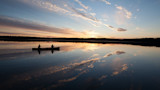
Public Lands & Waters
Mining Matters. So Do the Boundary Waters.

I’m a lifelong conservative, passionate hunter, and conservationist who believes in straightforward truths. One of those truths is that modern life depends on natural resources. Nearly everything we rely on—from pickup trucks, farm equipment, and roads to cell phones, medical devices, and energy...
David WillmsFeb 20, 2026
Read MorePlay Now
Hunt
The Wired To Hunt Podcast – Episode #61: 2015 Rut Predictions & Theories

Today on the show Dan and I are discussing a topic that all hunters love debating. The timing of the rut. To listen to the podcast, click the Play button in the orange bar above or click the links below to subscribe to the podcast through iTunes or Stitcher radio. Finally, if you’re enjoying the...
Mark KenyonJun 26, 2015
Read MorePlay Now
Hunt
Most Important Lessons Learned From Wired To Hunt Podcast #200
Words by Bob Polanic, Hybrid-Outdoors For Wired to Hunt’s 200th podcast episode, Mark did a panel discussion (much like the 100th episode) with three outstanding DIY hunters. He interviewed Andy May, Joe Elsinger, and Jesse Coots from Michigan, Iowa, and New York respectively. The episode was two...
Mark KenyonMar 6, 2018
Read MorePlay NowConversation
Save this episode