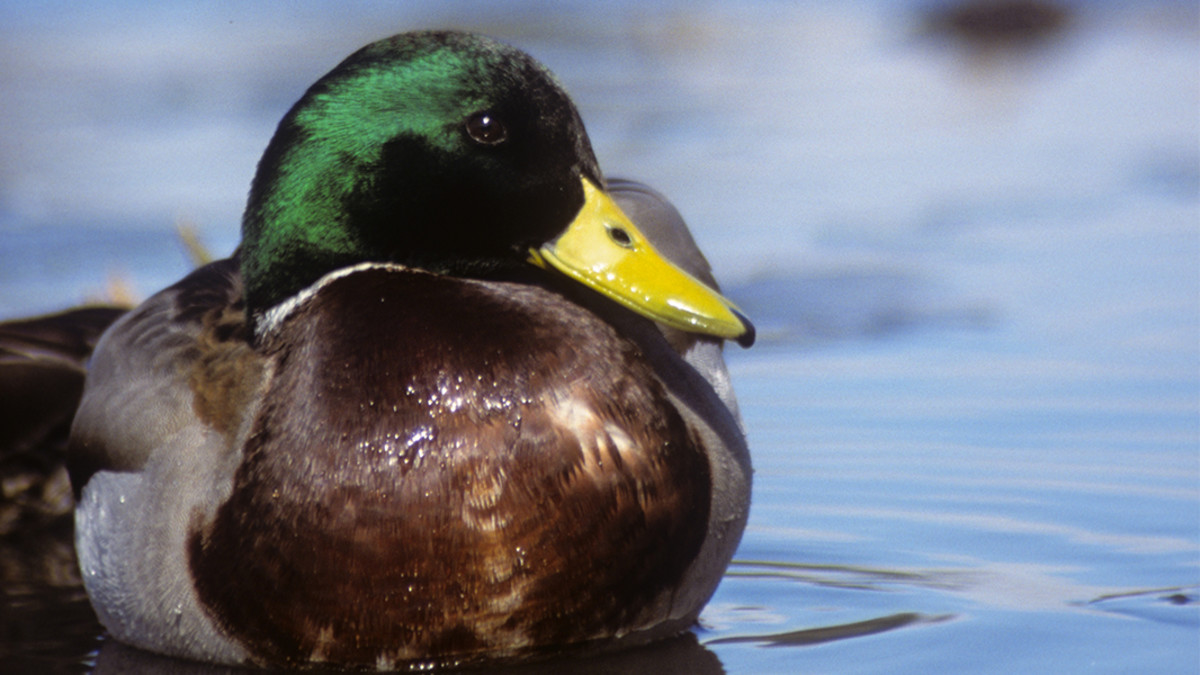

Duck hunting in North America usually means that mallards are the target species. A big flock of greenheads flying into a decoy spread instills excitement into the hearts of even the most seasoned duck hunters.
Mallards are the most common North American duck species, and the most commonly hunted. They can be found in most every state and are widely available through Canada and Mexico as well. Besides the ready availability of mallards, they are popular with hunters because of the relative predictability of their movements and the fine quality of their meat.
Scientific Name
Anas platyrhynchos
A.K.A.
Greenheads (males); Susies (females.)
Bar Room Banter
Since 1914, over 6 million Mallards have been fitted with ankle bands by waterfowl researchers; of those, over 1-million were killed by hunters who then reported the band numbers along with the date and place of harvest to authorities. This data has helped wildlife managers and other scientists understand the complex migratory patterns of North American wildlife.
Physical Characteristics
Males, or drakes, have iridescent green heads with a white ring on the neck and a yellow bill; back and wings are gray-brown; bellies are light gray; feet are orange. Females, or hens, are mottled brown with a light brown head and belly. Both drakes and hens have blue speculum feathers that are outlined in white. Mallards weigh upwards of 3 ½ pounds.
Habitat
Mallards can be found in almost any wetland habitat, including rivers, streams, lakes, reservoirs, prairie potholes, beaver ponds, farm ponds, irrigation ditches, flooded timber and crop fields, and urban park ponds. They breed throughout the northern U.S., Canada, and Alaska, and generally migrate southward when water sources begin to freeze. Huge numbers winter across the American South.
Diet
Mallards will eat a variety of aquatic plants and agricultural crops. During breeding season, they feed readily on aquatic protein sources.
Life and Death
All puddle ducks can fall victim to numerous dangers. A host of predators, including snakes and rodents, will steal eggs from nests. Avian predators, large fish, and aquatic and terrestrial predatory mammals will kill juvenile and adult mallards. Despite their substantial predator load, a mallard can live to be well over ten years old in the wild. (One captive mallard lived to be 27 years old.)
Breeding and Reproduction
Mallard hens typically nest in shoreline grasses or cattails, laying 1-13 eggs.
Telltale Sign
Look for feathers and tracks around shorelines and muddy banks.
Edibility
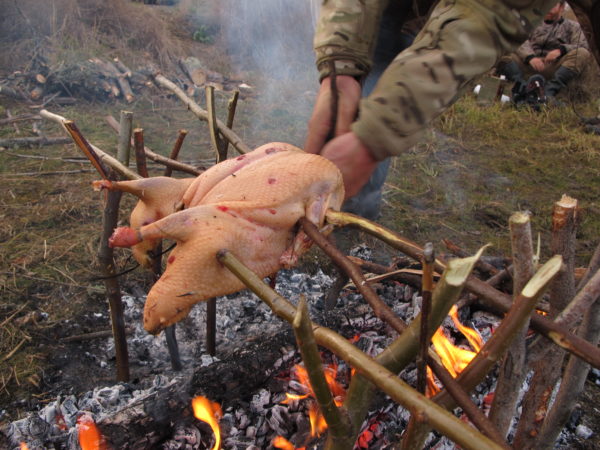
Excellent when cooked to medium-rare. Overcooked mallard has an off-putting livery quality.
Stay in the loop with The MeatEater Newsletter
Shop
Related
Ducks
A Basic Overview of Puddle Ducks
Ducks
A Guide to Hunting Teal
Ducks
Wood Duck Profile
The comments section requires Functionality cookies. Please enable Functionality cookies in Cookie Settings to view this content.