
Course
Small Bites
Duration
15 minutes
Serves
2+ as appetizer
I’m convinced walleye is thebest tasting freshwater fish. Some of the greatest evidence of this is that even my wife, who hates fish, will celebrate a meal of walleye. Their firm flesh and mild flavor is such a treat, I can’t abide by any meat wasted.
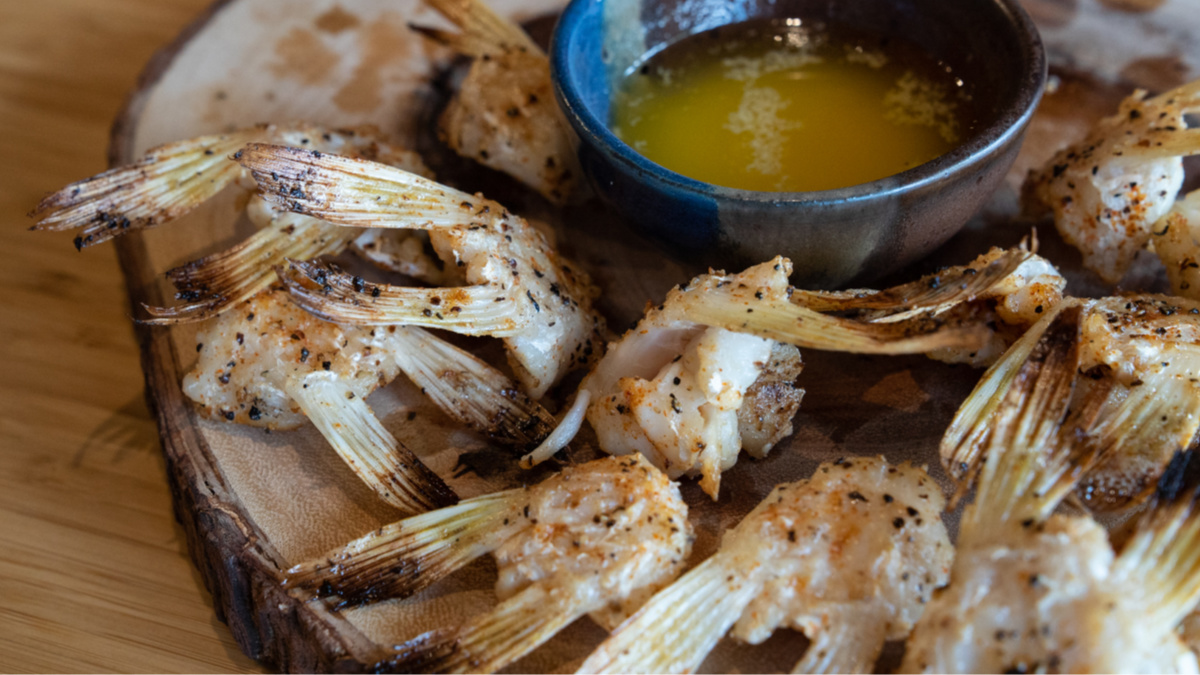
Most frugal anglers already know about cheek meat, which is the soft spot behind the eye where a scallop-sized piece of meat can be harvested. Fewer know about the belly meat hugging the pelvic fins, which I like to call walleye wings.
Walleye wings haven’t yet entered thelexicon of outdoorsmen. As far as I can tell, the idea of cleaning and eating these morsels of white meat originated in Canada, and has slowly bled down into the Dakotas and Great Lakes. It’s time for the rest of the country to find out about these cool, little appetizers.
Walleye wings can be prepared the same way you would fillets: grilled, baked, deep-fried, etc. The fins are basically nature’s toothpicks, but you can also eat them. As Ryan Callaghan put it, “They taste like fish-flavored potato chips.”
For a tutorial on how to remove the wings from the fish, check outthis video.
Ingredients
- 8+ walleye wings, skinned
- Cayenne pepper
- Salt
- Pepper
- Butter
Special equipment
Preparation
- Wash the meat and fins well. The fins will have some natural slime on them, so clean them off to remove excess fishy flavor. Pat dry when done.
- Sprinkle cayenne pepper, salt and pepper on each side of each piece of meat.
- Set your grill to medium-high heat. Brush each piece of meat with melted butter before placing them on the grill.
- Grill each side for about three minutes, or until the meat turns opaque and starts to flake. Brush the meat with melted butter after the first flip.
- Serve them while hot with a lemon garlic butter. To eat, hold each fin like it’s a toothpick and gently bite down in front of each fin. The meat is completely boneless, besides small blades of cartilage that are attached to the fins. When cooked correctly, the meat will slide right off of the fins and cartilage.
Sign In or Create a Free Account
Related

Recipes
Walleye Tacos
(0)

Recipes
Walleye En Papillote
(0)

Recipes
Spicy Walleye California Rolls
(1)Reviews
Walleye Wings
Course
Small Bites
Duration
15 minutes
Serves
2+ as appetizer
I’m convinced walleye is thebest tasting freshwater fish. Some of the greatest evidence of this is that even my wife, who hates fish, will celebrate a meal of walleye. Their firm flesh and mild flavor is such a treat, I can’t abide by any meat wasted.
Most frugal anglers already know about cheek meat, which is the soft spot behind the eye where a scallop-sized piece of meat can be harvested. Fewer know about the belly meat hugging the pelvic fins, which I like to call walleye wings.
Walleye wings haven’t yet entered thelexicon of outdoorsmen. As far as I can tell, the idea of cleaning and eating these morsels of white meat originated in Canada, and has slowly bled down into the Dakotas and Great Lakes. It’s time for the rest of the country to find out about these cool, little appetizers.
Walleye wings can be prepared the same way you would fillets: grilled, baked, deep-fried, etc. The fins are basically nature’s toothpicks, but you can also eat them. As Ryan Callaghan put it, “They taste like fish-flavored potato chips.”
For a tutorial on how to remove the wings from the fish, check outthis video.
Ingredients
- 8+ walleye wings, skinned
- Cayenne pepper
- Salt
- Pepper
- Butter
Special equipment
Preparation
- Wash the meat and fins well. The fins will have some natural slime on them, so clean them off to remove excess fishy flavor. Pat dry when done.
- Sprinkle cayenne pepper, salt and pepper on each side of each piece of meat.
- Set your grill to medium-high heat. Brush each piece of meat with melted butter before placing them on the grill.
- Grill each side for about three minutes, or until the meat turns opaque and starts to flake. Brush the meat with melted butter after the first flip.
- Serve them while hot with a lemon garlic butter. To eat, hold each fin like it’s a toothpick and gently bite down in front of each fin. The meat is completely boneless, besides small blades of cartilage that are attached to the fins. When cooked correctly, the meat will slide right off of the fins and cartilage.