California Reports Unprecedented Outbreak of Wild Mushroom Poisonings
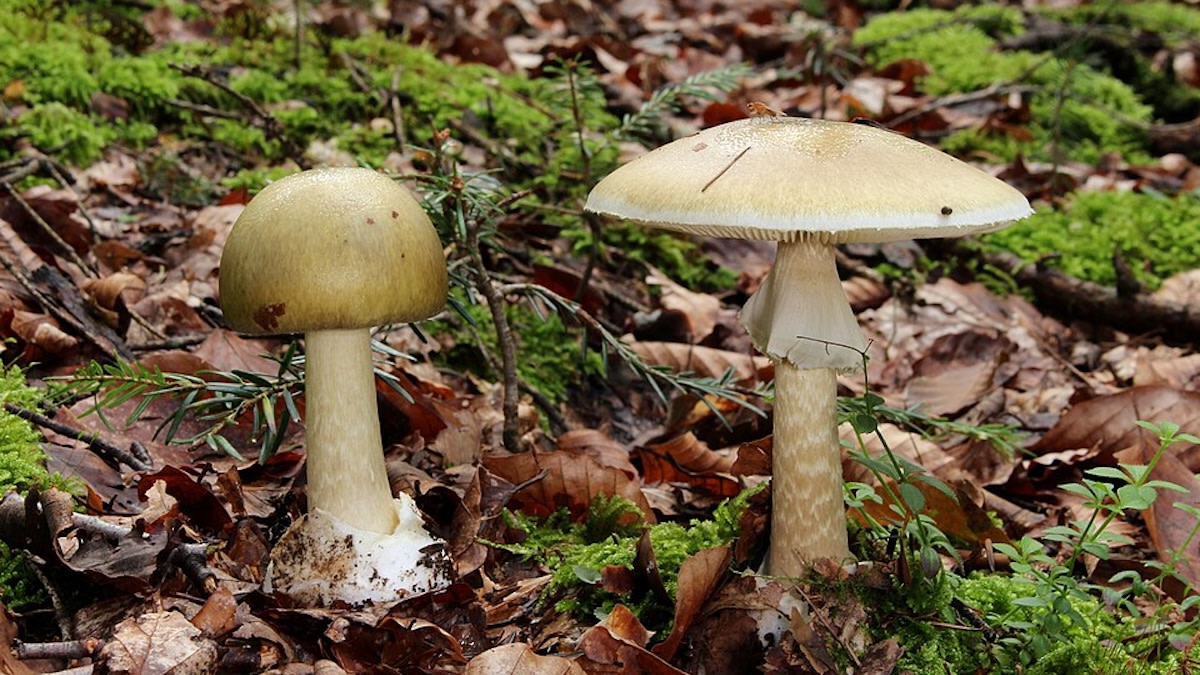

The Golden State is currently experiencing what experts are calling the largest known outbreak of deadly mushroom poisonings in U.S. history. According to a May 14 public safety bulletin from the California Department of Public Health (CDPH), there have been 47 wild mushroom poisoning cases since November 2025, resulting in the deaths of four people and at least four liver transplants. The cases were spread throughout 12 counties across California.
A CDPH spokesperson called the number of serious illnesses and deaths “unprecedented,” adding that the cases are associated with the consumption of amatoxin-containing mushrooms, such as death caps and destroying angels, along the central and northern coasts. In a typical year, the state only reports around 5 mushroom poisoning cases.
Death caps and destroying angels are some of the most well-known deadly mushrooms in North America, as they can rapidly lead to organ failure and death. In recent years, scientists have said that invasive death caps have been spreading in California’s Bay Area and competing underground with a choice edible: chanterelles.
This year, officials say the “amatoxin-containing mushrooms are unexpectedly blooming beyond normal seasonal expectations across parts of Northern California, Central Coast California, and Southern California following recent spring rains.”
The increased presence of the poisonous mushrooms may not be the only factor at play. The CDPH report shows that cultural and language barriers may also be an issue, considering that “affected individuals are known to speak Spanish, Mam, Mixteco, Mandarin Chinese, Ukrainian, Russian, and English, highlighting the need for multilingual outreach.”
Additionally, some experts are worried that the proliferation of AI-powered technology could be contributing to people misidentifying mushrooms; a recent scientific report found that “even the best-performing [AI identification] tool failed in almost 15% of cases, with others performing worse.”
It’s not clear exactly which mushrooms people have been confusing death caps and destroying angels for, though they can be somewhat similar in appearance to matsutake, Amanita vernicoccora, small puffballs, buttons, and more.
Amid the ongoing outbreak, officials are urging caution. “Avoid picking and eating wild mushrooms or eating food prepared with wild mushrooms while risk of amatoxin poisoning is high,” read the CDPH bulletin. “If you do participate in ‘mushroom hunting’ or foraging, rely on local expert knowledge for identification rather than apps or websites. Foragers are encouraged to document mushrooms consumed with informative photos and location information.”
Feature image of death cap mushrooms via Wikimedia.
Shop
Sign In or Create a Free Account
Related
Foraging
California Reports Unprecedented Outbreak of Wild Mushroom Poisonings

Wildlife Management
California Considers Dropping 3,000 Pounds of Poison on Infested Islands

Wildlife Management
Mail Carrier Accused of Killing Aggressive Wild Turkey with Stick

The comments section requires Functionality cookies. Please enable Functionality cookies in Cookie Settings to view this content.