How Texas 'Ghost Wolves' Could Shape the Future of Red Wolf Recovery
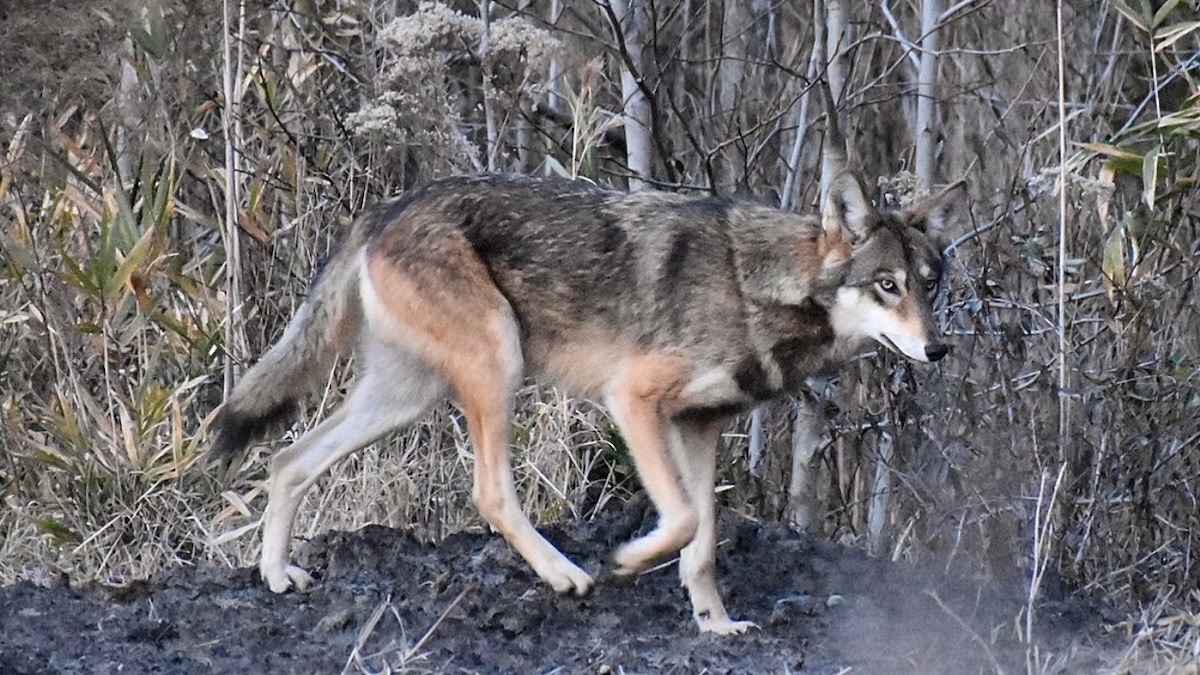

Along the upper Texas coast, about 50 miles southeast of Houston, sits Galveston Island, a barrier island better known for its beaches, marshes, and migratory birds than large predators. Yet for years, residents reported sightings of unusual wild canids roaming the island.
It wasn't until 2008 that local resident and former fisheries biologist Ron Wooten took a closer interest in the island's canids. After one of the animals killed his pet dog, Wooten began documenting sightings and asking neighbors to report encounters. While most people assumed the animals were simply coyotes, Wooten couldn't shake the feeling that something was different about them.
“They just didn’t look right,” Wooten told the New York Times. “I thought at first that they must have bred with Marmaduke or something because they had super-long legs, super-long noses.”
The more animals Wooten observed, the more he began to suspect they were not typical coyotes. Their unusual size and appearance led him to wonder whether they could be red wolf-coyote hybrids, or perhaps descendants of the red wolves that once roamed the Texas coast.
So what are red wolves? Once found throughout much of the southeastern United States, the red wolf is one of North America's most endangered canids. By the 1970s, habitat loss, predator control programs, and hybridization with coyotes had pushed the species to the brink of extinction.
Between 1973 and 1980, scientists with the U.S. Fish and Wildlife Service captured what were believed to be the last surviving wild red wolves from coastal areas of southeast Texas and southwest Louisiana in an effort to save the species from extinction. In 1980, the red wolf was officially declared extinct in the wild. Of the 17 animals captured, 14 ultimately became the founders of a captive breeding program that still exists today.
Conservationists achieved a major milestone in 1987 when captive-born red wolves were reintroduced into the wild at Alligator River National Wildlife Refuge. While the population eventually grew to more than 100 animals, the species has experienced significant declines in recent years due to vehicle strikes, illegal shootings, and continued hybridization with coyotes. Today, it’s estimated that fewer than 25 red wolves remain in the wild, all within a closely managed population in coastal North Carolina.
Despite his suspicions, Wooten struggled for years to find researchers willing to investigate the island's unusual canids. The idea that red wolf genetics could still persist on the Texas coast decades after the species had been declared extinct in the wild seemed far-fetched to many experts.
Eventually, Wooten connected with Bridgett vonHoldt, then a researcher at Princeton University. Wooten provided tissue samples from two road-killed canids collected on Galveston Island, giving researchers their first opportunity to test whether the animals were truly different from ordinary coyotes.
The results were surprising. After comparing DNA from the Galveston canids to that of coyotes, red wolves, gray wolves, and eastern wolves, vonHoldt and her colleagues found that while the animals were primarily coyotes, they also carried substantial red wolf ancestry. Roughly 30% of their genetic material could be traced back to red wolves, suggesting that genetic remnants of the species had persisted on the Texas coast long after scientists believed they had disappeared from the wild.
Researchers also discovered something unexpected. The Galveston canids carried unique traces of red wolf DNA that were not found in the other wolf and coyote populations included in the study. The finding suggested that genetic material from the original Gulf Coast red wolves may have survived in these animals, despite the species having been declared extinct in the wild decades earlier.
“They harbor ancestral genetic variation, this ghost variation, which we thought was extinct from the landscape,” vonHoldt said. Hence the name “ghost wolves.”
The Galveston discovery was not the only evidence suggesting red wolf genetics had survived along the Gulf Coast. In 2018, a separate study examining wild canids in southwest Louisiana found several animals carrying significant red wolf ancestry, including one individual whose genetic makeup was estimated to be between 78 and 100% red wolf. Together, the findings suggested that remnants of the species may have persisted in wild Gulf Coast canid populations long after red wolves were believed to have disappeared from the region.
So what does this mean for red wolf recovery? One of the biggest challenges facing the species today is a lack of genetic diversity. With the entire captive population descending from just 14 founding animals and fewer than 25 red wolves remaining in the wild, maintaining healthy levels of genetic variation has become a major concern for conservationists.
The discovery of red wolf ancestry in the Galveston canids and other Gulf Coast populations could provide a potential solution. Researchers believe these animals may harbor genetic variation that no longer exists within the modern red wolf population. If those genes can be safely incorporated into future recovery efforts, they could help increase genetic diversity and improve the long-term health of the species.
Scientists have proposed several possibilities, including carefully breeding red wolves with canids carrying high levels of red wolf ancestry or using advanced reproductive and genetic technologies to reintroduce lost genetic material into the population. While such efforts remain largely theoretical, the discovery of the Gulf Coast "ghost wolves" has given conservationists something they thought was gone forever: another source of red wolf genetics.
The Gulf Coast Canine Project notes, "Hybridization was once thought to be the greatest conservation threat to the red wolf, but now historic admixture may be key to their recovery."
Feature image of red wolf in Alligator River National Wildlife Refuge via USFWS.
Stay in the loop with The MeatEater Newsletter
Shop
Related
Wildlife Management
How Texas 'Ghost Wolves' Could Shape the Future of Red Wolf Recovery
Wildlife Management
More Red Wolves Are Coming to the East Coast


Wildlife Management
Elk Feedgrounds Could Help Bears and Wolves More Than Hunters
The comments section requires Functionality cookies. Please enable Functionality cookies in Cookie Settings to view this content.