Alabama's Black Belt Prairie Gets $17.5 Million for Habitat Improvements
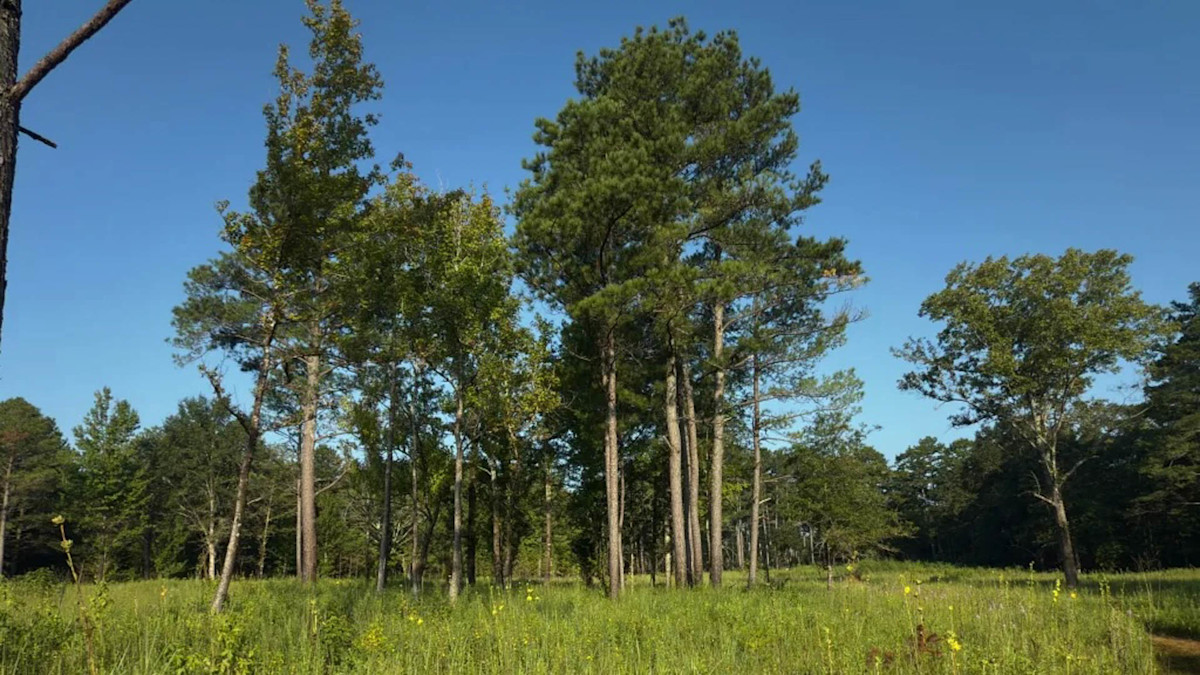

The Alabama Soil and Water Conservation Committee (ALSWCC) has received a $17.5 million grant through the USDA’s Regional Conservation Partnership Program to support a new five-year restoration effort focused on Alabama’s Black Belt Prairie ecosystem. Although the funding was approved in 2025, the initiative is now beginning to move into on-the-ground habitat work across the region. As habitat loss, changing land use, and declining grassland ecosystems continue to affect wildlife across the region, programs like this one come as welcomed news.
So what is the Black Belt Prairie? Stretching across 19 counties of central Alabama and neighboring states, the Black Belt is a historic native prairie ecosystem named for its dark, fertile soils. Before much of the region was converted to agricultural land, this grassland supported an abundance of wildlife, endemic plant species, and some of the most diverse habitat in the South.
Today, the remaining prairie and grassland habitat still provide important cover, forage, and nesting areas for wildlife across the region, though only a fraction of the ecosystem remains compared to its historic range. Species such as bobwhite quail, wild turkey, and white-tailed deer continue to benefit from the habitat that survives today. The quality of that habitat is reflected in Alabama’s hunting regulations as well, with many counties within the Black Belt designated as “three-buck counties,” the area is known for producing prime deer habitat and quality white-tail hunting opportunities.
According to Yellowhammer News, “Over the next five years, ALSWCC will work with producers and landowners to restore 8,000 acres of prairie through cost-share assistance, technical guidance, and conservation planning.”
So what does that actually mean? Rather than relying solely on state agencies much of the restoration work will be carried out by the people who live and work on the land every day. Through cost-share programs and conservation assistance, landowners and agricultural producers can receive financial and technical support for managing their property in ways that restore native prairie habitat while still keeping the land productive.
The initiative includes 29 approved conservation practices designed to improve prairie habitat, soil health, and overall land management across the region. Some of the practices include brush management, herbaceous weed control, prescribed burning, wildlife habitat planting, upland wildlife habitat management, livestock production limitation techniques, and nutrient loss reduction practices.
Many of these conservation methods are commonly used to improve forage diversity, increase native grass cover, and ultimately create better wildlife habitat throughout the Black Belt while also helping reduce erosion, limit nutrient runoff, improve water quality, and maintain long-term productivity on working agricultural lands.
Ashley Henderson, Assistant Executive Director of ALSWCC said “Some acres will return to productive grazing; others will be managed as wildlife habitat or outdoor recreation areas, each will demonstrate how prairie restoration can support families, wildlife, and local economies.”
For hunters and conservationists alike, the project represents more than just prairie restoration. It is an investment in the future of one of the South’s most productive and historically important landscapes for wildlife. Much of Alabama’s best deer, turkey, and quail habitat exists on private land, and initiatives like this place the responsibility, and opportunity, for conservation directly into the hands of the people who manage it daily. This effort aims to preserve not only the landscape itself, but the hunting traditions, rural economies, and wildlife populations that depend on it.
Feature image via The Bama Buzz.
Stay in the loop with The MeatEater Newsletter
Shop
Related
Conservation News
Alabama's Black Belt Prairie Gets $17.5 Million for Habitat Improvements

Manage
Summer Habitat Improvements for Whitetails

Manage
Manipulating Habitat In The Hunt For A Single Specific Buck

The comments section requires Functionality cookies. Please enable Functionality cookies in Cookie Settings to view this content.