Will Technology Ruin Deer Hunting in the Future?

As an admitted bass geek, I paid somewhat close attention to the latest Bassmaster Classic, which was held on the Tennessee River earlier this year. A relative newcomer to the scene, Dylan Nutt, took top honors in that prestigious tournament with a three-day bag weighing nearly 67 pounds. The win earned him a cool $300,000, and solidified his place amongst the most talented anglers in the world.
His win was predicated on a true understanding of how to use forward facing sonar, the latest iteration of the good old depth finder. This technology, which allows anglers to see and target fish that are out in front of their boat, is incredible. So incredible, in fact, that many anglers believe it’ll threaten fisheries once the cost comes down and the average weekend warrior gets ahold of it.
I share those concerns, and wonder what the future holds for fishermen. Especially those who target muskies, or catch-and-keep species like walleyes and panfish. State Game agencies across the country are actively looking at this issue as well, and there are whispers in the fishing sphere of scopin’ restrictions or outright bans.
Outdoorsman face issues like this on the water, and of course, in the woods. Deer hunting, and big game hunting in general, has its own technological divide. Cell cams, drones, and the increasing array of weaponry allowed all enter the conversation and as quickly as any political statement, divide us into factions. Some of this tech has already led to the creation of new laws.
Western Lands & Camera Bans
Five years ago, Arizona banned the use of trail cameras statewide. Officials ultimately argued that trail cams, and how hunters and outfitters use them, are deleterious to the resource and the pursuit.
Montana implemented trail camera usage restrictions, and so have Utah and Nevada. A few years ago, Kansas banned them on public land, and more recently, the state of Idaho passed House Bill 939, which prohibits hunters from using night vision optics, drones, thermal imaging, and cell cameras throughout the fall hunting seasons.
The arc of the trail camera highlights what happens to a lot of technology as it develops over time–they start out big, clunky, and pretty cumbersome. Trail cams used to be giant units, which ran off of D batteries and housed an actual disposable camera, like the ones folks used to leave on tables during weddings so guests could capture the night’s candid moments for the freshly minted couple.
Over time, the cameras got smaller, the use of physical film disappeared, and you can now receive images on your phone just seconds after they’re taken, thanks to a convenient antenna mounted on the camera.
I first ran across a cell camera at a booth during the ATA Show a long time ago, and one of the reps for the company explained to me that he used them to find strutting toms in the spring once the morning gobble-fest fizzled out. I remember thinking that I hated just about every part of that conversation. I also had enough foresight to realize that this was probably going to become a huge category for all hunters, especially whitetail hunters.
Guess what, it has. Now, it’s to the point where we are seeing backlash on their usage. But the genie is out of the bottle, and it’s hard to imagine a world where cell cameras are banned in much of the whitetail-dominated regions of the country–especially on private land.
Rules for Thee
A lot of the debate around technology in the deer space revolves around fair chase. While codified into law in certain ways, fair chase is a moving target. In Kansas where cameras were banned on public land, hunters can still use cell cameras on private land over a pile of corn or on a feeder. It’s hard to argue fair chase in that case, when it only applies to folks who don’t have a lease, own land, or are lucky enough to have permission on private ground.
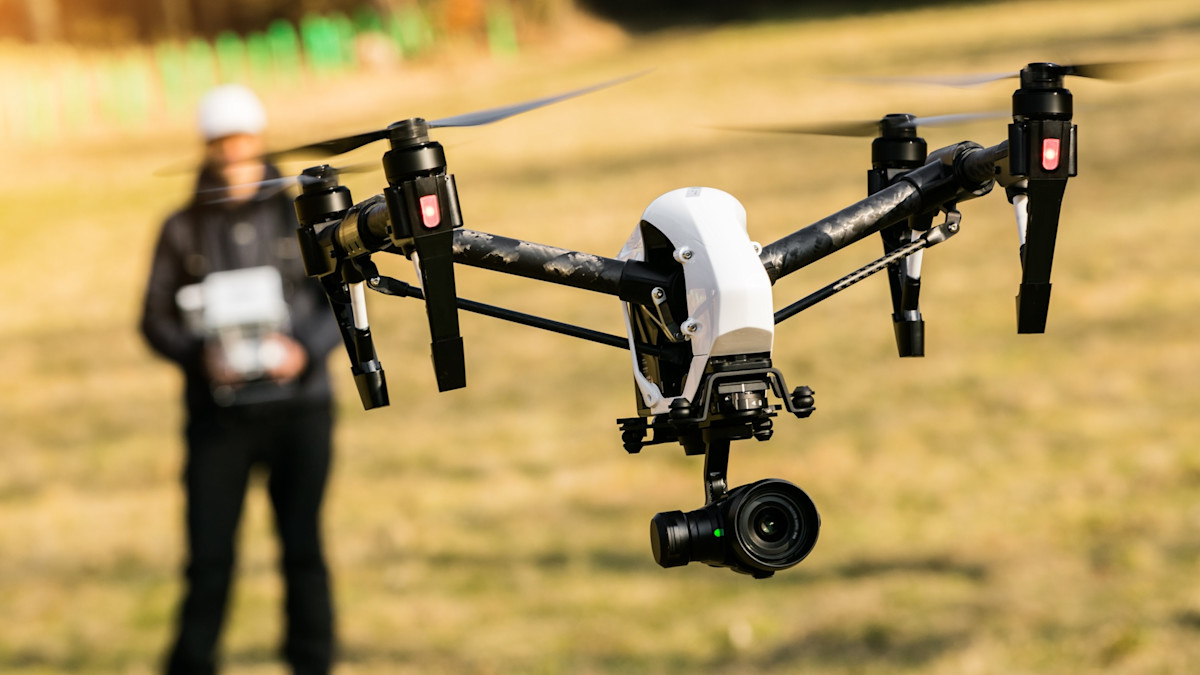
It’s not just cell camera enthusiasts catching all of the strays these days, either. Drones are a big topic as well, as their general price comes down and usage goes up. Like most technology, drones can prove to be a huge asset to a hunter who is on the verge of losing a mortally hit deer.
But drones can also be used to locate deer and pattern deer, with zero effort. This next-gen surveillance tool is ripe for bad actors to use to gain an unfair advantage over a critter that couldn’t possibly understand the new level of predation he’s being subjected to. Some states have gotten ahead of this issue, with others sure to follow. The same goes for thermal imaging.
The big question with current and future technologies is where (if anywhere) does it end?
The March Toward Easy
Hunters are masters of painting their preferred pursuits as challenging, while also working as hard as possible to remove most of the challenges. The hunter who grows deer and babysits them until they make the hitlist, will tell you that the real challenge is targeting only mature bucks, which glosses over the reality of creating ideal food sources, 24/7 monitoring with cell cameras, and a hunting style that often involves hiding in a comfortable elevated box blind.
The diehard public land hunter will use onX religiously, cameras if he can, and then a couple thousand dollars worth of gear including high-tech clothes, carbon-fiber sticks, a tree saddle, and really anything that can provide an edge. We accept all of this, because it’s just a part of the modern deer hunting game.
But are we going too far? On a broad scale, this can generally be measured by technology and its impact on the resource. If something comes out that increases the harvest noticeably, or would very easily turn nonhunting public opinion against us, it’s probably worth debate.
On a personal scale, it’s a different story. We draw our own lines in the sand. I’ll give you an example here, which involves my teenage daughters. They shoot crossbows, which is about as close to a vertical bow as I am to a skilled breakdancer. I have zero interest in hunting with that crossbow, but have zero problem taking my daughters out to hunt with it.
This is how personal hunting convictions, or whatever you want to call them, have always worked. Where you land personally depends on what you want from deer hunting, but where hunters land as a whole with these issues is a different story. One that will keep being written, and rewritten as new and more effective technology hits the scene.
Stay in the loop with The Wired to Hunt Newsletter
Shop
Related
Gear
Will Technology Ruin Deer Hunting in the Future?

Gear
Why Hasn’t Technology Greatly Impacted Deer Hunting Success?

Gear
Embrace the Latest Technology in Trail Cameras to Kill More Bucks
The comments section requires Functionality cookies. Please enable Functionality cookies in Cookie Settings to view this content.