Wired To Hunt
Ep. 317: Our Backcountry Boundary Waters Whitetail Hunt
Play Episode
1h20m
Today on the show we are finally recapping our epic backcountry canoe-in whitetail hunt in the Boundary Waters Canoe Area Wilderness of Northern Minnesota. And we hear from Lukas Leaf, of Sportsman for the Boundary Waters, about the current threats to this landscape and what we can do to help.
Connect withMark KenyonandMeatEater
ShopMeatEater Merch
Seeomnystudio.com/listenerfor privacy information.
00:00:02 Speaker 1: Welcome to the Wire to Hunt podcast, your home for deer hunting news, stories and strategies, and now your host, Mark Kenyon. Welcome to the wire to Hunt podcast. I'm your host, Mark Kenyan, and this is episode three seventeen to in the show, we are finally recapping our epic back country canoe in white tail hunt in the Boundary Waters Canoe Area wilderness of Northern Minnesota. All right, welcome to the Wired to Hunt podcast, brought to you by on X. Today we're throwing it back to late October and the story of my back country big woods canoe in whitetail hunt in an incredible swath of land called the Boundary Waters. Now, this is a stretch of one point one million acres of public land. We're talking rocky ridges, thick woods, crystal clear lakes and rivers that is designated as a wilderness area, meaning there's no development here at all, no roads, no motorized vehicles allowed, no nothing, just you, the wilderness, the water, and the critters. That's the kind of white tail hunt I wanted to try to have this year and finally I did it, and wow, was it a hell of an experience. So today we've got the recap of that hunt with myself and my three hunting buddies that joined me for this trip. So we're gonna hear that whole story, and then we have a second part to this podcast too, And the reason we're having that is because I was originally intrigued by this area, the Boundary Waters, because of a whole big controversy that's been brewing around it over the past few years. There is this series of very risky sulfide or copper minds that have been proposed to be put in right on the edge of the wilderness area, this very watery landscape, and it's going to present a really really serious thread of pollution that could damage that watershed and could threaten the wild life and the water that so many people have come to love. So I've heard about all this, but I wanted to see it for myself. I wanted to understand what was up for grabs here and then see if we could learn a little bit more about what we can do to help protect this place. So after you hear about our hunt, we're gonna be joined by Lucas Leaf. He is the executive director for Sportsman for the Boundary Waters and He's going to help us, you know, learn a little bit more about this controversy and what we as hunters and anglers can do to help keep this place intact and healthy. And trust me on this one is a place worth seeing and saving. So without further ado, let's take one quick break and then we'll get right into the story of our wild and challenging boundary waters White Tail Adventure. Do you feel at all ostracized because you were the new person that's part of the group. What's ostracized? Oh? Here we go, here it is, it starts, it begins. That was this guy in the podcast once I think you all were there. Ostracized means like you feel left out or shunned or disrespected. Yeah, no, I don't feel ostracized. Good. Well, then introduce yourself. My name is Charlie Williams Um from Michigan. I met Mark last fall to take pictures of the Buckey shot called Frank and I work at General Motors. The last six weeks, I've been traveling around the West. Been in Bozeman, Montana for the big chunk of it, linking up with people to take pictures of those hunts I've been on for elk hunts, a mountain, goat hunt, antelope hunt, quail hunt, white tail hunt, and then met up with Mark in the Boys out here at the Boundary Waters in Minnesota. So I have so many questions for you, but I want to just finish our quick introductions before we get into that, because your your journey into the feral state you currently live in is worth touching on. But continuing around the clock. Where you have next? Who? Andy Bradley, I'm from Michigan to uh, friend of Mark's. We've been hunting out west a few times together. I don't live too far from Mark, so he's usually uh one of the first ones that I call when I shoot a big buck, I guess, so it doesn't happen very often. Once every ten years. Last we've got a new character. You guys have not heard from him before. You might call him brown Bear. You might call him stick fish, you might call him wormy water, or you might call him further Josh Hilliard. Yeah, do you do? I need an intro to alright? Just in case they're from Michigan. Work for q d M. A. Um been friends with Mark for a long long time. Um hold on well second grade, second grade second grade. Can you believe the second grade? Second grade? That's back when they were in a yoga club together. But when you get into that later, we were actually seven. We weren't fourteen, and looked like we were seven. We were actually seven. You guys should see this picture of Chuck, which I'm glad he did it because I was going to. He doesn't want to be called Chuck. No one else can call him Chucky stars a freudy to slip. Charlie showed us a great picture of his first buck. Your first Your first buck was a really impressive deer. You never really did tell us the story of how you patterned that deer. We're gonna talk about our boundary wires hunt here shortly, but I think before we talked about the boundary wires hunt, can you give us the cliff notes version of how you patterned and killed such a great buck when you were seven years old. Yeah. Um, I've been hunting this buck all bow season and there was just these two fence rows that met, so I always sat on the corner. Well, this buck he'd come out of the woods and there was just a certain spot in the fencer that he'd always cross, and this was when I was younger and didn't know as much, and was like, man, he keeps crossing there. I need to put a stand up. And it was almost gun season. So I put the stand up a week before. I never got a chance to hunt it. And then opening morning comes around and a good buddy lived on the road. I went to his house for breakfast at Buscus and Gravy, Well, I was all. I was all pumped up, ready to go shoot this buck, and knew it was the day shooting a single shot twenty gage with a beat on the end. So I get out there super early, freezing, and then right right before shooting light, I hear some sticks snapping. He comes through the fence row walks fifteen yards away, see his outline and see the rack smoke him. That's it. That was it. I don't know. I would expecting more. What were you what were you hoping for? I don't know. I just thought it was gonna be some back and forth, some heartbreaks, some upside down. There was some heartbreaks, I'm you know. But right before I had that stand up, he was working down the fence road towards me, and I was I had my bow in my hand and I was just shaking and he was working some does and they just they cut through the fence row and I was just like, man, I needed never never panned out how I wanted it to, because it really wanted to shoot him with a bow. But I'm still happy we got it done. Yeah, that's cool. This was a great buck great picture too. It brought us a lot of joy. Uh. So, we had just got out of the boundary waters. We spent the last week or so paddling into what is one of the most visited, most special wilderness with a capital W areas in the United States. For those that are not familiar, there's like the generic wilderness, like you talked about going out in the wilderness and that's kind of like a wild place. But then there are actually places that are designated wilderness with a capital W, which is something that as actual and actual designation by the government that gives this area a certain set of protections above and beyond your typical public land. So you've got different categories. You've got stuff like national parks, which are you know, managed for primarily human recreation and use. Then you've got places like national forests, which are very multiple use where you've got logging and mining and recreation and the protection of watersheds and wildlife and all these different things. You've got BLM lands, which are similar with the multiple use philosophy, um. But then you have these wilderness areas. This came around in the mid nineties sixties UM when essentially there was this idea that there are some places out there that deserves a special extra level of protection to make sure that you know, decades from now, when development continues, things continue to get bought up, dug up, whatever, that there will still be a few last vested hig is of untouched land, stuff that still looks like it did three years ago. This still has wildlife that still has the ability to go into it and and here silence to go into it and not see lights and cars and people everywhere. So this law, the Wilderness Act, was passed. It created this system to protect these places, and the Boundary Waters was one of those places. One point one million acres protected in the Boundary Waters Canoe Area Wilderness, which is where we're just at um so originally, and Chuck and Andy are not paying attention at all. They're sitting in the front seat winking at each other. Like the last six days. This beautiful guys, Yes, we love it. Stop saying that. So So that's where we've been. And you know, originally, was was intrigued by this place because there's so much interest. There was so much talk over the last five five years or so at least that I was picking up on about certain threats to this wilderness area. Was intrigued, wanted to learn more about this place that so many people seem to care about. So last year said, you know what, We're going to go and do a deer hunt in the boundary waters and made this plan. My buddy Andy Bradley says, I'm in. We're gonna do the trip. We're all set to go, and then I don't know, in October, first week of October or late September or something, and it's like, ah, man, I can't do it, and why did you bail? You bailed, Andy bailed. It's the first time you ever bailed on me too. I don't know if i've I've kind of went over this, but I go by feel you weren't feeling it. No, I wasn't feeling you know, someone us get to live the feral lifestyle, like my friends sitting next to me here, Charlie. But I have to make money and stuff, and I don't get to do it on the road, so I had to choose. As much as I hate to say, I had to choose employment over leaving. So are you glad you left? Um? I don't even work there anymore, So no, I wish I would have went, but I wouldn't have got to meet you because and how I got to go there. We're all worked out, so yeah, and Hey, couldn't do it last year, so we didn't do it this year, rescheduled it and we did it. Um. So let's start here with a little bit of background around what happened leading up to the trip. I will be the first to say that Josh did a ton of the vast, vast majority andy andy planning things ahead of time. I've been running like crazy. He had a hard time focusing on any major planning like this, So I said, hey, Josh, do you think that's something you might be able to take on? And you did. You ran with it, did an awesome job. Um, do you want to give us a brief recap of how you went about trying to plan a trip like this, because I think that's one of the main things that people maybe get a little intimidated about when they're thinking of trying an out of state major destination wilderness trip, Like this is how the heck do you get started? Can you give us a quick rundown of what you did? It's pretty dawning, um, daunting tasks to try to put all that together, because you started looking at the maps and seeing all this stuff like she's already even start one acres and it all looks like very similar stream. Yeah, yeah, like big big Northwood stuff. Um. So luckily Mark gave me some some people to to talk to and kind of got me pointing in the right direction. And that kind of took it from there. And I talked to a number of different people that have spent time up here, that I've hunted up here, that I've just you know, spent time here in the summer, um to try to get me pointed in the right direction. So UM talk to several different people, kind of had i don't know, maybe five areas picked out, um that we should check out for deer hunting. UM looked at him on maps, kind of started narrowing them down just from a from an access standpoint of what we could get into relatively easily, um for a couple of first or a few first timers coming up here. Um. So then we had it down basically had it down to people are too let's let's let's rewind just a little bit. Tell me if I'm wrong here, But but the types of people you reached out to. You reached out to other hunters, you reached out to some conservation organizations, you reached out to some outfitters like folks that are dealing people coming in and out, in and out and out. And you reached out to a biologist too. Right. I talked to one of the biologists here in Minnesota and they do a lot of the studies and where the deer are at, and yeah, we're not to go so all that kind of let make sure that wherever we went, there'll be lots of deer. Um. So so yeah, that that's just I think a key point for people to keep in mind, Like there's all sorts of people you can talk to many times will be quite helpful at least in giving you some general information. Like you said, we had now a handful of different ideas like check out this region, check out this region, check out this region. If you hadn't done that. One of the major spots I was curious about was on the total opposite side of the of the wilderness. There was a place where it was a big burn. I thought, well, that would be cool. I bet you there'd be some activity around there. But come to find out, there's very few white tails over there at all, mostly moose. Um. So that was a great thing that we wouldn't have known if you hadn't talked to these folks. Yeah, it was just got a ton of help from numerous different people of um, different backgrounds that kind of got us pointed in in some decent directions and then kind of just went from there and picked out a spot. And when we got to the canoe outfit or to get our canoes and who do we go Northwood's outfitting we go. Um. They were a huge help, big time help, and it took a lot of time with us even then the day that we got here and kind of looking at maps and we kind of made a last minute because in time decision of a different spot to go. Yeah, I think that we need to provide some context as to what this area is like, how you're moving around, how you're getting things done. The way it starts, you have to pick an entry point into the wilderness, and then you are typically going to be canoeing a river or a lake, and then you're gonna basically use rivers and lakes as highway to get from place to place to place. And then in between waterways there are something called portages, which are essentially just trails that connect you to the next water source. And so what we were trying to figure out was, all right, how far can we get or which regions can get to with our canoes with all the gear we're taking in, Um, how difficult these portages? I know there's some resources online that gave you some INNTEL there there are some great resources online websites that show you pictures and give you difficulty ratings and all that kind of stuff. To still feel like the guy we talked to Adam, I think was he was more helpful there in personally actually tell you that one YEARNA have to go over some steep cliffs or whatever, and you might not want to take that with with all your stuff. Um, so that was good, and we went in heavy. We had a lot of stuff, so we had to be pretty mindful of that. Yes, let's talk gear. So we just prior to our hunt, a big storm had pushed through northern Minnesota and the northern Great Plains and so others. So as we snow and way and rain and really nasty, and so when we were packing, like in a couple of days ahead of time, I know, we were all thinking like, man, it's gonna be cold and nasty and wet. So like I had heavy like rain gear and cold leather gear packed, and we uh, we had I guess prior to this, we've even talked about this. But we've got a wood burning stove and a wall tent that we were able to rent and use. So we had a wall tent. It was a pretty cool small a frame wall tent. We had a small packable we're burning stove. We had two canoes, and all those things we rented from parags Umgress. I was always gonna say paro um And so we got all that gear from them. And then as far as our own equipment, we each brought our bows, we each brought a cold weather sleeping bag, sleeping pad, UH, backpacking cook stove, UM, fire starting equipment, UH food for the however long it ended up being that we're in there. Um boots, boots, two different pairs of boots, like rubber boots and boots, right, because getting it out of the water, we didn't know what that situation was going to be like. So Andy and I brought it like hip waiters. You guys had knee highs um all your basic honey equipment. We had a strong debate about whether or not we should bring like our saddles and sticks in or not if we would need that. Um. So we brought a couple of saddles and a couple of sets of sticks, but not all of them. Fishing gear, fishing gear? What else? Bows, bows and arrows? Uh? Oh? And Andy Broder shotgun, a little four ten packable shotgun which was clutch. So that's what we packed in with. Um. We set out to the entry point, got the canoes out there, got loaded up, and start paddling in. Before we got started, where was everyone's heads at? Where we're Josh? When we were unloading all of our equipment. Me and Andy know that Josh was back and forth, back and forth circles looking at this gear. Uh what were you thinking about? Like, I'm just anxious, Like I haven't done a trip like this, Like I spent some time on the water, but not like not paddling all this gear across lakes and rivers and portaging it. I just I just had some anxiety leading up to it, like what we're actually getting ourselves into? Andy? Um, it was kind of I don't want to sound like you know at all, but like it was exactly what I was hoping it would be like when we got there, until we got to some of the portages, wasn't ready for that, but it was exactly just the layout in the way the water, like little slow moving rivers between lakes and things like that. It was just I was. I was ready for it when we pulled in. I was ready to get in there. What do you think, Charles, you came into this with you weren't as involved in with most of the planning, and you're you're kind of tagging along on a lot of different trips and just joining people and and you know, enjoying the experience and documenting a little bit. Where was your that, man? I think the whole time I've just been going into everything with open mind and just ready to see and experience everything to its full capacity. But when we got here, I really like the landscape driving in and the water was what, like Andy said, everything I hoped it'd be. But I was a little paranoid about canoeing and worried about having all the camera equipment, hoping we wouldn't flip it. But that didn't happen. But we tried. Yeah, oh man, we were close. I wouldn't say we, I would say one person's right, but we did manage not to and that wasn't That was a little bit concerned about too, like, especially since the last time I was in the canoe was on the river in Montana. I flipped the canoe in the middle of winter and soaked myself. Yeah, we came up with we brought two way radios in case there was in some emergency, and we had to decide what everybody's call name was. And right off the bat, everybody this did that tippy canoe was perfect. From Mark and then Josh, we decided to call brown Bear because he can't discern between grizzly bears and black bears. It's just uh, we never really did ever come up with what yours was? Andy, No, well, I think it mouth breather. That one was that one whisper yeller. Yeah, but loud talker. It's not that funny when it's that true, you know. And I'm out there yelling in mouth breathing and stuff. The photographers like, hey man, you really do breathe with your mouth open. I'm like, I thought I told you that. Like it's like all those shots are ruined because your mouth's open. Oh man. Um. So the two Way Raiders didn't end up being used very much so anyways, because no one ever turned him on, although they did scare us one night. Okay, we're getting ahead of ourselves a little bit with that one. Um. But yeah, So we got in. We found this entry point we thought would be an easy, relatively easy one to get to. It give you access to a number of different lakes that we could go explore, um and seemed like a nice way to dip our toe in. UM. So we can kind of fast forward. We got in there, set up camp, set up the A frame, waltend Uh started fishing. Well that first night. Did we fish a little bit that first night? I think so. I think we got a late afternoon or early evening maybe. Yeah, we definitely fished from the shore that night, late evening, I guess, and yeah fish from the shore. No fish caught that night, right right. Um, we kind of scotted a little bit around. We're getting firewear right off to get and we found I found a buck rob up on top of the hill. Oh yeah, yeah, yeah. So we were like high five in we would but we did it. We found we found the deer. It's gonna happen. It gonna happen easy. Next morning. Uh, really early in the morning, we all had said, like leaving to the trip, we just want to have at least a morning or two we sleep in, just relaxed a little bit. We're so hectic and busy all the time. And usually the huns, especially that I drag you guys a long form, usually cracking the whip and really annoying about it. We're like, no, this time, we're gonna relax, And like five third in the morning, Andy crame, pops up up, let's go right away. What was up with that? I just I'm ready to get going. I wasn't. I didn't want to lay there anymore. You were excitable. Yeah, I got up, freaking the zipp er up and down, waking everybody out. I I felt like there was dear to be killed. So after that buck rub, when I got up like it was gonna happen. So how did your first morning hun go? Like the rest of them? I actually I was trying to sneak up to the top of that ridge where kind of where that buck rub was, and I was probably fifty yards from the top of that and I heard it sounded like a deer running off. You could feel, you know, hear the hooves hitting into the ground. And he was like, but I was still optimistic at that point, like him, they're here, and didn't have any idea what I was walking into. And then I did some scouting around and saw some more deer sign But when you said, dear son, what we're seeing, Um, I found a couple of beds on top of the top of that ridge, and I think that's the deer that I probably kicked up. Oh my god. I got sat down and uh, I had a couple of red squirrels come running chasing each other, and I thought it was dear and I got pretty excited for a minute there. I had my heart pumping. And then were you knocked? Knocked? Oh? Yeah, I was ready. That was the pretty much the first morning. And then I made my way back down. Well, was that the morning that I did you get a grouse? I shot at one, I launched. I took some feathers off of a grouse with my bow and launched an arrow into the I don't know. So we're gonna swing back around and look for it. I think that you lost a few arrows. Yeah. Um, So let's describe the terrain. I guess. So we just said that there's all these lakes and rivers. There's hundreds and hundreds of these lakes and rivers and everything. But then in between all that is this big northern woods like I think this would be called a boreal forest maybe, or no, that might be I don't know. I'm gonna backtrack on that north woods big woods forest. And then this Canadian shield rocky kind of surface. You've got these big rocky ridges, big rocky points judging out into the lakes. Everything's rocky. Um quite a bit of topography. I mean, lots of ups and downs, um, rugged stuff. When the visibility is very very closely, I can't shoot a bow more than fifteen or twenty yards. There's very few places you could shoot past twenty. A lot of places we were setting up for the ten yard shots. So that first morning you came back though, like we had, we did still sleep in. You came back, it was lumped. There's deer there. Sign I spooked a couple. It's game on, um. And then also you've seen some grouse and you saw two gros to grouse like ten yards from the tent. Right. So we got all set up midday then and did some fishing. And I think we caught fish on the first day, right, and cofish and cootfish. The true boys. First fish was your big pike. It wasn't huge, but it was right in the wheelhouse because it was it over thirty We couldn't keep just under that probably or something like that. Nice one though, um, and what I mean, let's summarize the fishing. We fished that lake. You fished four town lake, We fished the other lake. We fished another one farther to the north and east, and three or four along the way. How many fish did we catch? I think a grand total of what did How many did you catch? I see where this is going. I caught four. I caught two mark cuts. I might be the only person that has ever gone to the boundary waters and not not caught a single fish. The closest I came was a nice big pike followed my stick bait right to the bottom of the boat. You see, I did do it, didn't take. He's a big sucker market as uson like a little kitty pole too. That's right. That was a good, good part of the trip that we I thought I'd buy a little pack rod on the way up, and then everywhere the place we didn't have good pack rods. I don't I don't know if I'm allowed to backtrack, but can we go into uh, why you bought a rod on the way and you didn't buy one earlier just because I didn't prepare? Well? Why though there's no why did you not have a rod? I don't know, spinning rod? Because I want to fly fish is what we're talking about. Here we go, Yes, so I did, and I did want to fly like I thought, if we're going up here, you gotta try fly fishing. But then Andy says, well, the research I did said that's not gonna be very good right now. So just like a day before the trip, I called a bunch of shops around here trying to get the scoop and talk to a guy who takes fly fishing pretty seriously, said no, you can. You just gotta find like green grass. Still, you can find some spots where there's still some green, weedy grass, rip some streamers over top of them with an eight way and you can still do it. So I almost bought a brand new eight way because my fly rods are all five ways, but Andy luckily had one, so brought all that. But then I also thought, well, you know it might not work. Better get a spinning a new spinning set up to me and Josh were high five and every time he let's talking about fly fish, and that's part of why he like, let's look at this guy. So yeah, I bought a new crappy little pack rod, and on the first day the tip broke just casting, not even doing anything crazy, the tip the last six inches broke off. So that was probably the only reason why I didn't catch fish, if I'll be honest about it, if I had I work, and and then after that he went to fly fishing and he caught Well. If the thing is though, that was kind of a lousy rod too. I feel like if you had taken better care of it, I probably would have cast him fish. Yeah, that's a good point, I think, yeah, that's behind that. I'm glad we're on the same page there. But fishing, we did not catch the money fish. We tried all sorts of things. We tried for pike, We tried for walleye, tray, for Smalley's, trolled cast, crank baits, stick baits, suspend ending floating crawlers, leeches close to shore, far from shore, off the points in the inlets. Nothing was pretty valiant effort. I think it was a valiant effort. But we talked to some other people and they all had similar experiences. So it seems like things were just slow right now. I don't exactly know why, but it sounds like it's not. It's definitely not like this all the time. From everything I've heard. It can be really incredible, it can be amazing fishing. That this wasn't happening before us um fishing was not happening. Grouse hunting was decent. I went out that next day on a morning hunt and saw two grouse. Uh, Josh, didn't you see a grouse that same morning? I saw grouse almost every time I went out. Now, the issue is that you and I didn't get a small game licensees. We didn't have a shotgun or anything. In retrospect, we should have had shotgun, should have had small game licenses. I tried to tell them you did, but what wouldn't be what we're gonna do. We're gonna take turns with that shotgun, or you could have at least shot him with your bows still fighting. It isn't he Josh Trash knows. Next time, Next time, next time, we'll have our own little but packable shotguns. If you want to get right into it, just let's just do it now. Yeah, So anybody that knows me knows that this is the most Andy Radley thing ever. Go ahead, We're gonna think you'll be more. So. We know one who is in eloquent, sorry for We're we're gonna go out and try to shoot some grouse because Andy had seen some that morning. So and he's like, all, yeah, I gotta find my shells. So he starts digging through his bag and he's got ships sprewn all over the place, strewn all everywhere. We've been there for less than twelve hours, and this is just how it is. Andy. He'll he'll pull a packet two in one pocket, and then I'll pick getting. You know, he's he brought a tool bag with him to bag. That's what my food goes. I mean, you just don't know what you're to get. But he tore his whole thing apart, cannot find the shells. So he says, you know what, dang it, I'm paddling all the way out of here. He packed his stuff up, paddled all the way back out, and then drove all the way back to the nearest town, bought new shells, came all the way five dollars for a box of four ten shells. That's very crazy. Came all the way back, paddled all the way back, got to camp, fiddling around, looks at his backpack, into the pocket. Here's my shells. After all that, And I told you guys, I didn't have to tell anybody that I found him. I could have left him in there and just been like, man, I wish I wouldn't forgot the shelves. But I'm not that guy. So you did come out with it. That was good because we got a good laugh out of that. God, we laughed a lot. We laughed at the stomach hurt you, you especially because you weren't You weren't prepared for it. Like we we've been in this situation before, the three of us, we've hunted and done a lot of stuff together, so we know what it's going to entail. But you had no idea coming into this what the situation was going to be. And every nights I would just be like dying chuckling, chuckles, shock as a chucker. What did you rewinding the tape even further? What did you think about, like just being thrust in this situation with three random dudes because we'd only met once. I didn't know these guys. Were you nervous about that? What if we were complete jerks? I would I'm pretty good at like just getting along with people, feeling out the situation we were jerks. It's kind of like backpedal to no, No, he won't make kind. When you get home and see your girlfriends, the first thing you're gonna say, three real douche bags, like just one douche bag, and the rest of us were cool. Mark and Andy were real nice. Yeah, yeah, you know what I meant by that murder? No, it was great, um going into it. I mean I've kind of just been drifting around for the month prior, so kind of transient. Yeah, not more feral, but no one knows what we're talking about. The hardest. The hardest part of it always like just going from personality to personnel. But I felt like this was a pretty good fitting groups. We thought so too. Um so let's talk about the grouse pounding. Yeah, so we would do this whole grouse pound idea, which because there's only one person with a shotgun, we'd have Andy walk in the middle and then the other three of us would walk in a line on either side like bird dogs trying to sniff him up. And why don't date two. We tried this, and we sniffed up one for you, but you were the one who spot Actually I spot it. I said here's one, and I said I'm gonna you know, got the gun ready and shot it. And I think Josh climbed a tree. You gotta tell me, let me know. That wasn't fair. I didn't. I thought you did here, But then that wasn't the only Another time he's sitting on the rocks and and he thought he saw a bird right we shot the gun right over Josh's head. Scared the snot out of him. That time too. Um, he got all the time that Josh want to get his picture taken and you threw a rock right behind him and he crapped his door. Was again. Yeah, it was a lot of gags. I feel like, gosh, you talk about all of them. It makes me think maybe I'm not that much fun. It's fun for me. But thanks I get for putting a lot of legwork into playing this trip getting ragged down. If we more fish or deer, I think I might not have been so hard. Yeah, I think it's easy. We know who to blame for this one. Yeah, but we did kill another grouse and then you kill another grouse at a later date to while you're at hunting. So you killed three grouse three yeah, um, and caught a few fish. So day two we also had a pretty epic shore lunch because when you guys wanted to get more shells, you picked up some potatoes, onions, and peppers. Yeah so so yeah, we sliced up the onions and peppers from ptatoes. Yes, you're deficiencies sometimes help us out. And we flayed up the pike and sliced up the grouse breast and did a pretty epic fry up and we had no plates though, so after we fried everything up, we just poured it out on these boulders that we were sitting on and just ate fresh fried grouse and fish and potatoes and onions with their fingers. Right after the rocks in larging out over the lake. Yeah, cried up and large. That was about one of the very best meals. Are fantastic. I mean, that made the trip. I've eaten grouse before, but I just I don't know, it just wasn't as good as this time. I don't know why that is. It was excellent. Maybe it was simply because it was so cherished, because it was the only protein we were requiring. But it was fantastic. Um. So that's our grouse hunting covered. Fishing and grouse hunting pretty quickly. Unfortunately a lot each one of our categories here could be covered quick quickly. And then the deer hunting and stuff. Talk about deer hunting. Uh, so Andy had your encounter the first morning where we heard a deer um. The next morning, then know that night Charlie and I went out and we found two fresh rubs and two fresh scrapes, and you guys saw some sign and Basically, as we discussed, there's all these big rocky ridges coming out, and then there's pine trees, birch trees, balsam, and some scrubby oaks, some kind of red oak, and so I originally thought, all right, one of the reasons why this area looks so enticing as that we heard there's these oak ridges. We assume there'll be a lot of deer feeding on these acorns. We first started contraversing along the points, and we did see some sign right up by camp, but ultimately all the sign we found was right there next to camp. It was I think we found four scrapes total, five rubs total, and tracks and droppings, all of it within like a hundred and fifty yards camp, and then everywhere else we walked and went nothing, not much going on. Nothing. I mean, the first night me and Charlie did a two and a half mile circuit. So basically my thought process coming into this was I'm gonna walking scouting a scout and scouting scout until I find something really worth hunting. I'm not just gonna set up randomly and just sit because it's like the first place to get to. We're gonna walk and find the stuff. So kind of still hunted our way through work in a series of benches and ridges, trying to find oaks. And I assume once you found the oaks, you'd find a loud of dear son. That did not end up being the case. So we did two and a half mile circuit the first night. Another night we did just under two mile circuit going in a different direction. Another night we had a different set of circumstances, which we can talk about the jackfish and night um. And then last night another kind of long circuit down into an interesting area. But I mean, did you guys have any different experience other than that We're still hunting our way into these areas looking for sign, not finding anything, and then almost always just hunting. At least in many cases for me, it was hunting a terrain feature. All right, that's there's no sign, So maybe this bench along the ridge or this saddle in the ridge in a trail and hope something came by. It was for me it was more like where can I shoot? Because most of this there wasn't a lot of deer sign anyway, So if I can shoot five yards and there's no deer sign, or might not sit where I can shoot forty yards and there's no dear sign. So that's kind of what I did. I felt optimistic though, Like there was a lot of times where I sat there it was easy to hang on your bow thinking it could happen any minute. After a week of that, I don't understand why I was so, but it's a good attitude. I had a good attitude I had. I think my cheek was good. She was good. He definitely balanced it when we got on that log. So so we we didn't have very much luck. Though we're three corps of the way through the trip. We still had not killed a deer. I still hadn't caught a fish, and he decided that our ch was a little bit off, and there was a huge We all agreed, though she was I don't think we may we may not agreed on how to you know, correct it. For some reason, one of us thought that the way to correct it would be to try to climb on top of deadhead sticking out of the lake. Right, Why, like, how did that come to be the solution? Desperate? Yeah, desperate times, you know that's what I and I thought. You know, man, this is a desperate measure. But if I can get on top of that log and do like the crane kick from the Crowdy Kid, I thought that that may would change it, all right. I wish at any point it was going to change anyway. And I thought, if I just get out and do this, then it's gonna change on its own. It's just gonna happen anyway. Or rally the troops and you guys are gonna be like, yeah, you're vibrating on a good level all the same, and then it's gonna happen. I wish you could have seen Josh when you're trying to do that. He was having a heart He had his hand over on his chest like like a nine year old lady. Literally, I can't look at this. Look at this. He was clutching Mark's shoulder and holding his chest, going, oh lord, A tear might have trickled down his cheek. When I got back in the boat, he would like the gear you guys had any canues? No, I mean at the bottom of the lake, I dismounted it was pretty smooth. I didn't. I didn't. I wasn't able to do the karate kid thing. I was sitting in the front. Yea, yeah, let's let's just describe this a little bit. So this is a really bad idea. It was never ever ever do what Andy did, never, and it didn't fix the che either. So so yeah, but tell us I'm in the front. Andy decides he's going to climb up on this deadhead. And I'm pretty sure you were kind of daring me at that point. Yeah, yeah, do that, but you won't, yeah you Yeah, but I didn't need him encourage me. I was going to be for encouraging bad positions. But in retrospect that was bad. When I'm in the front of the canoe, so it's only I mean, I think it's only probably close to thirty ft deep right there, so yeah, and the water temperature is probably a yeah. But we go by it and and he's like, oh, I can get on there. I can definitely get on there. He's like, swing me around. I put him right next to it. He grabs ahold. He's like, UM, want not your foothold in here. He's like, you know, I don't even need a foothold, so very gracefully takes his hands out of the canoe, grabs the log. This is like a telephone pole shaped sticking on like a forty five degree angle out of the water. What I didn't know though, before you continue, is it wasn't rigid. So as I climbed to my once you had your hands on it, and you pick your foot up and you put your knee on the log going back, and the log starts throwing it into the water, and I realized the canoe is getting a little tippy, and Josh is freaking out. Yet you're panicking. I can see it in your ice. Yep, you had. I was filming. Yeah, Josh Mark was laughing, You're gonna die. But I did it. I got off the boat. You did not do it. Get the videos three quarters way out of the boat, three cords of the way, but you were not fully I gotta see the video. In my mind, I did at kid thing. So I feel like he was wearing a life jacket, So that was one safe part. Yes, he was wearing a life jacket, had a life jacket, but I don't know if it was buoyant enough to hold him up with the forty pounds of stuff he had wrapped around him. So would you have floated? Yeah, it might have been. Here here's the video, we'll see you can hear anything language might be an issue, we'll sound surf needed. He's the prudent one father. Right now he's leaning out the kid who's tipping. He's holding onto it two legs still, and then he came right back in your legs. Never one of my legs, one of your legs did. But you're still the foot inside the canoe. I don't believe that I'm gonna I'm gonna go with three quarters away because his body weight was on that log. My body weight was on the log at one point because it But either way, it doesn't change the fact that our chief stay outline or whatever what's going on. So we were all hunting hiking around. You guys are basically doing the same thing. Well, we yeah, trying to cross palm. That didn't work out, but the deer hunting did. Either one of you have a different perspective on the deer hunting, a different tactic. You tried a different thing you're thinking about other than cover country. Check out two rain features. Look for trying to cover something. It's just so loud. All the leaf cover was the first day. It was awesome that I got up because it had been raining and everything was wet. And it was great. I didn't even notice how quiet it was. But then the next day the sun came out in the wind and it was like, holy man, there's no way to sneak anywhere. You had a real hard time sneaking anywhere because it was just so loud and crunchy and trying to weave your way through all this stuff. I mean there's not any dear major trailways that you could walk, and no field edges here, no field and so it was just it was just tough walking. But I kind of did it like a combo. I tried to cover some ground and then if I saw a good spot where I could see a little bit, I'd sit down for a little bit and try to keep going, or try to sit up on top of one of these ridges where I could look down into some of these drainages that are going down to the water. Um, but you have very little sign A few piles of scot here and there, but not much. Yeah. So we ended up hunting the whole trip, and we saw two deer total. The two deer total were spotted when we had actually portage to a New Lakes porters across several portages to this New Lake, and we're gonna fish it during the day and then try to scout and hunt that evening. And we're starting to troll along the shoreline and at fish and then Andy, you turned as you looked at us, and you said, I said it really quiet. I think, didn't they there's a couple of deer over there. He'll be like they were. They were running when I saw them. Yeah, So when I yelled, I don't think I had a lot to do. I don't think that I yelled anyway. But you basically whispered to us though, that there was a couple of deer, right, dear. Yeah, And so you, you and Chuck were in the canoe together, and you kept paddling and me and further had not gotten past the point. Yes, we backed up, so we split up. You went continue to pass where the deer were. Me and Josh pulled back behind it, and we each beached our canoes and we're going to try to do some kind of stock on this deer. Um. So I never knew. I never actually saw the deer though, because we hadn't crossed this rocky point to be able seen to the inlet yet. So I was operating under the assumption that they were still like at the water's edge drinking or something. So I tried to really carefully and quietly grab my bow and all my stuff, going really slow. Wondered why we never talked about this. It took so long. Yeah, we were watching he had an emergency. Oh no, that was later. That was later, but I'll explain that too. Um, he took a long time getting out of But that makes sense though, because I thought, what the hell is he doing over there? I thought they were like yards away, forty yards story rise, like I try. We were trying, still hard in those canoes, but trying to get out quietly without banging stuff around, trying to get my ball out. Finally did and like just real quietly crept over the ridge, but they were gone. And then I tried following him for a while, and then eventually I had to go poop so bad I couldn't do it any longer. So finally I said, you know that there's no way I can keep trying to stock this. I thought I was on tracks, but I had no idea how far I was on tracks. I wasn't sure if there wasn't theirs um, I couldn't do any longer, so I had to go back to the boat, got toilet paper from me from you. Always prepared to par that. Um we should talk about our group roles to at some point. UM. Long story short than that, I never saw the dear Andy you did kind of a similar thing you did a sneak snuck in, kind of got run into some water we couldn't cross. And if we had done the second thing we did, we went out and around. I think there could have been that could have been you know, effective, because there were some trails, and it's possible that those deer were using that little ridge and that little low spot between the two. But who knows. There was fresh tracks and stuff there too. But that was basically the deer hunting. I mean, we went out every night, some mornings. I didn't see any very little sign after that. Numbers, oh what was it? Very three to five deer, three to five deer per square a mile a lot of the areas, some places like zero deer per square a mile. So we guys I was talking to, there might have been three to five deer in the zone we were hunting. I feel like if there could have been more in some areas and less if if we had it to do over again, you feel like we could have hunted smarter in our right behind our camp and maybe been effective. That's the one thing I kind of regret. I think if we did it over it go into jack Fish Yeah, Jackfish Bay would be there. I mean the terrain there was more open, yeah, which could have gone to that other bay. Um And I agree with what you're saying, Charlie. I think with that area gave us was more country to work because it was obviously very hard to cover country in a stealthy fashion walking over land. Right, So if I could do it over again from a deer hunting perspective, I would have gotten to a bigger lake, a much bigger lake like this one we went to where we saw this too deer. And in a situation like that, you just paddle two totally different areas and then you just slip in right off the water and hunt, you know, fifty yards in from the water. It's probably or even try to replicate what happened that one day where we saw deer off the bank, like get up early around the morning crack of dawn, just start paddling the lake glass in the shoreline. Once you spot deer, beat yourself, and then make a stalk through the land to him. Um, that might have been a more productive means of doing it our ways. Certainly one of them could have stalked him. The other one would have to stay back and fish. We're making a reference to what happened. I took you where I thought the deer were going to be. We both sat over there. It's a good time. What else would we have done different because we didn't. We didn't We didn't shoot a deer. I honestly, we didn't see a deer. We could have done better at camp, honestly. Yeah, we started grouse hunting at I feel like we'd already we didn't realize how little sign we were going to see other than that, though, we kind of blew that up, like we're gonna go over here and see signed assuming that. Why wouldn't we assume that, because the first place we parked, we're like, hey, look at there, buck rob just didn't be in the case. Yeah, we just kind of looked into the first deer sign and that was kind of the most plentiful sign that we saw the whole trip. So that the deer hunting didn't go as we would have hoped it would have. The grouse hunting was decent. If we had all had firearms, it was pretty good for me, pretty good. The fishing didn't go as we would have hoped, but still as we left, we all kept talking about what an unbelievable experience this was, how awesome was all throughout it we were commenting about how amazing it was. We haven't done a really good job of explaining why any of that stuff, why it was so cool. Um, let's talk about our favorite moments on the trip. I definitely have a couple that stand out for me to do either any of you guys, probably a lot of our favorite We'll let you go first on the favorites, because I think we're gonna have similar where similar ones probably so. I think my first favorite was our second night of hunting. I think me and Charlie had been on hunting together. We got back to camp, and then you two had been another zone. You paddled back after dark. We're right in front of you guys, sitting in the rocks, sitting in the canoe, and we're sitting on the rocks. You pull up to us and we're just kind of like recapping the night's hunt, and all of a sudden we hear a noise quiet, and then all of a sudden, the pack of wolves lit up across the lake and we all just sat there in silence, listening to these wolves doing what wolves do. And of all the time that we've spent out there doing things like this between us for combined, I think this is accurate, unless Charlie, maybe you had heard some before you did hear Okay, well, all the time I've done it and you guys have done it. We never had heard wolves howl. I'd heard one single howl one time and never anything like this though, So that was like such a cool experience to hear that. I mean, without signing cheesy, like, I don't know if there's anything more emblematic of wilderness than you know, a pack of wolves howling. It makes you feel like you are in it. And that happened that way, So cool, awesome. So we heard him that night, and then the next morning we actually heard them again and like a feeding frenzy or something like howling embarking and going nuts. Um, So that was pretty cool to hear. So that was my top moment probably I was one of the major part of God. I hope that we get to hear wolves. I knew there's a lot in the area. Maybe not great for our deer hunting, but I just that would be a cool experience. We had that, and we're here, we're hearing it while sitting out on a rocky outcrop, the water on the lay in front of us, a glass so still, The stars are shining so bright above us, reflecting off the lake, reflecting off the lake. There's just a little bit of orange and pink on the horizon, just a tiny bit that just allows you to see the etched out outlines of all the pine trees along the horizon line meet just the most beautiful thing you ever saw. And then the wolves. I mean, it's a moment I'll never forget. So take us to the nether to the next one. I think I know it's gonna be mine. Would be so one of the port after several of the portages, one of the days that we saw the deer on our way back was we were paddling with our head lamps, which is pointless when you're in the middle of water big enough that you can't see the shore with your head lamp. So we finally realized that maybe just turn them off. And once we did that, it was like the whole sky just lit up, like there were so many stars and you could literally see the stars reflecting in the water. The water was flat enough that you could see the Big Dipper reflecting and that was that was pretty cool. Yeah, just shooting stars everywhere, at least saw one shooting star. So quiet. So that was something that too. We didn't talk about was when the wind died down when we first got in there, Like as we were getting in, it was just like it was a weird quiet didn't want to like everybody was whispering. Everyone almost I was doing my version of whispering to shifting baselines, just a different baseline off. But yeah, the silence was kind of it was just weird. I don't know. I mean, I'm sure we've heard silence before, but I don't know why it seemed different. But I did, Like I remember thinking about shooting the grouse with that shotgun. I thinking, man, I don't know if I want to be that loud, Like I don't know, there's something weird about that, or there's another time where like weird. I was a camp and you were across the way a little bit in the boat, and I wanted to let you know that me and Charlie would have gone hume. I looked at you, You're like, I don't a hundred yards away or something very easy that could have hollered, so hey, we're gonna go hunt. But it just seemed like almost sacrilegious, just seemed like you shouldn't break that. Yeah, and it was cool, so cool. I mean, yeah, I don't want that to sound nerdy, but it just it's not something you thought about it just when you were in the moment. It was just like, I don't want to say anything now, like it's hard to explain. I don't know. We didn't shoot a deer, we shot a couple of grouse, we didn't catch a lot of fish. But I think we all could agree that it was one of the most beautiful places we've ever seen, one of the most special outside experiences we've ever had. Definitely. I don't think I've ever seen a sky like at night light up like I did, like maybe like two or three of the nights we hadn't really clear crystal clear skies. Oh I got the stars and just every you can see everything Milky Way, Big Dipper a little. I mean, is this incredible? And there's something about how removed you had to be. You know that you weren't by a truck, you weren't by the road. You had some reason. It was unique that you had to use a canoe, you had to come over water. That's just so different than anything you couldn't just walk back. I think adding the element of water to anything kind of like root you a little deeper into the experience. I mean, it was just I don't know, every day sitting on that rock overlooking the lake, every morning we said there during her coffee, and the evenings, sitting there after the hunts. That just was maybe like the best thing of it all. Just being there in this place, rooted to this location, that was I don't know, sends you back in history a little bit. We kept talking about what the Native Americans might have done here, and what the trappers did here, all these people that came before us, and now we, in some small way, we got to insert ourselves into that timeline. Yeah, it's that like, was your a kid that camp site that you imagine when you're a kid, like you got the tent. It's kind of stick sticking out of it, their smoke rolling out of it there. I mean, it's water all around it, two canoes sitting there. It was. It was just like that perfect camp site that you imagine when you're a child, like, oh, I want to do that someday, like on a Oh is that Terry Redland or something painting or something you'd see? I don't know. It was. It was it rivals the mountains. For me, I didn't think that would be possible, But just how the solitude of it, and how you don't you don't see anybody else, You don't hear anything like the wool, I mean all that stuff. It's got its own draw for sure. Charlie, you where did you rank this on your level of epic experiences you've had? It's different, you know, like the mountains has one aspect to it and it's like the work you put in to get to the highest peak. But this is just like more calming, deeper appreciation of like the wild. I mean, they both have their place and it's hard to compare. But if there was two places to go before I died, be the mountains in here. Yeah. It's pretty, yeah, pretty especially that night when we were paddling back in the dark, and you were just I don't know, that's a moment that it will be hard to ever top. Just silent. We all just kind of laid back in our canoes, but and I don't know, just special, Like ten minutes would go by and you'd be like, oh yeah, we'd just be laying there and the who's looking up and protect us twice as long to get back because you're just taking our time andarely and paddling and guided ourselves by the stars. Just a throwback. That was cool for me when we were coming back and you start imagining, like how do you we turn your light on and to see where you're going on the bank or whatever. It's like there was a lot of people that have done this and didn't have that option to flip that light on and see what's over there. So let's turn it off and let's just do it that way, you know, go And that was neat to to see things in that from that perspective. You know, So what what what final takeaways did you guys have from this experience? You know, we didn't come back with a bunch of protein, We didn't have that kind of success. Um, but where what's your final thoughts, final outcome, final takeaway, lesson learned anything like that coming out of this whole thing that you're leaving the boundary wires with, anyone want to jump on that, I'll go first. I mean it's a place I definitely want to come back with my family, like for a summer trip, Like we scratch just like such a tiny little surface of it. And if that's like the experience that we could have in this little just this one little small section, what if you really took some time out here and did like a paddle trip and you know, spend a night at each camp, you know, and just kept going around all the different lakes and did a big loop like that'd be an awesome trip to do with with the family. And I got just saying, man, I can't wait to tell my son about this experience like that. How do you how do you even put it into words? Though? Or pictures don't do it justice. There's just it is a is a different experience than anything I've had, and I think on a hunting trip definitely, Charlie, I'd say that it's like it really opens your eyes to that experience of it all, like even though it was a hunting trip. We weren't successful in that aspect, but we made new friends, had a hell of a time, a lot of laughs. So although hunting is important and like way to get food, it's also about like the places it takes you and the things you can see. And there's a lot of that, and a lot of the small moments stick out, like the beavers slapping at you guys. Yeah, yeah, that was that was loud and all that cool stuff that you see. Yeah, there's a lot of little things like that. I kind of forgot about that already, like dang, so we didn't take in. Yeah, we did a fun thing to started a couple of nights and Josh started doing an audio journal on his phone. Yeah, so each net in the wall tent, we're all laying there and we'd all try to recap everything that happened that day. And it sounded stupid at first, but it was actually kind of cool. I didn't think it ever sounded stupid. I thought it sounded awesome the whole time. Ridiculed the first time for doing it. Yeah, uh anything else and oh see no not really, I mean I And then there's always this this is the feeling that you always have when you leave. But I just feel like that you we could have killed deer if we did that on our little island there. I feel like if we had just done it a little bit different and played that a little smarter, maybe canute into there and just didn't push but you don't know that, but didn't push in there, just found the sign that we found found early on and just sat up on it, tried you know those early mornings or you know, right before dark and maybe but I mean it was just gonna be a deer. I was gonna have to choose to walk by you in the middle of this one point. Yeah, I think for me it was. It was definitely all those things. And I came into this hunt having a different set of expectations that I do on most of my trips, which was good. Um about that. Yeah, a little different Mark Kenyon than there used to be a little bit not quite as gung. I mean, it's still gung hope, but I'm also trying to open my eyes to the larger experience kind of art was saying, especially on this one, I wanted to really yes it was a deer hunt, and yes I wanted to kill a deer. But that wasn't gonna make or break it. I wasn't going to obsess over I was going to try to appreciate all facets of it. Um, it's more fun. Oh my gosh, it was fun. Over the course of the last six weeks, one common thread that I've experienced with all the different people and all the trips I've been on is everybody has taken a minute to like soak in where they are, Like, it doesn't matter if we're pounding through lights out, going up two thousand feet elevation gain and just like sucking wind, you know, but like we stopped and we just like looking like, man, how cool is this? Everywhere we've been it's just like that's what it's all about. And I think that's one of the really cool things about hunting is it gives a lot of us an excuse to go out into these places and interact with them in a way that really forces you to engage, not just drive through it, not just walk through it, but get out there, sit quietly think about what's happening. Um, that's a great opportunity privilege we have his hunters to get to do that. But I will say that. What this experience reminded me of two is too when we're thinking about our hunts and we're thinking about our plans for the fall. I've definitely been guilty in the past of trying to plan, like where can I kill, Like I'm gonna do this because I think I can kill a big buck. I gonna go here because I think it's a great chance to shoot something. I'm gonna go here because you know, there's whatever. This is a great reminder of the need to look outside of that sometimes and remember the broader experience. And we're sitting in Charlie's truck right now and he has a little fortune cookie fortune sticking sitting in his dash and it says it is important to broaden your horizons day by day. And I think that's so true, and I think this experience we just has a perfect example of that. We all went beyond our borders. We all went into an area in a style of hunting and experience we've never had before, and we learned something new, we experienced something new, we all came out of it. I think having a really really I don't know if it's life changing, but definitely, I think every trip like this Yes, we had a powerful, We had a really memorable, interesting experience in a wild place. That just makes me so appreciate that we have places like this still. And I think that's the final thing I would add is that, you know what it intrigued me to do this trip originally was I kept hearing about so many people who cared about this place. They wanted to try to keep this place from getting polluted. They wanted to try to make sure that's still protected in a pristine state, that the stays wilderness. So many people were fighting to keep that and I was, you know, huh, I wonder why so many people care so much. And now that we actually went in there and saw it just for the week that we are there, I totally get it Nowstandum, maybe talk about one of the reasons that's important right now, because I don't think you've touched on that about the mining and stuff. Well, what we're actually gonna do right now is we're gonna hit pause on the podcast and we're gonna get back chat with a couple of experts, one or two experts on the topic to get the latest intel on what is happening right now with the boundary waters in a set of proposed mining leases that are threatening this location that probably deserves a little bit of extra care. I want to look the same the next time I come back here. I want you to bring your son back. We can drink the water straight from the lake. Get boiler still, but you can. You can drink the water. It's not gonna be polluted. There will be fishing the water, there will be wildlife drinking the water. There'll be places you can canoe into and listen to wolves and saloons and watch a sunset. That's worth that's worth fighting for as far as I'm concerned. All Right, I am now with Lucas Leaf. Welcome back to the podcast. Lucas, thanks again for having me Mark. Always nice to be on. Yeah. Excited to be able to have this follow up chat because last year, I guess it was we originally chatted about this trip I wanted to do, and and I was trying to learn about what was happening up in the Boundary Waters. And now finally a year and a half later, it's happened. Um And what this what we've done on this podcast so far is is we just recapped how our hunt went. But now I was hoping to bring you on here to just get us all up to date as accurately as possible. Rather than me trying to recount what I've read and what I've heard, I'd rather you, who has been so involved with it, get us up to speed on on what's going on in the Boundary Waters. But before we do that, can you just really quickly give us the cliff notes of of who you are and how you are involved with the Boundary Waters. Yeah? Absolutely. Um name is Lucas Leaf. I'm the executive director at Sportsman for the Boundary Waters and currently one of the main issues that we're working on as an organization is proposed sulfide or copper mining within the watershed of the Boundary Waters Canoe Area Wilderness in northeastern Minnesota, one point one million acres of public lands and waters within the Superior National Forests. The Superior National Forest holds of the entire of the fresh water in the entire National force system. That's three million acres out of that. Proposed sulfide or copper mine is owned by Anna Fagasta and has a wholly owned subsidiary company called Twin Medals Minnesota that is proposing this specific type of MIND very close to the edge of the Boundary waters. UM. Byproduct of this type of mining is sulfuric acid um and tons of other heavy metals, also called acid mind drainage. The main issue with that is this type of MIND has never been done in the US without polluting in some form. So you have a very water rich environment like the Boundary waters um and a type of mining that generally on an arid environments yet still pollutes in some form. So putting those two together is quite an issue here in Minnesota, specifically because of how water riach that area is up there, And so what what tell me more about the risk of that specific location I've I've seen and heard about the fact that a lot of this because of the way the water is flowing through the watershed, it's particularly placed in a in a dangerous area for the rest of the wilderness. Is that right, Yes, absolutely so. The exact spot that it's located is right outside of Eye, Minnesota. Most of the mining facilities and proposed MIND sites are up to within a quarter mile of the border of the Boundary waters, and the potential for pollution rolls up through uh the caish Away River, which goes in and back in and in and out back into the boundary waters itself and would flow up through the potential pollution would flow up through the boundary waters in the Voyagers National Park, Rainy Lake all the way up to Hudson Bay along the UH United States and Canadian border along Minnesota all the way up. So there's a vast area that could be potentially polluted by this. And UM, there's not only UH water based issue, you know, this is a wildlife based issue. This is an economic issue. UM. The list goes on. So it's it's very detrimental to um the outdoor economy that the boundary water supports as well. So you mentioned this outdoor recreation economy. UM, I know one of the major I guess the proponents of the mine would say that that will be good for the economy, and people need those jobs, and of course resource abstraction and that economy is important. Those jobs are important. UM. In this case though, because of the specific location of it, it threatens so much else too. And and I know there's been some numbers and and people trying to quantify what kind of economic impact the recreation on the boundary waters has and and all the things related to wildlife and wild places up there. Have you guys, can you speak to that at all? I mean, I mean, what are what's at risk on that level? I think when it comes down to the job argument, you're looking at, UM, a sustainable and robust outdoor economy that's supported by the boundary waters itself, and as long as that remains in the same the same way that it is right now, UM, it's going to support those jobs in perpetuity. Right, so you will always have this wilderness supporting an outdoor economy in northeastern Minnesota. UM. Comparatively to the proposed you know a number of jobs, I don't think we need to get into numbers here specifically, but those jobs put forth by Anathoga Gaston for one of our ten fifteen years down the road, and we can kind of get into that a little bit later here. But you're also looking at comparatively, you know what is um you know, how is automation going to develop in that time? So by the time those jobs actually come forth, there really is no way to quantify how many there will actually be at that time. Out your economy itself is growing, thus the jobs are growing, and that that doesn't just affect northeastern Minnesota. That affects the folks down in southeastern Minnesota like Winona, Canoe. Um, you know, all the hotels and places that people stay when they come to come and visit this place, the gear that they're buying ahead of time. So it's so hard to quantify the numbers, but you have to see the amount of jobs that are already there that are supported by this place too. It definitely went out just being there and Eally just seeing, you know, compared to what I imagine a lot of other small towns across you know, rural America might be dealing with right now, Eally is seemingly thriving. Lots of shops, great restaurants, a lot of gear shops, a lot of outfitters. Um obviously outdoor recreation hunting and fishing and paddling and camping. That seems to be all the lifeblood of that place, just at least from an observation standpoint as I passed through there. Um, oh yeah, you know, and and winter sports and recreation, and they're they're building and you know, developing more trails around the area too for four wheeling to to get that going more too. So and I know you guys you know visited Paragas. I think that's a shining example of of, you know, what the Boundary Waters can sustain as an outdoor business up there, and the employees a ton of people. It's an amazing business. And that's been around for a while to twenty years or something like that, maybe more than that, I think, I think it's almost thirties. Wow. Yeah, they've got a they've got a great deal going there. We we enjoyed chatting with them and checking out their shop and everything. Um so, so, Okay, the Boundary Waters is an incredible place. I just experienced it finally, And and that's what we kind of talked about the whole podcast leading up to this. We've kind of we've kind of established that, Okay, it's it's a special place. It supports an important recreation economy. There's these proposed minds that have a strong possibility of polluting this ecosystem in this special place and damaging the water quality and the fish and wildlife and all the opportunities that we care about up there. Um, can you get us up to speed on what's been going on in the last couple of years and then just recently this year, so they proposed these minds, and now there's been this controversy between those who want to protect the boundary waters versus those who want to set up them. Line there so close to it. Walked me through what's happened and where we are today. Sure, I think a good good place to start then is you know, near the the end of the Obama administration, they instituted what is called federal withdrawal roughly around two acres from the federal mining program, right, so there was this buffer zone around the Boundary Waters Canari a wilderness that UH was meant to be a part of a two year environmental study which was instituted by UH, that federal mineral withdrawal. So that was great because we knew that that federal withdrawal and that mining study and that environmental study we're going to show that this place was too too special and also you know, too sensitive of an area for this type of mind to go. UM. Fast forward to the Trump administration, that decision was reversed and last year and Medals, which again I mentioned is owned by Anna fagassa Chilean mining company, was granted UH two leases four sull fight or comprom mining near the boundary waters. So we we're currently at with that is again, these leases are highly contested because of their proximity to this, to this wilderness. UM. They're also working on a third mineral re lease at this point, and since they've been granted those leases, they are now able to move forward on submitting a state mind plan. So that mind plan of operation, just like say the title of mine UH is you know twin medals, is evaluated on the basis of those permits rather than leasing. UM. So for there we're in a long fight, you know, legal battles, money spent on both sides, but at this point, you know, it comes down to the state level for that mind plan. So the permitting process will begin once they submit that mind plan, which will be somewhere towards the end of this year, is what we've heard. UM. Then that kind of brings the battle down to the state level and our UH senators and legislators, especially our governor as well here in Minnesota. So what can besides that go ahead? I was just gonna I was gonna ask if you if you don't have more on on where that's at, my next question would be simply, is there anything the average person can do at this point? Oh? Absolutely, I mean we're in a perfect position now for folks to be making calls to their representatives, to be making calls to governor walls. Uh, writing to the newspapers, holding events. Um. Honestly, this guy's the limit. Make sure you know, sign petitions. Um, we have places that folks can sign up, you know, where we set up meetings for them and their legislators. We just need to make sure that we get the word out and that we show these folks here in Minnesota and nationally that this is an issue just like Yellowstone and Pebble and bears ears right. Um, it's an issue of national importance and people's voices are most important right now. And that's really what we need folks to do. So keep keep spreading the good word, talking about it, making sure that our legislators know that this is this is a special place and needs to be protected and and all that. That makes a lot of sense to me. So any other final things we need to know about this, I guess I guess one thing we do need to check off on is just for those that are wanting to learn more, where should they go to learn more about the issue, to learn more about the boundary waters and how they can help. Yeah, please visit our web site at Sportsman b w c A dot org. You'll find everything you need there to learn more about the issue and also to find out how you can plug into the issue as well and help. Um. We have many great partners that are also helping us with this, like back then three Hunters and Anglers and Theodore Roosevelt Conservation Partnership, So you can also find information and follow them for different work that we're doing. And I would again I would just say, you know, make a call. Make a call, it's the most important thing. Write a letter, um, and you know hopefully when you know. Uh. Also when this mind plan is submitted and and the submittle of this third lease, if they were to get it, will also have some public comment period, and that's a great way for people to plug into this as well. So I'd say those are are very easy ways for people to help on this and help us nationalize this issue, because the folks we're gonna need to help are not just in this state, they're across the entire country. Yeah, And I think the final thing I would maybe add is you tell me if you agree with this, But I would also just encourage people to go and see this place you're for yourself. Absolutely experience it for yourself. I think you'll then come to understand why so many people are making a racket about it, because it really is. I keep saying it's special and you do need to experience that firsthand. They'll probably to really get it. So head out there, to really head there into the Boundary Water, support those local businesses and those folks that are also fighting this good fight. I think that's a good place to start as well. Yeah. Absolutely, I mean I don't think there's any more important to actually see in the place you know, as it is and for what it is, and the Boundary Waters is incredibly special and it's one of a kind place, and yeah, I couldn't agree more. Would also be happy to help anybody get up there they want to contact us too, perfect well, I'll make sure to uh to get people links again as well for where they can get all this information. And thank you Lucas for all of your help helping us was we were preparing for our trip and for giving this this update and keeping everyone so well informed. Yes, thanks smart for having me. I really appreciate it. Sounds like you guys had a great trip and I'm looking forward to hearing more about it. It was one of the kind. It was really really cool. So we're planning on going back again next year. I'm not sure what will be chasing, but we're planning on going back soon. Nice. That sounds great. So if we can help again, we're always there. Appreciate it, all right, that is going to do it. So all I want to do now is just give you one more set of words of encouragement. I guess to go and see the boundary waters for yourself. We've said it fifteen times during this podcast. I'm sure if not more, but this place is incredible. You gotta go out there, try to hunt it and try to fish it, camp a canoe it. It's just amazing. And that being the case, please join me in standing up for this place. Sign the petition, send emails. Let folks know that some places are too special to risk, and this is one of them. Other things I want to mention want to thank Paragus Northwood's company. These guys helped us get set up with our canoes, with our stove and our wall tent. They helped us figure out where we should go, spend time looking at maps with us. Just took a lot of time to help make this trip successful and I want to make a special call out to them big help. They're located in Ealie, Minnesota. If you're heading into the Boundary Waters, you gotta stop there, get your gear, get loaded up on whatever stuff you need. They got a bookstore, they've got clothing, they've got canoes. You can rent the whole nine yards, so check it out. Also make sure you're checking out Sportsman for the Boundary Waters to learn more about what Lucas was telling you about. And finally, speaking of books and public lands and protecting them, my new book That Wild Country. It's coming out here in just a matter of weeks. It's actually available early on Amazon right now, but it will be available everywhere else starting December one. If you want to pick up a copy, it would mean the world. And if you leave a review, I would appreciate it so much. So with all that said, thanks again for listening. Best to luck in the woods and stay wired to hunt.
Presented By
Featured Gear

While you're listening
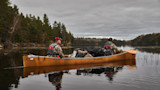
Public Lands & Waters
Senate Votes Against Protecting Boundary Waters

The United States Senate voted today on H.J. 140 to repeal the 20-year mining moratorium on federal land in the headwaters of the Boundary Waters Canoe Area Wilderness. The vote, which was an unprecedented use of the Congressional Review Act, passed narrowly, with 50 Republican Senators voting in...
Sage MarshallApr 16, 2026
Read MorePlay Now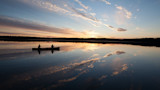
Public Lands & Waters
Mining Matters. So Do the Boundary Waters.

I’m a lifelong conservative, passionate hunter, and conservationist who believes in straightforward truths. One of those truths is that modern life depends on natural resources. Nearly everything we rely on—from pickup trucks, farm equipment, and roads to cell phones, medical devices, and energy...
David WillmsFeb 20, 2026
Read MorePlay Now
Habitat
A Litter Trap: Keeping Our Waters Clean

It’s a regular sight for early risers at a tropical resort. While tourists sleep, staff rake up any rubbish that may have washed onto shore through the night. By the time mimosas are served, the beaches are back to glistening and the trash bins are tucked away from paying eyes. Today, water...
April VokeySep 23, 2018
Read MorePlay NowConversation
Save this episode