Wired To Hunt
Ep. 1092: 5 Tactics from My 2026 Public Land Kill That Will Help You During the Rut and Beyond
Play Episode
1h08m
This week on the show, Mark is breaking down the story of the mature buck he recently killed on public land and the five major lessons you can take from this and apply to your upcoming hunts during the rut and beyond.
Presented by Moultrie
Connect with Mark Kenyon, Jake Hofer, and MeatEater
MeatEater on Instagram, Facebook, Twitter, Youtube, and Youtube Clips
Subscribe to The MeatEater Podcast Network on YouTube
Shop Wired to Hunt Merch and MeatEater Merch
00:00:01 Speaker 1: Welcome to the Wired2Hunt podcast, your guide to the whitetail woods. Presented by First Light, creating proven, versatile hunting apparel for the stand, saddle, or blind. First Light, go farther, stay longer. And now, your host, Mark Kenyon. 00:00:19 Speaker 2: Welcome to the Wired2Hunt podcast. 00:00:22 Speaker 3: This week on the show, I'm breaking down my recent public land mature buck kill and detailing for you exactly what I did on that trip and the five most important lessons that you can use on your own upcoming hunts. All right, welcome back to the Wired to Hunt podcast brought to you by Moultrie. And this week it's story time, but it's story time with very clear, tangible takeaways that can help you on your upcoming rut hunts. I know when this episode drops, it is sweet, sweet November. Finally, you are probably on your rutcation or will be soon or heading off somewhere exciting behind the house or upstate or wherever it might be cashing in on those prized, you know, vacation days and you want to make the most of it. So today I want to share with you five, if not more than five, very clear tactics, ideas, lessons that can help you on your upcoming rut hunts or your gun season trip or whatever you might have coming in the upcoming weeks and days, I want to share with you what I did on this recent public land whitetail hunt and exactly how I was able to be successful and why I think some of the things that I did, I was able to learn from and I think will be something that will remind me how to have more of this kind of success in the future and I'm hoping you too. 00:01:47 Speaker 2: So I think we should just get right into it. I want to be fast. 00:01:51 Speaker 3: I want to be highly efficient with this chat because I know you want to be in a tree or blind or out in the woods right now. Maybe you're on your way to the property as we speak. So this hunt took place the second half of October. This is a Western whitetail hunt, but this is a scenario, a habitat type that I have seen across many other parts of the country. I've hunted in places that had similarities to this. Yes, out West, out in the Great Plains, in the Midwest, and even more towards the eastern coast because this habitat type I was hunting was a river bottom. And river bottom cover, river bottom type scenarios happen everywhere. And deer relate to them in relatively similar ways. Another thing about this hunt was that it was on public land. And public land hunts have something similar going with them, you know, no matter where you are, whether it's in New Jersey or Nebraska. Florida, Michigan, whatever it might be, you're dealing with other hunters. You're dealing with hunting pressure. You're dealing with the fact that not only are the deer something you have to figure out, but the people are something you have to figure out. And so that is why I think that this hunt can be kind of extrapolated across whatever you might be facing today, tomorrow, next week. And this was also one of those trips that I had to figure out as I went. I did not I was not able to prepare for this the way I would have liked to, uh, as many of, you know, I moved this year, it kind of consumed the first two thirds, first half of this year, probably more of that, um, was focused on everything that goes into trying to sell a home, trying to find a new home, trying to pack up one place, try to move into another place. We moved from Michigan all the way across the country to Montana. Um, And it was just a massive, massive undertaking. So I came into this season less prepared than I ever have been. I don't recommend that, but sometimes life throws you a curveball. And that's what I was dealing with this year. So in the early spring, I knew that I wasn't going to be able to hunt the places that I usually hunted. 00:04:01 Speaker 2: I knew I wasn't going to be able to get to a lot of the spots that I usually do. 00:04:05 Speaker 3: So I applied for a bunch of different spots, especially further towards the kind of the Great Plains and Western part of the country that would be closer to my new home in Montana, just to see if I could get lucky. And I did end up drawing one of those spots. And this was, like I mentioned, one of these Western whitetail states. And what I was looking for when I applied for these different units was I wanted to find something that had prototypical whitetail cover, which in the Great Plains in the West is, as I just mentioned at the top, river bottom stuff, like lots of cover, you know, uh, cottonwood trees, Russian olive, willows, all that kind of stuff, stuff that you can find, you know, Montana, Wyoming, Nebraska, the Dakotas, Oklahoma, Kansas, um, Iowa, that kind of stuff is what I was going to be hunting according to the research that I had done ahead of time. So I applied, I ended up drawing a And then life got crazy, the whole move took place, and I really wasn't able to do anything else to prepare for this hunt all the way up until when I was going to go. And I originally thought, oh yeah, I'm going to go hunt during bow season, but September got crazy and life got in the way and I wasn't able to go do a September hunt. I was originally going to go do a summer scouting trip too, but same thing. The whole move process, job stuff, family stuff, no scouting trip, no September bow hunt. So then I was looking into October and there was a firearm season open for two weeks in late October. And I thought, well, maybe I can get out there for a little window. But then my schedule starts getting filled up and I'm going to be trying to get back to the Midwest to bow hunt some of my favorite spots, my family deer camp. And when it came right down to it, all that I could manage in between various work obligations and family obligations and helping out all these things going on, I found out I could carve out three days to go and do this hunt. And so I was going to go with what I had. Three days it was. And I was going to have to be very efficient with those three days and have realistic expectations given that. What I decided to do, instead of doing three hunt days, because I was actually smushing this in between two other trips, I was going to do one scouting day before that firearm season opened and then two hunt days when you could actually hunt. And then I was going to come home for an evening and then I had to fly out the very next day for a work obligation. 00:06:32 Speaker 2: So this is going to be tough. Uh, but drove to this area, showed up. 00:06:39 Speaker 3: And I should say, before we get to what I did when I showed up there, I did spend a pretty significant time over the probably week prior half week prior to this trip, doing some of that preparation that I wish I had done earlier, but simply couldn't. Um, I spent a ton of time on maps, both on X, looking at the habitat types itself, both looking at all my possible access, all my possible public land, all the different specifics of what you can do in certain places and what you can't do in certain places. I was checking the regulations twice, three times, four times over, making sure I understood all those specifics. I called the fishing game office and tried to see if I can learn anything from them that they might be willing to share. And so when I showed up on day one, which is the scouting day, I had a pretty good starting point. I knew of a general zone that I was interested in. And this was, I don't know, maybe, I really don't know here, several thousand acres of public land. Maybe there's this kind of relatively contiguous chunk with a river running through it and a number of different access points kind of all along this outside edge of this chunk of public land. And so I then had marked the different access points that I was interested in checking out, and then habitat areas, zones that I thought, you know, should be of interest. Now, when I did this hunt, like I mentioned, second half of October, you know, these deer, I assumed would still be on a bedding to feed pattern, but maybe starting to get into that pre-rut kind of activity. So I was definitely wanting to know where's the best bedding? Where's that safety cover? Where might they be going to feed? And then finally, if there's any kind of cruising happening, any kind of rut stuff happening yet, where might those travel corridors be? So looking at my Onyx maps, I tried to highlight all of those spots. One thing in particular I also was thinking about was how am I going to get away from people? This is public land. Whether you're hunting public or private land you're sharing with other people, this was a key thing. I was thinking about this as a key thing you should be thinking about. And it doesn't always mean how far you can get away from an access point. in a road, and we'll talk about that later, sometimes it just means where do other people not want to go. And so in my mapping, I tried to do some of that sleuthing. So one of the things was I added the roadless layer to see like where's the farthest I can get away from roads in this zone, and then the farthest from access points and easy to get to trails. So that was step one. Step two was making the drive, showing up to this place in person. And now, like I mentioned, I've got a little more than a half a day. 00:09:22 Speaker 2: To do some on-the-ground scouting. Step one of that was doing drive-bys. 00:09:28 Speaker 3: I just drove all around this public land, and I wanted to figure out a couple different things. I visited as many of those different access points of interest to get a handle on, A, can you actually get to it? Um, this was a very rainy week leading up to my hunt. And so a lot of these roads were really bogged. 00:09:47 Speaker 2: Down and nasty. 00:09:48 Speaker 3: So what I found is that some of the places that I thought I could get to, I was a little bit nervous about getting to, um, cause it was like flooded, uh, super, super ruddy, muddy, boggy, nasty. Some places I can get to some places I was like, I'm not sure I want to do it. Uh, another thing that I was looking for was at these access points. What was the sign of other people? Were there a bunch of other hunters there? Uh, were there other people out there scouting? Was there trash? Were there fresh truck tracks? Uh, were there bird hunters coming by or anybody else using the land recently? I wanted to get a sense of those things. I was also trying to get a sense of the habitat. So as I drove all around, I was trying to mark. 00:10:27 Speaker 2: Any possible food source. 00:10:28 Speaker 3: Now, this piece of public land had some agriculture on the outskirts, both on neighboring private land, but then also some of this public land did have some food sources on it too, some planted agriculture fields. So I was marking every one of those and marking what it was. So, okay, here is corn. Here is alfalfa. Here is what looks like maybe clover or something like that. So all of this was going to just get me that very clear picture of what I was dealing with. I wanted to see as much of the puzzle as I could before diving into hunt. So as I was doing that and stopping at every one of these access points, I was oftentimes then getting out of the truck and doing a quick little poke into each one of these spots, not a major, major cover tons of ground, but I would go in and just get a sense of each place. Uh, you know, in one area that was just walking in a hundred yards and another area that was taken like, uh, I don't know, maybe a third mile, half a mile kind of loop again, just trying to see, are there tree stands out here? Is there a bunch of boot prints? Are there, you know, active trails coming in and out that people are using, or does this seem like, you know, people are just wandering off in any different direction? Um, In addition to that, of course, wanted to see deer sign. So I'm looking for all the obvious stuff, right? Number one was just trying to find deer. That was step one. So can I find concentration of deer? Can I see some semblance of sign that tells me, yes, there are white-tailed deer here that you could hunt? And that wasn't necessarily a given in all of this stuff. I just wasn't sure. I'd never been here before. So I was looking for that. But then, of course, now I also want to find, like, are there bucks? of course, best case scenario would be getting a shot at a mature buck. So I wanted to try to see some of that sign. You know, you're looking for fresh scrapes at this time of year. You're looking for some rubs, ideally big rubs, big tracks, anything like that. And so I spent a bunch of that day doing this. And what I found was a couple of things. I would say the three major observations I had was that one, There's a bunch of access points. There's a bunch of food on certain sections of this, but also a lot of hunter activity. So no surprise, right? I saw a lot of trucks driving around. I saw, you know, truck tracks going into every one of these places, pretty fresh truck tracks going into every one of these places. And on one side of the river in particular, the side that looked best, the side that I had all marked up with all sorts of pins that I was excited to hunt, that's where I was actually bumping into people. So other people parked around doing stuff, people setting up camps to camp out there and hunt. And I actually stopped and pulled off the side of the road and talked to a couple of hunters, which I think is oftentimes a really good idea. And my initial goal with that was just like, hey, are you guys out here deer hunting, bird hunting? 00:13:25 Speaker 2: What are you up to? 00:13:27 Speaker 3: And then if they're deer hunting, in which case one of these guys was, I just said, Hey, you know, I'd love to stay out of your hair and not mess up your hunt. Is there like a general region that you're going to be spending most of your time that I can just kind of stay away from? And he told me where he wanted to spend most of his time and gave me a little bit of insight on what his, you know, experience had been out here in past years. 00:13:47 Speaker 2: That was helpful. Um, unfortunately for. 00:13:50 Speaker 3: Me, the zone that he was going to hunt was the place that I was the most excited to hunt is the place on the maps I had the most interested in. Um, And, you know, it's not that you can't go and hunt a region that somebody else is hunting, but A, it's less fun if you know you're going to be bumping into someone or worried the whole time you're going to bump into someone. And B, of course, you know, if there's other hunting pressure in there, you're just lowering your chances of there being a mature buck or any deer that feels comfortable moving in daylight. So I just kind of initially crossed some of those places off the map where I was seeing all these other people. More bad news that I got, though. was that this one hunter in particular mentioned that EHT had hit this area really bad the year before, and maybe something like 80% of the deer were killed. So he was coming into this hunt with lower expectations too, and now my expectations were a little bit lower as well. But I continued my scouting efforts until the last hour and a half of daylight, and then I was going to shift to a new mode of scouting, which was going to be using the glass. This was an area where there were some low hills that I could get up on top of, and glass down over, you know, grassy cover, some ag, some kind of relatively forested transition cover. And I thought if I could get up high, I had my spotting scope, had my binos that I could spend that last, you know, 60 to 90 minutes bouncing to a couple different glassing points to again, try to get some more big picture information. So scouting was just going to be the name of the game if this hunt was ever going to work at all. So I glassed and I found, you know, from two or three, I guess three different locations. 00:15:30 Speaker 2: I saw just a few deer. 00:15:33 Speaker 3: I saw a few does pop out over here in this one corner and I saw a few more does over off in this little corner and one little scraggly yearn off half old buck in another corner. So it told me there was some deer out there, but definitely not the kind of thing that would scream, oh, you need to go hunt here tomorrow. So This leads me to day two, which was hunt day number one. Given the fact that I did not find anything on day one that was screaming hot, that was telling me you absolutely need to hunt in this area, this zone, this access point, I decided to pick what looked like a open spot on the map based on where all the other hunting pressure was that I'd seen so far, the people, the trucks, the sign of people. 00:16:21 Speaker 2: I found one little section. I thought, you know, this might be kind of in between it. 00:16:25 Speaker 3: I did see some does pop out of here and it looks like it has this good kind of river bottom, thick, nasty cover that I would assume that deer will be gravitating towards at this time of year. And I think, you know, just to elaborate a little bit more on what this looks like, imagine there's like a big S going through the middle of this property, right? S curves of the river back and forth, back and forth, back and forth all the way across the zone. You have the thickest cover along the river. Cottonwood trees, willows, Russian olive, stuff like that. And then as you expand farther and farther out from that, then you're going to get some different tree species, different kinds of brush, and then a little bit more grass and it opens up. So that is what we were dealing with. So I knew if I get tight to the river, that is probably where there will be deer bedded. And so my game plan for the first hunt morning was to get in very early before daylight, Assuming that this is opening morning, we're knowing this is opening morning of the firearm season there. 00:17:28 Speaker 2: Assuming there's going to be a bunch of other hunters coming out. 00:17:31 Speaker 3: I want to be back in that thick cover and back in the bedding area at daylight. So that if people are out there moving around and stuff gets pushed back into the bedding, I'm already going to be there. But I selected the bedding area, you know, knowing I only have two days to hunt. 00:17:44 Speaker 2: So I'm going to be relatively aggressive. 00:17:45 Speaker 3: I selected a bedding area that I can get back into, but, and this is a key part of my plan. I didn't really plan on hunting that actual bedding area a whole lot. I was really just wanting a starting point to begin a day-long scout slash still hunt. I was not going to commit to one spot based on just two-thirds of a day of scouting in which I never found the screaming, hot, you need to hunt here sign. 00:18:12 Speaker 2: So my plan. 00:18:12 Speaker 3: Instead was to get in there before daylight, be there for the first little bit if something happens to get pushed in there. But as soon as it's daylight, if I'm not seeing anything right away, if I don't fall in love with what I'm seeing. I'm just going to slowly creep my way along that river and still hunt slash scout glass, learn my way across this river bottom. And given the fact that I didn't have a lot of time, um, I was willing to be kind of aggressive and move through a bunch of this area knowing that, yes, I am going to make some kind of impact, but I need to figure something out fast and be able to take advantage of it. So at this stage, you know, that was what seemed to be necessary. And as daylight slowly lit up the area, what I saw, unfortunately, was a beautiful-looking cottonwood bottom and a gorgeous river right behind me. But also, maybe 150 yards away, was a big old pumpkin, another hunter in a tree stand, right out the gate, like one of the first things I saw. So I couldn't believe that because I thought I was kind of in a spot where I. 00:19:21 Speaker 2: Would be away from that stuff. But sure enough, there it was. Immediately, there's another guy. 00:19:25 Speaker 3: And he was off to the side that I had originally wanted to still hunt towards, where there was the most new country to go explore and scowl. But I had to call an audible. So as soon as I saw that, I was like, all right, I'm going to head the other direction. I'm going to head east and do the same plan, but just head in a different direction. I was not seeing any deer yet. And so I just slowly snuck my way along. And, you know, I've done this not just with a gun, but I've even done this during bow season, just this slow still hunt, scout hunt, where you take a step and you watch and you glass and you listen and you look at the cover and you look at the ground. Then you take another step or two and you do the same thing. And you are scouring the terrain, trying to find tracks, trying to find scrapes, rubs, river crossings, bedding areas, anything like that. But at the same time, you're also looking for deer themselves. You might get lucky. You might spot a deer and be able to make a move or position yourself for a shot or simply see where they go to bed or see where they go to feed so that the next hunt, you can position yourself for an ambush in a tree or on the ground or whatever it is you're doing. 00:20:35 Speaker 2: So I did that. And I did that for, I don't know, four, five, six hours, something. 00:20:43 Speaker 3: And I moved my way along this river using that river as kind of cover for my sound. And, um, my wind was blowing out over across the river. So I was pretty well positioned from that perspective. Uh, but what I found, what I saw to kind of move this thing along was nothing. I mean, very little deer sign. I saw zero deer. I saw very little sign of deer and I saw a second hunter and then later a third hunter Um, and so after that, you know, half day of doing all that decided, all right, this is, you know, this is not the spot. This is not the area, too much hunting pressure, very little deer sign. I wasn't sure if this was because of EHD or if this was because of, um, you know, the hunting pressure and the people in there, but I quickly got a sense that this region was not going to be it. So at midday, I pulled out of there and reset. did the midday reset, ate some lunch, had an energy drink and, uh, hop back on those maps and just started rethinking everything. Rethinking like, okay, here's where I've seen people. Here's where I saw sign of people. Here's where I think there's going to be folks based on the easiest access based on where the, you know, the most recent truck tracks were. Um, and I just got back to thinking like, what's the spot nobody wants to go to? Cause I hadn't found any deer sign yet that was excited about. Um, So where had I not been yet? Because I wasn't excited about it. Because if I'm not excited about it, then the other hunters probably aren't going to be excited about it either. And after studying that map for a while and looking at things for a while, what came to mind was this other zone on the opposite side of the river. 00:22:37 Speaker 2: From where I had been the last day. 00:22:40 Speaker 3: And there was a kind of big, there's two things over here that I thought was not appealing to me and maybe wasn't appealing to other folks. There was a facility, like a manufacturing, industrial, like some kind of factory type facility on the private land adjacent to this section of public land. 00:23:00 Speaker 2: So it was loud. 00:23:01 Speaker 3: There was like trucks and traffic and people and stuff going on. And then there was also a big area of burned forest. So a part of this forest had burned at one point. And so like the access point that I was thinking about that kind of was right next to this facility, everything was charred. 00:23:21 Speaker 2: I mean, it looked like a wasteland. 00:23:23 Speaker 3: And I did go walking in there and I saw no deer sign when I walked in there. 00:23:28 Speaker 2: And I found two other things. Well, I should take it back. I did bump one year and a half old buck, but otherwise no deer sign. It was charred moonscape. And then as I was trying to walk. 00:23:40 Speaker 3: To this zone that I thought might be good, there was a big irrigation ditch or a deep channel that was flooded. Like I mentioned, very high water, tons of rain the week prior. So it was a very high flooded channel of creek ditch kind of thing that I couldn't get across. And so now I'm rethinking it. I remember this moonscape with the impassable creek and a facility next to it with a whole bunch of human traffic. And I got to thinking, I didn't see any signs of hunters over there. It did not seem like the place that anybody would want to go. Maybe that's worth exploring. And so that afternoon, I headed back to the moonscape, which it shifted from moonscape to then like marshy, boggy wetland. And that day prior, when I tried to scout around there, I had a really hard time finding any way to get to this wetland. So I thought, all right, we're going to give that a shot. I packed waders this time. And I decided I was going to go in and go far down that edge. And it looked like there was a little strip of high ground that followed the public land border next to that facility. And then I could kind of curve up and get around to the other side of this stuff, this public land stuff. 00:24:55 Speaker 2: And it looked like there was two big inside S-bends. 00:25:00 Speaker 3: Of that river, the S-bends through the public land. And that looked like on the map, like it had a bunch of cover. And this is something we're going to talk about more, but whenever hunting river bottom type stuff, I really like to key in on the bedding that happens on the inside of these S curves. And so I saw there was two inside bends of these S curves directly back from this facility, way. 00:25:23 Speaker 2: Deep in there. 00:25:24 Speaker 3: And it seemed like the only way to get to it was either to go through this marshy bog to be able to pass this impassable Creek or to walk right next to this facility and and get past the marshy stuff way down there, like a mile plus, and then hook your way in. So that's what I decided to do. I decided to bring a setup just to hunt on the ground. I was going to still hunt, scout my way into this stuff, see what it looked like, see if, you know, the moonscape would end and it became better deer habitat, like it looked on the map, and hopefully would find some deer sign, some activity. 00:25:57 Speaker 2: And that's what I did. 00:25:59 Speaker 3: So I moved my way through the moonscape, through the charr, No human sign, no footprints, no deer tracks. But maybe half a mile down the edge of this fence line near the facility, all of a sudden I saw fresh deer tracks. And this was the first, you know, concentration of fresh deer tracks I had found yet since arriving. Everywhere else, it was like you see one solo deer move through or like tracks from before the rain that happened the day or two or three days before. Now all of a sudden I saw a collection of fresh tracks and my spidey senses pop up. I'm like, all right, there's deer here. And I kept moving another like quarter mile. And then all of a sudden like, whoa, here's a line of deer coming in. Here's a line of deer coming in. Here's a line of deer coming in. And then as I moved forward, it became more and more. And then here's a green field. Here's a little sliver of what I found to be a little clover field that had been planted like right next to this facility. And so there's all this, industrial stuff going on right next to me. And then there's this little clover field on the public land. And then all around this public land, or sorry, all around this green clover field are cattails and marsh grasses and nasty, gnarly cover. And then way back behind it, I can see the big cotton woods back on those S-Bend bedding areas and just tracks everywhere. 00:27:22 Speaker 2: Like it was like 8 million deer were living here. There was almost no. 00:27:25 Speaker 3: Deer anywhere else across thousands and thousands of thousands of acres. I don't know how many acres, at least a thousand or 2000, something like that, that I had explored previous to this with almost nothing, just a lot of people. And then here's this little hidey hole with all the deer in the world, right next to some kind of factory facility deal. 00:27:44 Speaker 2: And here they are. 00:27:47 Speaker 3: It was an amazing thing to find. I was very, very excited. So now all of a sudden I realized, all right, I'm in them or I'm here. They're here somewhere. So now how do you Take advantage of the next day and a half. All I have now is an evening hunt and the next day before I have to leave for this other work trip. And this is where I'm thinking through how do I balance aggression with being smart? I want to get into the good stuff in this short period of time I have while being able to make sure that any one of those aggressive hunts still is not so aggressive, so stupid that you spook or get winded by every deer in the area. So I had wind that was blowing from the bedding out to the food. I really liked that. 00:28:29 Speaker 2: I had a. 00:28:31 Speaker 3: Quick thought where I was like, gosh, should I not get too far away from this food? Because there's so much fresh deer sign coming into this food source. Maybe I just get in like one layer into the cover from there and intercept them just before food. But I just got back to the fact that with only a day and a half, you don't have time to slowly work your way back into the best stuff. Um, there's such a good chance when hunting public land or heavily pressured shared land that other people are going to hunt those food sources. I did not want to waste one of my hunts being in a spot like that. And then having another guy or two who also knew about this honey hole popping in and hunting the trees right next to me or hunting the food source or pushing into that bedding cover. So I decided that I had to push in not just that first layer of cover, but like two, three layers in. 00:29:21 Speaker 2: So what I was able to do, I looked at the map. 00:29:23 Speaker 3: I found that there was a culvert that went over that same impassable ditch that I told you guys about before. I saw that another like half mile down, there was a culvert crossing over that that looked like maybe a tractor or someone had been able to get over in the past so I hiked way down that got over that impassable creek in this one spot this is like two miles away from where I parked now almost two miles away from where I parked and then there is a big open grassy field I mean maybe like thigh high grasses and and then very tall cattails and marsh grasses surrounding that that then led all the way back with more of these like creeks and ditches going back towards the big river and the big cottonwood bottoms and those S-curve bend bedding areas. And I decided I want to be like right in those S-curve bedding areas because from past history, from past experience, I've hunted a lot of different river bottom cover like this in many different states. 00:30:24 Speaker 2: And these bucks oftentimes. 00:30:27 Speaker 3: really like to bed back near the river, like right in the cover, right on the river's edge. Many times there's, you know, lots of times like just little willows and grassy, nasty stuff that grows right to the edge of the water. 00:30:40 Speaker 2: And it's just so secluded. It's so safe. 00:30:43 Speaker 3: The deer can, you know, have that river right behind them and they can be listening and, and be aware of anything else coming from the other sides. It just gives them a strong sense of safety. They can bounce into the river and swim to the other side if they need to, to get away. Um, and so I thought, man, they're probably, if there's any decent bucks around here, they're probably bedded back right on those river, right in the inside of those S pens. So I'm going to get right up to the edge of where that begins in a place where I can see a little bit and then set up there. I wasn't going to go all the way to the river yet, uh, because I did still have the whole next day to hunt, but I want to be right there on the doorstep. And so I found a spot where I was able to get tucked into some cottonwoods. I did not bring a saddle or sticks because I want to be mobile and it was really scouting a lot of this hunt. But for that last couple hours of daylight, I was hunkered in there. What I realized was that from the ground, it was really hard to actually see the vitals of deer because the cover was so thick and so high in there. Um, there were all sorts of grasses and I'm not sure what all this stuff was. There were some cockle birds, I think they're called, but as deer started coming out, which they did start coming out, um, you know, in most places, it was just like their heads that were showing. I ended up seeing, you know, I don't know, probably seven to 10 does that evening. And what it did for me was it confirmed that, yes, like you're in an area with a decent deer concentration. It confirmed all the tracks, all the sign I saw going into the food source. And it confirmed that, yes, like they're coming out of these S-curve bedding areas. 00:32:19 Speaker 2: Evening faded. 00:32:20 Speaker 3: The night was done. Did not see any bucks, but I felt like I was in the right general zone. Now I have one day to get a kill hunt into play. So day two, again, I went back to the map and I started thinking there, okay, based on what I saw, how. 00:32:36 Speaker 2: Do I adjust? 00:32:37 Speaker 3: But there is a wild card and the wild card was that the wind was going to be shifting 180 degrees. It was a north wind and now it's going to shift to like a southeast wind. 00:32:46 Speaker 2: So now. 00:32:48 Speaker 3: With the river to my north, I would be blowing my wind up into that bedding if I'm anywhere down that I was hunting prior. So I realized to get there in the morning, I really need to be in that bedding area closer to the river to be able to hunt it in the morning, knowing that those deer are going to be at that food source in the dark and then coming back into the bedding area. 00:33:11 Speaker 2: Once it hit daylight. 00:33:12 Speaker 3: So what I had to do was I had to do a big end around. I couldn't go the way I did on day two. I couldn't go through the food source. I would spook those deer. I'd have to go way around, follow the river through the back and get in the back door. Problem was, I'd have to cross that impassable creek. So I knew that would be a chore. I knew that I would have a longer walk than even I had the day prior, which I said, which was like almost two miles. And so I got up very, very early, like 3.30, sometime between 3.30 and 4, I think I was up and at it. got out there very early, packed waders, packed a saddle and sticks, packed stuff and food in case I need to stay and hunt there all day. I slipped in, got to the Creek ditch canal thing, and I was going to try to wait it in the waders, but it's super duper muddy. And I'm worried about, you know, is this like deep, deep, um, I couldn't find a stick or anything that I could get in there to test. And it was kind of like sheer banks. It was like, if you took a step in, you were just going to go in. So I kind of walked the banks for a while and ended up finding a downed tree over it. And that actually looked big enough for me. So I just kind of shimmy, crawled, scooted across that and was able to get across this creek ditch thing without needing to wade. Stashed the waders. and then followed the river in the dark all the way the two miles or so back to this S bed or S bend bedding area. I picked a zone from the aerial map that looked like it would get me far enough to the Northwest so that a Southeast wind would not be blowing into most of the deer and most of the activity coming back into bed. Um, but also still positioned to me like in the game, knowing that these deer were probably coming from the South, right? There's probably still on. 00:35:01 Speaker 2: That, that, uh, bedding to feeding pattern. 00:35:03 Speaker 3: And bucks, hopefully this point in the latter half of October, probably coming back to their bedrooms as normal, but might be checking does as they go, doing a little bit of that pre-rut kind of stuff. And what happened was that that is basically what happened. There were does that were filtering back in, and there were a few younger bucks filtering back in, just not the right one. And the wind was doing a little bit of funky stuff. It wasn't being as perfectly southeast as it was supposed to. I got a little bit shifting here, a little bit shifting there. And so prior to daylight, some deer did blow and spook out of there. And then after daylight, just didn't see as much coming through. I thought I was going to see 10, 15, 20 deer moving through because I had great sight lines now from up in the tree, but didn't happen. Nonetheless, I'd heard deer moving in. I'd heard bucks fighting in the morning before daylight. 00:35:56 Speaker 2: So I knew. 00:35:58 Speaker 3: you know, this bedding zone, one of these two bedding zones that I had originally identified as of interest, they should still be of interest. I was in the zone. Now I would just need to pivot a little bit more for the evening. And now the wind was shifting a little bit more. It was southeast, so it could kind of blow out and away from the main bedding pocket, the top of that S-bend. 00:36:20 Speaker 2: Now it was going to shift to due south. 00:36:22 Speaker 3: So now it was going to blow right into the middle of that S-bend bedding cover if I stayed where I was at. 00:36:28 Speaker 2: I knew I couldn't stay where I was at. I had to bail out of there. 00:36:31 Speaker 3: Late morning, midday, I snuck out and got to the route that I had hunted the evening prior because now that would be a spot that I knew because you're in between the two bedding areas. 00:36:44 Speaker 2: I could walk out. 00:36:45 Speaker 3: My wind's going to blow straight up towards the river and I could sneak all the way down to that industrial facility and then walk that edge all the way back to the truck a couple miles. 00:36:54 Speaker 2: That's what I did midday. 00:36:57 Speaker 3: Now with that due south wind and with what I've learned, I know a couple of things. I know there's deer in the area. I know there's at least a number of like two and a half year old bucks. 00:37:06 Speaker 2: In the area. 00:37:07 Speaker 3: And I know that there is a significantly unique lack of human hunting pressure in this spot. There should be a decent buck in this. I found where all of the deer seem to be. There should be a good buck in here. I'm down to one last hunt. I need to be as close as possible to this best bedding. That was my main kind of driver at this point was I have to be as close as I can be to that good bedding to give me a chance to see one of these older bucks that are likely bedded right by the river. But how do I do that when the wind is blowing from the food straight up into these bedding areas? 00:37:45 Speaker 2: The river is huge. 00:37:46 Speaker 3: The river is too big for me to pass. You definitely can't wade across it. It's high, it's muddy, it's roaring with high water from all these storms and rain prior to that. So I didn't have any kind of safe way to cross from the north. So I have to come from downwind. 00:38:03 Speaker 2: The only route that I. 00:38:05 Speaker 3: Could figure, the only way to hunt this that I could figure was to pull a playbook from other times that I've hunted river bottoms like this, especially in the rut or pre-rut. 00:38:17 Speaker 2: Something that I knew that I'd seen in. 00:38:18 Speaker 3: The past was that with those S, curves. You're going to get bucks that move along the bottom side. So I wish I should have brought a diagram. Actually, for those of you watching, this is very unprofessional. 00:38:37 Speaker 2: I wish I had like a better whiteboard, but I have an envelope. 00:38:43 Speaker 3: And on this envelope, you can see, right, this river curving up and down, up and down, up and down. And every one of these inside curves is where there was bedding, right? And what I have done on past hunts in other states across the country is I have positioned myself right where the outside bend comes out. So imagine, you know, for those of you not watching, imagine like the letter M and on the inside of those two mountains that the M makes on the inside of that, that's your bedding. And then where that bottom part of the M comes down the lowest, that forms kind of a pinch, because often times there's lots of thick cover on the inside bends, but then the cover maybe changes a little bit as you go down lower. And if you hunt right where the bottom of that S curve comes out, you've got a situation where with that southerly wind, like I had, I could hunt right on the edge of the river and my wind would. 00:39:40 Speaker 2: Blow over the water. But then I'd have all this great bedding cover on one S bend right next to me. 00:39:46 Speaker 3: And then I'd have all this great bedding curve on the inside of the other S-bend on the other side of me, and neither one of those bedding areas could win me at all. And if something happened to want to go from bedding area A to bedding area 2. 00:39:59 Speaker 2: What is the buck going to do? 00:40:00 Speaker 3: They oftentimes get pinched right through that lower section, that outside bend. That's where they get funneled. Whether it's October 17th 26, November 8th, November 17th, November 24th. 00:40:15 Speaker 2: I've seen that kind of activity. 00:40:17 Speaker 3: Where you get a little bit of a pinch of buck activity in between those S-bends because they don't necessarily want to follow the edge of the river all the way up the S-bend, all the way down the next S-bend, all the way up. 00:40:29 Speaker 2: They're lazy most of the time. So they're going to cut the corner. They're going to follow that outside bend. 00:40:35 Speaker 3: And then instead of going way up into the cover, They're just going to cross all those doe tracks going in and then keep on going to the next one. So I thought I could safely get in there without the wind blowing into the bedding areas. 00:40:47 Speaker 2: And I might be able to be in a. 00:40:49 Speaker 3: Position where a buck is cruising between those two bedding areas. Secondly, if that didn't happen, if instead these bucks were heading right from the bedding straight down to the food, I might be positioned so at least I could see that and then maybe be able to climb out of my tree and make a move on them. That was the game plan for the final night of the hunt. Taking all things into consideration that I just mentioned and the fact that this is the zone that seemed to be where people didn't want to be. That gave me some degree of confidence. Slipped in there, got to a spot like that, found a tree that would work. It gave me enough cover. It was tight to that river, so my wind blew over the water. Nothing should wind me. I can see into these two different S-bend bedding areas. There's some trails there. 00:41:34 Speaker 2: Parallel in the river, right where I'm at, right where that pinch should typically be that I've seen in other States and other places lined up pretty nice. And I settled in and waited and waited and waited. 00:41:49 Speaker 3: And as is often the case, uh, especially towards the end of a hunt like this, when it starts slow or when you're encountering other people and lack of deer sign, all this, you start to lose some of that confidence. You start thinking like, ah, geez, you know, Probably going to be another one of those hunts, going home empty-handed. I wonder where I should have gone differently. What should I have done other than this? Start having those second thoughts. But as that last hour or so of daylight arrived, I see a little flicker of movement off in one of those bedding ears. And out of those little nasty, willowy, grassy pockets, here comes a doe. 00:42:23 Speaker 2: And then another doe. And then another doe. 00:42:26 Speaker 3: And I just remember having this sense like, I've been here before. I've been on so many different hunts like this, other pieces of public, other pieces of private, other areas where you've got these river bottoms moving through, where this is just the thing that happens. You see them pop out of these S-bends, slowly filter out, and then you'll have these bucks that are kind of crossing it. And sure enough, five, six does come rolling out, strolling out past me, not quite to me. 00:42:51 Speaker 2: But moving out of those bedding zones. And as I'm. 00:42:54 Speaker 3: Watching those, now we're down to the last 10 minutes of daylight or so, and I'm just checking both ways, checking both ways. At any moment now, you should see a buck. It's very, very thick though in certain areas. So I've got a lot of blind spots. And I turn from watching these does, thinking that there might be a buck following them at some point. And as I turn from them back towards the front, I immediately see a big body deer off to my kind of, it would be like a 10 o'clock, if you imagine the clock face. And instantly, big body. And I just know, oh, that's a big buck. And I see him, he starts walking. I see tall, heavy shooter is the first thing I think mature buck, tall, heavy buck. That's a, that's a deer I want to get a crack at, but now he goes immediately behind the tree that I'm sitting in. And I'm in a saddle with a bunch of cover right in front of me. And my shots are kind of off to my left and back towards the bedding and then off to my, my right and back to that bedding. But right in front of me, I couldn't shoot. He goes there immediately, but he's close. He's already like 50 yards when he disappears behind that cover. 00:43:57 Speaker 2: So I grabbed my gun. I slowly positioned myself. I tried to ease my. 00:44:02 Speaker 3: Way around to the right hand side of the tree and set myself up kind of leaning the gun against the tree. 00:44:08 Speaker 2: But in my head, the thing I was thinking was like, oh, my gosh, she is so close. This is too close for a for a gun hunt. I mean, right. 00:44:17 Speaker 3: You're hoping for a 70 yard shot or 100 yard shot. You know, that would be like a nice, easy, close shot. but he's coming 50 yards, 45 yards, 40 yards, 35 yards. And he finally pops out to where I can actually get a shot. And he's like 30 and he stopped right there. And he's looking up in my general direction, my guns out here and I'm frozen and he's 30 yards away. And I had just prior to that, I had to pull my scope zoom as far back as I can get because he's so dang close. And he stops right in the spot where I can see his head. He's looking up towards me. Um, I can't get a shot yet. Just his head is visible and we're frozen. We do that standoff for, uh, I don't know how long feels like an hour, but probably was 20 seconds. And then he takes two steps. He's in the open, put the crosshairs on his shoulder, fire off the trigger. And you know, all of this happens so quick as you know, these things do. And he instantly disappears, runs back behind that tree that's behind me. And I'm trying to look around, trying to see through the leaves, trying to see through the branches. And I just can't see. I see that he didn't drop right away. He ran off. I can probably see him get to 50, 60, 70 yards away. He kind of curves to the left and then I lose him. And I'm trying to look out into this grass and I can't see anything. And then like the doubts start rolling and I'm starting to think, oh my gosh, did I shoot over him or something? Like he's so close. Did I do something crazy? Because it was seemingly too easy. But I got down out of the tree, you know, as soon as it got dark. I went and checked this impact site and I did find blood. So that gave me some confidence, but as many of you know, I've got some red-green colorblindness. So I can see red fine in daily life, but Pretty much only in hunting scenarios is when my red-green issues happen, and it's when blood trailing. When blood trailing, the red just does not pop to me, especially in low light or at nighttime. Just cannot see it as well as all my friends. So I typically get friends to come out and help me, or I get one of my sons to come out. 00:46:32 Speaker 2: Because they've got good red vision. But there's nobody around. I'm solo. I'm all by myself out there. There's no one for hours and hours and hours around. So I just... Decided I'm going to go slow. Be careful. I turned on the tracker on my Onyx. 00:46:46 Speaker 3: I grabbed some little pieces of tissue paper and I was going to mark blood as I went with a little piece of tissue paper. 00:46:51 Speaker 2: So I could always keep track of where last blood. 00:46:53 Speaker 3: Was and see that line. And I just slowly, slowly, slowly worked my way. And blood was consistent, but tiny. It'd be like a few little droplets here and then a few little droplets here and then drop, drop, drop here. But it wasn't like spraying pump house blood uh, that, that anyone could track. It just took me time. An hour later though, finally, uh, did not go very far. It took me an hour to cover 70, 75 yards probably, but, uh, sure enough, there he was and, uh, had, had put a great shot on him, double lung. And he was a big old buck, um, big, big body, huge, thick neck, uh, tall, tight, very heavy mainframe, eight pointer. Maybe you could count one of, maybe he had a ninth point. 00:47:47 Speaker 2: You could count, you could hang a ring on it. 00:47:49 Speaker 3: So maybe you'd call him a nine pointer, but, but just an awesome, big, gnarly old whitetail. 00:47:56 Speaker 2: And it was incredible. 00:47:58 Speaker 3: I mean, to do that kind of hunt, to pull it off quickly, brand new place, seemingly like after the first day, like, Oh boy, just way too many people, way too few deer, uh, to, to find this little spot and to find the deer and to find a buck like that, um, felt awesome, really rewarding. 00:48:17 Speaker 2: Obviously some luck came into play too. 00:48:19 Speaker 3: Um, but was feeling great that night. And then I had a whole ton of work ahead of me because I had to, you know, go back to the tree, take down my stick, my sticks and saddle stuff, hike the almost two miles back to the truck, drop off all that kind of stuff. And what I had done, I'd forgotten to bring like a pack frame, like a real packing backpack. I just had my, my first light transfer pack, which is a day pack. It's meant for maybe packing a tree stand or sticks in the saddle kind of thing. But I'm sure the designers did not mean for you to pack out a whole deer, but that's all I had. Um, so I just took everything out of it. I grabbed some snacks and some water and my game bags and, uh, and then hiked back the two miles, almost two miles to the deer and then, you know, gutted it. skinned it out, quartered it, bagged it up, and then hiked back out. And so that took me till 2.30 in the morning. So I was up at something like 3.30-ish that morning for this big hike in for the hunt, and I didn't get home till two 30 ish. After all of it, it had been nine miles of hiking that day that I tracked. And just was a big, uh, type two fun kind of day, a lot of work, but one that, um, that I'm going to remember for a long time. Cause those tough ones, those ones where it seems like, you know, the odds were stacked against you or you, you didn't have it all figured out, but somehow it comes out in the end, uh, that that's rewarding. And I think there were five key things that helped me on this hunt. And that I think that can help you on your future hunts, even if it's, you know, in New Jersey or Maine or Georgia, Montana, Michigan, Wisconsin, wherever, five things from this hunt that I think can be applied to your hunts here in November or December or whenever it is that you're going to be out there going. So I think number one, a key thing that helped me on this hunt and a key thing that I've learned over the years is that you have to resist that urge to just jump in and hunt when you don't have a place figured out yet. If you don't have stands preset, if you don't know a place like the back of your hand, If you were going somewhere new, whether it's private land, a lease, public land, whatever your buddies land, if you've got a place that you don't have dialed in, I used to be tempted to want to take advantage of every hour I had to hunt, to actually hunt, to go in there and, you know, find a spot, find a rub or whatever, and put up your tree stand and your saddle or whatever, and get up there and hunt because you got to take advantage of that. I thought, but what I've learned through my experience and through talking to so many of these other people we have in the show is is that a couple well-informed sits are worth way more than dozens of ill-informed hunts. So I would rather take a day or two and scout a new place and figure it out and then get a couple good hunts after that. I would much rather have that than hunt every single hour of huntable days, but not know where I'm at and not be in the right place. And so in this case, I spent that whole first day and then really part of the next day trying to figure things out, scouting, adjusting, covering a lot of ground, scoping out a lot of areas, really, really checking lots and lots of places off the map until I finally found this little pocket. And I mean, of thousands of acres of this public land, it was pretty much a desert, like metaphorically speaking. There was just this one little zone where all of a sudden everything was. And if I had just went and hunted the places that I had pinned on my map originally that looked good on the map, I would have been in a ghost town. I would have been hunting really good looking stuff with no deer there. And then I would have bounced to the next good looking spot in the map and sat there and there'd be no deer. And then I would have bounced to the other good looking spot in the map and there'd be no deer there because the map and reality did not line up in this case. And actually, you know, what I found from the side of the road didn't even match up with what the reality was at the interior, right? I think something that occurred here and what I think is A big part of my second observation that I want to share with you is, so number one being scout more. Don't settle till you find them. Don't settle till you're in the right spot, right? 00:52:32 Speaker 2: That's number one. 00:52:32 Speaker 3: Number two is the fact that if you were hunting in an area where there's other people, where there's other hunting pressure, which is most of us, some public, some private land that's shared or whatever it might be, even if it's on private land that just you hunt, you've probably got neighbors that are hunting all around you, right? So you have to always be thinking about people. And I think a lot of us over the last decade or so as public land hunting and everything that we're doing is getting more and more popular. I think the go-to move has always been to get farther from people, to get farther from the road, get the farthest out of the way place you can get to. And sometimes that can still work. 00:53:10 Speaker 2: Absolutely. But sometimes in what happened in this case was that it's not just that, but also where do people just not want to be? 00:53:19 Speaker 3: Maybe it's a situation where, yeah, they just don't want to hike in. Maybe it's a situation where they can't get over that ditch canal thing because it's so deep and muddy and sketchy looking that they're not willing to try, you know, getting across it. Or maybe in this case, there's a burnt forest in front of the access point. And so it looks like a moonscape. It looks like there's no way there's any deer and there's no deer sign for the first like half mile. 00:53:44 Speaker 2: Maybe it's that. 00:53:45 Speaker 3: Or maybe in this case, there's a bunch of human activity right next to it. Like in this case, this industrial facility with all sorts of noise and chaos going on and human activity that wasn't peaceful. It was not beautiful right there. It did not seem like the place you'd think a whole bunch of deer would hang out. But what these deer realized is that no other hunters wanted to go in there. Even though there was this factory thing and there was a bunch of activity, they got used to that and they knew that nobody would go from there and push into the cover where they could be safe. And so Key thing here is it's not just about finding the farthest away stuff. It's not always finding the best looking habitat. Sometimes it's simply just finding where's the safety? Where do deer feel safe? 00:54:30 Speaker 2: And these days, it's. 00:54:31 Speaker 3: Not always the farthest. Sometimes it's right next to the road because people walk past it. Sometimes it's right next to a house because they get used to the people in that house, but nobody ever goes and leaves the yard and no hunters go close to this spot because they don't want to be next to a house. Sometimes it's this little place single patch of cotton of cattails in the middle of a cornfield because everybody's hunting the woods and the edges. Nobody thinks about the fact there's a little tiny pocket of cattails in the middle that this big buck feels safe in. Those kind of out-of-the-way safe places are super important to think about no matter what time of year it is. If you can find these isolated, overlooked pockets, you can oftentimes find deer and you can oftentimes find mature bucks. 00:55:16 Speaker 2: Observation number three. 00:55:22 Speaker 3: Be aggressive, but not in a stupid way. And I think that was kind of the line that I was trying to walk this entire hunt. I knew I only had two actual days to hunt. I had one day to scout, two days that I could hunt, and then I had to be out of there. So I knew going into this, like I had to be aggressive. I had to be willing to do some things that could blow up a spot, that could educate some deer, that could be, you know, not advantageous if I was trying to spend a week or 10 days hunting. But at the same time, and also knowing I'm on public land and knowing that anytime you're hunting public land, you need to get a little bit more aggressive to get to where these deer might move in daylight. 00:56:02 Speaker 2: You don't want to be. 00:56:03 Speaker 3: So, I guess, lax with your caution that you eliminate any chance of success. So in this case, one of the balancing acts I had to play was I needed to get into these bedding years, tight to these bedding years to hunt in this kind of pre-rut time frame. But at the same time, I did not want to get winded. What's the point of being the best looking habitat in the world if every deer that moves through winds you? And so there were several times where I kept thinking, gosh, I want to be further in there. Gosh, I want to be more into the good stuff. I know it looks really good in there. I know it's really good in there. I know the deer are in there. But if I try to hunt the best stuff, there's no way I get out of there without deer blowing over and over throughout the day. There's going to be deer that come through and I'm going to get blown out. 00:56:49 Speaker 2: And even if. 00:56:53 Speaker 3: Eight deer or seven deer out of 10 are upwind of you. If that buck that you want to get a shot at is moving and he's coming through upwind of you, but there's a doe downwind of you blowing for three minutes or five minutes, that's really going to hurt your chances. And so you have to find that fine line of, of trying to be in a good enough of a spot, but you just can't, you can't win when it comes to the wind. You have to be sure to position yourself in such a way that at least most of the time you can get away with things. And so finally, you know, my morning three hunt, I was riding that line hard and maybe I went too aggressive. My evening three hunt, I decided, all right, I'm going to get as far back as I can get in there, but with the best possible wind situation. 00:57:42 Speaker 2: And what that meant was that I couldn't be in the middle of. 00:57:44 Speaker 3: The bedding area or like really, really, really tight to the bedding area, even though I would have liked to be there. what I had to do was get tight to the river in between the two bedding areas so that my wind blew over that water. There was no chance anything was going to win me. 00:57:57 Speaker 2: And then I was. 00:57:58 Speaker 3: Adjacent to and right in between two great spots. And I believe that, hey, being right in between two good spots with nothing knowing you were there is better than being. 00:58:09 Speaker 2: Right in the very best spot, but a whole bunch of deer knowing you're there. 00:58:13 Speaker 3: So this is something that can play out in ag country, big woods country, open country, the Great Plains, the West. 00:58:20 Speaker 2: The South. 00:58:21 Speaker 3: I mean, there's some different version of this everywhere. You're constantly having to make this decision. You always have got to give a little. And you're always trying to figure out, how do I put myself in a position that a shot could be possible? So sometimes that means you have to get aggressive. You have to get tight to the cover. You got to get in the doe bedding. You need to be in the pinch point. But if you can't find a way to do that, in which deer won't smell you and be aware of your presence, if there's zero chance of you getting away with it, it's not worth it. So sometimes taking a step back is going to be actually the smartest aggressive move you can take. That was observation number three. Now observation four, I want to go back to that specific setup that I described to you guys earlier that led to the kill. It's this S-bend bedding situation. And as I mentioned, I've seen this in many different states. This isn't just a Western thing. This can happen in the Great Plains. This can happen in the South. This can happen in the Midwest. Rivers oftentimes make these S-bends. And I just want to emphasize again, there is no Almost everywhere I've ever hunted with a place like this, there's going to be bedding on the inside of that S-bed. So again, if you're watching, well, if you're not watching, imagine like an M and on the insides of those two top mountains that come up, right? 00:59:41 Speaker 2: The bottom of that, that is oftentimes going to be where deer bed. 00:59:45 Speaker 3: So if you are hunting, you know, in the early season or late season, when you've got a bed to feed pattern, you know that they're probably going to be in that and then they're going to be coming down out of that to get to wherever the nearest food source is. But if it's pre-rut or rut, which many of you guys listening right now, probably in that rut timeframe, there's going to be cruising along the bottom. And most of the time, not all the time, but most of the time they kind of cruise along this or they might, there sometimes are low spots in these riverbanks. If it's not a huge river, there's going to be almost like, how do you describe this? 01:00:20 Speaker 2: I'm struggling to think of the right word here. Simply put, a crossing. 01:00:26 Speaker 3: Creek crossing will be kind of halfway down this S bend. So you might get a crossing right here, or that crossing will be right along the bottom of the S. And so that's because deer, again, they're relatively lazy. They don't want to cover that entire S route. So if you can get down here, especially I like the bottom of the S where you'll have a little pinch of cover sometimes, especially if it's slightly more open. That can be a great setup when there is cruising. When deer want to go from bedding area to bedding area, the bottom of that S can be a really dynamite spot because you're safe from wind perspective. Your wind blows over the water, and then you're going to catch these deer that bounce from S bend to S bend to S bend. I killed a buck like this in Nebraska a few years ago, several bucks in Nebraska like this. Killed this one here. I've had situations that played out like this in Iowa. I've seen stuff like this in Michigan. It's something worth looking for. If you've got a river moving through your territory, think about that. Think about if that might be playing out in some similar version where you are hunting. The final thing I want to talk about is the fact that it's simple, it's woo-woo, but it was very important. It was just continuing to believe. Many different times during this three-day window. Now, three days is pretty short, right? But I've had seven-day hunts like this, 10-day hunts like this, nearly two-week-long hunts like this, where it's nearly a daily set of miniature battles in your own mind between, oh, geez, I'm in the wrong spot, or oh, geez, this isn't going well, or oh, geez, that guy messed things up, or this isn't going to work out, right? Those things are popping in your mind all the time. And then you have to constantly battle back and say, nope, It could still happen. Nope. 01:02:16 Speaker 2: You're in our spot for this other reason. 01:02:18 Speaker 3: And it could still work out or yeah, that thing went wrong, but you're going to keep trying or yeah, maybe this isn't the perfect place, but it's the best you could do with the wind. And on this particular hunt, you know, kept on having these things that was not, that. 01:02:33 Speaker 2: Were not true, you know, weren't terribly, um, positive. 01:02:38 Speaker 1: Right. 01:02:39 Speaker 3: I was scouting and having a hard time getting to some places. Then I was having a hard time finding deer sign anywhere. Then I was having a hard time finding anywhere there weren't other hunters. Then I heard about EHD. After day one, I'm thinking, yikes, a lot of people, not a lot of deer. Can't get to some of the places I wanted to get to. This could be a doozy. Then day two, first hunt, right away, other hunters. Bouncing at other people, three different people in that first half day. Very little deer activity. Now I'm thinking like, gosh, like continuing to worry. 01:03:11 Speaker 2: Just kept on pivoting. 01:03:13 Speaker 3: Just kept on saying like, I remember there was one time, middle of that second day, I was sitting on a log, you know, eating a snack and just like, ugh, this is kind of a doozy. And drank some water and said, oh man, that's all you need. You just got to feed yourself. You got to get a little sustenance, get a little rest. 01:03:32 Speaker 2: And then now what? 01:03:35 Speaker 3: Let's not linger on all the bad. Let's just figure out what's the next best step. What's the way we can pivot? What's the next thing? Because it's funny, I've done this so many times and so many of us have done this so many times. We've seen this, some different version of this a thousand times and we've gotten out of it positively. Things turn around if you keep on trying, if you keep on making the next right decision, if you stay in the game, if you keep believing that Eventually things do work out. And every time though, it almost feels impossible. I can't tell you how many hunts where I'm like, oh my gosh, this is never going to work. This seems like it's an impossible thing, but then it does. Because if you keep on, you know, most of us know the basic things that are important, especially during the rut, right? We got to focus on bedding areas. We got to focus on funnels of movement, pinch points of movement. We've got to be where those does are. We need to make sure we're not getting winded. We need to be careful about our exits and our entries. 01:04:33 Speaker 2: We need to be in the game. 01:04:34 Speaker 3: And spend time out there. Sometimes just adding this sense of belief to all of that is the final most important step. Because if you can do that, then you have that extra energy and confidence to keep going, to make those right decisions, to be out there and actually be focused in and on enough to take advantage of that opportunity when finally luck does arrive. And I think that's a key thing. And something I kept reminding myself is like, yeah, you can do the right thing, eight, nine, 10, 11, 12 times, right. And it still won't work out because there's so many different variables and that's how most hunts go, right? We do a lot of things, right. And still 99% of the time that buck's not going to roll through. But if you keep doing that long enough, eventually you're you're putting yourself in position for luck to come your way. And that's what we're ultimately trying to do is we're trying to position ourselves to be ready to accept that luck. When it happens, we need to, you know, create lucky situations. And that comes by, yeah, doing all the stuff we've been talking about here tonight, but finally, and most importantly, just believing in the fact that yes, I'm a deer hunter. I'm in the right, I'm in a place for a reason. Good things can happen. I'm going to choose to believe in it. 01:05:53 Speaker 2: I'm going to choose to enjoy this morning or this evening. Take it for what it is. Soak it in. Enjoy the view. 01:06:01 Speaker 3: Be thankful for the fact that I'm out here hunting in a beautiful place, enjoying access to public land or private land and this great wildlife resource we have. And maybe it works out, maybe it doesn't, but it could. And that is something worth remembering. And that mattered a lot. I remember having that same set of thoughts on my last evening and being like, Hey, you know what? Maybe this isn't the perfect spot. Maybe this isn't the perfect situation. Maybe this wasn't the perfect hunt, but you're in it. You're around it. You've done a lot of things, right? You've put yourself in the best possible position you can think of right now. You've done your best now. Just enjoy this last hour, you know, it's a pretty dang good place to be. It's a dang good time to be alive and you're out there hunting. What's there to complain about? And so I would urge you to keep that in mind on your upcoming hunts, especially this time of year, the rut, when so many of us are out there day after day, we're grinding, we're putting in a lot of time, a lot of early mornings and late nights. 01:07:05 Speaker 2: There's a lot of pressure on us. 01:07:06 Speaker 3: This is maybe what we've been working all year towards is We've put in so much time and energy and resources. There's pressure on us to get it done. That can make this a tough time mentally. So remember to enjoy it. Appreciate it. And don't let the stress, the pressure of any of this stuff get to you because it's not worth it if you're not having fun. 01:07:30 Speaker 2: And so with that, I hope this was helpful. 01:07:33 Speaker 3: I hope this story can be illustrative of a few ideas that can help you on your future hunts. I am pulling for you, wishing you the very. 01:07:42 Speaker 2: Best of luck. 01:07:42 Speaker 3: Now that sweet, sweet November is here. So get out there in the tree, be safe, be smart, have a good time with your friends and your family. 01:07:52 Speaker 2: We're going to. 01:07:53 Speaker 3: Send out today's episode with a couple of our old favorite rut hunting songs that, uh, our producers have created over the years, uh, big white tails and the most wonderful time to kill deer because, uh, November is here, and it is the most wonderful time to kill deer. 01:08:11 Speaker 2: So enjoy these fun little songs. My boys request these all the time. So hope you get a chuckle. 01:08:18 Speaker 3: Hope you have a great time out there. And until next time, stay wired to hunt.
Presented By
Featured Gear

While you're listening

Hunting with Dogs
The Dog Training Strategy that Will Help You Kill More Public Land Birds This Fall

How many times have you heard someone say something like this when talking about hunting public land roosters, “As soon as you shut the truck door, they all flush out the end of the slough and sail to the private.” The implication is that those hard-hunted ditch chickens are onto the game, and they...
Tony J. Peterson Jul 3, 2025
Read More Play Now 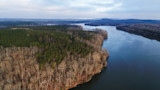
Public Lands & Waters
MeatEater Land Access Initiative 2026: Help Save Tuckertown Gamelands!

Update: We're proud to announce that our 2026 Land Access Initiative campaign was a success! Over the course of the 30 day matching initiative, we raised more than $600,000 in total for the Save Tuckertown campaign. And with these funds, Three Rivers Land Trust was able to put the first tract of the...
Mark Kenyon Apr 14, 2026
Read More Play Now 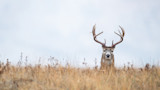
Scout
Scouting These Public Land Spots Will Help You Kill More Deer

When it comes to hunting public lands, finding consistency from tract to tract is rare. Each area presents its own challenges and often has very few similarities to the next one. Over the years, one trend I continue to see is that mature bucks use public lands as a portion of their home range...
Alex Gyllstrom Mar 17, 2022
Read More Play Now The comments section requires Functionality cookies. Please enable Functionality cookies in Cookie Settings to view this content.
Save this episode