Wired To Hunt
Ep. 1080: 9 Big Ways Mark Drury Has Changed His Mind on Whitetails
Play Episode
1h10m
This week on the show, Mark's joined by the one and only Mark Drury to explore nine big ways he’s changed his mind about deer and deer hunting in recent years.
Presented by Moultrie
Connect with Mark Kenyon, Jake Hofer, and MeatEater
MeatEater on Instagram, Facebook, Twitter, Youtube, and Youtube Clips
Subscribe to The MeatEater Podcast Network on YouTube
Shop Wired to Hunt Merch and MeatEater Merch
00:00:00 Speaker 1: Welcome to the Wired2Hunt podcast. This week on the show, I'm joined by the one and only Mark Drury to discuss nine big ways he's changed his mind about deer and deer hunting. All right, welcome back to the Wired2Hunt podcast brought to you by Moultrie. Today on the show, we are joined by the mad scientist himself, one of my favorite guests ever to be on the Wired2Hunt podcast, Mark Drury. He is the co-founder of Drury Outdoors, host of so many different TV shows and YouTube shows. It would take much too long to list them all. He's simply one of the best deer hunters and deer hunting communicators to ever, you know, I'm probably maybe not exaggerating here by saying to ever grace this planet. Mark is an OG. He's the real deal. And today I wanted to talk to him about something different. I wanted to talk to him about how maybe what he used to have all figured out wasn't as figured out as much as he thought it was. So I texted him the morning of our podcast and I said, Hey Mark, my plan for our podcast today is to explore in what ways you might have changed your mind or updated your beliefs on key whitetail topics in recent years. He responded, I haven't. So are we done here? And then, uh, a laughing emoji. The truth of the matter, though, once we start talking, is that there are many different ways in which Mark has updated his beliefs, adjusted his strategies, sometimes even changed his mind when it comes to the deer hunting topics that we're all so fascinated by. For example, one of our, actually several of our most popular podcasts with Mark Drury were spent completely talking about all the different ways he believes that weather impacts deer movement. Well, guess what? In recent years, he has changed his mind on some of that stuff. And there are many different examples like that. So today, I'm going to ask Mark about that. How have his beliefs and opinions and strategies changed when it comes to the weather, the moon, barometric pressure, mature buck behavior, patterning deer, using wind, using trail cameras, access and exits, and so much more. That's our conversation today, and without any further ado, let's get to that chat. Thanks for being here. All right, with me back on the line for, I don't know, maybe his sixth or seventh or eighth appearance is Mr. Mark Drury. Welcome back, Mark. 00:02:45 Speaker 2: Hi, Mark. 00:02:45 Speaker 3: How are you doing? 00:02:47 Speaker 1: I'm great. I always am excited for these conversations and appreciative, so thank you for being here. 00:02:53 Speaker 2: Likewise, I wanted to make sure my computer was plugged in. It just hit me, just to make sure we've got power for this whole thing. 00:02:59 Speaker 1: Better safe than sorry. 00:03:00 Speaker 2: I'm looking good on my end, and you look good this morning, and the season has started, and here we go, fall of 2015. 00:03:07 Speaker 1: This has become like an annual tradition. I feel like somewhere around the end of September, early October, you and I always get on one of these and catch up. So what I always want to know, and what I'm always excited to be following along with is, is what's happening in the woods where you're at, Mark? Recent hunts, anything exciting lately as the season's kicked off? 00:03:27 Speaker 3: So far, so good. 00:03:30 Speaker 2: Taylor was in from Utah for about two weeks, and she killed us this beautiful Missouri buck, just a really tall brow tines, big, giant body, and that was very exciting. It's already out on YouTube, and people seem to be really enjoying that. 00:03:46 Speaker 3: And Coondog... Night. 00:03:48 Speaker 2: Before last, killed a giant seven-and-a-half-year-old, just this tank of a body down in Missouri. But most importantly, our Catch a Dream family just flew out, and they came in with a little boy, the youngest Catch a Dream hunter we've had in a while. He was 10 years old, Wyatt, from the great state of Ohio, and he killed this 20-inch-wide 10-point, in Iowa the first night the deer came out making a scrape tearing the woods up came into a clover field right in the middle of this big acorn ridge and um just made a perfect shot the deer ran about 75 yards so that always starts the season off right that's the hunt we look forward to the most the one we do all the planning about and Wyatt got his mind off and his family got his mind off of some of the things that that has been ailing him and um it was nice to see that that come together so. 00:04:41 Speaker 1: You've been such a great example of this idea of sharing the hunt with other people over the years, right? I mean, for as long as I have seen your stuff, you guys have been giving back in this kind of way. What's that been like? I mean, I have experienced some of this in taking out new hunters and helping teach people. And I felt like as much as you're giving to them, they're giving back to you too. There's just a tremendous sense of fulfillment that comes from that, isn't there? 00:05:11 Speaker 2: It is, and I always say it's them that bless us when they're in with their presence, you know, especially their families. 00:05:18 Speaker 3: And I don't know how Catch a. 00:05:21 Speaker 2: Dream does it to come up with these just amazing families going through these trials that all of us would dread and hate and yet to see their positive attitude. It's a real inspiration when they come in knowing what they're going through. This little boy at age 10, and I have permission to talk about his condition. From the family. He's already undergone two complete bone marrow transplants. At age five, his donor was his two-year-old sister at the time. And then again at age nine, they found a match in Europe because the first one failed, which was, according to them, like one in 100,000 ever fail when it's actually a sibling that is the donor. 00:06:04 Speaker 3: So it failed. 00:06:05 Speaker 2: The cancer came back. and he went through it again at age nine. So this young boy by the young age of 10 has gone through more than most of us will ever, you know, go through in our lives and to see how much he loved the outdoors and how much he, he just wanted to be outside. Whether it, when we were done with the buck the next night, he killed a doe. Then he went fishing all day and they said he gets in trouble at school because he's looking out the window, looking at outside. 00:06:33 Speaker 3: He doesn't want to be in school. 00:06:34 Speaker 2: And, To see what the outdoors means to these families, it's very, very encouraging. And I've said it many times, I wish I could take them all. It's just the greatest joy. And if by chance any of your listeners aren't familiar with Catch a Dream, go to catchadream.org and look at what this group is doing and this organization. Make-A-Wish does not honor hunting and fishing wishes. Catch a Dream was born some 25-plus years ago. We've been working with them for over 20 years. And Whitetails Unlimited helps us with our antlers that we auction off at their banquets to raise money for trips for families. 00:07:11 Speaker 3: Just like Wyatt's. 00:07:11 Speaker 2: And it's just the best organization out there as far as I'm concerned. 00:07:15 Speaker 3: And it is a true. 00:07:16 Speaker 2: Blessing to be trusted to take these beautiful children out. 00:07:20 Speaker 1: Yeah, that's phenomenal. And it's just got to be a great way to kind of reset your perspective. every year, right? We get so worked up. We get so worked up about, oh, this buck or these antlers or this mistake I made. But then when you look at that, I think it has a way of recentering yourself on what really matters, right? 00:07:40 Speaker 3: Really quickly and dramatically. Dramatically. Yeah. 00:07:44 Speaker 2: And it's amazing how the family comes in and you bond and then you become friends. And it's, I'm just, you know, praying for Wyatt and his family and hopefully, you know, Things go well. Of the last four children we've had, two are no longer with us. To show you the seriousness in which Catch a Dream, all these families that they're dealing with, to show you the seriousness of that, it'll break your heart, I promise you. 00:08:13 Speaker 1: Yeah, wow. Well, there's no good transition from that, but I would say that I imagine this perspective shift that we're talking about when it comes to appreciating the little things or just appreciating the blessings in our life, that is somewhat related to the larger set of ideas I wanted to run by today, Mark. Because as I was thinking about this chat coming up, I thought back to the fact that you and I have been talking here for, I don't know, well over a decade now. And for as long as I have been paying attention to this world, it seemed like you have always had it figured out, right? You're one of the best. you are someone who we all look up to, and it might seem from the outside looking in that you've had it all figured out from day one, right? And that you're never making mistakes or that you're never having to learn something new. But in these conversations we've had, you know, time and time again, you've talked about, well, you know, actually this deer taught me X or this experience taught me Y, or actually I used to think this, but it's shifted a little bit. And I got to thinking that if we were to look back over the last 10, 15, 20 years in which we've been connecting on these podcasts and things, I was betting that there might be some interesting places that you've updated your beliefs. We've had some of our podcasts over the years that have been so widely listened to, so universally appreciated. I got to wondering, man, does everything in those still hold up? Or Maybe from 2013 to now, maybe you have a slightly different idea about some of these things. And so that is what inspired my idea. idea here today, Mark. And I'm wondering, for somebody who might have that assumption with you, that you have it all figured out, am I right in that that's not actually true? Like you are constantly tweaking, adjusting, maybe sometimes changing your mind. And if so, how often do you find yourself in a given, I don't know, is it once a year? Is it once every five years? Once every 10 years where you're like, oh, you know what? I kind of had that wrong. Or actually, I think it's a little bit different. Does that still happen to you, Mark? 00:10:33 Speaker 3: It certainly does. And first of all, I don't have it figured out. 00:10:37 Speaker 2: I mean, that's why we go to learn and to search and seek. And I would say that each day, we evolve. I know for years, Terry and I would speak daily. We don't do that as much now as we've aged, but for years, we would talk daily for an hour about what he's seeing and what I'm seeing and how to strategize. But those long conversations evolved into the show 13 and the app DeerCast and so on and so forth as we formulated our opinions and put our minds together and came up with what they're doing when and so on. 00:11:16 Speaker 3: And so forth. 00:11:16 Speaker 2: But I will say this in the big picture sense, I think many of your listeners, cause when did we do that? It's been years ago that we did that. 00:11:27 Speaker 1: Um, the, the weather, uh, yeah, that very first one that was like 20, yeah, like 2013 or 14, something like that. 00:11:34 Speaker 3: Okay. 00:11:35 Speaker 2: So that was when we were developing deer cast through that period. And many of those premises were based on the weather that we had experienced the previous 25, 30 years of hunting. And if you look at what our weather patterns are now, look at the last five years, we have literally been going through autumn at 10 to 15 degrees above normal for the most part. And the cold fronts would bring us to the normal temperature. That has been true the last five years. What has also been true is much less precip, and I'm speaking here in Iowa and Missouri, and this may or may not relate to someone in a different part of the country, but I know here, but they could still derive perhaps some opinions based on what I'm about to say. But the weather has been warmer and drier, and therefore we've seen an adjustment in the deer herd to how they react to um, those temperatures versus what was in our original algorithm with deer cast. And we've suggested it because we saw it happening on, on the fly. Like if, if, if you would have taken a normal autumn, call it fall of 13 or fall of 14. 00:12:57 Speaker 3: And, and, you know. 00:12:59 Speaker 2: By mid August, you've got your first or by sorry, mid October, you've got your first frost. and the daytime highs are in the 50s, the lows were in the 30s, which is what we all dream about. And then you hit them with any day we've had in the last few Octobers, it would just shut them down all together, right? 00:13:18 Speaker 3: Because we're so much above normal. I have seen them adjust. 00:13:25 Speaker 2: I've seen, you know, small, young deer grow up with these warmer temperatures, and suddenly there's almost an inverse relationship to where when it gets really, really cold, it slows them down because they're used to very, very warm. 00:13:41 Speaker 3: Temperatures, as opposed to 10. 00:13:43 Speaker 2: Years ago when it got really, really cold, it would enhance daylight activity. So we've seen that adjustment because of the change in the weather pattern. We just exited out of the solar minor. We're now in the solar major. 00:13:57 Speaker 3: I think these types of. 00:13:59 Speaker 2: Trends are here for perhaps the next 7 to 10 years, based. 00:14:03 Speaker 3: On what I read. 00:14:05 Speaker 2: And I'm kind of a geek about droughts and weather and heat and all that type of stuff. 00:14:10 Speaker 3: And I think we're going further into a warming pattern. Okay? 00:14:15 Speaker 2: We currently have the strongest El Nino on record out in the Pacific, which is going to affect the country in different ways depending on where the jet stream sets up. But it has changed the way they react to warmer temperatures, in my opinion. 00:14:30 Speaker 1: So.... 00:14:32 Speaker 2: I have changed, and we adjusted the algorithm because of that. I've also seen this dry, nasty pattern we're in create so much EHD because of the droughts in different parts of the country that have never had it before. I was texting yesterday with Eric Boothin, and I remember Eric. 00:14:55 Speaker 3: And I always stay in touch. 00:14:56 Speaker 2: He's a great deer hunter in northern Iowa, southern Minnesota, and. 00:15:02 Speaker 3: I remember 10 years ago, we don't get that up here. We don't get that up here. We're talking about EHD. And now he's like, we're getting it up here. 00:15:10 Speaker 2: Hasn't smoked them to the point we have in other parts of the country. Look at parts of Wisconsin getting it this year. 00:15:17 Speaker 3: Ohio last year. 00:15:19 Speaker 2: Of course, you always see it in Missouri and Kentucky and Tennessee. 00:15:25 Speaker 3: But we're getting bigger bouts of it. It's more widespread because the drought is more widespread. 00:15:30 Speaker 2: I saw a thing on social the other day. It hasn't rained in Nashville in like 32 days. And Dallas, Texas went 100 days above 90 degrees in a row. You know, this warming trend is just it's very dangerous to the wildlife, you know. And I've seen that EHD take out a big number of deer. It's also given a hangover effect to many that were affected. Their body systems were affected in some way, shape, or form. They don't move as well. They don't look as healthy. 00:16:05 Speaker 3: So I think the. 00:16:07 Speaker 2: Overall health of the herd is not in a great state right now. Um, we've lost a lot of deer to EHD in certain pockets, not everywhere. There's other places that haven't been affected by it, but I'm sure many blisters and right now I'm nodding their head going, yeah, my neighbor found deer. I've found deer. I don't have the deer I used to have. Um, so those two things have, have evolved my thinking, uh, after having normal autumns for 25, 30 years with average temperatures to below. 00:16:38 Speaker 3: Sometimes you'd get warm. It's now, uh, It's reverse of that. And I've thrown a. 00:16:43 Speaker 2: Lot of that out the window and I hunt a little bit different and I'm trying to sneak in there a little closer to bedrooms than ever before. So I have evolved in that way because of the weather and because of the sickness. 00:16:55 Speaker 3: In the herd. 00:16:57 Speaker 1: I want to drill in on the weather thing just a little bit more. How exactly, so you mentioned that maybe now some deer are actually moving more when they get a warm spell versus a cold spell. Can you just elaborate a little bit more on the specifics of that? Because I remember that first show we did together, right? Episode 63, that number sticks in my head. People were so fascinated by the specifics, right? Okay, if you got a 10 degree or more temperature drop, well, then you're probably going to get an increase in movement for so many days afterwards, et cetera, et cetera. Can you give me that level of detail when it comes to how you're seeing things now? And if, you know, The warm fronts, is that a one-day bump or is that more so? And similarly, are the cold fronts now less important? 00:17:44 Speaker 3: Well, if I said that, I misstated. 00:17:47 Speaker 2: I'm saying that they have gotten used to the warm weather and they are now moving in warmer temperatures that I would not have seen them move as well, call it six, seven years ago. 00:17:59 Speaker 1: Yes. 00:17:59 Speaker 2: Because they've kind of equalized and gotten used to it, if you will. 00:18:04 Speaker 1: New norm. 00:18:05 Speaker 3: The new norm. 00:18:06 Speaker 2: And I've also seen certain cold fronts, especially earlier in the year, shut them down when previously I would not have expected that. 00:18:16 Speaker 3: And I'm talking a drastic change in temperature where it gets really, really cold. 00:18:21 Speaker 2: Whereas previously, mid-October, if all of a sudden you've got highs in the 30s and 40s, I couldn't wait to get out there. But here now, the new norm, if we've just gone through 10 or call it three or four weeks of 75 degrees is the high, and then you drop. 00:18:40 Speaker 3: It that much, I've seen them shut it down for a little bit and they have to almost. 00:18:44 Speaker 2: recreate a new equilibrium for their system. So some of these things have thrown us some curveballs. 00:18:50 Speaker 3: Where we're sitting there scratching our head going, why are they not moving? 00:18:52 Speaker 2: But it could also be that they're not feeling as well because of the EHD, and therefore cold weather puts them in a conservation mode for energy as opposed to. 00:19:04 Speaker 3: Expanding that energy. So that's my true belief, that in. 00:19:07 Speaker 2: General, the herd is not as healthy as it was 10 years ago because of all the EHD. 00:19:12 Speaker 3: Year after year after year. 00:19:14 Speaker 2: Previously, we had bouts of it, 98, 08. 12 but you'd have it and then they would recover and then you would be ehd free for a few years these past few years man we just keep getting slapped with it i haven't seen it yet this year uh but in 2022 23 24 25 i mean we just we just lost so many deer and it was it was the type that wasn't um It wasn't the type that killed them in August. It was the type that made them sick and then they would die. And when the rut hit or then... in January, February, March. I remember last year, so spring of this year, it was like, it was like May. Turkey season had ended. I'm coming down the driveway. I was actually doing some skid steer work. I'm coming down the driveway and I see. 00:20:05 Speaker 3: This shed antlered buck just spinning in my driveway like this. He's just spinning. So I knew what it was. This is May, and he's dying of EHD, literally in my driveway. I live on one of the farms. 00:20:18 Speaker 2: And I called the game warden and let him know, and I sent him a video. 00:20:23 Speaker 3: And, I mean, the deer could hardly stand. And he told me, he said, you know, dispatch it, and I'll come down and check it out. So that's what I did. 00:20:31 Speaker 2: And he was just foaming at the mouth, and he was totally out of control, spinning. And it was really, really sad. So here we are in May still losing them. And that stuff, those things didn't happen 10, 15 years ago. You know, not to my knowledge anyway. We had a deer dying upon. 00:20:50 Speaker 3: In the spring of 2025. 00:20:52 Speaker 2: And he had EHD, a buck that had shed his antlers. 25 out there just submerged and dying. 00:21:03 Speaker 3: I just don't remember those types of instances where it just lasted for so long and was such. 00:21:09 Speaker 2: A killer on a broad day. But back to your original question. I do think that normal to above normal, provided other conditions are there, we now see movement that we previously had not. I can't put an exact number on it. But I do know that I firmly believe pressure has as much to do with deer movement as anything else in all the different variables. If you still have good pressure, they will still move even in those really, really warm trends. The last few years, not fall of 26, but fall of 25, fall of 24, the first two or three weeks of the season, we were at 85 to 90 degrees. 00:21:56 Speaker 3: But we had sunshine. We had high pressure. We had breezes. 00:22:00 Speaker 2: And the deer still moved. They might move a touch later, but they still moved. 00:22:04 Speaker 1: Have any of the other factors shifted in your mind at all in recent years? You mentioned pressure, but I know also you guys pay a lot of attention to cloud cover and wind direction, wind speed, shifting wind directions, so many different things. The moon, of course. Have any of those other things been tweaked a little bit in your mind in recent years? 00:22:23 Speaker 3: Not so much that I can tell. Not so much. 00:22:26 Speaker 2: But I think if you went back to episode 63, you would have heard me talk about barometric pressure a great deal back then too. And I still believe that in my heart. It's the number one influencer when it comes to whitetails is that pressure. But there's also slots for that pressure and it's relative per season. High pressure in the early season is a little bit lower than high pressure in the latter part of the season. And if you get out of that optimal range, high, high, high pressure can subdue the movement or make them a little bit weird. 00:22:56 Speaker 3: I've seen days in December where it. 00:22:58 Speaker 2: Would get to like 30.75, like a record high pressure, you know, and it kind of almost shuts them down a little bit, you know. 00:23:06 Speaker 3: Interesting. 00:23:07 Speaker 2: They get a little bit weird with really, really high pressure. So there's optimal ranges for all of those different variables. And that's part of how our algorithm is built is around the optimal range as opposed to, just because it's high pressure doesn't necessarily mean it's going to be, uh, amazing every time. 00:23:38 Speaker 1: One thing you kind of referred to there a second ago was just how you've been seeing maybe some buck behavior change a little bit because of this, these health issues, right? Um, And I feel like in past conversations, you've talked about how these dear individuals sometimes are the greatest teachers, right? We can learn so much from individual mature bucks. They seem to always surprise us with something new. So we did an episode, this would have been probably four or five years ago, episode 699, that was all about mature buck behavior. Everything you learned about behavior of mature bucks. Have you changed your mind at all on that in recent years? Has there been a buck that has been eye-opening to you or an experience that said, huh, I guess maybe things are a little bit different sometimes than I thought? Can you think of anything like that? 00:24:26 Speaker 2: No, not necessarily, other than this whole subject of the weather has affected them in that I think a lot of them don't feel overly well and. 00:24:35 Speaker 3: Therefore aren't moving as far. 00:24:37 Speaker 2: The other thing we've seen with EHD, it seems to be far greater on the buck herd than it does the doe. 00:24:43 Speaker 3: So therefore, what previously was a more balanced herd is now out of balance and therefore. 00:24:49 Speaker 2: They don't have to travel as far. When it comes to the rut, I've seen some really miserable rut activity the last few years. You couple the warmer temperatures with a herd that's out of balance and a herd that may not be feeling the best, you know, and all of a sudden you have a lackluster rut, you know, where they're just not moving that great. You have a great day or two, but you don't have that week of unbelievable movement. I still like my dates that I've always liked, you know, 7th through the 9th, and then 17th through the... you know, the 20th or so. 00:25:22 Speaker 3: I still like the just before, just after a little bit better than peak of the rut. 00:25:28 Speaker 2: But I haven't changed a great deal other than I do think, I do think, you know, the weather has changed the overall dynamic of the health and therefore the movement. 00:25:38 Speaker 1: Okay. How do you adjust to that? You know, if you're in a situation like this where the herd health has maybe been hurt in some ways, the ratio, the sex ratio maybe has been changed. You've got these warmer temperatures. You're getting this Period of the year that you've looked forward to all year. And now you're dealt that set of cards. Like, how do you, how do you adjust and still make the best of that? 00:25:58 Speaker 2: The way we've adjusted is hunting harder and hunting longer, sitting longer hours. I mean, you've, you've got to optimize your time. Obviously you've got to balance it with family and work and everything else, but. The only way around that, I say it all the time and you hear me say it, you got to be the camera. You've got the trail camera sitting there and all of a sudden that giant walks by it in daylight. Well, you've got to spend the same amount of time out there that that camera does in order to be there when the giant walks by. So you've got to increase your odds by increasing stand time. You know, if they're not moving as much, you better be there when they do or you're going to miss it altogether. 00:26:36 Speaker 3: So that's the way we've done it. It's just hunting harder and hunting longer. 00:26:41 Speaker 1: Okay. I love that line. Be the camera. That's one that's, that's stuck with me over the years since you started saying that. And, uh, you know, this whole camera thing, trail cameras, they've changed a lot in the last five ish years, right? When we, as we've shifted from standard cameras to sell cameras and sell cameras continue to evolve and change and the, the different tools we have for understanding those photos and all that. Um, I think there's a lot of people that chase cell camera pictures now, right? That's a big thing. They get a picture yesterday, they go there today, and that has become how people do it. We talked about this a little bit back in episode 585. We did a master class on patterning bucks, but that was a while ago. Things have changed a bit as cell cameras have become cheaper, easier to use. We all have more of them now. How has your patterning of bucks maybe evolved from Um, over that time, have things changed? Have you, have you changed your mind on anything or adjusted how you do things at all recently? 00:27:42 Speaker 3: Not a ton, honestly. 00:27:44 Speaker 2: I mean, our, our, many of the spots you see us sitting in are the same spots we were sitting in, you know, 10, 12 years ago, 15 years ago. I do when setting up a new spot, have a tendency to get further into the bedroom and closer to where they bed just because daylight activity to me has has been reduced a little bit the last few years so I'm setting up spots where I previously wouldn't have intruded quite that far you know I used to be take the bedroom you know call it a big square I'd be right on the outside edge of the square you know if that was the bedroom now I'm inside one side of that square you know I'm cheating in a little bit further you know if you will so I like to get as close as I can to where I feel like they're betting. 00:28:31 Speaker 3: But I haven't changed a drastic amount in terms of that. 00:28:35 Speaker 1: How do you know how close is close enough? What are you thinking through in those moments when you're either scouting or moving in and trying to figure out this new okay distance to be? 00:28:48 Speaker 3: A lot of it has to do with, can I get there or not? You know? 00:28:51 Speaker 2: So if there's, if there's some access that allows me to get to where I'm going to sit, then I'll go. If that does not exist, then I probably wouldn't intrude in there because you're really doing no good for yourself. If you're bumping them out of the bedroom on the way to your stand, you know, that's, that's one of the biggest defeats you can have in deer hunting is, is to do a deer drive on the way to your stand or bump any. 00:29:16 Speaker 3: Deer, you know, like, And that's for sure. 00:29:18 Speaker 2: Like if I if I test a spot out and I'm bumping deer, that's a big no no for me. I just do not want to intrude on that bedroom whatsoever. I want to get as close as I can, but I don't want to bump them out of there. 00:29:30 Speaker 3: That's for sure. 00:29:31 Speaker 2: So it really comes down to just, I guess, experience in looking at a spot and going, you know, they're not going to be bad. 00:29:40 Speaker 3: On this bald face or whatever. I can get right here. 00:29:42 Speaker 2: And get up on top of this Ridge and get into this stand. Um, or I can get up this Creek and get in, you know, some little advantage to get right in their bedroom, but yet not be detected on the way. 00:29:56 Speaker 1: So on that front, one thing that I used to think is that I, I used to be so paranoid about bumping deer out of their bedroom. I was, I was just on pins and needles anytime I entered the cover because I thought, gosh, like if I ever screwed up just one time, it's done. And, and going anywhere near cover is going to be too dangerous. Um, but over the years, just more and more experience, I've kind of come to learn, like there's a little bit more wiggle room if you're smart about it. And if you do it as you described, like you can sometimes get in there a little bit more than we used to think. 00:30:28 Speaker 3: Um, And that it's windy, particularly if it's windy. 00:30:32 Speaker 1: Yeah, that's a great point. And that's, that's maybe been one of the biggest shifts in my thinking has just been realizing like, oh, wow, you can actually get in there a little bit in certain situations when you're smart. And all of a sudden it's a totally different ball game when you're playing the game in the stadium versus outside of it. Right. 00:30:48 Speaker 3: No question. No question. I love windy days. 00:30:51 Speaker 2: There are certain stands that I'll only access if the wind's above, you know, 14 or 15 miles an hour. 00:30:57 Speaker 3: And other days, I know I can't get there. It's just too calm. They'll hear you or whatever it is. 00:31:03 Speaker 2: But when it's windy, they hold tighter to that bed for sure, and. 00:31:07 Speaker 3: You can get there. 00:31:08 Speaker 2: So it does vary, I guess, a little bit on the weather conditions to make sure that certain spots you can, certain spots you can't. 00:31:16 Speaker 3: And you can tweak that approach. Through time, if you make a mistake and you go in on a day when you're. 00:31:22 Speaker 2: Busting a room, maybe it's great in the morning and it's not so great in the afternoon or vice versa in terms. 00:31:27 Speaker 3: Of your access. I have spots like that too. 00:31:30 Speaker 2: I wouldn't dare go to that spot of an afternoon, but of a morning, I know I can get there safely. And conversely, of a morning, if it's a heavy frost, once you get into late October and November, those are days heavy frost will hold them in their bed much tighter. 00:31:46 Speaker 3: Wind will hold them in their bed much tighter. 00:31:48 Speaker 2: Um, those are, those are two opportunities where you can, you can go a little bit further. 00:31:53 Speaker 1: Has these, have these warmer temperatures that we've experienced impacted any of that? You know, like how often you get those thermals you want or how often you get that frost or anything like that, right? 00:32:04 Speaker 3: That how few frost have. 00:32:06 Speaker 2: You seen the last few years? Think of your hunting and think of. You get a frosty day, now it's a rarity. 00:32:13 Speaker 1: It's a lot later. 00:32:13 Speaker 2: It used to be the norm, frost almost every morning. And now anymore, you don't get it as much, especially late October and into, it's really closer to Thanksgiving before it starts frosting, down here at least, before it starts frosting every day. That's been the last few years. It's 40s for lows instead of 20s and 30s. 00:32:36 Speaker 3: Yeah. 00:32:38 Speaker 1: I want to circle back to the camera thing. Um, how have you, you know, as cell cameras have become more and more a part of what you guys do, how have you fine tuned and tweaked how best to use them? Because I think there's a lot of people right now when it comes to cameras that are, um, we're in like a reshifting of how people use them. I think that when they first showed up cell cameras, there was this set of like, let's get them out there. And what they tell me here is where they're going to be tomorrow. And then they would go there. And I feel like there's people now learning that sometimes you can become like a dog chasing his tail. And so there's some evolution in how people are starting to think about them. How has your cell camera use, you know, what's that movement been like? Where are you at right now with like the best possible way to use that information so that it's helpful to you? Has that been changed at all or adjusted at all? 00:33:33 Speaker 4: I'm still old school in the fact that, and we've talked about this before, I still think take all of the photos that I've had throughout the season and put them into a program, and I'm looking at that program as much or more than I am looking at a cell report each day. 00:33:49 Speaker 2: I just want to know what that historical information was in the previous two or three falls, especially if it's a deer that has age to it, and learn what I can about what's about to happen as opposed to what just happened. And that's the best way I can state that I'm trying to predict what he's going to do as opposed to what, see. 00:34:08 Speaker 3: What he just did. 00:34:09 Speaker 2: So I, luckily historical information is very valuable when it comes to a white tail deer. If you have it, they oftentimes will do general things in general areas, the same year in and year out. So I'm, I'm big on saving every photo. And I think some folks, um, that I know only look at cell pictures. 00:34:31 Speaker 3: And, And then they're not keeping them, right? They get that cell report. They move on to the next day and the next day and the next day. And then that photo's gone. It's out of their mind because they're drawn to some other thought or some other deer that came in their cell report. 00:34:43 Speaker 2: And if I get focused on a deer, I stay on that deer and I'm looking at previous year's pictures and trying to predict. 00:34:50 Speaker 3: I also make sure I keep every single photo. 00:34:52 Speaker 2: It's an awful, awful thing to do in the off season after the deer season just ended to go through and catalog everything And we're probably close to 2 million photos a year now between all the different spots, you know, and, you know, how many cameras we have rolling. 00:35:10 Speaker 3: But I go through all of them. We went through them when they came in, and then I go through them again, and I keep them all. 00:35:15 Speaker 2: And then I'm building plans as I'm going through that for this coming season. 00:35:20 Speaker 3: There is a big deer right now that I'm. 00:35:22 Speaker 2: Aware of that was nice last year at age 4 1⁄2 this year. 00:35:27 Speaker 3: We got summer pictures of him. He's really nice. And it's a deer that Wade's going to target. 00:35:32 Speaker 2: And we already have a plan for when he was on us during a certain period. 00:35:38 Speaker 3: You know, it's not right now. It's coming up. 00:35:41 Speaker 2: And we've got a plan based on all of his activity the previous two seasons. We know exactly where we want to be to try and take that deer, whether we get the wind to do it or the conditions to have the access we want to get into. But Wade's going to target that deer. It'll be interesting to see. It's a true test. We've got about a week to 10 days based on what the pictures show where. 00:36:02 Speaker 3: He's actually on us during this period. 00:36:04 Speaker 2: It'll be a true test to see if we can make it happen because he's going to be a tough one. 00:36:08 Speaker 3: He wasn't daylighting. 00:36:09 Speaker 2: Much on us, but we've got a plan for it, and we put it together. 00:36:14 Speaker 1: What about this? So you have this plan in place based on what he did last year. Last two years. Okay, last two years. So you're going to assume he's going to be in area A or B, if you get the right conditions during that time period. But what if like just before that period hits, you get a cell picture of him in somewhere totally different in an unexpected place. Would you go chase him in that unexpected place instead of sticking to your plan from history? Or would you stick to the history plan? 00:36:43 Speaker 3: We'll stick to the history plan. Okay. 00:36:46 Speaker 1: For sure. 00:36:47 Speaker 3: Yep. Because where he's at, where he is, where he was, uh, Yeah. 00:36:52 Speaker 2: Never forget that with a cell picture. That's where he was. That's not where he's, you know, you get the picture, but that's where he was. I want to know where he's going. 00:37:01 Speaker 1: No, I think that's the biggest thing right now with cell cameras is that people are obsessing with where he was and not where he's going to be. 00:37:08 Speaker 3: Yep. 00:37:10 Speaker 1: Um, okay. What about the, uh, the issue of scent control, uh, You've had a program over the years that I've seen change a little bit, um, dealing with wind patterns, dealing with all the different ways you guys have, you know, went from tree stands mostly to box blinds. More often I've seen you use various sprays and washing regimens. I've seen you use ozone. Um, you've used a number of different things over the years, both the way you behave in the field and the products you use and the process you go through. Um, Where does your scent control process lay today? What's it look like today? What's been the most important evolution over the last 10 years, maybe, on that front? 00:37:57 Speaker 3: Yes, yes, yes, yes, and yes on all the things you mentioned. I'm still a freak about. 00:38:03 Speaker 2: Everything we do when it comes to scent, from clothes washing to ozone baths daily. 00:38:09 Speaker 3: In terms of our clothing and. 00:38:11 Speaker 2: Our gear, spray down, spray down while the hunt's going on, ozone while the hunt's going on. And you're not trying to, everybody says scent elimination. It's really minimizing your scent profile, right? It's trying to knock it down to where they can't dictate, you know, holy cow, that guy stinks to high heaven from a mile. They might have to be 30 or 40 yards before they're figuring out, oh, that's a human. So it's really about the distance in which they detect you as 100% a predator and then flee. We try to knock it down in every way we possibly can. If you watch our shows, you'll see us with those windows closed and those blinds. They are not scent-proof. Our scent gets out, especially on windy, windy days. But they do help, along with all the other steps we take, minimize how much scent gets out. 00:39:08 Speaker 3: And we have pretty good luck out of them. Yeah. 00:39:12 Speaker 1: Yeah, the scent regimen, I've always thought of that as like you're stacking– you know, little dominoes or something. You're just stacking all these little pieces, you know, doing the shower is going to give you a little bit more and then washing your clothes a little bit more and then keeping it in a bin outside a little bit more. And then you stack all of these little things, you do all of the little things, right. Eventually it can lead to a difference. But if you pick and choose and do just a couple of things, and then you're surprised that you're still getting winded from a mile away, you probably shouldn't be surprised, right? 00:39:44 Speaker 3: I've, Yes. 00:39:46 Speaker 2: And I still see say, I still people say on social media. 00:39:50 Speaker 3: It doesn't matter. And I'm telling you, it matters, man. It matters. It matters when you access it. It matters on your, your way back to the truck. The less set you leave, the. 00:40:00 Speaker 2: Greater the chances are he doesn't know he was hunted. The more scent you leave, the greater the odds. 00:40:06 Speaker 3: Are he's going to figure you out. 00:40:08 Speaker 2: And we've learned a lot of that just by using tracking dogs, watching Tracker John's dogs and what they can pick up about a deer versus what you had in your mind. 00:40:20 Speaker 3: Those deer are unbelievable at figuring you out. So don't let them figure you out. 00:40:24 Speaker 2: I mean, watching those dogs, take a track and find a deer that's a mile away with little bitty clues and watching how they work. If you think a deer can't figure your scent out. 00:40:35 Speaker 3: You are, you are misguided. 00:40:37 Speaker 1: There's like two parts to this equation though, right? There's one part, which is just controlling what you have on you. As far as like the scent that's eliminated, it's emanating off of you one or another. And so you can control that, mitigate that, minimize that using those things you mentioned. And the other side of things is just figuring out where is all of that scent going to blow and how do you set yourself up so that you don't blow it in the wrong places and you do blow it to the right places. We talked last year. We did our full episode just about wind and thermals. It was really cool. But I want to revisit that and ask you, what's the biggest epiphany you've had when it comes to wind, thermals, currents and how you think about that or how you utilize that to your benefit over the last 10, 15, 20 years? What's been that aha moment where you're like, okay, this is going to help me because I understand this better, or this is actually slightly different and I can take advantage of it? Is there anything that comes to mind on the wind front? 00:41:43 Speaker 2: Yes, you have to be very mindful of where your downwind scent is drifting to on the way in, the way out, and how that could affect a deer that catches you. Or more importantly, just your wind drift and the scent that you lay downwind. And again, this is from Tracking with Tracking Dogs or Tracker John. The conditions, you know, is the pressure going up? You know, or is everything going up on your way in? Or is it a cloudy day with rain and everything's getting suppressed and there's moisture in the air and your stuff's going to be. 00:42:15 Speaker 3: There for 48 hours after you leave? 00:42:18 Speaker 2: So that access in and out is very important in terms of how many deer are going to cross that trail. 00:42:25 Speaker 3: After you visited that area. It's not just about sitting in the stand. 00:42:30 Speaker 2: It's the trail you use getting in there and the trail you use getting out and how many deer are going to contact that and then figure you. 00:42:36 Speaker 3: Out and go, oh, wait a minute, there was a predator here. 00:42:40 Speaker 2: They're really good at living. They're really good at figuring that stuff out. So I think access in and out as it pertains to weather, wind, all those different things, there's certain places you can go on a windy day and certain places you can't. 00:42:54 Speaker 3: And again, it all comes with experience. 00:42:58 Speaker 2: But I love those spots that I've got a creek bottom to walk and keep everything low and visually, audibly and olfactory. 00:43:11 Speaker 3: Keep it low. 00:43:12 Speaker 2: You know, that you can't always do that. But when I can use a Creek, I do use a Creek. We clear them out so that our, our path is clear on the way in and out. 00:43:20 Speaker 3: We'll take a chainsaw. If we've got a log. 00:43:22 Speaker 2: Jam or whatever it is, we make sure we've got clear, clear passage in and out of those bottom stands. If it's a Ridge, I like to come up the backside and get to the top and stay there. I, you, you would, you seldom see me walking through an open hardwood during the season. It, If at all, I'm always on the outskirts or just inside the outskirts. And I've got a decent access without a lot of deer using that access, at least in my mind, uh, to get in and out. So I kind of just refined my spots based on failure. You know, if you're, if you're burning a spot out, it may not be because you're sitting there. It might be the access you're using in and out that burned it out, you know? or it might be the wind direction you chose to sit it on because of a backdraft or something like that. So as you fail and you learn that this is not working, what I'm doing is not working, try a different approach, perhaps in the same area and see if it will work. And we've been able to do that because many of the places we hunt I've owned for a while or leased for a while. And therefore we know where we're safe and we know where we're not because we've made mistakes. And unfortunately, I wish I could get everybody, give everybody one sentence that says, here's how to be a better hunter. But in reality, you just got to get banged around a little bit and make some mistakes and avoid those mistakes. 00:44:44 Speaker 3: In the future. 00:44:45 Speaker 1: Yeah. 00:44:46 Speaker 3: One of the biggest piece of advice I give you all day. 00:44:49 Speaker 2: Like if you have a failure, learn from it. You know, if something goes wrong, what did I do wrong? 00:44:55 Speaker 3: And how can I correct it? 00:44:57 Speaker 1: What's that process look like for you, Mark? Cause I think a lot of us, kind of we'll give that lip service. We'll say, oh, we screwed up. I better learn from that. But then we're doing the very same thing next year and the next year and the next year. It's so easy to just get stuck in a rut and just stuck with what you do. How have you, how have you like pushed back against that and actually been able to learn and grow from those failures versus just doing what all the rest of us so easily can be tempted into doing? 00:45:27 Speaker 2: I think it's discussion with other hunters personally. Like, We are always with someone else because of the cameraman situation or if I'm the cameraman and we discuss every single thing that happens in the woods. And it's amazing how many thoughts you can gain just by conversing as opposed to just sitting there processing. It's much better to sit here and have a conversation like we are. And then listen as much as you talk and respect everybody's opinions and then derive from that a plan to go forward and be better. Wade and I do it every single day. Terry and I do it often. We used to do it every single day. And break down the hunt. What did we do right? What did we do wrong? What are we going to repeat in the future? What are we going to avoid doing in the future? And through that, if you take good notes and remind yourself in future years, I must go in there at this time of the day and. 00:46:20 Speaker 3: The wind needs to be here. And it went wrong when I did this. 00:46:24 Speaker 2: And when I took that left turn, I should have went here, you know, all of those different things. We do it through discussion and groupthink. 00:46:31 Speaker 3: After the season, we'll break down the whole season. We'll break down each. 00:46:34 Speaker 2: Spot, and we just discuss and discuss and rediscuss and go through each other's minds and try to figure out a plan forward. If you've got a hunting buddy or you've got somebody you can bounce thoughts off of, I don't think it's a bad thing to call and say. 00:46:49 Speaker 3: Here's what I did wrong. Examine. Do you have any thoughts? 00:46:52 Speaker 2: I have my own, but I think discussion is a very powerful tool for deer hunters. You know, you can see it on social media, but there's no substitution for, you know, an oral conversation between two hunters that are both, you know, wise to the ways of the world. 00:47:08 Speaker 1: That's such a great point. I have found on this kind of topic that one of my frequent mistakes that I keep making over the years and, and I know it and I will like address it to myself or a friend will point it out to me, but then I kind of fall back into this is, is, is getting stuck in like paralysis by analysis. I'll overanalyze things. I'll overthink things and then I'll get, you know, stuck in a loop because of it. Um, like that's like, that's a common mistake of mine that I could look back over so many years and see that I'm almost overthinking it, making it too complicated and, Um, and I'm curious if you have anything over the years that you could look back on and say like, ah, this has been a thing that I have done repeatedly. Here's a common mistake that I make, or here's one of those things that, gosh, I know I gotta, you know, learn more about this or adjust this. And every year I tend to fall back on it. Every few years I make that same mistake again. Is there anything like that for you? Or am I just uniquely bad at correcting everything every year? 00:48:28 Speaker 3: No, I don't think so. And that's, that's not all bad. 00:48:32 Speaker 2: You know, I mean, I think the more you self-examine and the more you criticize yourself, the better you're going to become, you know, as a hunter and as a human, as far as that goes, you know, I think The worst personality is one that thinks they just do everything right every single day. I mean, you're never going to learn and never going to get better. You know, almost the narcissistic deer hunter, right? You know, you don't want the narcissistic attitude with, I know everything, you know, you really need to go into it and go. 00:49:01 Speaker 3: I only know what I know. What can I learn today? 00:49:04 Speaker 2: So I think your approach is probably a wise one, although it'll cost you a lot of sleep. 00:49:09 Speaker 3: I do know that, particularly those trail photos. 00:49:12 Speaker 2: You know, you could sit there and examine and look and all that stuff as they come in through those cell reports. But you got to make sure. you stay rested because if you spend too much time thinking and not resting, you're not ready and you're not alert enough the next day to go out and perform. I think that's a very important aspect. It wasn't the question, but I think a lot of guys run themselves down and then aren't sharp and aren't focused. 00:49:39 Speaker 3: You need a lot of focus. 00:49:40 Speaker 2: To deer hunt because the sport in and of itself will fatigue you just from looking, listening and watching, you know, trying to find a deer. So you got to stay rested. So you really need to give yourself, you know, this is it. It's nine 30. 00:49:52 Speaker 3: I'm shutting. I'm not looking at another trail photo. I'm going to bed. 00:49:55 Speaker 2: I'm getting my rest and we'll deal with it tomorrow. You know, those types of things. So, I think rest is very important. And really, you don't hear people talking about it, but I work my tail off throughout the day, each and every day for the entire season. But when it comes 9 or 9.30, leave me alone because I'm going to bed. I want to get a good night's rest so I'm ready for the next day. And when I was younger, I wasn't that way. You know, I was the guy up having a few beers, you know, talking with my. 00:50:24 Speaker 3: Buddies, all that good stuff. 00:50:25 Speaker 2: All of a sudden it's 12, 31 o'clock. 00:50:27 Speaker 3: Oh, wait a minute. 00:50:28 Speaker 2: We got to get up at five in the morning. And then you're, you're not, you're not rested. And anymore, as I age, I'll be 60 in October. 00:50:36 Speaker 3: That rest is so important. 00:50:37 Speaker 2: That would be one, one piece of advice I could give all of your younger listeners. Prioritize rest when you're young and you'll be a better deer hunter just because you're focused and you're ready for the day. 00:50:49 Speaker 1: It's interesting you bring that up because this is actually somewhere where I've changed my mind a little bit. Or at least evolved some. But not as much at night, but during the day. And I'm interested in what your take has been on this and how that's evolved at all with you. So when I first became really, really diehard about whitetails, like trying to kill mature bucks, I was of the mind that during the rut, Of course, there's increased daylight movement. And in the middle of the day, there's going to be those bumps on certain days during certain conditions. And so there is no excuse to not be out there every single hour of every single day because you need to give 1,000% effort, right? And so I would hunt 21 straight days, 13 hours a day, whatever it might be. And I would grind myself to an absolute pulp because I wanted to do as much as I possibly could do to maximize success, right? Um, but then what I found is that I would burn myself out. I would be so exhausted, so, uh, you know, stressed almost in physically and mentally by all of that, that, you know, I ended up losing my focus. I ended up not performing as well in the field. I ended up not enjoying it as much. And then because of that, not doing all the other, many other little things you need to do. 00:52:03 Speaker 3: Right. 00:52:03 Speaker 1: Um, and so in recent years, I've started to adjust that a little bit, still sometimes hunting all day, but also sometimes giving myself permission, like When your buddies are visiting for the week, you should see them at lunch and enjoy that camaraderie. Or maybe take a day off and reset your body and then be ready to be very, very focused for the next seven days or whatever it might be. What's that look like for you? 00:52:30 Speaker 3: It is similar to that. I don't hunt nearly as many. 00:52:35 Speaker 2: Middays because of FOMO, which is your fear of missing a deer. 00:52:39 Speaker 3: My goodness, what if he walks today at noon? And I'm not there. 00:52:44 Speaker 2: I remember back in the day, Terry and I would sit all day, every day. And Terry sits longer hours than I do. But I try to stay rested at night. And then I also try to give myself mental breaks throughout the season. If there is a period that we focus the hardest, it's October and December. We hunt harder in October and December than we do in November. November, I hunt hard, but I don't hunt nearly as hard as I used to because of the sporadic nature of the hunt and them being locked down with those. I will give it my all up through about the 9th or 10th. And when they lock down, that like 11th or 12th through about the 17th, I generally take a fairly decent breakthrough there where I just don't quite hunt as hard just to give myself a break right in the middle part of the season because I just went through all of October and then I'm going to rest up and get ready for December because. 00:53:43 Speaker 3: Frankly, in my opinion. 00:53:46 Speaker 2: Bucktober and deercember are the best two times to kill those bucks when they're not with the does as opposed to trying to kill them with the does. Now, that's on my farms and how we hunt. And I've lost a bunch of deer. 00:54:00 Speaker 3: During the rut. You know, they wander and they go get killed and so on and so forth. 00:54:05 Speaker 2: But the way I hunt and the way I've had the most success, we kill the bulk of our deer in October and December. 00:54:12 Speaker 3: We kill several in November as well. 00:54:14 Speaker 2: We're lucky in the fact that Missouri opens up rifle season in November, and we enjoy that camaraderie around rifle camp. 00:54:23 Speaker 3: And we go out and we partake. 00:54:25 Speaker 2: But the long and short of it is, through the years, the bulk of the movement we see are the first two hours and the last two hours of the day. Yes, there is sporadic movement throughout the middle part of the day, but it still doesn't match up to what is the first couple and the last couple overall, you know, and there's been a bunch of studies that show that as well. If you really want to hit the bulk of the movement, at least 80% of it, go sit the first two or three and the last two or three, and you're going to see about 80 plus percent of the movement in any given day. Peak of the rut, full moon, that may not be true, but most of the season that statement is fairly true. 00:55:08 Speaker 1: Yeah, yeah. And gosh, I would rather see 85% of the movement when I'm feeling 100% and operating at 100% versus being out there for 100% of the movement but operating at 50%. 00:55:22 Speaker 3: You said it right there. Yeah. You need a t-shirt. 00:55:26 Speaker 2: Shorten that up and create a t-shirt. 00:55:29 Speaker 1: I'll work on that. 00:55:30 Speaker 3: An avalanche promo with an X through it, you know? Yeah. 00:55:34 Speaker 1: Gosh, that has plagued me for many years, that's for sure. End it. 00:55:40 Speaker 3: At the end of the day, so what if you don't kill him? 00:55:43 Speaker 1: Very true. 00:55:44 Speaker 3: Does it change you? 00:55:45 Speaker 2: Does it change your life, your children, your wife, your relationship if you don't kill him? 00:55:50 Speaker 4: No. 00:55:51 Speaker 2: It changes your mental, your own personal desire and perhaps ego. 00:55:55 Speaker 3: Let's all admit it. We as deer hunters have egos. 00:55:59 Speaker 2: We want to kill that big deer just to satisfy our own drive and our own ego. 00:56:05 Speaker 3: But at the end of the day. 00:56:07 Speaker 2: As I age, my perspective on what it means isn't anything close to what I felt when. 00:56:14 Speaker 3: I was in my 30s and 40s at all. 00:56:17 Speaker 1: What led to that? Was there a moment or a period of your life or a specific deer or anything where you all of a sudden that clicked for you and you realized, ah, this isn't life or death or whatever that moment was like for you? 00:56:32 Speaker 2: No, I think as you age, we all get a bit more spiritual. Our work with Catch a Dream has affected me a lot. Many of the people in my life have affected me a lot. My wife has affected me greatly. She's not a hunter. So I've lived with her approach and aspect to life my entire life. And I draw on that a great deal because she has no interest in killing an animal. She has no interest in hunting or going out whatsoever. So I don't want to say that it's changed me, but it affects me. it affects my overall approach to things. I'm still just as passionate as I've ever been, but I don't quite go. 00:57:15 Speaker 3: Over the top. 00:57:16 Speaker 2: Like I used to when I was 30 and 40 for sure, but I'm. 00:57:20 Speaker 3: Still just as passionate. 00:57:21 Speaker 2: I still go, you know, 12, 13 hours a day, every day, all day. 00:57:25 Speaker 3: And I love taking other people hunting and I love it. 00:57:28 Speaker 2: Just absolutely eat, sleep and breathe being with someone else and seeing them get that reaction or, that excitement of killing a deer the other night. When Wyatt shot that deer, buddy, if I could have bottled that up, I would just have that emotion day in and day out. He was so excited to see that deer come and then make a heart shot, you know, with his. 00:57:49 Speaker 3: 350 Legend. 00:57:50 Speaker 2: And it was just, there's nothing like it, seeing somebody else succeed out there in the outdoors. Because you know he's got his whole life ahead of him, right? And here I am at age 60, I don't know how many years I got left. I'm probably starting the fourth quarter, frankly, you know? Um, so, you know, I like seeing other people enjoy it now more, more so than myself in all honesty. 00:58:12 Speaker 3: And I think everyone. 00:58:13 Speaker 2: Goes through that natural evolution as a, as a hunter, you know, passing on becomes more and more important. I just traded a text with my son-in-law the other day about that, that very thing. 00:58:23 Speaker 1: When you were 30, let's say, give or take, how did you define deer hunting success? 00:58:32 Speaker 3: Killing a big bot, man. 00:58:34 Speaker 1: That's all it was. Yeah, exactly. 00:58:38 Speaker 3: Find a big mature one and go kill him. Look at me, you know? 00:58:41 Speaker 1: Okay, exactly. 00:58:42 Speaker 3: All right. 00:58:42 Speaker 1: And so now you're almost 60. Did you just turn 60 or almost 60? 00:58:46 Speaker 3: I will in October. 00:58:48 Speaker 1: Okay. Happy early birthday. 00:58:50 Speaker 3: Thank you. 00:58:51 Speaker 1: How do you define success today? 00:58:56 Speaker 2: Success today to me is, is leaving things better than I found them. I am big in habitat and I'm big in improvement. Seeing poults hatch, seeing fawns, seeing a herd that's more balanced. It's conservation type subjects as opposed. 00:59:14 Speaker 3: To going out and trying just to kill a big deer. 00:59:18 Speaker 2: It's about them, the resource, not me or a trophy wall, if you will. It's about everything else as opposed to trying to kill that big deer. 00:59:30 Speaker 3: Don't get me wrong. I'm hunting big deer and I want to kill that big. 00:59:34 Speaker 2: Deer, but those are the things that are a little bit more prioritized than, than that moment. 00:59:41 Speaker 1: Yeah. Uh, speaking of conservation, I saw that you were awarded, uh, by the state of Missouri, a conservation award, Mark. So congratulations on that. 00:59:49 Speaker 3: Thank you. I appreciate that. We were honored to go there and it was an honor to have mom there with us that night. That was, that was fun. 00:59:56 Speaker 1: Well, well deserved. Um, And I feel like this is a perfect place to kind of wrap it up because, you know, the impetus for this was just trying to explore a little bit of your evolution. And as I've been thinking about my own evolution, I think that, you know, so many of the things that have shifted for me and that I thought were important were, you know, how do I get better at using the wind? Or how do I use my cameras better? Or how do I set up my access or exit? But probably the thing that has made my deer hunting better has shifted my deer hunting the most in recent years, and has probably led to me being a better deer hunter now, has just been redefining success more than anything. It's just been getting comfortable with who I am as a hunter and figuring out what success means for me. And once I kind of got that, everything else started getting put into place. And because of that, I think that's unlocked, I think, a lot of great years ahead of me. And I think I've, I imagine a lot of us have seen you go through a similar evolution and it's been very interesting to kind of hear you talk us through that. So thank you, Mark. 01:01:00 Speaker 3: Oh, my pleasure. 01:01:01 Speaker 2: I mean, it's, as you age, you don't have any choice because you're not as good. 01:01:04 Speaker 3: As you were, right? 01:01:05 Speaker 2: I can't pull the pounds I used to pull. I can't shoot the groups I used to pull. I can't walk, you know, as far as I used to or at the speed that I once did. So age is a it'll humble you. I'll promise you, you know, and I still look to brother Terry. He just turned 70. So my whole life, I've always like, well, I got at least 10 years left, right? 01:01:26 Speaker 3: And here he is, here he is 70 years old. 01:01:29 Speaker 2: And just out there kicking butt, man. And his, his passion motivates me. And here's mom at 93. I got a text last night. She was like, I can't wait to go with Terry. He and Forrest have plans of where I'm going to sit. They think they've got some good deer I can go hunt. I'm going through physical therapy. I'm having trouble with my legs, but by darn, I can't wait to get out there and go hunting. Then I want to come up and hunt with you during rifle season. That's the stuff we were texting about last night. She's 93, so what a motivator. You can look to other people in your life and help motivate you and also reset your overall expectations. 01:02:04 Speaker 1: Yeah, what an inspiration. She's amazing. 01:02:08 Speaker 3: She is. 01:02:09 Speaker 1: That's really pretty amazing. 01:02:10 Speaker 3: She is amazing. 01:02:11 Speaker 2: She's killed two deer three years in a row, and she has also killed at least one archery deer, now with a crossbow, four years in a row. 01:02:19 Speaker 3: But three years in a row, she's killed two different bucks. 01:02:23 Speaker 1: Good for her. 01:02:24 Speaker 3: So at ages 92, 91, 90, and then 89. We can all hope to be so lucky, right? I'm telling you. 01:02:34 Speaker 2: I'm telling you, we could all hope to be so lucky. And I think it, I look back at mom's upbringing. She was raised dirt floor poor on a farm, three. 01:02:43 Speaker 3: Other sisters, milking cows at 5 a.m. every day before school. 01:02:48 Speaker 2: And to this day, when she walks in a house, she will take something and wipe the bottom of her shoes off to clean them off. She will use a paper towel, hang it up to dry it. She is the most conservative lady you will ever meet ever. And I think it is all in your raising. Look what she went through, through the Great Depression and all of those different periods in her life. Look at how we're raising our kids now with excess and surplus. What is society going to be like in 60, 70 more years? Sometimes giving everybody everything is not a great thing. Sometimes you've got to make sure people are earning it. 01:03:27 Speaker 1: Man, that's the truth. That's an entirely... different podcasts we could do someday but I do feel like hunting and fishing but hunting in the outdoors in general is such a great way to still provide some of that challenge and hardship and necessity for perseverance like that's such a great way to teach some of those things to kids today in this strange new world we're in but. 01:03:49 Speaker 2: Yeah literally it is it's the best way no such thing as being in a bad mood when you're out in the woods I go out every day in some way shape or form I'm outdoors trying to do something We moved to the farm, and man, I just can't get enough of it. 01:04:03 Speaker 3: In-season, off-season, whatever it is, it's amazing. 01:04:06 Speaker 1: That's the good stuff, Mark. Well, real quick before I let you go, what's the latest on the Drury Outdoors side? What should folks be looking for? What should they be checking out on the app? Is there anything you want people to know about? 01:04:19 Speaker 2: There's so many different ways to reach out to us or follow what we're doing. 01:04:23 Speaker 3: DeerCast is the number one. 01:04:25 Speaker 2: We put the kills up there before they go anywhere else so you get to see the shots. all the different aspects within DeerCast have just continued to improve and improve. The algorithm's as sharp as it's ever been. DeerCast Track, still one of the biggest, most important parts of that app. The food plot planner, I don't know if you saw the ads we did for that, but you now can go in, trace a food plot, And it'll tell you the chemicals, the chemical application, the fertilizer, the seed rate, everything just based on the size, the algorithm, you know, does all the rest of that for you. So what is traditionally been one of the questions we get most, how much of this, how much of that, what do we do? It's kind of a confusing subject. The plot planner breaks all that down for you. So that's a brand new aspect of DeerCast. But you can also catch us on Facebook, Instagram. And of course, our YouTube series just continues to grow and grow and grow. I was talking to Taylor yesterday. she killed that deer. We had the hunt produced within, I think five days. And within the first five days of it being on YouTube, it had a million minutes viewed already, you know, 200,000 views. It's just incredible how the light speed at. 01:05:34 Speaker 3: Which everyone can enjoy and share in the moment and. 01:05:39 Speaker 2: Learn from what we're learning. It goes back to that discussion, you know, um, why not watch it? I love watching some of my favorite stuff. You know, I like watching the guys at seek one and the hunting public. And I still love the real tree guys and the Mossy Oak guys, the bone collector guys. 01:05:55 Speaker 3: I'm still a fan of all that stuff. 01:05:56 Speaker 2: So I've, I have a tendency to, you know, when I see a real come through, I'll stop and watch it. And it brings me back to, you know, especially those real tree classic stuff or Mossy Oak classic stuff. I love seeing that stuff, you know, it's a, it's fun to kind of drift back a little bit and, and, um, and, Remind me of when I was 30 and 40 and the things I got excited about. 01:06:17 Speaker 3: Yeah. 01:06:17 Speaker 1: So true. Well, uh, I appreciate that you guys are still putting it out, still doing such a great job, keeping us entertained and educated and, uh, and you're still learning and we're still learning alongside you. And that's, that's encouraging to me. So thank you. 01:06:33 Speaker 3: How many episodes is this for you? 01:06:35 Speaker 1: Oh gosh, Mark, this is like a thousand 80 or something like that. It's crazy. 01:06:41 Speaker 2: Those working class bow hunter guys, when they do like a 700 or an 800, they'll go for eight hours. 01:06:47 Speaker 3: So did you do 10 hours for your thousandth? 01:06:50 Speaker 1: No, I don't have that kind of longevity. I've got two kids, Mark. They've taken that kind of energy out of me. 01:06:57 Speaker 2: You'd need a lot of gas and a lot of alcohol like those guys do. 01:06:59 Speaker 1: Oh, I sure would. It sure would. 01:07:01 Speaker 2: Well, congratulations on your monumental, I mean, over a thousand episodes. Man, that is so, that's super good for you, Mark. 01:07:07 Speaker 3: A lot of information out there. How do you keep it fresh? How do you, How do you do it, man? 01:07:12 Speaker 1: That is one of the biggest challenges, Mark, constantly trying to think of. I mean, that's why conversations like this come about. It's like, okay, how can we rethink something or look and try to see how have we evolved? Or I'll dive really deep into some narrow slice. I think some of those are our best episodes. Like, you know, our chat last year when I just asked you nothing but wind-related questions. I think that's somehow how I'm able to find those new angles on things. You're right. It's hard. And I think there's a lot of people trying to do this kind of stuff. And there's only so many different people and so many different topics. So that's what I have to get up in the morning and figure out. And I'm very thankful to get to do it. 01:07:54 Speaker 3: How many do you do? What's your pace? Like X amount per week? 01:07:58 Speaker 1: Yeah, so we do one new regular Wired to Hunt episode every week. And then we've kind of shifted a little bit. I've got a kind of a co-host that does one every other week with me. And then another guy that does one every single week, but it's a different format. It's like a, like a monologue on one topic, like a 15 minute deep dive on something. So we have, you know, three different episodes coming out every week in different styles and formats with three different voices now. 01:08:26 Speaker 3: Oh, wow. Good for you guys. That's awesome. 01:08:28 Speaker 1: Yeah. You know, there's no shortage of information these days. 01:08:31 Speaker 3: That's for sure. Where do you take it from here? 01:08:34 Speaker 1: Oh man. You know, I would say that most, the, the, The next step for me has actually been diversifying. So I have kind of along your lines, Mark, and I don't know if you saw this, but I took on a new role at Meteor. I'm now our director of conservation. 01:08:50 Speaker 3: I saw that. Good for you. 01:08:52 Speaker 1: Yeah, thank you. So in addition to the whitetail stuff, yeah, I'm doing more and more on that conservation side. So I actually have a conservation-focused podcast. too, doing more of this kind of big-picture stuff as, you know, similar trajectory to you, right? It went from I used to just want to kill big bucks, and now I still want to kill big bucks, but I also want to make sure we have wild places and healthy deer herds and healthy wildlife of all types that my kids and your kids and others can enjoy in the future. And so that's been... kind of that next era for me has been stepping into that world. 01:09:25 Speaker 2: You know, one of the greatest conservationists I've met through my. 01:09:30 Speaker 3: Life is Rob Kick. I don't know if you've ever had him on your show. 01:09:33 Speaker 1: I haven't. 01:09:34 Speaker 2: He would be a great guest if you just sat back and said, how can I do my job the best? He was the president of the NWTF and then he became the director of conservation. 01:09:44 Speaker 3: At Bass Pro Shops. He was the guy behind Wonders of Wildlife. 01:09:48 Speaker 2: He directed that entire project like Rob would be a fantastic phone call for you, whether he'd be a guest or just advice, man. He's got it going on. He really eats, sleeps, and breathes conservation. He has for 40 years. 01:10:01 Speaker 1: That's a great suggestion. I'll be bugging you for some contact info, I think. 01:10:06 Speaker 3: Absolutely. He's a good one. He's a treasure. He's a national treasure, as far as I'm concerned. 01:10:14 Speaker 1: You know, it's going to be weird for you, but someday people are going to be saying that about you. 01:10:18 Speaker 3: No, no, they won't. They're going to be you. They're going to be you. I don't have to listen to that guy anymore. 01:10:24 Speaker 1: Good riddance. Mark, I always appreciate these chats. I always enjoy it. I wish we could do more. If I was in your neck of the woods, I'd love to get coffee every once in a while. But thank you. Thank you for doing this. 01:10:39 Speaker 3: It'd be a long coffee. 01:10:41 Speaker 1: That's true. Maybe one of these days I'll sneak over to Iowa. We'll make it happen. 01:10:45 Speaker 3: Go there for breakfast and end up eating lunch. 01:10:47 Speaker 1: I like it. 01:10:48 Speaker 3: All right, Mark. 01:10:49 Speaker 1: Well, thank you. Keep up all the great work and good luck out there. 01:10:53 Speaker 3: Blessings.
Presented By
Featured Gear

While you're listening
Turkey
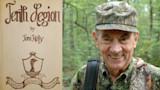
Colonel Tom Kelly Has Died but His Turkey Hunting Legacy Lives On

Colonel Tom Kelly, the author of Tenth Legion and renowned turkey hunter died over the weekend. His daughter, Laura Kelly Bates, confirmed the news in a short video posted on Kelly’s website. The cause of death was not initially stated. Kelly was 99. “This weekend, we lost one of the greatest...
Adam Moore Oct 7, 2026
Read More Play Now 
Wildlife Management
Ask a Warden: How Has Social Media Changed Your Job?

In our new series, Ask a Warden, we’ll be interviewing officers from across the country to learn about their role in protecting our game, fish, and other resources. In this edition, we asked officers from Alaska, Kentucky, and Wisconsin about the how Facebook and Instagram factor into modern...
Spencer Neuharth Oct 22, 2019
Read More Play Now 

The comments section requires Functionality cookies. Please enable Functionality cookies in Cookie Settings to view this content.
Save this episode