Wired To Hunt
Ep. 846: Rut and Gun Season Tactics for Low Deer Density Areas with Jim Bouchard
Play Episode
1h30m
This week on the show I’m joined by Jim Bouchard, an outdoor writer and northern Michigan deer hunter, to discuss rut hunting and gun season tactics for low deer density areas.
Connect withMark KenyonandMeatEater
MeatEater onInstagram,Facebook,Twitter,Youtube, andYoutube Clips
Subscribe toThe MeatEater Podcast Network on YouTube
00:00:01 Speaker 1: Welcome to the Wired to Hunt podcast, your guide to the whitetail woods, presented by First Light, creating proven versatile hunting apparel for the stand, saddle or blind. First Light Go Farther, Stay Longer, and now your host, Mark Kenyon. 00:00:19 Speaker 2: Welcome to the Wired to Hunt podcast. This week on the show, I'm joined by Jim Bouchard, an outdoor writer and Northern Michigan deer hunter, to discuss rut hunting and gun season tactics for low deer density areas. Really all right, welcome back to the Wired to Hunt podcast, brought to you by First Light and their Camera for Conservation initiative and their brand new line of whitetail gear this year. You can find it all over at first Light dot com. In today's episode is just what you need to hear if you are hunting right now as this pot cast drops. This one's coming out on November fourteenth, twenty twenty four, and that means we are right smack dab in the middle of the rut and for many hunters across the country, just about to kick off gun seasons when things do change. So to help with that, to help with those challenges on the way with the things that you might have going on right now. I've brought on a guest who is brand new to this show, but with a lot of value to add. His name is Jim Bouchard. He's a Northern Michigan deer hunter who has been getting it done consistently, year after year after year in a really tough place to do that. And I know that because I grew up hunting in northern Michigan with very limited success, and Jim somehow is doing it in similar country with very impressive results, killing mature bucks in places where there just aren't a lot of those kinds of deer. And so I've been watching Jim from afar trying to figure out how he does it, what's the secret to his success, and how can you kill deer like that in places where you know the cards are stacked against you. Low deer densities, big timber, lots of cover, lots of hunters, hard to understand terrain. Whether you hunt in the big woods of Kentucky or southern Ohio or or up north in Minnesota or Wisconsin or Pennsylvania, you know there is a lot of the nation that has this set of circumstances and Jim's tactics are proven to work in those scenarios, so I wanted to get his perspective and to be able to help all of you out there who don't get to have the luxury of hunting thousands of deer across the perfectly manicured farm fields of Illinois or Iowa or Kansas and the Gray Plains. Whatever it is. That is what today's podcast is all about and the unique challenges that come by way of gun season. Because Jim has been able to enjoy success even after our November fifteenth opening day of gun season here in Michigan. So Jim not only is a successful hunter, He's also successfully been able to share these stories in Peterson's Bow Hunting Magazine and Bowhunter Magazine and does a great job communicating as well. So that is I'd say a double whammy for why Jim's gonna be a great guest here, good hunter, good communicator, and relevant information for you here today in mid November. So I think we should not beat around the bush here, we should get right into the show. I will remind you that if you enjoy our rut hunting tunes, Big White Tails and the Most Wonderful Time to kill deer. They will be at the end of the episode. So some of you may not like it, but I can tell you that my six year old son absolutely loves these songs and I have to go find them in our episodes of the podcast whenever he wants to listen. So if you have a child who really enjoys these jingles, or if you are a child at heart the guy I am, and want to enjoy those songs. There at the end, they're still here. We are still celebrating the rut because this is the most wonderful time to kill deer, and damn it, I'm gonna enjoy it, have a good time with it, and I hope you will too. So without any further ado, let's get to my chat with Jim. 00:04:04 Speaker 3: Who's sharp. 00:04:11 Speaker 2: All right here with me on the line for another episode of the Wired Hunt podcast is Jim Buchhard. Welcome to the show, Jim, Thanks for having me. 00:04:21 Speaker 3: It's a pleasure. 00:04:23 Speaker 2: Like I was just saying a second ago before we started recording this podcast, is incredibly self serving today. I'm a very selfish person. I am here for my own personal gains today because I am a aspiring Northern Michigan deer hunter. I grew up hunting in Northern Michigan, but we didn't do too terribly well up there. And now I've been watching you from afar for years, every year killing big old bucks in Northern Michigan, and I keep scratching my head and wondering how does he do it? So today today we're getting the answers. Jim, Okay, I'm hoping you can live up to that. 00:05:03 Speaker 3: I hope I can do my best to help you out. 00:05:06 Speaker 2: I'm sure you can. And I'm actually I'm actually leaving for our Northern Michigan deer camp tomorrow night, so this is very good timing. I'm actually heading up there to help my dad with a short rut hunt, hoping that he can can fill an archery tag up there before our big gun season camp. So so yeah, we're gonna try to turn these ideas around real quick and put them into action. Well that said, what I think I'm curious to set, or what I want to do, is set the stage, Like I understand the situation you're hunting in. I've grown up hunting similar stuff, but I imagine there's a lot of people that can't and haven't done that before. So could you first kind of describe for me what the areas are that you hunt, Like, what what those areas are, Like, what what's the habitat composition? Like, what's what are the challenges to hunting in these kinds of places? Because because what impresses me about what you do is the situations you're finding success in. This isn't like you're killing deer in Iowa on manicured farm ground like my buddy Dan Johnson. You're doing it in a different kind of different kind of place. So can you paint that scene for us? 00:06:12 Speaker 3: Yeah, so in this area, it's yeah, you have the egg of Michigan, but there's a ton of big woods and you know, when it comes to hunting up here, the expectations of the size of things. Man, you're a Michigan guy. Earlierarly on, if it was three inches you were pulling the trigger, which you know, a lifespan. It just they're so short. So when it comes to expectations, you know, that's the one thing I like about you and toning your conversations. You know, it's uh, it's hunting deer. So giant deer around here. I mean I was just talking with somebody the other day. The biggest deer I have ever held. It wasn't mine was And I've been hunting my entire life with the extremely serious hunting fan family. Is like one hundred and forty two inches, you. 00:07:03 Speaker 2: Know, the giants. 00:07:04 Speaker 3: That a giant though, that's the biggest I've ever held. So and that you know, you go southern Michigan, there's gonna be a lot of one forty shot this year and larger, you know. So in this little pocket of the TB area that it's been labeled for a long long time, is there are a lot of hunters, But as far as like even looking at watching television and thinking about one six, it's just not going to happen. You know, I'd love to make it happen, but I really try, but that's just an unrealistic expectation around here. 00:07:41 Speaker 2: So so up there, do you guys have a lot of the like Detroit hunting traffic that's coming up to hunt your neck of the woods. Is that where a lot of that pressure is come gun season and whatnot? Or is it mostly locals? Ye? 00:07:54 Speaker 3: Like in the in the area where I live, there's a lot of people that do come up from downstate to this location and you guess that the trunk slammers, right. I mean when you're driving in Michigan, it'so migratory state every Friday Sunday. And the thing about me living up here is I'm always doing the opposite. You know, if I'm going downstate every but it's coming north and vice versa. So in my particular area is a lot of people that do come from downstate, but in general, it's just like it's the hunting lifestyle. So there's just a lot of people that hunt. So even one of my favorite farms that I hunt, everywhere you look there's a tower blind. You know, every food plot in the area that I have has a tent right on it has a ladder stand on it. So it's just what we do around here. It was a lot more migratory back in the day, you know, as Michigan's turned. It used to be the up was the jam, That's where you saw the big buck night, That's where they came from. And now it's like totally flip flop to the opposite side of the state, which is pretty amazing. But yeah, it's just what we do. We hunt here, and there's a lot of hunt every single field that has a box on it. 00:09:02 Speaker 2: So yeah, so you've got this part of Michigan, northern Michigan where you have a mix of some egg and some timber and probably some swampy stuff too, is that right? Oh yeah, yeah, okay, so not too different. 00:09:16 Speaker 3: That's I mean a lot of cedar and uh, lots of a lot of thick stuff. Yeah, a lot of. 00:09:23 Speaker 2: Water, right, water and thick marshy cedery, swampy, lots of timber. Big. It's big, big country, right. 00:09:32 Speaker 3: Big country. Yeah, you can you know, some of the chunks of state land up here, enormous in federal land and really unique in the fact that you have federal land right on Lake Huron, which is like awesome up here. And now the new craze of a lot of public land stuff, there's more pressure than there used to be on those locations, but it's pretty amazing they have that much shoreline that's at your disposal, you know, on that state land. 00:09:57 Speaker 2: So here's here's where I have spent a lot of days scratching my head when you're looking at especially like big tracks, like you're talking about big state land, big federal land, which there's a lot of that in northern Michigan, northern Wisconsin, northern Minnesota, Vermont, Maine, Pennsylvania, southern Ohio. There's a lot of parts of the country that have this big timber or big swamp, lots of woods, vast areas. It's overwhelming in many cases, and because there's not as much diversity, or at least obvious diversity like you might have in a southern Michigan, where there's like field here, a little bit of woods here, it's kind of daunting to try to break it down and figure out where the heck are these deer because on top of that, at least in most of the places I've hunted like this, you've got the big woods or big whatever, but then relatively smaller, relatively lower deer density. So it's you've got a couple of needles in a really big haystack that all kind of looks the same. So I gotta believe one of the secrets to your success is just breaking that stuff down and finding what to focus on within these vast countries or the big swamps. So there's big pieces of timber that are next to your spots or that are your spots, Can you kind of walk me through that to start is like, how do you go about breaking down this kind of habitat that's not as obvious as the standard Midwest southern Michigan, Ohio, whatever kind of stuff. How do you find deer on these big swaths of sometimes big contiguous timber. 00:11:32 Speaker 3: Yeah, I mean when I have gone into like the Midwest, it's amazing, Like how easy it is to you can narrow down your scouting. There's a spot across the road here where it can be maddening. You can walk an entire day and go. I don't know where I would ever sit here. It's not a concentration. So when it comes to me breaking it down, I mean even when it comes to any scouting stuff, it's about just boots, it really is. I mean you can look at you can look at on X and it's just a bunch of green. You know, yeah there's something, it's just a bunch of green, and then yeah there's top of lines. But it's really you have to go see it. You have to go see it, and in some cases you have to go experience it because I know there's historical places where my families have hunted in this federal land, where I have gone there and go, I would never sit here in a million years, Like yeah, so and so they shut a buck here and they shot a buck here, and like why there's something about that little ridge and something about that crik down there that makes it good. And the only reason they knew is they put their butt there and it worked one time, you know, and then they started to go back. And when it comes to me, I just like when it comes to scouting, I put a turmendous mount of time. It's all postseason stuff when I can see and I can just put miles in and then I have to get the secondary information of the sign that camp that happened in the rut. And me, when it comes to wherever I'm gonna look, no matter where it is, I go to the vic stuff. It's just I just go thick. And when I see like television, I see some like some people hunting in parky stuff, it just makes me nervous, like I just like I feel like I'd be wasting my time. When I see parky stuff, I just rule it out of my brain because I don't ever really look for it here at all. I just go like, where is it really really thick? And that's where I'm going to start. 00:13:36 Speaker 2: How would you define really thick, like in your neck of the woods. What does really thick equal? Because I think everyone's got a different definition based on where they're at, you bat. 00:13:44 Speaker 3: So, most of my hunting companions make fun of me when I send them pictures from my tree stand of how thick it is. I just had the longest shot of my entire life on a white tail in northern Michigan, and I luck you got an arrow in it. It was thirty four yards. That's the longest of my life, most of my I mean, I have a single pin roller. It's always at twenty five. I don't even have to think about it. I am tight and I have a couple of shots. So for the most part, I always think, but like in your situation with the cameraman, it'd be the worst, it'd be the most boring. You wouldn't even have any good b roll. It's just you are so claustrophobic. It's not really that enjoyable. I can tell you that. But it's like it's effective for me, and it's just basically what I stick to. I mean, so we're talking extremely thick. I got a couple of shots I'm not seeing I'm not calling deering from a long range. I'm seeing twenty five yards. 00:14:49 Speaker 2: Yeah, okay, so so so thick that you can see twenty thirty yards max. Something like that. And so cedars, right, tall grass, cedars and tall grass. 00:15:01 Speaker 3: All right. 00:15:01 Speaker 2: So when you're out there scouting, you're putting all these boots on, all these miles on the boots, you're looking for thick stuff patches like what you just described. What are the other features or sign that you are trying to key in on when trying to find places worth hunting in this vast terrain. 00:15:20 Speaker 3: The other thing is too, So even if it's thick, I don't necessarily have to go a long long way for the thick stuff. It can be maybe the overlook thick stuff. So I was just thinking about this, like a perfect example. One of the places I hunted here and shot one of my best bucks in an opening day a handful of years ago, was a favorite spot for kids to just ride dirt bikes. It was a little dooney area and I literally was probably one hundred yards from this little location where this little rise and everybody testing out their side by sides there and they're super loud, but this huge ridge dumped over into this perfect little funnel and it attached two locations. I knew they were high on the ridge with acorns and they're going down to the swap. There's people that hunted there, and I would listen to them, like discharge their crossbows at night. They're so close to me. I mean, I had people come in with dirt bikes and the deer would just freeze and let them do their thing. I'd have bird hunters come in and park in this location and I'd hear them load their dogs and I'd watch dos just pause and watch them. They couldn't see them, but there was tall grass really low like eight foot, like spruce and stuff, and the deer just used it all the time. It looked silly. I was so afraid of people seeing me in there because it like this looks ridiculous, and it's so easy to get to. I thought somebody would take the spot. But I shot one of my best bucks, you know, one hundred yards away from where people loved to try their dirt bikes. But it's nice and thick and it connected two places where they wanted to go. 00:16:55 Speaker 2: Was there any like deer sign within that when you first discovered it, that did you say it? Because I got to imagine, like you see something like that, like the terrain itself, and you say like, oh hey, Oakridge leads down to a swamp, little tight spot, like okay, this makes sense, but it's also right next to this highly used area. What was it that confirmed for you, like, yeah, this is worth my time? 00:17:17 Speaker 3: There was it was full of rubs and it seemed like they it was full of rubs and kind of like what I said my uncles, I said, you know what, I got to give this a shot. So I sat it and then I eventually narrowed things down because I saw it to be and they just really stuck to the cedars. I watched Bucks spar in there, and they left a lot of sign and I think it was almost like a little bit of a staging area where even though it was by people, they just felt really protected in there. You couldn't see them. Even if he got to the top of the broom where the people were riding bikes, you could not see him in there. So they're comfortable. And that was when I used to use trail cameras, and that might be another subject I used the trail cameras and narrow down like you know, will they use this trail eventually that I was sitting on it and the one guy made a mistake. The sad part about that whole story is it's one of my favorite spots and it was basically turned into a parking they like clear cut it like two years after I shot that buck, so totally gone. It is a bummer. 00:18:28 Speaker 2: The the the sign thing is of interest to me because at least where I hunt in my part of northern Michigan, and when I've hunted other big timber areas, like I've hunted something kind of like this in Arkansas, kind of like this in Alabama some other places like that northern Minnesota, and there's just not the same deer numbers that we have in Illinois, Iowa, Southern Michigan. And when I am looking for a good area here in southern Michigan, I'm looking for a lot of sign, Like I mean, scrapes everywhere, like big huge rubs, like over and over and over, and I need that level of concentration to convince me that this is the spot. But when you hunt a big woods place with lower deer densities, I'm starting to learn, like a little bit means a lot more in those zones. Is that what you found or how would you define like what's enough sign for you to care when you're looking in your area? 00:19:27 Speaker 3: So when it comes to sign here, sometimes when there's a lot of sign, I stay away from it because I just went up the other day. I was fortunate to shoot a buck on the second day season here, and I was like, I'm going to do a little quick scout and check out some of the scrapes that I found in the winter. Went and checked them all out, and a lot of the like rich top open scrape rubs this camera camera ladder, camera ladder. It's like, well, all right, don't even pay attention to that. So going back down, like I said, where's the thick stuff? And then as there are a couple of rubs in there, maybe a scrape like they're using it, you know, just stick it out here because as you know, I mean, even in the southern Michigan, the odds of a good buck moving in daylight are very very minimal, especially up here, and the higher percentage is going to be right at the krack of daylight and dusk. So where are they gonna be It's not gonna be anywhere near food. It's be anywhere near those dish out scrapes on top of the ridge, especially with cameras and ladders by them. It's gonna be really really close to their bed. And that's why I spent all my time there, even like early on season. I the only time they're gonna be on their feet is when they're close to bed, and I just got them on the way out, and I just got them on the way back in, unless I get lucky like I did the other night and they're rutting a little bit. 00:20:49 Speaker 2: But that's nice when that happens. Yes, Yeah, give me some more detail on the other things you're looking for when you're scouting. So it sounds like you're looking for the obvious, you know, the thickest stuff. You're looking for standard deer sign and maybe not the most concentration of them, more so like the off the radar, smaller spots near the thick Is there anything else when you're out there scouting that tells you like, okay, yes this is an area. 00:21:25 Speaker 3: Yeah. So the one thing when it comes to like those particular areas is you think about, like, where are they going to feel safe and where can they escape multiple areas, because another big thing that I come into contact with here is a tremendous amount of bird hunters. So there's a lot of grouse hunters and they pound the ground from the fifteenth through December, and a lot of the good betting areas when they do the little timber cuts and things like that, are like the best betting areas for white tails and their best areas for grouse and woodcot These deer are getting jumped all the time. I mean they're getting bumped from their bed all the time. So I like to go in those spots where like they have multiple accesses to it's going to be the place where they just feel like the most safe. So I look at where I know a lot of guys bird hunt, Where do a lot of the deer, where are they're going to go? And what makes the most sense to be safe when you're constantly being jumped And I think, I mean it's not like new information that people talk about it all the time, but you know, when they survive being jumped multiple times, I think they just like, Okay, that worked, that worked, that worked, that worked. So I just looked for those spots that make the most sense where you're going to survive with that much disruption on a day to day basis, you know. So, like you said, there's not going to be a ton of scrapes there. Those are all where up on the ridges where everybody's got their cell cameras on, I'm looking for there's a handful of rubs going into just this nasty pocket of grass or something like that. 00:22:57 Speaker 2: What about just edges in our edges to you, because that's that's something I've started trying to key in on up in our area, is there's there's not as many obvious edges. But I've started wondering, like, are these back in the timber edges of a deciduous forest and a cedary pocket or the edges of a cedary pocket and then cattail area. Are they using those edges almost like a travel corridor down For me, in southern Michigan, it might be a thin strip of timber as a funnel, But in northern Michigan maybe it's just the edge of swamp and high ground and they're they're traveling along that in a similar fashion. Can you tell me if that's something that factors in it all and if so, what are you looking at. 00:23:39 Speaker 3: I think that's paramot. I mean that's huge, Like you have to find that little teeny I don't care if it's a soft first obviously it's creeks and waterways and stuff that's automatically going to shove stuff locations. The little teeny differences are just like huge. And up here they a lot of like cutting, so things can rotate. Like I was just talking about one of my favorite stands cut. I can't remember how many acres created all, you know, a bunch of new edges, right, but even down on the thick stuff, like it turns from cedar to like tall grass, it turns from cedar to like spruce, It turns some cedar to a popple cut a little teeny rise. You know those things. My eyes just go to them, you know. I mean, and I think, like you said, like it makes a world of difference because usually when there's a change, there is some sort of sign there. So it's like that's absolutely paramount. That's why when I see the big parky stuff in the Federal Line, I just wander and go like I have no idea where I would ever go here. And that's why I never do. I just stick to I love looking for the features. They show the way, all right. 00:24:50 Speaker 2: So let's imagine, uh, November arrives and you do not have both buck tags filled already. 00:25:00 Speaker 4: You do right now. 00:25:00 Speaker 2: You're one of the lucky few Michigan hunters that has both your buck tags failed. You've had a great season. But let's say you've got tag still in your pocket. November is here. Can you describe to me a couple of your ideal November ambush locations and in detail, like paint a couple of pictures for me. I'd love to hear, like the kind of spot that you find and that you spend some quality timing in November. 00:25:27 Speaker 3: A very large chunk of my rut locations are based on water. I know with water, there's going to be funnels automatically, Yeah they do crosswater, of course, but there's gonna be marsh grass. I like going to places where they disappear to or the bigger bucks in the area they feel more comfortable pursuing, Like sure you're gonna see the random one running across fields chasin does, but that doesn't just does not happen very often. So, just like I said, I have fine rivers, I fine water, and I like to go to areas where like you know, when it comes to either you know, lockdown or whatever, the bigger bucks don't mind chasing in there. The does will be in there and they'll actually be more active chasing. So like recently, that deer I shot just the other day. It's early, I mean it was two days ago and it's relatively early. I mean it's pre run, of course, but he was bird dog and just like a dog looking for his tennis ball in the backyard. After a four point came through with a dough. He came through five minutes later, and he was like he was trying to find her, but I was in thick stuff. You know. He wasn't like venturing out on an oak ridge exposing himself. He was down in it. So if I'm gonna run on all my spots are you know, extremely funnel specific, always look for water. Most of my rough spots always have at least a creek, a river or something. And I am where they're going to funnel down. Because you know, you're a numbers nerd when it comes to you, I've seen your spreadsheets and all that stuff. I mean, it really is it's you're playing. You're playing the odds, So like, where am I going to be and where am I going to be able to kill a big one? Because not only does he have to be here, but he also has to be within range of me to get him. So I know you were talking about it earlier this year about shrinking your range, like your actual archery range to eliminate some of the variables. You know, So not only do I have to find where an actual shooter is going to hang out, but I also want to make sure because more you get one shot, like I figure, like in a year, I'm probably going to have one shot, and that'll be a great year if I get a shot, which is totally different from a lot of other people that are entering the honeywheel, Like like literally been planning all year long for maybe drawing the bullbag once it better be near me, I better be able to kill it, so I don't sit in a location where I get to see about two hundred yards off dog in the door or something like. If I'm gonna I gotta be where he is and he's gonna be right there, and I got to be able to have a chance to kill it. So rivers helped me, and you know, topography's got to get him near that tree I'm in. 00:28:18 Speaker 2: Help me understand what a funnel like? So near river or creek, what's the funnel look like in that situation that you're keying in unduring the rut? Is it when you say a funnel, is it literally the cover pinches down around that or is it like, uh, I don't know, tell me more. 00:28:35 Speaker 3: Yeah. One one location I hunt has a you know, it's an old cattle passure, so it literally has an old, overgrown fence and automn olive that for the most part, is impenetrable. It's been there for years and years and years and creates a gap about ten yards wide to a river that drops down. So I mean it's a literal block. And I know if I sit there long enough, because the timber that connects these larger farms, they're gonna go by there. I just got to be there, and I had to be in the right tree, and I had to be ready for it. So it's a literal wall of autumnilive and wire and then a river. So it's a very literal funnel. But like the one I was sitting in the other day, it's a transition from cedar spruce too, opens up to a little bit of like tall grass and like that scraggly poppole and something that's really changed things up here. I believe it's happened down there too, Like the ash trees, right, all your ash trees are basically the mature ones have been falling for what is it, almost ten years now, totally open the canopy up in weird spots in swamps. So some of my spots I've been hunting for years. It's amazing how different they look because they're predominantly ash and then pine. All those ash have died, and now we get a lot of grass, you know, because it's getting sunlight now. So where I was hunting the other day, it was just a change from cedar and spruce to tall grass and like new popple, you know, and finding like beds along the line, like right underneath the ceedars matting down that grass around that edge is where I was. So it's an edge within a swap, is what I was hunting the other day. 00:30:22 Speaker 2: Yeah, I read one of your pieces and you were describing a tight cedar funnel, and I see cedars all over the place where I hunt, But I don't know if I ever found a cedar funnel, I'd be curious to hear what you meant by that and what. 00:30:38 Speaker 3: Yeah, So it's literally in some cases it's like, so there's ridges around where I live in and basically at the bottom of this ridge, it goes straight from cedar and a little creek to straight popple and then up to oak. So there's literally just a little band of cedars running right down the bottom of this valley that eventually gets into a larger band of cedars, you know, So that the cut was probably fifteen years ago, you know, so they left the ceedar down there, and now it's all poppole that's really high now with the sporadic oak. So it's twenty yards wide of cedar on the bottom is and it goes about one hundred yards back into a larger group of seedar. So it's literally a tight. 00:31:21 Speaker 2: And so have you found like inside a forest where there's maybe mostly deciduous forest and then you have these pockets of seaters or strips of ceedars. Do you see that the deer will prefer to travel along and or bed in those pockets of cedars where you have that just different thing. 00:31:38 Speaker 3: Yeah, is that right? I mean like edges, I mean like those little edges like we were talking about earlier. At least you're gonna see that's we're gonna they're gonna drop like a strap a scrape there and the point of that or or check that edge, because dose will be hanging out there because the bird hunters had pushed them out of the popple cuts and they headed down into all the dead falls and under the seedars to get out of the way because they're probably gonna stick to the poppol for woodcut like that. So it's literally where you'll find that, you know, the couple meaningful scrapes and rubs down there, you know. 00:32:07 Speaker 2: Yeah, do you hunt any places that are so thick so much of the time that it's like impossible to decide where the best thick stuff is or where the betting is because it all seems like it could be. That's something I've encountered in parts where like there's so much swamp, there's so much of this thick edge and stuff that it's just endless, And then I'm looking at it all and saying, well, where the heck do you how do you pick a spot within this massive area of thick and I almost start thinking, like, maybe you're looking for the opposite, you're looking for the opening in the thick, because that makes it different. Is that something you have any experience with. 00:32:46 Speaker 3: Yeah, well, there's a lot of challenges that come with hunting thick stuff. There's been a couple of spots where I said, like, okay, this is the only literal place they can walk through here, and then I'll see them going through where I thought it was impossible, like the weird Cedar dead fall, Like how do they even get through there? You think they'd have to avoid and go by me? And they don't. A lot of my spots too, if I go set them up, and like late summer, they look ridiculous because you get up there and the smaller trees still have their leaves on it, and it's like how do I even shoot anything in here? But once the leaves kind of fall down, like okay, now we have an option. So up here, like you said, there are some giant, giant swamps, and the only way you can kind of find out, I mean a lot of trial and error, like work your way in like okay, that's two times in a row. They've gone over there. Let's go see why they have making an adjustment. You're like, okay, there's two dead falls, two root balls that make like a little channel, and they like that one. So that's a big aspect because it can be just like the parky for us. Some of these cedar swamps up here. It's like, okay, just a long long way and even when you think you haven't narrowed down, no, they'll go right through that car app too. So you have to find like the little mini travel corridors too there and that's what helps in the spring. That's why I always go out in the spring in late winter, because they're a little more madded down. 00:34:13 Speaker 2: Yeah, what about cuts? You've mentioned cuts a couple times, and that's one of the first things I think a lot of guys can kind of wrap their head around when they're hunting big timber areas. It's like, Okay, that seems obvious. There's that there's been some form of cut there. We have some form of sunlight reaching the floor, we have some kinds of edges. How do how do those factor into your rut strategy? 00:34:34 Speaker 3: Huge Greek because they can they leave a couple oaks in there, and this year we actually have some acorns. It's been three years about acorns, which really changes things around here. There's there's spots where I hunt. I might as well sit in Walmart parking lot if there's not acorns. If there's acorns, it's going to be a good year in this this little spot because they will bed and we'll use this ridge. There's no acorns, don't even bother set in a stand, you're wasting hours. So the thing about the cuts that are unique is they leave those big oaks and so maybe you know they have the tall grass, they love eating the popples. The popple shoots also, and then when the popple will drop their leaves, you still these giant oaks that are they're rain and acorns. It makes it difficult to hunt because you can't set up in there, so then you're like you fall back to the edge. So it can be a little maddening sometimes because you can see them in there. You can see them chasing in there, but they stay there. They don't come out of it because they have everything. They have cover, they have food, they have bedding. You know, they can hang out and then in the dose like it they have, you know, the acorns in there later on, it makes it for me like that makes that one spot of mind so disheartening. You basically can't hunt that spot for years and years and years until those popples get big and bunch die and they starts to park again. So you just you're left with that edge and it can be very difficult because I would just talking to one of my friends today, is he's got a spot. He's seen a couple of nice shooters, but they just don't come out of there, and you can't get a stand in there. 00:36:06 Speaker 2: So there's so so is it worth hunting the edge at all? In hopes that you can pull them up? 00:36:12 Speaker 3: Can you? 00:36:12 Speaker 2: Can you call them out? Do they ever cruise that edge or do they do they check the downwind side of it during the run? Is that effective? 00:36:19 Speaker 3: I mean, yeah, the down one side. And then if you can find that spot where maybe they want to go cut the cut, you know, like maybe they need to check things out, they need to travel. So sometimes these cuts will come and they'll they'll stop a cut where it's an old mature ridge, so they'll belly around that mature ridge and stay to that one little point rather than going over the top, they stay around that point and they stick to that particular part of the cut, you know, So once again finding that little bit of differentiation within these cuts. You know, maybe like I said, that little tight seedar funnel pops into one. Now you've got a ceedar tree you can sit in, and they're going to go around that point of that usually have a scrape on the end of it. So like the minor differentiation is huge with those. So yeah, it's it can be manning. You can see them and hear them out there. But if you can find that one little thing that makes them want to go maybe to another cut, a little teeny corridor that attaches to cuts, that's what you have to look for, all right. 00:37:15 Speaker 2: So so differentiation around clearcuts, finding some of these interior edges, the thickest stuff we can find, any kind of funnel, especially around water. Are there any other major rut type locations that you really like to ken on during during the month of November that we haven't covered yet? 00:37:37 Speaker 3: You know, I do like going I always like going near their beds, but I like to just know, I like to go where I feel like they're not risking it. Trying to go find another dough like I like. I think they like to find them around here where they know they're not putting themselves in danger. I've seen a lot of awesome or heard a lot of rud active because I can't see them, which is another part about being thick. I've heard allow of them chasing in those swamps because I think they just feel comfortable in there. They're not exposing themselves. Those do lay in there, and then sometimes when they find that hot dough, they can kind of maybe hide, you know, they can get into one of those pockets and maybe have them to themselves, you know, because it is so thick, they're not risking it. So I love being you know. Some of my favorite spots like that one fence I was talking about. It's super super thick on the back of a cattle pasture. They're not going to walk across that pasture during the day. They have that one little area that they can get through to go to another chunk of property. It's stopped by an elbow over river. It's literally blocked by a wall of bottom. All of they're gonna come look for it. They're gonna come through there and go transfer from farm to farm through that little teeny spot, and I feel like they're just comfortable chasing in there. They're not exposing themselves. Even like the guys shot the other night. It's really on. He was acting really silly for mature buck up here, But I don't think he felt like he was exposing himself. You know, he felt like it was free to reign in there without being in danger. 00:39:11 Speaker 2: What about when gun season hits? So when this episode airs, it should be airing November fourteenth, So there's gonna be a lot of folks listening to this right right as gun seasons. Yeah, gun season kicking off in Michigan, and you know many other states their gun season kickoff middle of November or late November. You know, Thanksgivings coming up soon. 00:39:31 Speaker 3: This is this is a. 00:39:32 Speaker 2: Time when a lot of people and a lot of things are shifting gears in the woods. Do your hunt locations change during the gun season or is it more of the same because you're already in thick stuff. 00:39:44 Speaker 3: So very similar to my longest archery shot being you know, just over thirty yards, My longest rifle shot is seventy. 00:39:54 Speaker 2: I love it. 00:39:55 Speaker 4: I love it, seventy. 00:39:56 Speaker 3: Yards with the old carbon, you know, thirty odds. It's when it comes to rifle, it's where are they going to go? I mean it honestly, it's really it's it's kind of weird to think about. Right around like one o'clock on November fifteenth, it's like, well, deer done doing deer things where I live, It's over. I mean it really is. Now. Yeah, you might catch one running here and there, but when it comes to like feed to bad patterning is done. I mean deer doing deer things, and that is straight up over. So when it comes to rifles, like where are they hiding, it's just like where are they running away? You're basically hunting hunters. Is where what I'm doing, like where are they going to run? When the melee takes place for that first day? So it's I guess you could say more of the same, but I am not even mean, I guess you consider sign. I'm just looking for where they're going to go to. 00:40:57 Speaker 2: Hide, and is there anything else other than just the thickest stuff that they find as being the hiding spots. 00:41:06 Speaker 3: Well, that's where you really get into who's going to walk? That's where you can really separate yourself like where with the Boseason, I'll look for those maybe little hidi holes that aren't that far of a walk. It's just actually a good location for them to go. That's where you can start differentiating yourself up here, is like how far are you willing to walk? And how far are you like, you know, let's think walking around in the dark finding these swamp spots. It's not easy. It's not easy at all. So if you're willing to do that, you can separate yourself from some other individuals. And that's where I think you can really make your mark, is like how far are you willing to go into that hell hole to get away from everybody else? So that's when I really consider that. 00:41:46 Speaker 2: Yeah, and it's a little different hiking in a northern Michigan or northern Minnesota, deep dark, sketchy swamp than it is walking along a cornfield edge, that's for sure. 00:41:56 Speaker 3: Yeah, Yeah, for sure. 00:41:58 Speaker 2: Yeah, Or dragging. 00:42:01 Speaker 3: It out, dragging out. That's the other thing is I've one of my favorite rifle spots that I've had some luck over the last couple of years. It's an absolute nightmare to get a deer out. Nightmare. So not many maybe people just rule it out right there that I'm not going there. I can never get off. 00:42:27 Speaker 2: So other than going to the darkest, nastiest, hard to get to hell holes during gun season, is there anything else unique you're doing once gun season hits? Are you hunting different hours, longer hours, shorter hours? Are you doing anything different tactic wise? I don't know what that might be, But is there anything unique on the gun side of things? 00:42:47 Speaker 3: Oh that's the other thing too that's like disappointing, is you know, when it comes to the rifle season up period, why bother bring a grunk call? Why bother bring you all those other things? You know, it's just it's just you're you're at the the mercy of what everybody else is doing. And the other thing about being up here as well, as you know with your family deer camp, is that there's historical spots, right. I mean, no matter what property you're going to, that's for so and so hunts, that's for so and so hunts, that's for so and so hunts, And it's just like things have been established. It's kind of funny around here, you know, even on state lands, like we don't go there because that's where those guys go. We don't go there because that's where they go, and we're in the area where I hunt around my house. It's extremely established. It's like finding a spot's difficult because until somebody dies or gives up, you know what I mean, it's like just dives or like quits. It's like, well, we just don't go there. They've been there since they're sixteen, Okay, we don't go there. And so it's it's kind of unique because rifle season is such a tradition. It's like, well, you can't even worry about wind because you have your spot, you know, for the most part. Because I was just looking at one of your recent articles while you're sitting in camps, like you don't even worry about wind. It's like, because I'm going to sit my spot because I have nowhere else to go because everybody else has been established on in my camp or whatever. So it's it's such a different game for me. When the bow goes in the case, it's just like, all right, here we go the rifle and we'll see what happens, you know, which is always why it's just so depressed. I mean, it's somewhat depressing for me. It turns into more of a families there. Buck pulls are the main deal, and hopefully I can be one that it was my turn. 00:44:42 Speaker 2: Yeah you know, I follow you, Okay, So zooming out of zooming, out of gun season, and just to November in general, all day sits yes or no. 00:44:53 Speaker 3: Yeah, if I have the opportunity, if it's right, Like you know, last November, you know, I was playing sitting all day and I think I shot November two shot eleven thirty. I shot the buck last year and then last year rife season. I think I shot mine at twelve thirty. So November fifteenth, twelve thirty, November second, eleven thirty, I shot those deer, so the typical hunt until ten I would have been still holding one of my tags. So those are both midday deer right there, just in the last year. So when it's the time here, especially like I said, the spots, I like they feel as comfortable as they can feel cruising those areas when it comes to November. So if I can, I do it. The hardest part is I got to pick the right personal day, you know, and it's hard to do when you're looking at the weather. It's like, okay, when is the weather going to match for me to sit all day and try to pick those days. 00:45:54 Speaker 2: So what is that kind of day like for I can make some assumptions, but I'd love to hear from you specifically, what's the kind of the conditions that the date that what's it have to be for you to say, Okay, I'm gonna I'm going to use the vacation day or use the hey family, Sorry, I got a hunt today card. 00:46:09 Speaker 3: Yeah. So like last week and you know in Michigan, you know, it was highs in the forties. It was a Sunday morning. It was twenty four degrees up here in the morning, nice and it was like the overcast really bucky stuff. I mean, that's the stuff if you're a hunter. You can look on the map, go high at twenty four, overcast, five mile an hour, steady wind five to ten perfect. You know this week seventy five, it was seventy something here today. Yeah, I think on Friday it's going to be a high of forty two up here. You know, after three days or seventies, let's you know that big change get out there. But I just had a buddy text me before we went on. It's the most diaries seen this year this tonight, and it was seventy something here as far as deer numbers, no shooters, but we saw the most deer. So I mean, it's always a crapshoot, But if I have the chance to, like this Friday, I was actually going to take a personal day to go hunting because it's three days of rain and hot and it was down in the forties. Again, I had my personal day planned and luckily I didn't pull the trigger. 00:47:14 Speaker 2: Didn't need it. 00:47:15 Speaker 3: I kept in the bank. 00:47:16 Speaker 2: Uh huh smart. Okay, that that all makes sense. I'm tracking with that. And and here's the next kind of related thing, Yeah, which is when you hunt all day, you know you're you're committing to a location and you're giving it time, and you're hoping for that midday movement. And something I found and really I've debated this even in high deer density areas, but I think it's even more important in low deer density areas, like any kind of big woods habitat, or the northern any part of the part of the really upper Midwest, upper Northeast, those types of places. Is how much time you give a specific location, Right, there's a there's a tendency, especially now with everyone it'd being so trendy to be mobile, there's the tendency to want to bounce around a lot. Like I tried this spot this morning, I should try somewhere new in the evening and tomorrow and I try a new place. I'm always going to keep the deer on their toes. I'm surprised them and right it's the exact opposite of what it used to be where you would camp out one spot forever, because like you was described during gun season, where some people still do that, but you know, and worry sometimes I even go too far that way where I move too much and I don't give a spot enough time. How do you how do you think about that? How do you balance giving a place enough time versus moving around? 00:48:38 Speaker 3: So, I mean, I'm not the oldest guy in the worlds guys, I put a lot more time in than myself. But I guess I've learned through time that it just like it pays to be patient and like some of my spots, even if I've some of my favorite favorite spots, even if I've blown something out of there, I feel like deer are jumped so much. It doesn't make me panic as much. So one of my spots I've shot the most of my most of my larger bucks. Out of there's some years where it's just brutal. I have no idea why, because it's a round pasture and it connects some egg. Some years it's just amazing, and some years like I get skunked. I mean, I'll be skunk five times in a row, and then I'll go two years where I sat there once and shot a dandy, and I sat there another time and shot a dandy, and then I'll go another year I'll get skunked five times. Being skunked where I live and being skunked in my spots is not a typical. Not only am I really really in tight quarters, which means you're not going to see much. I get skunked a lot. I mean, so let's see, I sat seven times this year, and I think three of those times I saw deer, So four out of those times I didn't see anything. So I got seven times too. 00:49:56 Speaker 2: I was gonna say, so you only saw deer on three hunts and you killed a good buck on two out of the three. 00:50:02 Speaker 5: That's yeah, that's. 00:50:03 Speaker 2: Pretty good batting percentage. Yeah, I mean it's yeah, but then four complete blanks complete. 00:50:09 Speaker 3: Yeah, not even in the game. It felt like there is I was the only person out there, just total, total dead, And that, honestly kind of just sounds like all my seasons just nothing, nothing, nothing, and then shot one. You know, that's very typical for me. So how do you know I'm a gut for punishment? I guess it's just yeah. 00:50:30 Speaker 2: Yeah, So how do you know when to stay versus when to go? Like, is there do you have a set? Like I know some people have. I can't remember who it was, maybe with Steve Shirk or someone like that who hunts big woods in Pennsylvania or someone else like that who who kind of say like three three days per spot or or at least two days and if nothing happens in two days, well then I'm pulling Outy. Do you have a rule or is it something different for you? 00:50:53 Speaker 3: I don't necessarily have a rule. I kind of just used the gut and like that self talk which every hunter has, like you know, it's gonna happen. It's happened to you a million times. Eventually it's gonna work out. And one of the things that I kind of attribute that helps me with that is the time I spend with like trapping. I spend a lot of time trapping in the winter, and I actually wrote about that, which is kind of weird having a trapping article in a bowl hunting magazine. But it builds your callous up for just failure. You know, every time I think I got stuff set up that's going to be great, I walk up to empty stuff. You know, it's like, all right, well, next time it's gonna be full. And then you have two traps that are empty, like next time. You know, it's just I guess I can take a punch or something like that. I don't know what it is, but it helps train me to you've done this before. You know, you've skunk three times. But it all takes that one sit. So if it just doesn't feel like if it gets desperate, I might do like a quick little skull like okay, I got to see what's on the ground. I gotta see it, like is it really being you know, used at all? And that's why, like I said, a couple of spots of without acre, I learned that you know the hard way, Like, okay, looking in my notes, acorn year, great non acre year, total waste of time. So don't even do it this year. It looks nice you shot a deer there last year, but there's no acorns. Don't bother so and and this is where a lot of people can use cameras too to really that can be a boost in the movie. Right. 00:52:29 Speaker 2: So, so you said you don't use cameras anymore. 00:52:33 Speaker 3: Yeah, why, I don't know. Well, I used it a handful of years ago, and they're really effective. And I've been taking in outdoor media content since i was a little kid. I mean, whatever I could watch, whatever I could read. I always have been a magazine guy. I've always been a honting movie guy. From Monster Bucks to Dan Fitzgerald here in Michigan. You gotta go Dan Fitzgerald, right, yeah, I mean come on, I mean VHS stuff. Consume all those things, so I still consume it a lot. And for me watching some of the things on television now, I feel like it's surveillance, you know. I mean I literally listened to a guy talk about how he didn't have his camera go off within the next half hour. He's gonna get out of his stand because if it comes that late, he'll probably just spook it. Anyway, or you see those stands, you know they're like, oh, that camera went off, We're gonna stick it out. It just feels a little ichy to me. Yeah, I'm not saying it's wrong. They're ridiculously effective to the point where it's just like I kind of like going back to the total surprise of I did my work. This looks like a great spot. It feels good. Let's see if I'm right, which is not as effective as using cameras, but I like it. Like I said, this is all I have for my hunt? Oh yeah, I have whitetail in Michigan. If every one is it twelve years maybe bear turkey hunting squirrel that kinds have Like my big game adventure is deer. So I kind of like the surprise. I mean, the last two years, every book I've shot, no idea who they were. First time I laid eyes on, I killed them. That's it. And the typical response is, got he pictures of this guy or whatever? Like nope, nothing, first time I saw him, I shot him. 00:54:33 Speaker 2: You know, I can't see the appeal to that. I can definitely see the appeal to that, And it's funny. I have more and more conversations as of late with folks who are kind of debating a similar change or switching away from sell cameras back to traditional cameras at least, or putting self imposed regulations of some kind on how they use sell cameras. I do something like that just because it does seem like it's getting more and more something that's not quite hunting. 00:55:03 Speaker 4: Yeah, so it's not. 00:55:06 Speaker 3: I don't think it's wrong. It was very like one year that I use them. I really it helped me solve the riddle. And I had two great kills that year, and it really helped me narrow those things down. There's pre sell camera but it just seems just a little odd now that eighty acres, one hundred acres, so many cameras on them. I mean, where I hunt. I was talking with my buddies the other day. You almost had to be careful where you take a leak anymore. It's right. I mean, it's like there's a scrape. I know, I'm going to find a camera on it. You know, in front of every ladder there's a camera on it. On the trails I'm walking, those cameras, I mean, I can't imagine how many pictures. There are me around here when it comes to scouting and stuff, So it just it just feels weird. And I know they're really intriguing. It's fun. Why they have they take the cool those pictures. It narrows things down. They have they motivate you, like I didn't see anything last night. They did move. They are here. And I think the other part too, that would drive me nuts to sell cameras is I'd have a hard time swallowing it is. If I picked a spot and I got real time proof that they're at the other spot, that would just that would just hurt me so bad. I'd rather I don't want to know. I want to know, Yeah, I don't. That's I liked. 00:56:26 Speaker 2: I set mine on a twenty four hour delay so that I never I never have to have that feeling. I'm never tempted to do something that's like real time that make me feel icky. Yeah, that's been the best way I've found to do it. But but yes, having more separation I think is better personally, at least just for me. 00:56:44 Speaker 3: Yeah, I like the history. I like feeling like a little kid. That's the that's the that's the best part. 00:56:50 Speaker 2: Yeah, so kind of along these, not quite the same, but a little bit of a similar theme of sorts. I've heard you write about the importance of seat equity, and I think a lot of people with cell cameras especially, you get more and more people who are like, I'm not gonna hunt because my buck isn't even daylighting yet on camera. Or it used to be just like ah, weather's bad or something, I'm not gonna go hunt, and now it's become like nobody wants to hunt unless their date, unless their target buck is daylighting right where they can hunt him, and otherwise I'm gonna wait until he shows up. You have a different approach. You advocate for seat equity. Can you can you tell me why that's important, especially in November? Yeah, I mean, and what do you mean by that? Define that too? 00:57:38 Speaker 3: Yeah? I mean you learn by doing. You know, I'm a reps guy. I played a lot of sports, and I played guitar, and the only way I ever got better is just hours and hours and hours are doing it in hunting and trapping and that sort of thing. The more you are out there, the more things are going to have and even when they're not desirable and stuff that just doesn't make any sense, happens, and if you're there, you get to capitalize. And it's happened to me enough to make me just go, yeah, gotta go. And I don't get weeks off. I get a couple days off. I get a weekend, like hey, kids don't have anything going on. We got Wednesday night, you know, I got Friday night, and I'm going and I'm going to go. And because I've put in time, crazy things that didn't make sense turn out for a dead deer. I mean a perfect example of this. On October second, I had a deer, which I'm sure you've seen, like fawns that get the zoomies that just run for fun running. Yeah. Yeah. It was a half hour before dark. I heard something running out of the river and it was a buck, a shooter buck. It ran one lap around me, ran back out in the river. It ran another loop, and it looked like it was trying to pivot around my tree like he was doing like an exercise. It did three laps around me, and on the fourth lap I basically yelled at it and shot out at eighteen yards and it died forty yards from me. Wow, it made no sense. It made no sense. It was seventy some degrees, but I was sitting, and if it wasn't sitting, I wouldn't see that ridiculous activity. And it resulted in the dead book, you know, and the things that you just learn from being out there screwing up, sitting on a bad wind, forcing a spot. You just like, build up, build up that equity of eventually he is going to come here, or you're picking up more tactics that, Okay, that just didn't work. That was silly. I shouldn't have done that, Or you get that buck with the zuomis and he showed up in front of me, you know, or a coyote jumped something. I mean, I've killed enough things that didn't make any sense that it makes it worthwhile all for me to go. And you learn every time. You always learn, you know, it's just you learn by screwing up. That's the truth. 01:00:10 Speaker 5: A long. 01:00:11 Speaker 3: It's fun. I mean fun. I mean diesel peach. I mean, I only get so many times, so like I'm going, you know, I mean, it's a blast, So I'm going to go out there and give it a whirl. You know. 01:00:20 Speaker 2: Yeah, man, that's the truth. Along the same lines that you mentioned that you have this experience as a trapper, and you've alluded to how that's helped you as a white tail hunter. 01:00:29 Speaker 3: Yeah. 01:00:30 Speaker 2: Are there any specific examples of things from trapping that you have then kind of applied into the whitetail world that have helped you? 01:00:37 Speaker 3: Yeah, Funnels, you know, I mean, water edges, you know, cover you have to get an animal to go through this or this or whatever it might be. So it is the same exact mindset. I mean, I basically am carrying the same mindset from I mean all your long, I'm just changing genres. I'm looking at that edge, what is going to make that animal go here? And how do I get something there either at my tree stand or how do I get a three thirty in that spot that's going to make that animal go there? So kind along like the seed equity thing, you're basically like constantly training your brain to look for that stuff. I'm sure you do this too. When you drive around, when you look at a woodlight, you're like, ooh, always like that. Oh that would be I'd have to go check that out. And when I'm walking the woods. When you're a trapper, I mean you're looking for tracks all the time. You learn things because you're always looking at the ground. You learn about failure and just like any good like fishmen, you fish with those guys that just catch. 01:01:42 Speaker 2: Fish, yeah, fishy fish dudes. 01:01:44 Speaker 3: Yeah Yeah, it's just like they know where to cast, they know what water to forget about. It's like because they've just seated enough. So the trapping is what's done. That for me is like I am constantly in that mindset of like what is differentiating this spot to get an animal through that? Or how do I get them? And it's just constantly making my brain do that, and I think it's very beneficial. 01:02:06 Speaker 2: Yeah, yeah, And again just the serendipity of just being outside enough you just see things and learn things that you never would expect. I gotta believe by trapping, you're spending that many more days out there. You happen to run across a great deer run, or you happen to find a shed antler, or you find a buckbed, or who knows what stuff you find when you're out there, but I bet you found some stuff that's helped like practically too. 01:02:29 Speaker 3: Yeah, literally, And talk about a good way to get permission. You know, one of the spots I hounted. I mean I helped a farmer out with his irrigation with beavers. He had to spend a bunch of money on an excavator to come in there. Didn't work. I said, just give me a couple of days. I'll get him out of there, and then you'll be problem solved. I got permission and to hunt that farm, or additional permission to hunt that farm as a result of helping that farmer out. And the other thing that you have to learn as a bull hunter, especially up here when it's just low density, is you have to learn failure and you got to learn to take it, make a minor adjustment, and try again. And that is like that's trapping to a t tons of failure. You're usually gonna mess out. 01:03:22 Speaker 2: Okay, I want to run through a couple last things before we run out of time, and so I'm kind of gonna gonna make this a little like rapid fiery shi. So real quick calling in relatively low deer density areas like this in big woods or big swamp does it work better because there's so few deer that when they do here one they want to come in. And because that's a rare special thing or does it work less frequently because they're just not hearing many calls, so they're actually wigged out by that. 01:03:55 Speaker 3: What I've found here is the only time I ever call is basically when I need to, when I see one or need to turn one. 01:04:08 Speaker 6: Uh. 01:04:08 Speaker 3: The bonus of being in thick stuff is they have to look, you know, they have they got to come see you, you know. So that's the bonus. You know, hunting open stuff, you know, guys are growing on a field edge. They can just go nothing there, you know, and my stuff. The bonus of when I do grunt, they typically I gotta go take a peek. You know, not all bucks, but I gotta go take a peek. I don't blind call at all. None, I don't. I did rattle a little bit when I was in college in Central Michigan. I actually shot, you know guys, just a little dinky six point. But he came sprinting like he's I mean, the hunt was fifteen minutes long. I was just trying it for fun. I was bored sprinting, and I shot this a little six point, you know, aspiring early on in October. But I have never blind called up here successfully, So I just ditched it. The only thing that I use use. The grunk call is always there because I've shot a lot of bucks with a couple of grunts because they were avoiding my tight area. I got a glimpse of antler, A couple of grunts, brought them to me, and I killed them. That is the only success I've had with calling. I don't use it to bring anything in without me seeing it first. 01:05:20 Speaker 2: When you say a couple of grunts, uh, is it just like a little content. It's a like a or you doing like a roar or snorts. 01:05:28 Speaker 3: Or anything grunt and then that's it because I feel, you know, And that's the one thing I've learned about all my scouting in the spring as well, when you wander around and it's like scent wick scent wick dripper that people leave in the trees, you know, cans left on the ground, you know, grunk calls. I know there's guys out there letting it rip all year. They got don't heat out there in early October, they're grunting, they're you know, using the can I just avoid it, you know, I want to be in a spot where just like I got their attention. I kind of want them to go like what was that? And then I want to check it out. I don't push it because I just feel I just feel it just gives me a way to it sound natural. Yeah. Yeah, because like the other day with that forepoint that was chasing that door, that was not just a grunt we had. It was accompanied with cracking timber, two deer running. It was a whole I can't do that, which is a gun. That was just and that's it, you know. I just wanted to like, hey, there's a buck over there, come check it out. So I usually just a couple of little ones to get in my attention and make them interested. Yeah, all right. 01:06:40 Speaker 2: What about access in like entry and exit bouts. That's something that we worry about so much an agg country down south, but especially like in the big woods areas that you hunt. It's not like you can avoid the cover going in or out. Yeah, everything's cover when you come in and out. Everything's loud when you come in and out because you're walking through branches and leaves and swamp grass or whatever. So do you do you have some way that you try to have a safe entry and exit or do you just like rip the band aid off and blast your way into these places just knowing like, hey, it's gonna happen. 01:07:15 Speaker 3: Well, you know in some cases like I know you followed here and one of our fellow people that we paid a lot of attention to being Michigan guys. You know you got John, you Knowhart. Getting in there early, even if you jump something, you let it cool down. Getting in there early is paramount. And around here, like I hate jumping things, it is the worst. Access is a very important thing. But like you said, if I'm gonna sit here, the only good thing is when I get there, It's like, since it's so close to bed, there shouldn't be too much around there yet that is the bonus. And I don't hunt around fields very often, so I know I'm not bumping things there. So like, yes, I keep in mind. That's basically why I keep food in mine because I never hunt the food at all. I mean, I just honestly never really hunt food. Less it's close to a bedding, I just need to know where this is so I can avoid it where I get in that bed and then usually when I leave at night, I knew where they went. I got to get out of there without the nighte so I don't have to worry about busts in the field. I don't have to worry about any of that stuff because they should be kind of long gone by the time I leave, So that is kind of a bonus, you know. But it is hard to sneak in there in the morning without busting stuff. But you just hope that you're there first. 01:08:32 Speaker 2: Yeah, the man, every one of those like frosty leaf crackling steps, especially on like that still freezing cold day when everything seems to echo a mile. It just like you're a little part of your soul dies with every stuff. 01:08:46 Speaker 3: That one big large stick crack like near the base your stand or Yeah, the worst thing in the world is like when you like touch that first step and then that's when that deer blows and you're just like, great, they just waited. They watched me for a while and then they really got a good look and good sniff of me. That's just like them. Oh it's the worst way to start off, But yeah, I have had I mean, going back to that one dear that was telling you about when I shot it near those like the motorcycle area, I had a dough I bet she blew up me thirty times that morning at twenty yards and then you know, Opening day, it's just so disheartening. Twenty minutes later, shot him. You know you got it, see equity. You never know. I mean, yeah, you can walk out there. It's just stupid. I'm out, I'm gone, but stuck it out shot at that point, the biggest bucket ever shot. 01:09:39 Speaker 2: It's incredible. Yeah, I just got to give it a try. 01:09:42 Speaker 3: Yeah, Yeah. 01:09:44 Speaker 2: Is there anything Is there any piece of your puzzle, any part of your big buck program for hunting during the run for like November and on that we haven't touched on that you find like really critical to how you have success that the someone was trying to understand the Jim Bouchard way to kill bucks during the rut that we haven't covered yet. 01:10:08 Speaker 3: The main thing that allows me to be in areas where bucks are going to be during the rut is just one all the scouting I do in the winter and spring, what did they do last year during the rut? That's where they're going to be. And that's why typically a lot of my spots like they're they're good year to year, you know, because it's just it's where they're going to be. So I know they're there because I found it months before. I didn't have to worry about bumping them or anything like that. It's just straight up preparation because I honestly I know you have a chance down there to scout fields with binos and spotting scopes and all that kind of stuff. I don't even have that as an option because I spent doesn't make any sense. So my stuff is basically done by Turkey season. Turkey season's done, I don't really need to go look. I might do a quick check, you like, just to verify, like where am I going to prioritize, especially if is there acorns? Did that tree have apples? You know? Does that guy look like he's hunting there anymore? I check those things. My decisions have been made by the time Turkey season is done. That's when I put my time in, just hours and hours and hours of walking around late you know, early spring scouting. 01:11:22 Speaker 2: Yeah, okay, so that kind of sets up. Let's imagine that you have a guy or girl who has hunted for a while and they've had kind of middle of the road success. They've killed some deer here and there, but they have never been the person who consistently fills their buck tag every year, but they really want to take that step up. And this person lives in northern Michigan or northern Wisconsin, or northern Minnesota, or the big Woods of Kentucky or Pennsylvania, somewhere where there's a lot of cover, not as many deer, so they relate to your story and they would love to have a sheet of paper with five steps. On this paper, it's like the blueprint for success in this kind of place. And you were gonna be the author of this paper for this person. And if I'll force you into step one is postseason scout extensively as you just describe, maybe that's rule that's step number one to this blueprint. And let me tighten this even further and just say this is gonna be like rut related stuff to have success during this time period when folks are listening, What would the next three to four rules or steps be on this blueprint that you would write down. It could be things we've already talked about. Of course, if you want to summarize some of those things, or if there's something new, you can add anything else you want to the list. But what's basically what we're gonna leave everyone today with this Bouchard blueprint. Walk me through the final steps on this blueprint. Scout extends. 01:12:57 Speaker 3: I can see my friends are making fun of that comment already. I see the next time. You know. The one thing that we haven't really talked about, because we've talked primary about like where you go. And I think one thing that you really have to focus on is that, besides the scouting, is that when it comes down it, you actually have to get it done. Like that's one thing we've like look past and like that's my the thing that keeps me up and the thing the reason I have a little ten yard shooting spot in here and all my stuff we're here. I am so afraid to screw up my one shot. Yeah, I'm horrified of it. Like it is what keeps me like constantly at shooting and constantly at scouting is like I have to be ready. And that's why it's such an unbelievable feeling when it does happen, is because like you got one shot these three hundred SOMEHODD days a year, you're waiting like you better not screw up up because not only if you do scroll like you might be shot for the rest of that year. But you know it hurts. I mean that you talk about tear your soul out. I mean it's horrible. And I am so motivated by that fear of screwing up. So if somebody wants to shoot good deer, I hope you're on top of your game to be able to do it during the moment of truth. Like you have to have that part because I don't care where you sit. I don't care if you go to the best spot in the planet. If you can't kill it, you're wasting your time anyway. It doesn't matter if you scout and all that stuff, Like are you ready when that everything comes down and your brain doesn't even work anymore? Will you be able to kill it? And part that helps me is like, yeah, I don't have to shoot fifty That definitely helps me. You know, that makes me more effective. But you know, like will I be ready? Will I not be scrolling on my phone? And when that deer comes out and does a little last minute move, did you get an arrow at them? That killed them? So I think one thing I always sell it because I'm an education and I see a lot of pictures on phones and kids shoot and all that kind of stuff is like get yourself ready to get the job done if it does happen. You know, that's step one. You have to have the ability to do so. And that's something we haven't really talked about, you know, we talk about scouting. So yeah, the scouting and then okay, do you are you efficient with the actual job of killing that animal? Obviously, like I would have it. Whenever you give me a list, I'd like I'd have to sit there on a whiteboard and like eat out my list and going no, that made sense, Nope, this should be four, Nope, this should be two. You know, obviously I would have to because if I'm really up to this challenge, I'd be like can I hang out with that person? Like can they come stand where? I go? Okay, this is a good spot, or like I have killed stuff here, like what do you see? Like would you ever sit here? Or hey, show me where you're sitting, you know, show me where you're sitting. Why did you choose this spot? You know, and I can I could go through the things like okay, this is why this would be a rough spot to get it done. You know, I would prefer to do that, you know, like a first hand maybe that's the teacher in me, but like that, this is why this isn't going to work effectively and be able to go this, this, this, and this. You know, like this is why this spot works for me. You know, like they will never see me there. I will never get picked off there. You know, they can't get behind me. This spot's going to be good. If I have a west wind, I am good for the year without anything being blown out of here. You know, that's why that's there. So I think going back to the ced equity things like how many little micro mistakes I've made? I would try to show them because that's what you're always trying to do as a mentors, Like how do we reduce the the mistakes that somebody makes? Which is perfect now, I mean there's so many ways to find those things out by listening to podcasts and reading people's books and looking at all these things. So I would like, if I've just given this challenge, which I'm totally going around your list, like I'm like not answering your question whatsoever. 01:17:20 Speaker 2: You know, it's as all good politicians do. You reframe it, You reframe it want to and it's great. 01:17:29 Speaker 3: Yeah, I mean, I would really like to just like, Okay, let's see your spot first, let's look at one of mine, Like what is going to get you in a spot that's going to And the other thing, too, is before we get to like I want to shoot a big deer, Let's shoot deer. You know, I know you and Tony talk about this a bunch. I like shooting deer. I like everything with shooting deer. I like processing the deer. I like dragging the deer. I like my daughter coming with me, I like my friends coming with me. I don't need it to be I don't consider it a failure of a season, not shooting one hundred and twenty in steer. I mean that is like an amazing goal, and I'd love to be able to pull it off all the time. I don't, but I'm not sad. If I had a cool morning, it's an awesome rut. He's coming in on a dough cruising eleven o'clock. I mean it was like, that is the opportunity is what I'm seeking. So if I was going to have a person like let's shoot some deer and I take them those spots, like let's let's get a chance to shoot it because honestly, I would not take a rookie to my spots because they probably hate hunting, right, They just it wouldn't be fun, you know, it just would not be fun. Let's go to some of those borderline areas, maybe a little further out of that betting area where you know, a year and a half two and a half year old bucks are gonna be out there a little earlier, maybe some doughs, and get some deer under your belt before we start focusing on stuff that is back in that dimmer, because it really is in a lot of cases, you never want to be a camera person with me. 01:19:02 Speaker 2: Yeah, yeah, I can imagine a spot like that. I've sat in many of those growing up and still to this day. So let's end it with this, Jim. Yeah, Let's imagine that someone is listening to this in our home state of Michigan on the day comes out, which as I said, was November fourteenth, This is gun season Eve. What is your single most important message you want to give to someone on gun Season Eve if they are listening in that particular day, one tip or one reminder, one parting message? What do you want to tell folks? 01:19:41 Speaker 3: I think when it comes to rifle season, it's such like a romanticized thing for me based on my tradition. I know, you dig it. I've read your stuff, and camp is the thing for me when it comes to rifle. And what I think is like the coolest thing about rifles, Like I know, when that alarm clock goes off in the morning, there's hundreds of dudes, well hundreds of hunters that are so amped up, like they get their their stomach hurts, like and I just think it's a cool thing that everybody's on the same page. It's like, is this going to be my day? Is my number going to be pulled today? You know? And what I can't stress was like enjoy that feeling and like make sure that it's going on and on and on, like I know you're with your sons. Is like that. I looked up to my uncles and stuff going on opening day and their story is coming back. I mean they were gods to me. You know. Enjoy that part of it, you know. I mean, yeah, killing a buck is fantastic. There's nothing like bringing a buck like our family buck pulled back in the day was the place to be. I mean, there's no greater honor than to be the guy that got to back his truck up and drop that deer off and hang it in front of your uncles and cousins, you know. And then on the other side of that is if your number isn't drawn, you know, the people that did get their chance, you'll celebrate with them. You know that that is just like the absolute most important thing. By this time, your work is done, you're sitting where you're sitting, You've been in camp. You're going to be in camp for a couple of days. Man, enjoy the absolute like majesty of the opening day in Michigan, because it is it's that's the jam. You know, deer aren't really doing deer things anymore. You're playing the lottery now, and enjoy it with everybody around you, because yeah, silly things happen when it comes to the rifles going off. 01:21:45 Speaker 2: Yeah, might as well have some fun. 01:21:46 Speaker 3: Yeah, it's not even like a hunting tip. It's just like that. That is why I that's why I go to camp. I just can't wait to see you know. So and so Sun got his first dear like uncle so and So got the biggest year of his life. He's seventy you know, I mean all these and then the collective stories. I mean, that's why we're there. Yeah, you know, that's why we're there. That's the good stuff. 01:22:10 Speaker 2: Jim, Well, I appreciate you taking time to do this. I appreciate you sharing your insights and experiences, and I hope we will be reading more of your stories in various hunting publications. I've enjoyed what I've read from you so far, looking forward to more in the future, and I'm sure you're gonna have some good stories coming off of the twenty twenty four seasons, since it's been a banner year. 01:22:31 Speaker 3: Yeah, it has been. Well. Thanks, I really appreciate it. I mean, it's an honor to be a part of this. 01:22:38 Speaker 2: Hey man, right back at you. I'll be bugging you in future weeks and years to come, continuing to try to pick your brain and fill some upper Michigan tags. 01:22:47 Speaker 3: One of these years week coming. 01:22:55 Speaker 2: All right, and that's a wrap. Hope you guys enjoyed this. Thank you for being here with me. Good luck out there in the woods. If you are kicking off a gun season here, maybe tomorrow in Michigan or somewhere else soon. Good luck out there, please, be safe, enjoy your time, spend time with your friends and family. Remember camaraderie, community, all of that stuff is what this is all about. Get out there with your kids, your family members, your friends, and soak it all up. So until then, until next time, stay wired to hunt. 01:23:33 Speaker 7: It's that time of the year again. I'm back, Marcus Kenyan. How are you your son of a gadwall? You look terrible. I'm just kidding, a rema. 01:23:42 Speaker 4: I'm sorry. I'm late. 01:23:43 Speaker 7: I crashed my recumbent bicycle into the side of a quiz nose and I know what you're thinking. I am as sober as a newborn blue crab. I swear to you this is just kombucha. 01:23:53 Speaker 4: I'm watching the gut health. You gotta do it as you get older. 01:23:56 Speaker 7: And also, I'm wearing this ankle bracelet that makes a beet beep sound if I have a drop of the stuff also alerts the authorities, who in turn alert my parole officer. So there'll be none of that in the studio today, I promise you. Let's get go. Oh you're queueing it up already. 01:24:13 Speaker 3: Okay. 01:24:14 Speaker 7: I thought we'd learned a lesson this year, but I guess not. 01:24:16 Speaker 4: Here we go. 01:24:18 Speaker 6: I love those beagy big big white tails. Those seek run be agye big big wide tails. I love those beachy big yeah eight chats eat eat tales. I love those beachy big wide tails. 01:24:41 Speaker 5: Big white tails, big white tails, big white tales are great. 01:24:47 Speaker 4: Hold what fun it is to sit in the freezing cold tree all day? 01:24:52 Speaker 5: Big white tails, big white tails, big white tails are great? 01:24:58 Speaker 3: Hold? 01:24:58 Speaker 4: What fun it is just sit in the freezing cold tree all day? Dashing through the woods for the morning light, turns grave across the fields and draws, creep in all the way, climb into the tree. Big bulks are on the wave? What fun is to sit and wait for my gosh don deer all day? Oh big, I'm sorry? 01:25:28 Speaker 5: What is this? 01:25:29 Speaker 4: Pisocado strings? Who do you think? I am ya? Get this out here. I don't want to hear it. 01:25:35 Speaker 3: Thank you. 01:25:36 Speaker 7: Big white tails, big white tails, big white tails are great. Hold fun it is to sit in the freezing cold tree all day? I hope sand dreams are high the rut. He's finally here, Mark said, it's the most wonderful time to kill o whitetail deer bingch points and pettings where you'll find me as want to bet in a tree, grunt tubes, my bowel inspectrum. Camo's really campy. 01:26:07 Speaker 4: Be he haught you ago. 01:26:11 Speaker 7: I thought that this was fun, but now I'm frozen to my seat, and the good times they are gone. 01:26:19 Speaker 3: I've ate up all my. 01:26:21 Speaker 7: Snacks, my hands and toes unnumb and we're gonna climb down from my stand. 01:26:27 Speaker 4: That son of a but decided to come. 01:26:30 Speaker 6: I love those beagy big white tapes, those sky bagy big big white tastes. 01:26:41 Speaker 7: I love those beg big dup y'all eight shot gie etails. 01:26:46 Speaker 4: I love those big white tails all day. 01:26:56 Speaker 7: I don't know why this is happening. I swear to God of what seems to be the problem here, Oh this. I don't know why this is happening. It must be a malfunction, you know. Sometimes it happens when the batteries running low. 01:27:07 Speaker 4: You don't know. You don't need to smell that. That's just kombucha. I okay, yes, you've got me. It's ever clear and pacific cooler, Caprice Son. 01:27:15 Speaker 7: I am so so sorry. I don't know why my life has brought me here. Mark Marcus, I'm so sorry. Enjoy the rut or whatever, good luck. 01:27:28 Speaker 3: Boys. 01:27:29 Speaker 4: Good to see you, Hayden. It's been a while. Hey, sorry, I'm late. 01:27:33 Speaker 7: I crashed my pontiac cast i canto a light pole and had to walk the rest of the way. But I'm here now, that's what matters. Give me a glass of scotch, please, Hayden. Just two rocks in there. 01:27:40 Speaker 4: I don't like ice. We're starting already, this is happening. Okay, just give me the give me the glass, thank you. 01:27:46 Speaker 3: Okay, here we go. 01:27:47 Speaker 4: It's the most wonderful time to kill to you. 01:27:54 Speaker 7: With the run now just starting and dashing and dotting and veins cutting clean, It's the most wonderful time to kill deer. 01:28:06 Speaker 4: There's far too much, isinus glass. 01:28:08 Speaker 7: It's the half happy seedson of all. There's gotta be at least twelve cues with grunting and bleeding and cold fronts and sleeting, the last. 01:28:20 Speaker 4: Weeks of fun. 01:28:23 Speaker 7: It's the half happy Seedsson of all. There'll be pictures for posting and bragging and boasting and truck beds with big bucks in toe. There'll be narrow misstories and tales of your glories of booner bucks missed with our bulls. It's the most wonderful time to kill deer, not just one baby two. There'll be no tose of blowing and looming knocks glowing and blood trails so clean. 01:29:00 Speaker 4: It's the most. 01:29:01 Speaker 1: Wonderful time to kill deer. 01:29:07 Speaker 3: Excuse me? 01:29:08 Speaker 4: Can I have a napkin? 01:29:09 Speaker 5: Please? 01:29:09 Speaker 4: I just spilled some scotch on my loafers. I can't have dirty loafers in the studio. 01:29:14 Speaker 7: Thank you Tailgate beers for drinking, and big Bucks is slinking and chasing and sent jacking does They will be fighting and scraping and no more escaping and. 01:29:26 Speaker 4: Arrowshot true hitting, Oh. 01:29:31 Speaker 3: Key change. 01:29:32 Speaker 4: But no one told me that it's the most wonderful time to kill deer. I was very unprepared for this. 01:29:41 Speaker 7: There will be much morning sitting in cold fronts, are hitting the dawn, Kristen clean. 01:29:48 Speaker 4: It's the most wonderful. 01:29:51 Speaker 7: Time, Oh, the most wonderful time, Yes, the most wonderful time. 01:30:00 Speaker 4: To kilty. There's too much ice in the glass. Two rocks
Presented By
Featured Gear

While you're listening
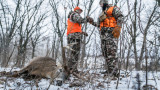
Hunt
3 Overlooked Deer Hunting Tactics for Late Season

Many hunters claim that December is often the best time to kill a mature buck. After all, the rigors of the rut caused them to drop 25% of weight, and packing on pounds is of utmost importance. So, simply hop on your side-by-side and drive out to your favorite box blind to shoot a hitlister over...
Tony J. PetersonDec 16, 2020
Read MorePlay Now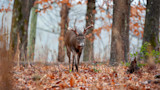
Hunt
3 Unconventional Whitetail Rut Hunting Tactics

We’ve all been there: The rut is in full swing, yet mature buck encounters are slim to none. You’ve sat your best bedding areas, transition zones, and destination food sources, but the woods have been quiet. If this sounds all too familiar, it might be time to think outside the box and leave no...
Dylan TrampOct 29, 2021
Read MorePlay Now
Waterfowl
4 Proven Late-Season Duck Hunting Tactics

It’s not easy to crawl into the mind of a mallard and figure out where they want to be or what they want to see this time of year. There are all kinds of tactics for consistently killing late-season ducks, but the truth is, not a single one of them works every time. In fact, you’re going to fail...
Joe GenzelJan 4, 2024
Read MorePlay NowConversation
Save this episode