00:00:08
Speaker 1: This is Me eater podcast coming at you shirtless, severely, bug bitten and in my case, underwear listening podcast. You can't predict anything presented by first, like creating proven versatile hunting apparel from Marino bass layers to technical outerwear for every hunt. First like go farther, stay longer, Yanny, I don't know if you noticed, but I have a um giant bear rug over my last I brought this, so this is the bear I got this spring. Yanni has often criticized bear rugs for what reason and just general bear amounts, bearmounts, and bear rugs. Yeah, because their mouths are open and snarling and growling and making them look vicious and mean. And I feel like when we see bears and most likely bears of their lives, they're not in those uh their faces, they're not in that position. Their faces look more like this guy. Yeah, this guy, this looks like a bear. Yeah, not growling. Um. So Clay Nucom hosted the Bear Grease podcast, introduced me to his tax the Nervous Buddy, Uh John Hayes Hayes tax nermy studio which is a Libby Montana, and Clay brought like Clay delivered my bear over to him and we had a We were driving down the road with the bear still in the back, just a green hide, and I was saying to him, why are your bears always uh? Why are there miles always growling? Um? And he was saying something paraphrase a little bit. But the gist I got from his people do like that. It Also, it's easy to do it, easier than the clothes mouth somehow. It's easier to make them look normal, And there's a lot of forms that. There's a lot of forms to do that, but there aren't forms readily available for rugs to do it otherwise. So he he started to develop how to do a close mouth bear by using a form meant for a different application. So he was already doing close mouth bears. There was enough demand for it that he was working on it before you brought. No, he doesn't. He says, like, I do them, but I don't buy. He don't buy. I feel like, if I'm screwing this up, John, you can cut Well, we're gonna have you call in. No, I just come into the studio and you can explain it better. If I'm screwing this up. They don't sell like what you need to do this. He buys a form for a different purpose and kind of manipulates it and changes it in order to be able to do this on a rug. So this bear, you can see his chin, mouth everything. He's not growling. And I have three other I gave one away too in my house right now where they're all growling. And you're right, I've looked at a pile of bears, most of them never seen one like that, or they're eating some grass I like that. But when I get mine, I'm gonna have his head even sinking more into the ruck, a little lower profile. So I'm gonna have him cut it like maybe like right at the top lip and go straight back and even have it, uh just like sink into the rug a little bit more. You follow me, I'm following, Yeah, And I was gonna. I thought when you were first showing it how it was kind of uh, it's got a little gift to it, like there's not quite a pillow in there. But I believe Clay did a video with John Hayes, John Hayes name, Uh where John makes like what he calls like a soft taxidermy kyo. Did you see a little video about the coyote. Yeah, and that thing looked cool because then it's like it becomes more practical because it's like, oh, there's a coyote on the couch. Oh, but you can also lay your head on him and take a little nap, and it be kind of cool to have that all through that bear hide. Oh yeah, I would like that. Uh seth if you had to rate how close did that come to get in a wolf? If you okay, no, here, here's the thing. Ten as you got it, one as you never saw it. Oh man. So well, there's a couple of factors that go into it. One would be you're shooting at long distance. Okay, let's say extremely good. Okay, I would say let's say moderate. I would say, uh, you came, you came really close. I would put you at a like an eight three. Oh really, yeah, because if you were when that wolf was standing up there still for all that time time, and you weren't set up, just imagine if you were set up at that point in time, you could have gotten a shot. So we were sheep hunting in Alaska. Um, I was cheaping up my brother Danny, who's a residence. So we're able to hunt, Like in Alaska, there's this thing like second degree kindred um that that you can hunt without a guide for a species that normally require a guide if you have a close relative that lives there and you're hunting with that person. Um grizzlies, mountain goats, and sheep um. So if they're white or tend towards whiteish, you have to have a guide or second degree kindred. So I can hunt with my brother. And we were hunting and we went up to that we were going up to this basin um that like you're going up this pass, you wouldn't really guess it's up there. Canyon gets real narrowed as a big glacier in it, But all of a sudden, it's like it's giant basin and we slip up in there, and it had snowed the night before. This is just what I a week ago, two weeks ago, snow the night before, and we get there, your sheep tracks running everywhere in that new snow, and I'm like, god, we blew them out, Like how that happened? Like you must have spooked him? And then wet looking at all the tracks. Really, there's wolf tracks running all over zigzagging around, and then we find where all the sheep went and hid rams used. Everybody's sitting on a rock pile in a way that they normally wouldn't like arrange themselves. And it's because like they clearly like I got into a big line and went up on top of a cliff and were sat up there, and I don't know how long we wandered, around an hour. And also there's the wolves up on the other ridge. I started wailing on a predator call. And I can't really say this for certain or not, but they like gave a look or didn't just happen to look but didn't really care. No, they didn't care at all. I feel like they gave a look. Oh, they gave a look. Yeah they were. There was a gray one and a black one and they were like up on this ridge and then they'd like disappear from the ridge and then all of a sudden, you'd like see a head pop up and look, did they know you guys were there? I don't think they didn't know either. There yards away. I don't think they knew they were Oh. It was also weird as these are sheep, I don't I'm not saying the only hunt sheep. They were hunting sheep. Absolutely, their whole groove was they were hunting sheep. But the weird thing is, all of a sudden, he kicked up a u one you that ran from the They kicked her out of the craggy stuff and she ran down into an open bowl and they didn't chase her. M I'm like, that seems like the the whole plan. That's that's what you want to where they can get her what they keep on doing? What we couldn't tell because they dropped out of you. I would have thought we were like get ready. Yeah, I was thinking that they're just gonna come chase her, and they're gonna come, you know, close to us. It didn't they didn't like something. But I got all lined up. Um, in the unit we're in, you don't even need there's no locket for non resident only need a locking tag. I was gonna have. I was gonna make breakfast sausage film, an episode of pardoned my plate and have that big old wolf hide all in one. That have been your first one, right, that black that black one is pretty. I was literally I told my brother, my brother has zero interesting, like he lives in Alaska like zero interested grizzlies. He likes him, but hunting him like not. It just doesn't even register with them. Zero interesting wolves wolf hunting. I said, dude, you can think of me like Cruella de Ville. Man, I want that wolf hide so bad. He does not get it, like, doesn't get it. Could you tell by the tracks, like how they were hunting them or no? Like do you think those they stumbled upon those sheep or do you think they were following them for a while or can you not? Here's my theory based on absolutely nothing. Ahead Um, I understand from conversations with the bush Pilot that there are always a bunch of us in that basin always. I think that they have a little sort of checklist, a little mental map, and they come in there and whatever periodically and run around Raise Hill. But this is just based on nothing. Yeah, well it sounds solid, Lamb Now, I'm sure, I'm sure. Yeah. Those wolves are definitely like ridge runners, like they're up there looking for sheep. And I felt that when they didn't chase the one, Danny postulated that they must have killed the lamb. Oh, and we went up there and looked, and you would have definitely known it was there because the snow and we couldn't find what was going on. But then weirdly we find not near not there a ways away, found a dead lamb him a little ram lamb. Is that a thing? Yea, a ram lamb hadn't been touched. We're going down his cut and I'm like, that's a weird place for a snow patch still be lingering because there's no snow around to its death. Listen, man, I gave it like an amateur knee crops. I gave it an amateur knee cropsy and determined that there were no um, no visible injuries. But I feel that it's rear left leg rear right leg was busted at the femur based on a very amateur that being my first ever doll sheep lamb knee cropsy, I feel that that's that that leg pretty wonky and comfortable, hadn't even had its eyes pecked yet. Oh wow, so fresh in fact that we kicked a you. We're going down out of there and we're like kind of like out of sheep country and here comes to you and we're like, what the hell is she doing? Like why, like won you in that weird place and we didn't see her with it, but she left that spot within a like not a lot of precision because you just couldn't see down that area at that time. But anyways, one came out. It was weird enough that we commented on it and then got down in that zone and there was that dead lamb. So maybe you guys spooked it and spoke no because its hair was starting to slip fresh enough that you guys considered considered well no, because I didn't want to get you can't do that kind of stuff. I don't think you can do that, Yeah, with a sheep. I'm sure they'd probably frown on that. Yeah, I don't think you can be like, oh, I like I got a bunch of sheep meat because I found I think that they would say, like, that's not your I don't know how you'd take possession of that thing. I noticed when if you're done, when you're done doing your like little examination there, my clothes were colded in hair. Yeah, I saw your pants cheap hair all over him. I was like, that's gonna be a tough one to explain if I actually I actually we were waiting to get picked up I actually went through and tried to remove it all because it'd be like a trooper like, but so why are you coding and cheap hair again? I'm like, listen, hey, quick survey here in the in the room. If you guys ever get a bear rug or bare amount done, you're gonna go close mouth or open mouth, and Steve, I'm going closed. I like that one. I don't. I don't. I don't I know about your idea about like like that, like seeing the mouth. I know a guy has multiple open mouse and like all the all the teeth are missing, the tongue is broken out just because they're boxing like it's on the ground. They just boxally kick them with their choe or whatever breaks teeth out. My kids jumping around on those, I'm always afraid they're gonna bust the ears off. That's why I hang them up on the wall because they're like riding on it using the ears as handles and stuff. It's like they can't put up with that kind of stuff. I was gonna say, Steve, have you ever seen the mounts that are They're they're pretty much a rug and they're the rug shell, but there's no felt and they're meant to hang on the wall like some people call a trapper's mount. Is one of those with a white tailed buck? Oh that's sick. That's awesome. Yeah, that's what I would do. I like those barbars. I don't. I would not do the felt not a felt person. Okay, all right? Joined today by Rick Hutton. Yeah, freshly married? Yeah like that? Yeah, yeah, that's awesome. I like the married life. What what is that? How if you had to rate his best man speech? Yeah, one to ten. I think he did it. I'll give him a solid nine. Yeah, he sure gave himself and nine. Yeah. I asked him, I said you did anybody laughs a few times? Yeah. I even told him like because I didn't. We went into the wedding. I was like, Steve or I was like, Seth, I didn't even talk to you really bad. I was like, but do you want to do the best man's speech? You don't have to if you don't want. He's like all the day of the wedding. I think it was like two days, but two days. Just have that he's getting up there, because that would be that would dishearten him. Yeah, no, no, you want to give best man speech. I even said like, I didn't even I just assumed I never talked to you about it though, But do you want to do this? And he's like, oh yeah, I got something planned everything. I'm like, okay, yeah, man, he did good. He made everyone laugh, was good, so I was happy with it. Yeah, how are things over? F h F gear good? Really busy, extremely busy. We got a lot of cool stuff in prototype, a lot of growth happening. But it's August. It's so whatever, busiest months of the year. What's the most exciting thing you guys got coming up? Whatever? Now? Future think of what I can talk about. They don't want to say anything. Yeah, listen, man, that's that's an offline conversation. But I gotta adjust your thinking on that. Okay, alright, it's fine. If you gave me five minutes, I could. I feel like I would In three minutes, I feel like I would make you reconsider everything you think about that. So it's not so much my thinking too. It's top down stuff being told than two just making sure that thinking. Okay, well, let's let's let's chat about that. Yeah, let's chat about that. Um, we have some cool stuff coming out for fall more along another accessory for our chest rig will have that more diversify the use of that. It's more in that foul kind of hunting realm uh. And then some backpack accessory that you can use. So we have that come out fall here probably a couple of weeks after this podcast gets out there, and then twenty January of twenty two will be a big year or a big time for us. Will be launching a bunch of new products, uh for the more for the rifle hunter. So yeah, it'll be real exciting. We're finalizing a lot of that now, so excellent. Joined also by Brody. Hello, who's got a tell everybody how many legs your bear has? Brodie three and a half. No, but I'm gonna send it off to that guy. Um. Yeah, I shot a bear last fall that I still haven't sent the hide anywhere in Colorado. It is a big, big bore, big head, lots of fat um. But he had he was missing the lower half. I gotta think about this lower half of his left front leg and it basically at what would be the elbow on a person, and it was just all healed over recorded and fat. Yeah, Like I think I got four gallons that rendered fat off him. Oh yeah, yeah, I mean you had some of it. Um, He's like, I actually like it better without this foot. Yeah, and like totally healed over. It looked like it had been surgically removed. You know, there was just fur growing on its skin there um for growing on it. Yeah. And when I took it into to get it checked in, obviously it's all speculation, like the one the lady who checked it in said maybe it was an illegal snare when you know it was a cub or maybe a boar had ripped its leg off or a hunter had shot it years ago, who knows, But it didn't affect him. You know, he's an older bear. They figured ten to twelve years old. That dude, John Hayes, the tax names I was talking to you, I was bragging up. I was showing him a picture of a bear I had that was seventeen that I got age at seventeen. He had a bear come through there that had been aged in its thirties. Yeah. I can't remember exactly what I remember. I think the oldest documented is something like thirty nine. Maybe I don't don't know if that's right, but I think that might be right. Yeah, they can get a lot older than than ten. Uh. Joined also by Seth Morris Folks fresh off of Best Man speech, Phil Taylor recently engaged. Yeah, we covered that, We covered down the whole episode, but still there's context here for that. Yeah, it's good. It's still engaged, still engaged, still feeling it. Yeah, we're making plans, sweet man. And then uh, Janice, who a couple of big milestones, drew his first big horn tag and ran his first something. That's right, what a lucky guy? Tell us now what you're ringing? The Bridge or Ridge Run, which is like maybe the kind of the most popular, um best known Bozeman local race. Did you place in a way that you were satisfied with yourself? I wasn't really good going for I didn't have a goal around placement. I shouldn't say place. Did you perform in a way that satisfied yourself very very much? So you gotta describe layout, the specs of the It's roughly twenty miles, depends. There's some different routes you can change take it at certain points. It's kind of choose your own adventure a little bit. But you can be between nineteen and twenty miles. I think I probably ran. It ran like a nineteen in a quarter mile version. Um. And it starts at Fairy Lake the trailhead, and uh, you climb up to the pass above Fairy Lakes. I don't know the name of the passes, but then you go up to Sackage away a peak and then basically from there you just run on the actual spine of the Bridger Mountains, uh, through Ross Pass, around Ross Peak, and then all the way past Bridge or ski Resort, Saddle Mountain, Bald Mountain, and then down to the m trail head. Um, and uh, you gain about seventy feet and I believe you lose about feet in those really nineteen miles. Hold you climb that's with ups and down? Yeah yeah yeah not at one time, No, no, I got you, but like total gain? Yeah, how long it took me five hours, seventeen minutes. I feel the same way. What I'm worried about now is now I feel like, now you just didn't smoke me when we're out hiking around. I don't know, man, I did a backpack trip right on the heels of that, and I remember thinking myself, it, Uh, you know, just because you're in running shape doesn't mean you're in backpackage. I know. That's the things that I always rely on is like, um, there's not it's its own thing. Yeah, it's its own thing. A lot of times people think that they're good at something else. They didn't gonna tear it up. You always do this thing where your first time of the year as a sheet hunt too, like he come out of gateheart. Yeah, Seth is all bragging up all he took it. He took it a run in a mile and a half every morning with his wife, girlfriend, whatever hell in between. Yeah, it helped a lot. I think I felt great during it. Sheep. Oh yeah it helps. Yeah. And so okay, so you're you're pleased with your performance. I don't want to like people. I was hoping for a like around like a five and a half hour finished time. You know I did it whatever thirteen minutes faster. And how educated was your hope? Well, because I had done it on my own couple of years prior, and I did it. I did it in like six twenty but it was very casual. I was I had to carry all my own water. I so I carried like ten pounds of water when I did it on my own. So I carried a gallon and a half of water, um and now we had eight stations. The whole event was really cool. Like, I highly recommend anybody it's in. Like looking, I don't want you to take away my spot next year because they about five people five or six hundred people apply and they let in three hundred. So it's a lottery to get in because you can like the race can only support it's a lottery draw. Yeah. Well, like if you've done it ten years or more, I think if you're a top place, top three place finisher in your age group, there's a couple of things that will get you in every year. Umbuddy, every buddy Rick Smith is running more than ten times, so he's just automatically in at during that five hours. How often could you huck a rock and hit another person if you ban I probably only ran out of five hours. I probably only ran really by myself for maybe an hour out in ninety minutes, not much. There's usually someone around, somebody around. Yeah, I think we went through four or five eight stations, which was great. Like a lot of people cheering, helping you on. They really take care of you because there's a lot of exposure, right when you get up there, the sun's out there, the smoke um can be a factor and um. So they really they check your BIB number twice at every aid station, Like on the way in, there's two different groups going okay, number two oh five just came in, somebody else marks it, and then ten steps later that you didn't peel off the ridge and have a heat somewhere. Yeah, exactly, yeah. And then I actually got held up for five minutes, so right there, I'm down to actually like five twelve. But at the final eight station, the main like med nurse doctor was like, hey, how you feeling. I'm like, I'm feeling great, and she's kind of patting me down. She's like, you're not sweating. I'm like, yeah, I'm had a big sweater. I'm telling you, I've been like pounding the water. I've drink at least six liters of water since I started. I feel great. And she's like, nope, come back here, and she turned me around and I went she had She took me to like this ice station and they basically crammed my vest in my shirt full of ice and she said take these two other pieces holding in your hands and you know, keep going, but she would you have done if you just ran off in order to keep your time. Oh it's funny because like they're like, look, you're not getting top three, so just like take care of yourself. That's kind of the whole attitude of the whole thing is like nobody cares how fast you run. Let's all make sure we can do it, have a good time. If you run across somebody that's struggling, ask me if they need help, offer him some food, whatever. And I saw a lot of that because I came out very conservative. I didn't even make a running stride for probably the first five or six miles. And even then when I would like catch up to a group and we'd be on something flat, everybody else would go into like a jogging kind of a pace or look, and I just kind of do like a fast walk and stretch my legs and kind of keep up with that same pace. Uh. But like two three hours into it, I started to overcome people that went in earlier waves and they'd have like almost like a zombie like look, you know a little bit like whether I getting myself into the bridge or ridge walk doesn't sound nearly as cool. No, no, no, listen. I watch a lot of it. You know, I'm not running up that super steep stuff. The fastest I think this year was around like three and a half three forty five. The course record is three hours. It stood for quite some time, I think, uh, and then I think I got eighth in in the mail nine age group. I got sixty out of two fifty people, and the last person to finish was close to ten hours this year. Dart Or. Yeah, but I saw Kurt Smith like, it's funny because you just don't know who's involved in it in this community. At the very first I think it was on top of Yeah, Kurt Smith from Shapna is up there with like two gallons of water, just cheering everybody on and filling everybody's water bottles up, and yeah, that's cool. Hey, I want to see how good you are, younnie. Um you could you know how you mentioned smoke? Okay, you could segue off that to two very important things happening in this room right now. I want you to do a segue for each. Okay, speaking of smoke. When I saw Brody post a picture of this lake trout that he smoked, I was like, man, it looked a little dark. This is this gonna turn into a comment sandwich? Um, well, I haven't tried it. It's sitting right here in front of us. I can smell it. It smells good. And so I was gonna ask if maybe the dark color was you know, he did on purpose. He might have put a syrup glazeuph you did, Okay, let me hear you seg what the other thing? It's been very smoky here the last uh, I don't know, six eight weeks. It's interesting though, I found this year how it seems like like this morning, right at daylight seven am, it was almost bluebird, and then by like nine like it's it's rolling in. It seems like I've had I've seen a lot of days where super smoky then it clears out vice versa. Anyways, but we have a to educate all of us. As our main guest today we have Paul Hessburg, who's gonna tell us all about wildfires. Man, he nailed it. That was good. Watch this segue. You know who didn't nail it? Here it comes you overcooked it a little bit. Man, I like it a little here. That's good though, man, Oh I thought it was great, very good, especially on a cracker, but you chipped a little bit. Just I mean, I'm not gonna know what. I'm not gonna fie you put it back on for like I'm not gonna infantilize you by building a component sandwich. I'm just gonna give it to you straight. Yeah. I get I get shipped from be honest about my bear grease. I get shipped about my smoke lake shout from you. I shouldn't even bring it in for you. Just know I love it. It's extremely good. It just went past its glossy phase. It lost. I lost. I like it a little da Packing it around in a backpack. That moist stuff is just you know, get smashed and ship. Damn boy, you can have a whole mess on your hands, no matter how clean you try to be out there in the woods, and then you just got greasy hands all day. Oh yeah you didn't. You gotta provide a quick little bit of detail. We have a lot we gotta do. But the drew a sheep take. Not really. I've been kind of keeping it on the d L because I just figured to go try to a lot of attention. Um, you can probably snoop around and figure out where I drew it. It's in Colorado, So should I not brought it up? Just say a different, say a lie about where it is. But by this point in time when you're hearing this, hopefully I'm gonna have a dead ram on my hands. But you know, there's a high demand on sheep in general, and I've been asked by multiple people if I wouldn't mind just like not mentioning like where the actual you know, unit is, just to like not create unneeded attention. Um, But yeah, I'm going like I said you, I'll be hunting probably when you're listening to this. But I'm going down in two days to start scouting season open September seven, So I'm hoping that i'll have one tied up to the tree, as they say, and be able to put some cross airs on him morning of the seventh. All right, man, uh quick update, So you're good there because you're not looking to really overdo it. What do you mean? I mean you're you're good on talking about it? Oh, I don't mean I can keep talking about it. I've been having a lot of fun. I've got I've been building a gear list. I was gonna mention this. I just decided I was making a gear list for my own purposes. Very good, Brody, A little dry, it's a big it's almost got like a hint of citrus nous in there is that? Did you put like some kind of It's just it was just a dry Brian brown, sugar and salt and then the little maple syrup at the end. Smoke lake trout the bag Brody gave me, says grease Ball. Yeah, that's a derogatory lake trout term. Yeah, I don't know. People just don't know what's going on. Oh my god, it's good. I'm telling you. If you went to like a whatever they call him, fish house, smoke house or whatever, you would have to pay probably, what do you think, at least twenty bucks, if not thirty bucks a pound for something like that. Yeah, that's good, way better than smoked salmon. Anyways. I so I was making a gear list. I wouldn't forget anything. This is the one hunt I really want to be extra dialed in on. Ah and uh, look at this, you're gonna be impressed. You probably don't even know what Google sheet is. What's your looking attridge of choice? I'm going six five rpm? Good choice. Yeah. So I'm looking at Yi's a little deal here. He's got a miscellaneous category which covers things such as uh, dragon polls, his bear as, his bear defense system down through by. It's weird the binos is in miscellaneous, not in optics, well, because the optics sort of package fell in under the zone of in my backpack optics, not the worn or carried optics, and that's why I fell into he's even got pundages. Okay, so he's got a fel on Ammo, so all the things are going to shooting. Yeah, in the poundages, and I've got dash worn so what you're bringing, what you're wearing, correct, He's got his food right all the way down to electro light tablets. He's got his gear at truck in case of worsening weather. How many days are you prepared to be in there at a time? Oh, I can't think I could easily do. I don't know what the limit would probably like. How like when you go in, where do you Well, I'm gonna go scout for just like three or four days, so I'll pack food for that, and then when we go back in, um, I'll probably pack for five or six something like that? Is it? Tough to get in there. Yeah, depending on where are you park and where we kind of want to start in in what what drainage? Uh like where I saw the sheep when I went into scout, I was almost nine miles from the truck. But pretty easy approach, Pretty just like straightforward flat trail system. More sot us filling in now since slow to load. Oh, it's way more. Okay, it's just been slow to fill in. Okay, system. He's got a pack category, a water category, but how to deal with water, and there is an optics category. It's just it's been populating slowly. A shelter in sleep category, a cooking category, a medikit category, emergency kit category. Are you going light on the shelter? That miscellaneous ut scouting? I'm just gonna run and then uh, when I go in with the photographer for the actual hunt, we're gonna split the Stone Glaciers skyscraper. So that's like a little over four pounds, So will each be it, you know, a couple of pounds for Yeah, but I'm happy I got my kid down to roughly. Uh, if I'm going in solo, thirty five pounds no food or water. So if I go in five days. That's ten pounds of food. That's up to forty five in the add You know, however much water you're gonna carry half a gallon before pounds. What's uh, what's a boned out sheep way in the cape and the head man. I was actually just talking to Carrasco about that, and he feels that you can get a whole boned out sheep if you are diligent about trimming um into one of the stone glacier load cells. So I'm actually gonna maybe splip my program and just carry one of those and not carrying any game bags. Maybe one extra in case there's like overflow, you know um, or maybe a place a way to wrap up the cape in the head. But he said about sixty six pounds boned out the head and cape. You know, I didn't ask him that I should have a good use. Capes are valuable. Very The fund's calendar left up old deer stands calendar. There was granted, it was supposed to be a book. We haven't ruled that out. Listen at that sold out and so that it went from coffee table book to calendar. Because I had to prove the concept. I know kind of concept people just like being upset about. Listen, you can't tell people you're making a fine art coffee table book and then give him a calendar. But you can. But I'm at the general public that got upset. We spent months, general public, we have spent months talking about a fine art coffee table book. Well, Steve, you seem upset, but you were proven right that this is a redemption story. Dude. Listen. Yeah, this is like the do you know that when uh, It's a Wonderful Life? Of course, yeah, do you know what tanked commercially? It tanked critically. The company that the company that produced that movie went out of business based on the financial loss of It's a Wonderful Life and what happened in the end fill classic. Watch it every year, every American family. Every American family watches it every year. Years from now, every deer hunter in America. I'll have that book. This is a story like that. We did the calendar and we had a what I uh, Savannah called it a modest print run or some word like modesty. I called it a robust print run. I think it was a good number to go with Initially, twenty four hours gone but we reordered a sheph load. More naysayers have been silence. Yes, and everyone who's pissed the first day came out and it sold out. You will get your chance to get one. I feel a robust print run. Sold out in twenty four hours, out in a few hours, and now we ordered four x. Yeah that print run. I think, can you put your name out like, notify me when available as they got prey of something like that going on. I think so new episode of Media to the TV show hitting Netflix September twenty nine, some market calendars, new season, not just one? What I say episode new season? Can we give him any hints as to what Rick and Seth are in it? Rick and Seth? That's true? Uh, we we recomment it. Our buddy else is in it? Who's that? Luke Holmes? Oh, Luke Holmes is in it? The dogs in it? The dogs in it? Minga. Can you play that quick film? Let's do it? Uh? We talked about we recorded so Seth and you'll you'll meet Rick and in uh Seth again and there is that your first time on the act on the show, the Netflix show. Yes, Yeah, I never had a cameo. Y'all needs to do cameos all time. No cameo, you hast not done anything. I did realize though, that our beaver hunting or beaver trapping episode hit mainstream television because I've been getting a lot of notifications about that. Oh yeah, yeah, outdoor channel. I didn't know what was happening. That's cool. Uh. The Chip and the poof was the previous episode episode. If you want to revisit the Chip and the Poof, Uh about our Flintlock hunt. So when you watch the show on September twenty nine, you can skip ahead of the Flintlock one and you'll meet uh, you'll meet Rick and Seth. Yep, I think about that Rick. That was back when you weren't even mare. Yeah, it wasn't married. That was before I was engaged. Is that when you taught dirt myth about a hang fire? If you go on Instagram on the one that was so sometime around last Christmas, If you go on Instagram so at Stephen Ronellan, you go watch like the World's Greatest hang fire video, dirts like run you scoundrels, trigger, like Forever goes by it all. He was he was like lower away and it was like a fuse burning straight out of Looney Tunes. It was crazy. Yeah, it's dangerous. I'm writing an article for the website that the nuts and bolts of it is gonna be the gear list, so you can check it out and see what we're using. And um, I think if that gear list can definitely be applied for an early season dear Archery elk hunt as well. It's good but inspired by this, but used for many other press. I look forward on the meat eater dot com. Uh, the whole thing about when I screwed up that word mackerel fructation when it was supposed to be mackerel fructification. Well, some guys sent in this. He looked up Google search trends for macero fructification and found that it had not been googled in a single time in five years. Then when we talked about it in July two thousand twenty one in the episode Cat Scratch Fever, it got searched a hundred times. People. Well, I think that's a really I think that graph you're looking at is a relative scale, so it's not literally a hundred times, but I mean I think it's showing you, like the relative difference in the so it's probably a lot more than a hundred, but also probably was googled at least once or twice in the last five years. It got um, yeah, quite a spike. But we did a T shirt run, a Mackerel fructification T shirt run, but they're all gone. That was a that was a modest print run. That was that that itself was a modest print collector's items. Now seth breakdown the the I call this a civil rights issue, the civil rights issue of Sunday hunting in Pennsylvania. Give us the give us the whole you know, the whole deal. Yeah. So, Um, for as long as I know you weren't able to hunt on Sundays in Pennsylvania. We talked about this in the episode, so check it out. But um, last year was the first year they allowed three Sundays of hunting. UM, which was the last Sunday of archery season, the first Sunday of it was the first first Sunday for the rifle season, and then one of the Sundays during bear season. Um. But right now, there's a bill send it, Bill six o seven that was introduced that would pass Sunday hunting authority fully from the legislator of the Pennsylvania Game Commission, which currently has the authority to only allow three Sundays. So it gives them the right to do it, yes, but you don't know if they will do it or is that the assumption that's I mean the assumption. I think the Game Commission is on board. And there's like there's like lots of studies that show how this will help economically. It gives more opportunity to like, you know, people that are out of staters that want to come hunt Pennsylvania. But like, you only hunt one day during the weekend. So just for the for the average person knocking out, like a your school teacher, and you got obligations Monday through any help, any like infinite number of occupations. Butt's just say a school teacher, you got obligations Monday through Friday to keep you damn you until dark the winner and then someone then the government's staying. Oh and of the two days you can hunt, uh, you can only hunt one of them. Like if you don't want to go hunting, and you want to go to your local church, go to your local church. Yeah, just because you doesn't no one's no one's like making you go just because you're allowed to hunt on Sunday doesn't mean you have to. I know years ago Seth and I added this up. But if you bow hunted and then rifle hunted in Pennsylvania and you took the opening day years ago, which traditionally is the Monday after Thanksgiving, if you took that as your holiday, but you didn't take any other days off, um, and you didn't hunt the flintlock season. This wasn't accounting that backup. So I wasn't ready for this level of thinking about Okay, just the average joe in Pennsylvania. If you yes, yes, So if you bow hunted the entire season and then every all of our rifle season, no flintlock hunting after Christmas, and you just did sad day hunts and you took the first day of rifle off, that was your only vacation day, took you to you hunt nine days? I remember we talked about that. Yeah, So I mean it's yes, every possible, you know, besides, like I said, that season, but if you didn't take any other vacation off besides the opening day, we gave that because most people, most schools are off, and how many days with that same person game. Now being able to hunt Sundays, well probably double that easily. Yeah, you're a hunter many so that's a livable number. It's a big difference when you're you're not allowed to hunt Sunday and like who's going to deer Who wants to go to deer camp for a day? You know, like you can get a whole weekend and at least step can I can I give your grandpa's perspective on it? Yeah, I go for it. This is a great argument. We love to have. Yea God bless him. Oh yeah, great guy. He hosted us. Yeah, listen, very gracious host put us up. Fat us who to this great company. His argument, his I'm not trying to do. His argument was he likes it that way because he told me on Saturday, you can get up to your hunting camp and quote, get all your clothes ready to everything, and then hunt on Sunday and no one's out in the woods. That was no, no, no, how did it go? Oh? How did it go? I don't remember? He doesn't he doesn't like the Sunday hunting. I know. He I'm sorry. That's I'm trying to give it was I screwed it? Up and and also the opener is now on Saturday rather than Monday. Oh, he liked to go up on Sunday, get all of his clothes ready hunt Monday. And that's how they've always done it, and by God, why would you change that. Now? Traditionally we would the Friday after Thanksgiving, we would go to camp. That's when everyone would meet there. Saturday we would do whatever work on on camp, go grouse hunting or whatever. Sunday, we get up, go to church at camp. Yeah, we get up, go to church. The priest always had like a blessing for all the hunters going out on Monday. We come back and start doing that. On Friday, we'd come back to camp, have a big meal, and then you know, go to bed because you're getting up early Monday morning to hit the woods. Dude, now I'm back to thinking that. I'm back to thinking that supports Sunday. The band No, no, don't stop to that painted such a nice Bucolic image that you can make more traditions. It just screws everything up. But now you can hunt on Saturday, but now you can't hunt on Sunday, and then it's back to hunting on Monday. It's a weird Yeah, man, Seth's just painted such a nice little man about brought to you thinking of that coming to a close cut, that conflicting. Yeah, you know what you might do, Phil, because South was going to do a call to action, but I think he does undid any progress he's gonna make by painting. Now, are way better traditions to be made in the future. If Sunday hunting, get up on Sunday, shoot a big old bucket. That's my kind of tradition. Give a call to action if you want to be in control of your own life and hunt when you want to hunt, and not when the government says or no not because not like of course the commission sets the season. If you want to hunt when the Game Commission says, and not when the state legislature says. Do this. Yeah, so there's there's a article on National Deer Association UM Deer Association dot com slash action alert support Sunday hunting in Pennsylvania with a whole listen. Yeah, just just do like a tell how to do a Google search. Just yeah, you could probably go to Deer Asociation dot com and in the search thing type in Pennsylvania Sunday hunting and it will come up there. You go, um, there's a there's like a click here link. You can go there, fill out some information and it it sends, um, it sends this. You know, basically a thing saying that you want this to pass? Now? Can residents of any state do this and participate? Or only residents of Pennsylvania. I did it, and I asked where you're from and stuff. I put Montana, and I'm gonna cue it up right now, let's all do it. Clay is redeemed after embarrassing like almost I thought, embarrassing himself on this show. He found documentation of an l an eel and l of beargrease just to refresh people's memories. Clay was telling me all about how there was a unit of measurement, which is the little it would be a sack if you took a doze skin a deer skin off, skinned to deer's neck out. Now you've got a little tube of like right, you got a little tube of hide. Stitch one end closed, fill that with a liquid and then stitch it shut. That little sack was a unit of measurement. I challenged him on this, and rather than doubling down. He did a mild retreat. Would you agree, Phil you were there, Yeah, that's a that's a perfect way of framiant. I'd say he didn't double down. No, he did a mild retreat. He was still sticking to his guns a little bit. He was pretty sure. He kept He said, I've read an article about it. I quoted it. I must have read it some. But he wasn't like, Um, you calling me a liar and want to fight. That's not really placed. Plus use remote, you know, yeah, you talk a lot of ship remote. So he found it. Uh, it's from he's got he's a picture of the image, a photo of the book. It's all about Girl Stocker, Clay's buddy. Girl Stocker goes on and on. Guy ends up saying us. The black bear was a valuable commodity to early settlers of Arkansas. The price of bear skins at Arkansas Post in eighteen o six ranged from one dollar to two dollars each, and that's sourced. Bear oil sold for one dollar per gallon in eighteen thirty four. In the early eighties, an el of bear grease, formed from the hide from the head and neck of a deer was a standard medium of exchange. A man's status as a provider was judged by the number of elves of bear grease that stood by the fireplace. Bear meats sold for ten bucks per one pounds. That's good stuff of that. Glennwme coming through, coming through. Uh. This guy wrote in they have us at his at his high school. He doesn't say what high school went to. They had a tradition where are you um did a prank. It was like a senior prank. And for some reason, I like, the idea involves skunk essence skunk oil. But so they wanted to sneak into their high school and and lace some stuff with skunk oill. Totally understandable. But they chose hay bales. That's what puzzles me. Outside of the school. No, no, you gotta read that eighteen times and you realize that it's inside at the school. Oh, they soaked some hay bales. They put skunk oil on hay Bales and put him inside the school. The prank went awry, though, the next morning they discovered that school had been canceled. It was so bad the police came for him. The concentration of skunk oil was so high that it's so completely through the bales and into the carpet, causing thousands of dollars worth of damage, which he had to be him and his bodies had to pay for. Think of that, and they were arrested. I had I had an anti establishment renegade buddy named Emmett Lombard in high school. Give his full name, Mammy. What if he's like, you know, on the up and up? Now? Oh he is. I think the Statute of limitations is out on this one. But he poured uh fox leure fox here and on. You know, our our school was an older building, so it had those old radiators, and he cleared out the school with that. People were throwing up the stuff. Really was he fox trappers that way? Not at all. I don't even know where he got his hands on the stuff. But it was a good you know, he had a good plan. Uh this is here's anything. The little clarification We've talked about fifty freaking times about how Mark Twain so the writer Mark Twain, Huckleberry Finn Tom Sawyer. I really liked this clarification. Jumping frog Calveri's county. His birth name was Samuel Clemens. Of course, and he assumed the pen name Mark Twain. And we have talked about what what Mark Twain meant um. On the riverboats in the Mississippi River, there's a feller whose job is a stand up front with a marked rope like knots tied in the rope or something or the anchor on the end, and you flick that rope out and then check out deep the waters and the thing is marked in six ft increments fathoms, So one fathom increments Mark Twain means second mark two fathoms safe passage. So Twain had That's the understanding of why Twain took the name Mark Twain. But this guy gets into this book tells the book a biography about John McKay, a contemporary of Samuel Clemens whose past intersected with his at the Calm stock load and Virginia City, Nevadam. The guy says here in the book, the guy says this, well, sam clemens use of Mark Twain as a pen name did have roots in his time on the Mississippi. His intervening use of the phrase in Virginia City to order his whiskey is an even better story to share Over a few drinks he cools. In the book, Clemens claimed he'd appropriated his by then famous gnome to plume from a state Mississippi riverboat captain. However, according to more convincing Virginia City legend, Clemens acquired the nickname before appeared in print, derived from his habit of striding into the Old Corner saloon and calling out to the bar keep to Mark Twain. What he meant was he was ordered two whiskeys, and bartenders would keep track of what you drank on a chalkboard next year name and Mark Twain to marks mark him down for two whiskeys. Think of that. I don't know that's cool. I don't know. Why do you like it? Johnnie? Um? I don't know, it's just next ovel. I like it because especially because we were so sure about the other version of the story, you know, and then and I think it also, um it uh makes them just more of a human, you know, kind of takes him off of a pedestal. It's just a dude that uh, you know, it's calling out for drinks of whiskey so often that they started developing. I wish Spencer new Heart is here right now, because i'd tell him I could jole him into doing a little fact checker MythBuster on on all this um guy wrote an anti fishing sprinklers on docks are real. I was saying, so people are writing in about people putting sprinklers on docks to keep everybody away, keep fisherman away. And someone was like, no, no, no, no, it's not to keep fisherman away. It's keep ducks and geese from shotting on your dock. They put a sprinkler out and then anytime something comes near it, the sprinkler shoots out water and it spooks off ducks and geese so they don't shat on their This guy's like, this guy wrote in and says, listen, not true. In Florida. There are many docks I fished that are definitely watered, not for ducks or geese. These sprinklers are intentionally aimed into the surrounding water too detour boats from fishing too close to their dock. It is very common. And he goes on to say, my favorite thing here this is probably He says, there's a lady in the Tampa Bay area named Joyce who was damn remember how like like a couple of months ago, and all of some became a thing like to be like a Karen. Now you can be like a says. There's a lady in the Tampa Bay area named Joyce who was caught on camera given anglers a hard time for fishing her dock. So these guys made a Facebook event with a public invitation called fish Joyce Stock. I hope everyone show everybody all the area fisherman can show up at all fish Joyce's dock at the same time. But what what kind of like what kind of angler is going to be scared off by a sprinkler? Yeah? Half tiger fish and you're wearing right, Come on listen, man. Yeah, they're a little annoying picture that I had a home. I see those sprinklers pictures. I have a hose on your for somehow, I have a hose on your boat and you're fishing away and all of a sudden, like periodically, I hose you down. You're telling me that your man, Okay, we'll do that. I gotta figure out how to do it. I gotta figure out how to get me a little pump. But if I now, if I was down there and I saw a sprinkler on a dock. I'd be like, that's a good spot. No one's fishing spot fish Joyce's doc. I love it. I just gotta cast, Okay, Yeah, like this, I'm on fish ors dock on the Facebook. And look at that old boy trying to keep people off of his Uh this has already been going for is he outsprings. He's standing on his dock with a hose in one hand and some kind of a stick pull on the other hand, banging his dock. He's trying to scare fish away. Yeah. Yeah, and then the guys that are angling are laughing so hard they can't even make a cast. Yeah, he's out banging a broomstick on his dock to spook fish out from under his dock. If you go on YouTube, there's like ten million videos of people like doing the same ship. I just I don't understand, Like, what, why, why, what's the problem? I don't know. He's that that old timer right there is an interesting situation. Look now he's just started his engines on his boat that are next next to the dock and just has him sitting there, you know, above idle speed. It's probably not good for whatever. Where the boats sitting just reving. The just turning up ship and marinas and docks aren't used to. He's making a weird calculation. This dude is like he's saying himself, I could be doing whatever it was I'd normally be doing, Okay, mowing my lawn, watching too, playing golf whatever. You you're the old guy in Florida. Okay, um, and do that knowing that someone might be fishing. It's just needling out of my awareness. Or I could be down on my dock banging on my dock with a broomstick. Hmm. And he's probably like, I don't want people fishing my dock because it's gonna damage it or something. And there he is smacking his dock with a broomstick. Holy cow, I want to go fishing, and I think people just like to be king of the mountain. Yeah, white tail deer. There's another thing I want to get any man, But it's like, very complicated. Let me give it to you real quick. It's so complicated. I was actually emailing with someone at National Shooting Sports Foundation today to get clarification. That's very complicated. So the Center for Biological Diversity and the Natural Resources Defense Counsel, which UH two organizations, which are they are not outspoken lee anti hunting. Yeah, they have a proven track record of well, every time there's an issue, they're always on the anti hunting side of it. Coincidentally or not. They're petitioning we should get someone from those organizations. I would let you know what that's what Kris needs to do. But Krin's not here right now. She needs to get someone from one of those organs to come and be like, no, no, no, no, we're not in that hunting and and explain it. I'd love to hear it. Uh. They're petitioning the Department of the Interior and the US Fish and Wildlife Service to quote to band trade in wild mammals and birds, and for regulations instituting a comprehensive chain of custody system for all plants and wildlife imported into or exported from the United States. What they're saying is this, this is one of those weird This is one of those like this is a weird COVID thing, like a COVID related thing that might not immediately seem like a COVID related thing. So you have two groups, Center for Biological Diversity and Natural Resources Defense Council. They're coming and saying you shouldn't be able to bring wildlife parts into and out of the country without meeting certain criteria, and they're calling for and immediate ban while we sort out the system. So they're saying, like, stop now until we can put in place a satisfactory system to trace any movement of wildlife parts. So the stop now part would mean you don't come into the country, you go to like Clay Nukeomb right now is up in Manitoba hunting bears. Clay does not bring any part of that bear, no hide, no meat, nothing crosses that border. They don't point out in here that they're proposing that I'll get to the COVID part of this in a minute. They don't point out explicitly in here that they're proposing interstate bands as well. But some different legal experts have looked at their use of the Lacy Act. The Lacy Act is used in the US. Would be that I'm trying to quickly explain Lacey Act. The Lacey Act gives a lot of teeth to wildlife regulations because let's say you had a state with very lax wildlife regulations and you broke a wildlife law in that state. So let's say you go into a state and you poach it here, and then you drive your poach deer from Ohio to Indiana, Ohio Illinois, you drive your poach here. Um, you have just violated the Lacey Act. So now you've committed a federal crime and that allows it gives like an enhanced ability for people to go after interstate poachers. The Lacy Act does. And they're calling upon their justifying this band in terms of Lazy Act. And so some people are pointing out that the way this is worded and the enforcement strategy would de facto mean that it would make interstate movement of wild animals wildlife parts would ban that most immediately A look, and you think it has any kind of it has repercussions for anyone that hunts Canada, hunts in Africa, being able to bring stuff back with you without going through whatever kind of thing that might presumably be onerous. Now what they're doing is they're saying, oh, hey man, we should do this because of COVID, which I feel is a little opportunistic. It's like, does they're sort of selling the idea based on that you're gonna reduce. They're saying that, hey, we all know, or we don't all know. We all thought a while ago that COVID absolutely came from bats. Now it's kind of like a toss up between the lab and bats, but absolutely came from bats. Um, we'll slow down or stop the movement of diseases by stopping the movement of wildlife parts. But it seems opportunistic to me. It's like they're going like, how can we leverage COVID into um, how can we leverage the pandemic and public awareness around the pandemic into getting a thing we want, which is that you can't move wildlife parts. Yeah? Well, I mean the same kind of people that are gonna latch onto moving wildlife parts, the same kind of people that are going to latch onto you know the COVID reasons, right, No overreach is too much over I mean it does it seem like the end goal is interstate trafficking and not international. I saw a clarification about that. I don't want to read the whole email exchange, but I saw a clarification about that today and there was a a learned I received a learned reply about why that UM, why it's likely that, as pursued would have impact on interstate which would impact I mean, anyone who goes on and out of state hunt at that point watch this transition. Speaking of COVID, hey, I think we should just do a quick shout out though. If you want to keep before you go to your transition, think about it some more. But if you want to keep an eyeball on that, um you can probably keep up with that at ww dot n s s F dot org, which is the National Stream Sports Foundation, as well as um our buddies over at the Sportsman's Alliance. Thanks so again, This isn't like, this isn't a law that's been passed. This is a petition. It's a request, right, It's an official request on behalf of two organizations which we need to get people from one of those organizations or the other on to explain their mission. Maybe I got it all wrong. I don't know. I'd love to hear more. Speaking of COVID, ready for this transition. White tailed deer are showing up with COVID and staggering numbers. It seems not to mess with them, but they're getting it. Thirty three of white tailed deer tested in Illinois. Michigan, New York, and and and Pennsylvania. Let me start over, because this is so kind of surprising. Thirty three of deer tested in Illinois, Michigan, New York, and Pennsylvania were positive for antibodies, meaning they had been exposed at some point, but doesn't necessarily indicate they had active infections between January and March, so narrow window of time they tested Foe deer Michigan, sixty seven of one thirteen samples. Sixtent of the tested deer had COVID antibodies. This has not been peer reviewed. Peer review means you do, like a little thing, you do a little research, um, and you sent it out to a scientist in your field, and they kind of go through and check your work and they'll they'll poke holes in it, right, And a lot of things don't make it through a peer like someone might look and be like, oh, yeah, but had you thought of this? I mean, and they're like, oh, ship, we didn't think of that. And then it doesn't. It doesn't, the idea doesn't advance. This has not been peer reviewed. Even though it hasn't, it seems completely plausible, right, Like not to me, it doesn't, I'd have to be. I'd have to know so much more about like when you test, are their false flags? Like I don't know enough about it? What a common what a dear's version of a common cold? Trigger the I don't know. But wasn't there instances like where minx wild minks were infected with and and all kinds of zoos have had animals. That's a good point by you know a lot of zoo critters. You're about that lady that got banished from that zoo for having an affair with that chimpanzee. I wish I could make that whistle noise. I gotta transitions that they didn't have COVID speaking of being a wreck um. They did say I read something a little bit. There was more than what we have here in our notes. It did say that this this, these blood tests have been going on for like a decade, and so they were able to look because saying, oh, well, maybe they've always carried these stars viruses and there's you know, we all know that there's like different versions of COVID all the time. Right, Well, they looked back like ten years in history and they're like, no, it didn't there was there. Those markers were not there back then. See, YO knows a lot more about you should lead the discussion. That's all I know about this. Well that's a pretty important damn point. Interesting though, Yeah, that's the question I was gonna askar up. So obviously questions arise our white tails spreading the virus among themselves and or getting it from close contact with humans. How might this effect spread between and among animals and humans? Are do you're not showing symptoms by acting as hosts for novel mutations to it then pass back to humans. Sure it'd be cool if we get a sound of someone doing one of those astonished whistles and then just insert it. I can't really now picture what it's actually supposed to sound like. I'm sure Phil confined like an astonished whistle. Yeah, we can do that. Do you want me to get a live soundboard in here? I have that Yanni one when I first like this just two years ago. Alright, wasn't here, Yeah, yeah, Yanni wasn't here, And Phil took a bunch of Yanni saying a bunch of different things, and you can just hit whatever you wanted ya just say, like, like is that right? Just have to say whatever you wanted to. And then we could also make them look dumb because we could. We could play it saying something real obvious, but then have Yanni be like, I don't understand people like that. Yanni, man, he doesn't get anything. Um, here's the interesting story out of Florida. This is another one. It's hard to explain, so there had long been. Let me try to think of a different way to tiptoe into this one. Depending where you live here in the good old United States, and and for you listeners elsewhere, you'll have your own version of this. Your state may or may not have a law about how far away from a occupied dwelling from a building you can discharge your gun. Meaning in Michigan, for instance, let's say you had a Let's say a guy had a house and he built this house like right dead nuts on the edge of the National forest. You gotta be what is it something like that in Michigan, I can't remember. You can't go stand like, let's say, his house. Theoretically it is like around the line. You can't go stand like outside his bedroom window and be like, hey bro, I'm on nash of forest man, bam bouch start shooting because you got even if you're even if you're okay to be on the ground, you still have to keep distance from that safety the state I'm sitting in now, as well as you're sitting here now. They don't have it. We used to flow a river for ducks and it felt so weird. I called fishing game. Just say, like, man, there's something that just doesn't seem right, even though we've been doing it. And he said, we don't have a law like that. I said, so, what would happen? He goes, what would happen is you hit the guy's house and as a negligent discharge or something. But the simple fact of you firing that in and of itself, out of you endangering someone, like, just the simple fact of you firing in close proximity. We don't have a rule about that. I would I would have assumed there was. I just assumed there was. But that's why I called it felt naughty. Yeah, I got a deer spot like that. I saw a new game war and recently I was talking about something that felt naughty but wasn't. And he was saying, like he basically said, well, why don't you listen to yourself? Why does that not feel to you. I'm like, just feels like it should I shouldn't be able to do that because you should listen to those instincts. So Florida, there's been some tension between water like there's some tension and some waterfowl hunters have even wanted to clarify because there's like a debate and people get an arguments about where you're hunting. So some hunters wanted to you know, some people in the non hunting community and some people in the hunting community have sought to clarify what is the restricted area and they're creating this restricted hunting area, and it there's a movement to create this rule. The rule provides a clear path for a municipality to establish on their choice to a stay, ablish a restricted hunting area with certain housing density requirements and capability by municipal law enforcement to enforce distant rules outlined in a restricted hunting area. So they have three ft from an occupied dwelling. You cannot hunt within three feet of an occupied dwelling. This guy wrote in what he's worried about is rampant development in Florida. So right now it might seem like a good idea, Okay, I see all the houses. I know where the houses are. We can't shoot within three hundred feet. But as he's looking along the lake shore with all the development building going on, you look ten twenty years into the future, and he's saying, I see an area where even with a duck hunter support. If a duck hunter supported this rule in order to have it, they clearly defined so everybody knows where they're standing legally, He's worried about as our you know, urban rural interfaces. Um, are they going to negotiate themselves right out of all their hunting spots, because every time a house gets built, you've created a circle with a one hundred yard radius that can't be hunted. I think about that. It's a refuge a thousand people per day moving to Florida. Cheez, And he points out ducks are found along the shoreline. You go to a lake where the ducks hang out, I mean, you know, sometimes not, but I mean typically, yeah, you go to a lake throughound the shoreline. They also have this thing where it matters who owns the house. So the law provides private property rights on public land to those who live inside and r h A. If you live inside in r h a, you can duck hunt inside the three hundred foot boundary or give others permission to do so within three hundred feet of your dwelling, so you can hunt it. It effectively privatizes the lake shore. That's interesting. Can you hunt it if your house is less than three feet from the next Oh that's a good that's a good point. Yeah, because where did those spaces? That comes back to the density thing, Like if you live on a lake without a lot of houses and suddenly, but it's interest man, a couple of dudes go by a place, a couple of places, a couple of shacks. Also you're like, nah, huh, it's our spot now, bro. Yeah. And what if a dude builds a little floating house out in front of your place where you're going to hunt, and he's like, oh, bro, you can't hunt within a hundred yards in my little floating house. Here the list of the road in letcher Um. Him and his fellow anti rual colleagues are trying to work with the FWS what's that stand for Fish and Wildish Wildlife Service Commission Florida to go to negotiate a rule to be a little more palatable. He thinks it's an egregious oversight by the Commission some of the stuff they're not looking at Steve today here, you're correctly. They're like, the municipality can just make up there like that? Can they have authority over that? The municipality can declare a restricted hunting area. So I think that would get super messy with depending if you have a hunter friendly municipality or not, or just duck hunters going. That's ridiculous. A bunch of New Jersey is there something as a Florida cat lady, A bunch of Joyce is all the Joyces get together and they're like, I got an idea, Let's make us an r H A community. Yeah, that's a good one, man flatcher, good for keeping out. Good on you for keeping an eye out. Very good one. All right, I already moved on to like this, we're gonna move on to a subject that's just to just just really troubles me, keeps me up at night. And that is just how much of our landscape we are burning every year in big hot fires, not the nice ones, the hot soil burners, and holy cow, man like fire is in the fire. Like was the news. It got bumped by Cobble, it got bumped by the hurrican Kane. But other than that, man fire has had has maintained a real position in the news over multiple years of like news cycles. You get the feeling something weird is going on, something news going on. Then you uh try to make it be that it's not because that's scary. So then you'll sit around and thinking, oh, yeah, but what about the Pestigo fire of eight seventy one that killed people? Um, maybe it's not so bad. I don't know. We're gonna we're gonna get into that, and we're gonna get into it with our guest, Paul Hesberg. So, Paul Hesberg is a research landscape ecologist with the U. S d A's Forest Service. He'll tell us what that means, but he's affiliated as a research professor with a handful of universities, including University of Washington, Oregon State University, University of British columb You all right, so we're just gonna ask him direct, Paul, can you lay out for folks what it means to be a rate sorry, what it means to be a research landscape ecologist and how does that bring you into the fire world. That's a great question. Thanks for having me on the show, Steve Um. So, a landscape ecologist studies how patterns of different conditions drive processes. So a wildfire would be a process, an insect outbreak would be a process. And so over the last several decades, I've been looking at and reconstructing historical landscapes throughout the West and asking the question what species of trees were growing, how dense were they, what were the sort of patchworks or mosaics, what do they look like? And then how did fire behave as a consequence of those conditions. And then I reconstructed current landscapes for the same places, and I compared them, and what I found out was that forests of the present day don't look or function anything like forests of even a hundred years ago. We're on a landscape that doesn't resemble what European colonists found when they got here to the west. Let's uh, let's start with with the kind of question I laid out earlier, Um that forest fires seemed that just you know, I don't like logs. Sort of the number of mentions of forest fires that occur in the news in conversations over the course of my life. But like, man, it really feels like they have just dominated public thinking, particularly in the West, in a way that they did not once upon a time. Yet, Um, you know, you imagine these There's that book called was Rick was the Big Burn? The Big Burn? About the ten like the catastrophic fires of earlier. I mentioned the largest forest fire I believe still today the largest forest fire in US history seventy one, the Pestigo Fire, which was burned across Wisconsin Michigan's Upper Peninsula, killed over a thousand people. So you look at these these monster fires historically and then you try to soothe yourself into thinking like, well, it can't be It's not that bad. So maybe nothing new is happening. Um, what's your take on that. Are we in a new era of forest fires or is it business as usual? We just hear about them more. We're in a new era, Steve Um. The Pestigo fire killed about people, and the firefighting infrastructure wasn't around. There wasn't really well developed, and so it caught them all by surprise. Wendy fire season, Uh, an awful lot of logging had gone through in the Lake States. There's a lot of slash hanging out. So the fire grew over three million acres as a consequence of lack of a big fire suppression infrastructure, caught by a real significant wind and weather event, a lot of fuel hanging around, and it was incredibly frightening and damaging. But it didn't get the US thinking about doing fire suppression wholesale and really scaling up to develop just an amazing resource to attack fire. Um. And if you read the history, there's a lot of other really big fires over a million acres that occurred long before the era of fire suppression. We're in a new era and now because the climate is getting warmer, it's getting hotter, drier, and there's a lot more windy days when it's hot and dry. What are the It's interesting that you brought up and I've always called the Pestigo fire, but you just said Pestigo, So, uh, thanks for the correction, Ara. But if if it's interesting to bring up that that might of um, that that fire, other later fires might have brought on the era of fire suppression. But can you lay out what factors are at play right now? Um? Because you hear multiple culprits, right, You hear that we have a history of fire suppression and then UM, forest management rights and wrongs, a changing climate. Um, is there a long list or is it a pretty simple list. It's a pretty simple list, really. Um. It's taken a lot of work on a lot of people's part to get to the place we are right now. But we know in the West, for example, that the Little Ice Age only ended a short time ago, so it was really mild and sort of equitable in the West, and that that made the the climate not too hot, not too dry, not too wet. It was sort of in the Goldilocks spot for a fairly long period of time, and so there was a lot of forest growth that occurred during that period of time. Um. And what we see from the climate data is after about we see a really different signature on the climate of western North America. And it's all the way across the Western States on into British Columbia and Alberta. It's a really big scale thing. In fact, in British Columbia and in the Arctic and Subarctic, temperatures are rising at a much faster rate than they are here in Washington State where I live, for example, two to three times the rate of warming and uh, and so those systems are just changing abruptly right now, and so they're burning too. We're saying really extensive fires. And the climate unequivocally is driving this rising area burned. Um. Everywhere we look, climate drives increasing area burned. It was that way thousands of years ago. It is this way going forward. Can you lay out the fire situation for people? Like, I just know you know where we are. It's smokey, it's been smoky for eight weeks. Um, we hear a lot about it, But like, can you give sort of like a more holistic snapshot of of what's happening at the moment? Sure, happy to do it, So think of I think that we're sort of I'm giving you a snapshot. And the numbers aren't done yet, right because an awful lot of places have a much longer fire season. So the snapshot is basically, we've got something like forty three thousand and counting fire starts in the continental US, about plus or minus five million acres have already burned, and we expect that number to continue rise on into the fall and even early winter in some of the southern states, and globally, it appears that is one of the worst fire years on record. So places that normally get fired like Australia and Africa and the Mediterranean countries that that are have that Mediterranean climate. Basically we're seeing those countries really being hit hard as well. And what has been predicted for the last probably thirty five forty years is actually occurring. The climates warning warming in the burned area is on the rise, and what we can see from here is that the area burned since two thousand until about today is going to double triple some estimates or even quadruple by so so it's not a new normal. It's actually not settled down. The best years are behind us. That's what the research is telling us. We were talking a little bit before we uh had you on here ask the question you were asking Johnny about, at what point is it do you run out? Yeah, it just seems like, you know, back in the day, we know that there used to be like a recurring mosaic kind of a fire pattern, right, and that seemed to keep the big fires from happening. And as much as it's been burning over the last ten years or however long it's been since nineteen, it would seem as though at some point the fires would have to start coming back on top of the you know what they've already burned, and thus it would start to limit like how big they could get. So it's like a two part question, like is that happening? And then in general, can you say what, like what percentage of I don't know if you want to do it nationally or just pick a state of like stuff that ken Burn has already burned in the last two decades, so tens of millions of acres have burned throughout the West, and we're seeing burned area rising in the Lake States and in the Northeast. There's a ton of prescribe burning in the South and the South coastal Plain and that's having an incredibly positive effect on low burned area in places like the Carolinas, Georgia, Laurida, Mississippi, Alabama, Louisiana. That those southern pine forests, they do a lot of prescribe burning, and so they have a different story right now that's going on in the West. We we don't have license to burn that many acres. Georgia, I think in the last two or three years had one year with a prescribed burned a million acres, which is a really big deal. And what that does is it changes the dynamics. If you burn it under the right fuel and weather conditions, you get good fire behavior and you get good fire effects. We're not up to those kinds of acres and we need to be burning that a really central part of your question. Then it's a super clever question. You think you think severe fires are driven by woody fuels, and once you start burning up a lot of the woody fuels, you would expect that, hey, it's going to tip back to a sort of a more benign system. Right, we're finding out it's different than that under climate change. Let's say an area burns and you get, you know, half a million acre fire. Let's say the Bootleg fire, right, You've been reading about that in Oregon, and there's a lot of severe fire behavior in that area. What we're seeing is those areas then get a lot of meadows and shrublands developing in and that's the first thing that comes back after the removal of forest, right by a severe fire. What happens is you'll get recurring ignitions on the margins of some of those and it will reburn again. And when it reburns. If you had surviving forest, or you had seedlings and saplings that started to seed in and regenerate a new forest, they get burnt out, and so you start converting big areas of forest um into areas where it's very difficult for forest to walk back again. And the question you asked before about that, Patrick, you know, I think about all the elk stands I've ever sat in before where I look across and I see a really cool meadow, and I'll see areas where the elker bedding first thing in the morning, and I'll look across the drainage and it's open and I can see for two mile. Also heard about coming in in the late season while the largest dropped its foliage, and you see this mosaic, this patchwork of conditions that provide sort of everything in a fairly small neighborhood. Well that's not what's repeating under the current fire regimes. We're getting a really different patchwork. It's really coarse. The burned areas are large because we're putting out all the small and medium sized fires. Because they occur under more moderate fire weather, they're easier to hook, they're easier to hold right and so the things that are burning the landscape are the fires that escape under really difficult, hot, dry, windy conditions, and they escape initial attack, They escape all valid attempts to try to keep it in a small paddock, you know, to keep the fire small and and resources. Firefighters have to fall back because otherwise it's dangerous, they'll be high loss of life. Can you can you explain, um, this is an our debate we're having or not debate. We're just the acusting this. Uh, how some fires, you know you'll hear layman such as myself, you know, we'll talk about a fire, um burned too hot right or what was the term you're using seth soil glazing right where it creates this this situation where it's hard for the forest to recover, as opposed to certain kind of fires that maybe are not the not the case, Like, what's the vocabulary for what I'm trying to get at here about these fires that that that that just strip it of organic strip the soil of any kind of organic matter. It's very hard to come back versus I don't know, a good fire, a happy fire. Yeah. So in terms of the words, intensity means the energy that's released at the head and fire the flaming front of a fire, right, and that's sort of that's in killer watts. It's a bunch of energy and the effects are the fire. We discussed them as severity, and it can be soil severity. How bad is to cook out the duff and litter in the organics? Right, And then you've got severity as it relates to what happened to the forest that used to be there, how much got killed? And we think about severity in both of those ways. Right now, when soil severity is low and we have sort of intermediate uh, fire severity in terms of fire effects on the forest, what you see is all sorts of opportunities for forests to walk back. But when you have soil severity that's really high and centuries millennia of duff and litter and organic accumulation gets cooked out to you know, ten twelve inches, you're literally starting over, and it can take hundreds of years for a forest to reobtain. When fire soil severity is fine, it can burn down, you say it can. It can burn down twelve inches like some seed hiding out down there. It's just gone. So there's some seeds in the soil what we call the soil seed reserve or the seed cash that have got a lot of apps for being able to hang out, and they actually many of them are turned on by by high heat. So when you're hunting in a logical area and you see a bunch of c and this, for example, hanging out seeds in the seed cache got turned on by the heating and there are that's the treatment that allows them to germinate and become shrubs, um others that that rely on perennial root systems. If the heat is too high, then an awful lot of the herbs and the grasses and stuff, it's a do over for them and they have to get seeded in from someplace else. So soil severy is a big deal, and it's a super smart question because in this whole mix of how do patterns influence forest fires that we like versus those that do damage to the habitat and resources, all of this comes into the max how much duff and litter is they're available to burn. If you have a really hot fire, a lot of times you'll see this smoldering combustion go on for weeks and that smoldering combustion is what if it's hot and dry, is what will cook out the soil. So it's just constant heating sitting on top of that soil, and you'll see these red soils and ashed soils right when you're out there in the bush, and it's because high soil severity has occurred and it's going to very tough for the forest to come back. I find that when people talk about you know, oh, the problem is that we didn't do this, or the problem is this sometimes kind of demonstrates someone's particular worldview UM, meaning someone from a certain industry. You might point and be like, oh, it's because we're not doing forest management. It's because the you know, or it's because the radical environmental um element won't let us do what we need to do. Or someone might say, oh, it's because you know climate change UM. And a lot of times it's sort of like ties into sort of you know where your biases are. But talk about management for a minute, meaning if we had the public will in the in the public will and the resources to address what we could address outside of trying to tackle global climate change UM. Not that we should leave it untackled, but just that look like that's a bigger, probably decades centuries long problem. Um, what in the immediate in the immediate term, if we had public will and resources, could we actually be doing right now to get a grip on the problem? And who what stands in the way of us? Well, I got a lead was saying that the big ticket item is reducing greenhouse gas emissions. That's what's driving the bus on big area burned right now, and so grabbing ahold of it and having the mindset that we're going to do something about those emissions is super critical because it's going to take decades for that change to pulse through the system and for CEO two in the atmosphere to come down. So it's yesterday we have to start that process. That's probing the bus. In terms of in terms of what's going on with the forest, we know that area burns driven by hot, dry climate, windy, severe weather, that kind of thing. But we know that to fuel and forced density and that sort of thing is what creates the intense heating that causes soil severity and fire severity. And so going back to the things that I study, when I look back on the historical landscapes. What I see is on the ridge tops, on the dry south aspects, the forests were really open. Sometimes you'd call them just a sparse woodland, you know, open pines on dry doug first sites, open woodland of doug fur, that sort of thing, open limber pine sites. And and what's happened in during this period of fire exclusion, which starts with the loss of indigenous burning hundred and fifty hundred seventy years ago, trees started seating in, and they started getting bigger, and they kept seating in, especially the ones that are fire intolerant and shade loving. Okay, so doug furs, grand Furst, white first, those sorts of things are are seeding in and so open becomes closed over a hundred and fifty years. And it's that patchwork of open and closed conditions that changed how fire flowed on the landscape. When you had an open canopy condition, fires would stay on the forest floor and they'd burn up the dead wood that accumulated, and free quent fires increase the likelihood that the next fire would be low severity. So you had these frequent low severity systems in the dryer forest down in the valley bottoms around the north aspects, you would see conditions that would be more would be denser, and there'd be more layered. And that's where different kinds of habitats were occurring, but they didn't dominate the entire landscape, right, And so the way fire flowed on the landscape was influenced by how much deadwood, how open or closed, and how layered the canopy was. And so you'd see this mosaic being repeated, not in the same place, but you'd see it the shifting mosaic occurring and that's those were feedbacks to reducing the severities of the next fires. Big fires are not noteworthy in the historical record. There are many many big fires. That's what's going on inside of them. Those those boundaries that's changed. He used to be a patchwork of of low severity, didn't burn high severity kind of in between, right, And so you get this very blotchy pattern and that produced all the habitats for the critters that were interested in And that's what went out of the system, right. And I think a lot of it has to do with the a lot of factors that sort of collaborate or come together to create a condition of forests and forestry were not the original intent of the U S forest Ors. It was protecting water and grazing that was the original intent of the Forest Service. After World War Two, trees and logs became important, and we started logging the big trees because they had the most volume at the time and they were most merchantable. And every time we'd pull out big sticks, trees would regenerate and release and make the forest denser. So you can see that evolution of several factors coming together, and by four we got the ten em rule. We're putting fires out by ten am, and we're keeping less than ten acres, and so now you have fifty sixty years where the forest has a chance to get dense layered and be now prone to severe fire in a lot more places. I got a quick question, um, Paul, is is that something like that was open grown forests like you were talking about back in the day. Is that something that with management today that like for Service is trying to get back to or is that something that's just like never gonna happen again. That's a great question, and it's a big ticket item, not just the Forest Service, but a lot of forest managers are literally trying to put those open ground conditions with the bigger trees on the landscape because big trees that bark fire tolerant you know, pine, big duck for big western march, they can tolerate fire. And so getting stuff you know, fifteen to thirty totes back on the landscape and having those via the dominant veg cover is the bed hedge on climate change and changing fire regimes. So they're doing it in many places that they can uh where really it makes sense in the landscape right hot dry places, places that are gonna need to stay open to stay in forest when you get too into where the next big fire is gonna hit. Are you, guys, do you have like a sophisticated modeling mechanism that allows you to in some way predict what's most likely to go? Or is it is there just too much sort of randomness around cause that prevents you from really understanding, you know, what's next. If anybody, if any of us had that model, we'd be wealthy. People wouldn't um the There's a lot of cool modeling going on right now that predicts if you have ignitions. So a lot of my modeling friends will nuke the landscape with random ignitions. And the last the question what will um fire size and fire severity be under different weather conditions? Right, and so they can create sort of map services of what's likely. They call it a quantitative risk assessment. It's being done all over the United States right now with some existing tools. The problem is they are random factors. There's a ton of human ignitions. Where are they going to occur? Nobody knows. So often conditions are ready to burn across an enormous area, tens of millions of acres, but nobody knows where the human ignition is coming from. Nobody knows where you're going to get the dry lightning. We get these dry convective storms all the time, right, You've seen them out there on the landscape. Sometimes they're wet, their thunderstorms with a lot of rain. Sometimes they're dry and they'll just bomb a mountain range and you know, put it on fire. So, um, there's a lot of wild cards in the mix for these factors as they have to come together, and in the randomness of the ignitions is a big part of it. Uh, do humans lead lightning for causes of major fires? And a lot of areas. They really do a lot of areas the fires are actually human caused. What are they doing? What are what? What are they? What are we doing? Like you know, flicking matches, throwing cigarettes out of the window, Like what is the primary thing that folks are up to? So um, So we look at all the ignition data across the western US right now, we have ignition data sets over the last decades, and believe it or not, hunter campfires are a big deal. We see we see sort of the ignition period of the normal fire season, but when we get into the rett and we start seeing people in the woods starting in late August September on into October, there's another peak from hunter fires that essentially are igniting continuing tonight the landscape. So hunters can contribute an awful lot by you know, making sure that they they tamped their fire out. But we actually see a pulse in the data most years. You know, that's that's really interesting, man, because I kind of wrote them off. But I had a guy know who's a firefighter and Wyoming, and he swore up and down to me that they when archery season, when elk archery opens, they have a busy few days of responding to fires. I was like, that can't be true, man, he goes, I'm telling you, dude, every year it's a real thing, and it's it's bigger than Wyoming, right, Um, and a lot of us when it's pretty darn cold out there, we'll put together a little warm and fire and and they, you know, critters come through the neighborhood and all of a sudden we're shooting and flinging arrows. And sometimes that fire doesn't get tamped down, so um and and they'll take a walk because the fuels are still drying. Right, I want to get back. I'm gonna let I'm gonna let these other guys hit some questions. But I want to circle back on part of Yanni's question that I was particularly trigued by. And you didn't get around to it. And maybe it's too hard to answer, but um, if you model, let let's take you can do your own state Washington, you can do California whatever you want. If it's possible to answer this, you take a map of what could burn, or you know, like take a map of like highly likelihood, high likelihood landscapes and Washington that are prime for a fire. Um, and what percentage of that have we like whittled away at over the last couple of decades, meaning well, in five years, well California or Washington have run out of have like run out of what could burn because they burned? No, no, I did answer the question, what is the model? The model that you're thinking about is actually not the right one. As the climate warms and ignition continue to increase over time, areas that already burned produce all sorts of flashy fuels. They're available to burn every single year. So depending upon the severity of the previous fire, you can continue to burn and reburn those areas, and more often you reburn them in a short time span, the less likely that they'll come back to forest if the fires are severe. Okay, that was that was the gas being smarter than the host. I forgot about that? You did? You did? Uh? You did answer that? Um? Thank you? All right? What else you guys got? I got one, Paul. So we know that like, low intensity fires are generally good for deer and elk and all kinds of other you know, animals and birds. When you when you get one of these giant high intensity fires, how do animals like elk, Like, how does that affect how they use the landscape after one of these really high intensity giant fires, Like where I heard of a couple of thousand elk may have lived in one drainage and now that it's all burned out. Yeah, well that happened to me and my favorite hunting spots in the Blue Mountains of Oregon. I think it's happening to a lot of hunters these days. Yeah so so, But what I wanted to use as a specific example, um where I was there before the fire and then after the fire, and and had the hunting experience after the fire each year. Okay, So we hunted in an area where there was fifty acre fires. A big fire is super hot and it killed most of the forest. This is uh an area we hunt in the late hunt. So we're there last week of October and first week in November, right, and we're hunting in snow and so and it's a it's a fabulous time to hunt. The bowls are in bachelor groups and a lot of times we'll get a lot of excellent looks. Right, And so we hunted this before the fire and was very very productive area. After the fire, it was so hot, but the forage conditions were really good for about five or six years, so we still tag bowls in this area after the fire, And then then this came up. The lodgepole pine started falling down in jacks drawing, and we hunted for two years after that. We had a hard time even getting around the dog here, lodgepole pine, cutting lanes, that kind of thing. Um. But eventually it became too hard for hunters and elk to reoccupy the area. So this is a vast area that's going to have to grow open forest, a lot of lodgepoles, smaller stuff is gonna have to fall down, creating openings in the woods, shade out the Cno, this that sort of thing. I'll never get to hunt there in the rest of my life. What generation will really depends on sort of the disturbance history that happens in there in the coming decades. If they just allow it to grow up, it's gonna be a very dense dog hair place with cis and lodge pole pine. You know, the stem counts and most of the areas where I had stands, we're in the five to twenty thousand lodge bowl stems breaker they're just it's like hair and the dog literally dance lodge Pole pine after the fire. This is a six thousand to nearly seven thousand feet elevation, So we're up in this sabutin right in the cold forest, and it's gonna be a long time. If other fires come in there and they start pockmarking that landscape again, uh, then you'll start to see those habitats come alive again. But it's not interesting for forage. It's hard to get around and eat um. I sort of used to think from the days when my father took me hunting that if it's hard for me to get around, it's going to be hard for white tail to get around. I grew up in the Lake States hunting in Minnesota, and the same thing. You know, if they're really having a pussy toe to get from place to place and it takes a long time and it's difficult to find forage and not going to hang out. There were tremendous bedding and forage areas in this patchwork for many decades and that's gone. That's a completely different look and feel to the place. So decades and there's got to be fire and other stuff going on to start breaking it up again recreating That was the I have a question Paul, you kind of touched on it about you know, super popular now and force management to bring prescribed fire now as you talked about in the south, but more so at that like inner Mountain West or western landscapes, especially in the Wui's like all those will and urban areas. Um, are we losing our window with climate change to do have a lot more prescribed fire because I know you have the weather conditions, have to be perfect safety everything and have fire conditions and have the burn you want. Are we Is that affecting like how much prescribed fire we can put on the ground or no, is it not as much as we inc It's a smart question. The windows really shifting. It's getting smaller, it's not getting bigger um and a lot of but there's still a ton of management going on and interface environments by a lot of different kinds of managers. A lot of what they're doing is they're coming in and they're thinning there, creating small piles for the fuel concentrations. They're burning those piles and you'll see a lot less broadcast burning, which is the wild card right in those situations. Where he got homes tucked in and and dense developments. But you still have the pile burning that you can do. And if you think about it, you can do pile burning all winter long. Um so uh and there's a pretty big window for that. So even with I guess a two part of that. So even with climate change, you're still saying we're we're doing good by pre commercial thinnings and mastication and all that, just reducing that trees per acre in a lot of that area. Even though we are getting hotter and drier, we're still that's still a good move mint of force management. Yeah, we we have to use as much of the window as possible and uh and and and treat these areas basically keep people in their infrastructure safe and then move out from that because if you think about it, how the fire comes to those communities is also a really key variable. Remember Paradise burn in California burned from spot fires five miles away, right, and so so changing that how fire operates on the broader landscape needs to be coupled with really creating those safe environments in the wooee and places near them. So, yeah, use as much of the window as you can. And the really cool thing we're seeing is once we bust into an area and we get good treatments, the window gets bigger. We have more and more opportunity because we've knocked the fuels down and so the maintenance work that goes on there's a lot less hazardous and so. But the one key part of your question is if we don't have a fairly large footprint, as the window shrinks, it's going to be less and less likely that we'll be able to have the sort of size of the footprint that we need. So timing matters, Paul. A couple of years ago, the governor of Wyoming hadn't made an interesting comment. It was during the sort of height of this this movement to take federally managed lands and privatize them or transfer them to the states, and Um, the governor Wyoming had made a comment that if Wyoming had all of the federal lands under its jurisdiction, one fire season would bankrupt the state or something to that effect. Um him just pointing out the incredible cost of firework. You mentioned your own agency, the U. S. Forest Service, And it's sort of, you know, it's it's evolving gradually shifting set of priorities. What how much you know can you quantify the sort of like time, money, brain space that your agency is now dedicated to fire, presumably at the expense of other priorities. Years ago, sevent of the gross National Forest Service budget went to fire suppression on an average fire year. That varies now between fifty and of the budget. So you can see that the fire issues is much larger, and it's incomprehensible for an agency like the Forest Service or any other responsible agency to say that we're not going to try to keep people safe and to protect the land and so so you'll see those investments increasing, but the proactive work has lagged behind. Uh And if you stop and think about if the research is showing that being able to work on the landscape before the fact has a higher payoff than reacting in some of the worst moments when it's going to be difficult to stop the fires and keeping small. So so there needs to be this coupling at fairly large scales of trying to keep people safe while with proactive work we're able to be able to buy down the changes that have occurred over the last century and a half. And you're seeing the current administration talk pretty seriously about making some significant events, and a lot of our neighbors Californias has invested five hundred million dollars, the state of Oregon is investing hundreds of millions. Washington State kind of the same thing. And so you're seeing a lot of state and federal folks looking at how they can put together the people and the resources to operate at scale on the problem. Yeah, I imagine it's hard to get It's hard to get policymakers, politicians convinced, um, you know, when budgets are tight, to convince them that you can spend a dollar now and save two later. Right, Like the logic adds up. But I imagine it's still a hard conversation to have, and it's probably hard to get people to want to invest up front rather than waiting till it's you know, literally a house on fire, um, and and deal with it then at at a higher cost. Absolutely, And you know, we're starting to get some really good data um Headwaters Economics. A number of our partners across the West are are capturing the cost after the fire kinds of estimates, and they're comparing it to the suppression estimates, and I think increasingly as these data get out, people are basically seeing it's a clever move to be able to minimize the total impact on society because they after the fire impact is much larger than the suppression cost or even the cost to do the proactive work. So you're seeing that starting to hit pay dirt, and you're starting to see those kinds of decisions and investments. You think about it, it's it's a fairly significant shift and people have to really sharpen their pencils and look at the trade offs. And because there's not an endless supply of money, right, they're having to make tough decisions about where to invest resources. So Paul just we touched on climate change with fire intensity and then like early succession, like a lot of forests transitioning from that early successional to late successional you know, age class tree s breaker. But what about is there any significant impact on over on fire as a landscape level um with like insect and disease, So they have like like white pine blister rested with white pine, mountain pine beetle, or even just invasives to like cheat grass and stuff, Like how how big of a role is the shifting of insect disease or invasives playing in the change of fire intensities in the West. So in terms of invasives, the more severe the fire and the more the soil severity impact, the likelihood of invasives really getting a stronghold and expanding is a big deal. Invasives are less than well understood problem in in the public eye, and they really, they really have the ability to change the landscape. Think about cheat grass in the places that you've hunted. When cheat grass obtains across the landscape, it changes the fire regime so that the bunch grasses that used to be there, when they are replaced by cheat grasses, you have a continuous fuel bed and those areas can keep burning. And so cheat grass gets a purchase on the landscape and it keeps growing in a much larger area. The same with a number of invasives. So invasives are a big deal. The bark beetle thing, the bark beetle of feedback is on the front end, right, So you have too many trees a low vigor during the hot, dry years, you get a lot of bark beetle mortality. Think of the million acres in British Columbia that went down early in the century, right, Um, awful lot of that collapses over one to three decades. And now you've got this incredible injection of fuel into the system, and that will produce a very different response across fairly large areas where you have big beetle upbreaks. So that's kind of the tail wagon the dog and that sort of thing. Um does do wildfires sanitize so that you don't have bark beetles? Yeah, for a time. And if the forest come back, and if they come back really dense, and once they get two diameters that are post material for the Beatles, you'll see that cycle happen again. So the fire regime, having a characteristic fire regime for the forest type is a key to keeping those things in balance over big space and time. That makes sense. The fire regime, having a characteristic fire regime is the engine that drives the system. Yeah, no, that makes perfect sense, thank you. Yeah, I know with climate change and fire shifting a lot. Now do you feel like we're making a positive UM advance socially? Like people are getting more accepting of like prescribed burning, understanding fire has a role. But then you know, high severity fires are damaging. Um, and do you think management is kind of transitioning to you know? It kind of seems like it's a pendulum swinging back and forth from the you know, ten am policy of fire suppression to you know, but like, do you think we're going in a positive route? I guess I do. It's another really smart question. So, UM, when I talk to my social scientists friends, what they're basically telling me is people get it. They're accepting of the treatments that are important to to move the compass heading right from where we are to a better place. Um, but we're also learning from them based on pastic experience that if treatments in the woods are driven primarily by a commercial desire, there's mistrust in the process. But where the timber removed is a byproduct of getting the right stuff done in the woods to be able to change conditions. There's a high degree of trust and that and that's a certain they call it a zone of agreement. People want to do that, but but the trust depends on being driven to climate change adapt and fire regime adapt the woods. It makes sense, so he as it does? Or do do you feel like the public is generally being more trustworthy of the federal especially the US Forest Service, as far as whenever kind of you know, any timber management is done it is not for timber production, but more for a civil culture based landscape level management. Do you think that's changing in the public's eye they're more um, you know, accepting of that, or do think it's still when they see any timber management being done they look at it as it's for that value. That's a good question because I think a lot of people who aren't well schooled reflectively, like if they see logging activity, they're sort of trained to be like, oh, that's bad. Yes, And how are those timber companies managing compared to the Forest Service? Like, I assume they're probably doing a fairly good job, but the perception is probably much different. Yeah, So there's a bunch of layers there. I'll try to hit it with one sort of overarching idea. The public is a big thing, right. It's made up of all sorts of disparate groups with different histories and attitudes and concerns and values. By and large, there's expanding trust to do good work with the devil's in the details, right, Um, what we generally see from the social science studies is uh, people who live closer to the land. So I'm thinking of the rural communities, people that are natural resource space there, Um they've got mills nearby, their ranching communities, farming communities. Where people live close to the land, there's very strong concern about the current conditions, and people are cooler about getting the work done. Where people live in more metropolitan areas and they're a little bit more detached, we see more of this highly different view of of sort of disaffection with forest management techniques and silvicultural techniques because there's still a deep vein of mistrust in some communities and so an awful lot of When I speak in public, I basically say I'm talking to you about a social problem that has an ecological explanation, all right, because the solution lives in the social domain. It's people coming together to agree on what to do, where to do it, and how to do it. Um. Well, I can explain from my research and that of a bunch of other colleagues how we got here and what the science suggests represents good work. But in the end, it's people coming together to forward to those agreements. And whether that happens fast enough and that scale, it remains to be seen. We're not there, Paul. I think we're good. Man appreciate it. Hey, thanks, thanks the work you guys do, keep it going. Thanks a lot again, Paul Hesberg. Um, he's got like a that. He's got some kind of ted talking. Go check out too. Maybe we'll put that in liner notes. Um, thank you guys all sitting here. Brodie, thanks for the smoke Lake trout. Next time, I won't dry it out pull a little earlier. I got a few more filets in there to experiment with. Rick and Seth. Thanks for hosting me on The Flintlock Hunt. Yeah, Chip in the poof available on Netflix. Yeah, thanks for having me on the podcast. Phil, thanks for stepping above and beyond man taking on like a producer role. Yeah, friends, it's harder than it looks tearing it up. Yeah, Johnny, thanks for drawing at sheet tag. Hey, you're very welcome. I should like to have one of those. I'll keep you all posted how it goes all right, So you guys soon

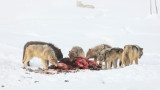


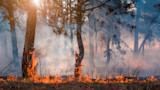

Conversation