Gear Talk
Ep. 06: Building a Boot, Waterproofing, and the Longevity of Footwear

Play Episode
1h10m
This week on Gear Talk, Janis and Jordan talk with Kendall Card of Crispi US. They dive into the many components of a boot, how one is built, materials used, waterproofing, longevity and much more.
If you have a question you want to submit to Gear Talk for discussion, email geartalk@themeateater.com. Want to comment on this episode? Visithttps://www.themeateater.com/listen/gear-talkand join the conversation.
ShopMeatEater Merch
00:00:13 Speaker 1: Welcome back to the gear Talk everyone. We have Janice who tell us and myself on along with my buddy Kendall Card of Crispy Boots. We've hunted together a couple of times. Kendall, Yeah, we've been in the mountains together, shared some experiences, fun times. Uh. Yeah, we just wanted to have you hop on and talk with us about boots, which I think is gonna be super fun. Perfect, that's easy. I love talking boots. Yeah. Can you give a little just a little background on what you're doing now and a little bit of your boot background. Yeah, you bet. We um as you know, and as as people that might know know me. I started the hunting industry about fifteen years ago, launched a website called Camel Fire, and through that in Black Ovis got involved eventually in Crispy Um. I've always been a gear guy. Um, whether it's been rock climbing, mountaineering back into skiing, um, those have been some passions of mine since since teenage years. So I've always been really, like you, just a gear nerd. I love geeking out on stuff. I love look at it, not just the like I love to look at the manufacturing side, Like why it's stitched this way or why it's built that way. But anyway, we got got involved with Crispy through an unfortunate but fortunate for me, a situation with a previous distributor. Crispy has been around for about fifty years, but the distributor had only been established in the US for about three or four years, and he made, uh, he made a couple of poor decisions that led to our opportunity to help Crispy kind of rejuvenate the brand. And then we've been the just North North American distributor for Crispy for going on almost eight years. Now. When you say you have been the distributor distributor, is that now black Over is the main distributor or good question. No, So we we have a separate company h called High Traverse Distribution. It's a Chrispy US, so we it operates separately and actually in a separate building. It's about thirty thirty miles difference between where black Ovis and Camel Fire are from from Crispy. So that, um, that's that's been interesting too because even though I geeked out on gear and I felt like I really understood footwear as well as everything else going into the factory, and and even just last week when I was in the factory and watching some of the man the manufacturing processes and understanding the why behind you know, little steps has really just been super lightening and very interesting. And I continue to geek out out on it. Even as much as I think I might know, there's still so much I don't know. So it's I love going into the factory setting and why watching and learning, uh, the why behind how boots are built. So then as a as a distributor, that's sort of that's your main point of contact for Crispy, Like why is it important for you is just the distributor to know the boots themselves and not just know how to get them from point A to point B. So, well, two things, that's a great question. Number one is obviously you can't you can pretend, uh, you know, And that's that's what I think some of the great behind There's some retailers out there that's simply just I'll buy this product and I'll sell this product to somebody. And as a distributor, we could easily just just send us whatever is on the menu, We'll bring it over and we'll sell it. To whoever's you know, wanting to buy it, whether whether we whole sale through like one of our partners like black Ovis or Shields or Midway, or we we direct sell it to a consumer. Um. I think number one, just from an integrity standpoint, you have to understand the product you're selling, regardless of the brand. But number two, we work with We work with the factory very differently than say like Scarpa or Zamberlin or some of the other really good bootmakers han wag And and and Loa. A lot of those companies that are based in Europe will essentially like, hey, this is this is the menu, this is the product selection we've developed. Um, this is what you're you're available to offer if you're distributing in the US, for example, or if you're distribting in Australia, and they'll send that out to you. One thing that Crispy does which is super unique and and it's funny because when we were there, they were building a boot for the Norwegian market, for the Scanny navy market, and we looked at it was like, hey, like it kind of a little bit of fomo, like why can't we sell that boot? But we work we work with Italy in a way that we developed specific product for this market and so in in in some way we're helping to dictate eight the direction and the why based on their foundational like building strategies. So our distributorship is a little different than a normal distribution company where we would just we just happen to have a link with the fact that we buy it, we have exclusivity in North America, then we sell it. Um, we get involved and that's that's both because we're interested as well as North America runs the gamut. I believe in the hunting industry, like we we set the pace and we set the tone for the world. Not that you know we're better, but we just simply from a trend and product development. Um, you know standpoint. And maybe you guys might feel differently, but I I think that it'll crispy. Italy has recognized the North American market is is that pace setter, and so um they've allowed us, you know, honestly allowed us to work with them in a very unique way. Let's go back to that special boot though real quick is it would it be the same way like if you developed a special boot for this market, then they wouldn't let it go to other markets, like you'd have some sort of exclusivity. Absolutely, Yeah, Like there's a there's a number of boots UM like the Idaho, the Wyoming, the Brickstall SF that we just created UM, the Brickstall pro Um Jordan. I think you might have had a chance to to use that boot. UM. Those boots are unique to the North American market only. So even though some of our hunting brethren in New Zealand and Australia would love to get their hands on those, they can't. They can't distribute that boot. UM. They might take some of the main established boots like the Guide or the Nevada, the Hunter and utilize those UM in their markets. M it's unique because the most company and most manufacturing companies like let me go back to scarp Scarpets just down the road from US in Italy, UM and our hotel was literally across the street. So uh like Scarpet for example, would not you know, build a boot and say okay, you can only sell that, you know only the US market is exclusive on that. They typically will it's worldwide or there might be some trends that would dictate one boot in one area and one boot in another area, or like it seems limiting to the company. It kind of does, doesn't it. And I've actually we've had some interesting back and forth with with Italy on and and from a business standpoint, it's like I do almost rather see some boots get worldwide distribution to kind of raise the tide for all. But I think there's um it's it's really a cool relationship with the president and found the son of the founder, and he when we develop a boot with him, he often looks at it like like this, I want you guys to benefit from the collaboration of the build um and some of them. You know, he's gonna come back to us a few times said hey, the Norwegian really love this boot, or the guys in New Zealand can we and like yeah, go for it, or or sometimes we're like, man, we'd like to hang on to that boot. We've spent a lot of time in development and working with you on sampling and tweaking and testing and stuff like that. So it is it's super unique, and I don't some ways I don't understand why they allow us to do it that way versus how a lot of other boot companies do function. Um, But I'm certainly grateful for the for the relationship in it. It creates a tighter bond with us. And also I think it creates a tighter bond with the product that we're offering to two hunters in North America. And we know those products inside and out because we've been through the development process on on most every one of them. Got it. Well, that's a good lead into uh, one of our first questions here, and I think it's good. I think we should try to stick to it, which I'm sure you will because I think that's mostly what Crispy makes, which by the way, Kendall, I have never ever, I've never even skied in a pair of Crispy boots, So I need I need to change that. Um. But we're gonna be referencing like a standard hunting boot. I think that uh, you know, it could be used Midwest, out West wherever. Like that's kind of what we're talking about here when we're talking about when when Kendall's answering these questions, we're not talking about you know, rubber you know type boots that you might use whitetail deer hunting for sand control. But like a more of a standard mountain hunting boot. Um. So that being said, Kendall, give us like the ten thousand foot view as quick as we can of like the general makings of a boot, like the parts and pieces, and then we'll try to break it down from there. Yeah you bet. Um, the when you see an upper so I'm talking everything. So the various ingredients for a boot. You've got the soul and then you have a mid soul. Um And oftentimes people just think the soul in the midsore are one and the same, but they're they're they're very different. The soul is if you had, if you took the soul off of a boot, would be completely floppy, like a like a New York pizza slice. That just like just super floppy. Um. When you say soul, that's the that's the bottom most part layer of the boot. Yeah, the tread. So if you look at most boots, if you look at most boots, um, the bottom the boy the color there's a colouration change between the soul and the mid sole ever so slightly. Even if you've got like a dark gray or black, you can see that. So it's just that bottom tread. And when when a when a guy or gal takes a boot in to get re sold. What they're talking about is they're just they'll take a knife, literally a knife. I mean seeing these things. They're like twelve fourteen inches long and kind of handles on both sides or on some of them I've seen, and they'll just they'll cut that that soul off and replace just the tread so basic elements the soul. You've got the mid soule, and that's composited of various different materials. You might have a mid soule that's e v A, which is a is a is a foam of various densities. You might have injection molded, which is UH a way that you can build boots faster and and less expensive. UM. A lot of like your your boots out there, like let's say like a solemn quest for d or some of the sala even some of the zamberlin um you look at, and these are more kind of active, like a running shoe that's a that's an injection molded. UM, they're very it's a lot cheaper to you to to do UM. And usually that is an e v A foam. So then you have polyurethane, which is a more dense, heavier UH material that's used in mid souls UH and and Vibrant makes most of those. You do have some other companies that might make some UH strategically for their own you know, manufacturing. We Crispy uses a lot of Vibrant products. In fact, we have a partnership with Vibrant IF and some of our mid souls are are exclusive to us, and some of them, like there's a mid soule that we use on the brick stall which is used on Snaz uses it. I've seen it on a couple other boots like throughout Europe UM. So it's not there isn't a typically a mid soul that's made out of PU or out of out of out of e v A if it's being done by the Vibram company, that that is exclusive. So we have a couple that are exclusive, and then others that we use universally that other brands can certainly buy from Viram and use. But the poly ethane mid soul is UH is kind of the other option. The other piece of that is. And then then you get to the upper and and the upper well real quick, real quick candle. Before you get to the upper just so I'm imagining a boot in my head and I can see the bottom tread part and I'm following you there it's like real skinny, and then you have the mid soul. As like a consumer that just picks up a boot in the store, what am I looking at? Or like? Is there any way to sort of put mid sole um into more context other than it's just another layer there. The two things that you can do is look at You'll see coloration, and then coloration changes within a mid sole sometimes will be design oriented, but most of the time it's it's differentiating different densities or the the how how firm or how soft and midsole might be. So a consumer, if I'm looking at a shelf and let's say sportsman's or shields, and I pull one off the shelf and I can kind of poke at different areas of the mid sole, whether I'm using my finger or like you know, the end of a pin. Something that would tell me like what is it how soft is this mid sole or how hard is this mid soule? And is it soft in certain areas or or harder in other areas. That's one thing you could do. The other thing that you'll see on a mid sole. If you're just looking is sometimes you'll be able to determine the type of material I can call your thing versus e v A based on the look um e v A is as a kind of a distinguishing look or on weight overall weight e v A Like if you put on a Payer running shoes, I mean that EVA is so light. I mean you put on a Prayer running shoes, like, oh my gosh, these things are unbelievable. There so lightweight, but that foam because it doesn't have as much rebound over a long period of time. That's why you know after running, you know, Prayer running shoes, you know you after a year, you might not even use those shoes to mow the lawn in because they're so basically packed out or or compressed. Um. But other guys, So if you're a consumer, you want you can look at coloration differences, or you can look at or you can feel differences in in the mid soul being like more squishy in one area and less squishy or more hard and soft in different areas. Um, it's just so clear to the out so obviously is for the grip and what the main purpose of the mid soul is what it's cushioning. Cushioning and absorption of impact. UM. You'll look at different debts like thicknesses. So for example, we have a boot called the Thor and we have a boot called the Summit and and they both use dual density, two different densities e v A, but one is thinner and one is thicker. So performance wise, what you're gonna feel or if you look across any other any other hunting brands, you'll see some that are really thick and some that are thinner. Two things that's going to affect. Number one is the mid soul is there to to absorb impact. So as you're hiking with a fifty pound pack for X number of miles over x number of hunts, the goal for that mid soule is to absorb as much of that impact as possible so that it doesn't get transferred into your body. We're talking joints, back hips, et cetera, as well as um because you know it's you, and then you've got the guys that are like, oh yeah, I just use you know, like uh, you know, no, you know, vibrant five fingers. It's like I'm I'm all into that whole like humans didn't have shoes to begin with. Crowd It's like, wait a second, um, So, so the mid sole is is both absorption and then that is dictated by both thickness and material density and type of material. And I imagine that the midsole is also what designates the stiffness of the boot, not not entirely. What's so. What's interesting. What's interesting is is when we're talking, if we jump into stiffness and what the mid soul does or doesn't do, the mid sol can influence how like how how a boot may flex, but everything else around the boot does as well. And that's one of the it's one of the kind of the light bulb moments that I've had in my progression of learning boot manufacturing. I always thought that it was the mid soul, which is not necessarily the case. It's the next layer that you go up in it, which in in a In some boots they put a shank. You've heard people say, oh, we've got a metal shank or a composite shank, or we've got what we call in our boot construction a board. Last, which is is the length of the boot. It looks looks very similar to like an insul, but that that goes between the mid sole and then the upper part of the boot, and that based on again density, type of material, thickness of material, um, different zones like that maybe at the ball the foot it might be thinner, whereas the heel it might be thicker, um it might taper in the arch of the foot. Um those that is the primary designator of how stiff a boot might flex. But they add the one thing that that changed my perspective was that the mid sole does come into play. The depth, the how deep the tread is on the soul does come into play. If you're using a soul um it's more like let's say like a running shoe or a trailering shoe the versus a boot. You can obviously see the different depth of the rubber. So you've got more substance. Obviously, you know more substance is going to flex be more stiff. But the upper part of the boot we're talking like the leather or synthetic or combination, whatever you're using on the upper does also change the flex um. So it's like every ingredient makes the recipe, but there's one ingredient that dictates the primary base of the recipe when you're talking stiffness or flex to the boot. And I had always discounted the upper. I never thought that the upper had that much influence. But we have. We have like a rating system, and other brands have come up with different rating systems. We have boots that use the exact same soul mid soul and the stiffness of the board last that dictates the flex. And because we use upper materials, you know, hunters will try and mot to say, oh, I this it's definitely a softer flex than this one. You're like, they're actually the exact same. The only difference is the upper material and construction and and and stitching here or there, that sort of thing. So the upper will actually, I'm trying to think how to put this in words, but the upper will control how much those bottom three layers can flex in some ways, yes, or it it influences I would say I wouldn't say control. I would say influences. What controls The main flex is going to be that board last or that shank or you know, depending on the manufacturer, whatever they design into sitting on top of the midstle, but beneath the upper material be it leather or be a synthetic. Would you be stepping on the board last if you took the insol out, yeah, you would. The only thing that would separate you from the board last or from that stiffening element whatever you know other manufacturers might call. It is typically a small felt or or very thin material um in a boot that's gortex. You've obviously got the gortex booty, but it's it's little and nothing. And so sometimes people if the if the board last or the shank or whatever is is thicker um or there's a lot of substance there. That's why sometimes people might say, yeah, these boots are comfortable, they fit my feet, but but I feel it like feels like it's hard underneath my foot. And maybe that's that's the response of the midst You know, the in soul is not very cushioning um. But if in the absence of a board last and the absence of of anything that that is trying to dictate the flex and you simply just have the upper and then a mid soule um, it's going to feel whatever that mid soul feels. That's back to my running shoe. If you're in a running shoe, or if you're in a lightweight hunting boot um like a Solomon or Solea, or even like our TVA mid um, that boardlast is so thin or not or basically non existent that you're feeling the foam at various densities of that midstile. And so you might find man, I love these because they're more comfortable, but there's nothing or very little to dictate like strength of flex or or you know how much you want the boot to control. You know your your stance on the mountain side. Let's continue then moving moving upwards. So we've got the kind of the bottom even though it only looks like the bottom tenth of the boot, it's more like the bottom half. But going up from there, where do you even start? It's it's super interesting when you and I've asked, so where you start on the upper part of the boot is you're looking at raw materials, so like in the Crispy warehouse, and I'm sure enough in a scar up and and our friends of Zamberlin down the road as well, you're looking at leathers. Um, you're looking at rolls, So you've got rolls of leather of various thicknesses, various um uh shredded, not stretched, but just the feel, the touch. You've got a full grained leather that might be real hard um like a like a briefcase, you know, a thick stout briefcase might be you know, out of leather, or you've got some really soft, super pliable and you're taking those the various materials, or you're looking at a synthetic like we use a micro fiber synthetic. It's a full synthetic material that we're introducing in a new boot for um that uh, Joe, I don't know if you've got a chance to test that one. Jordan's yeah, you do. We've uh, we've got we've so I just wanted I've been testing this ball and it looks just like a leather, but it's a because we've brushed the outer Because sometimes you get those synthetic materials that look like like just cheap plastic um. So you've got various materials and so you're taking those and you're stamping out or laser cutting that material and then you're merging that with you know, either some padding or a mesh liner or a gore, a gortex booty or a waterproof breathable booty, and you're taking all those things and you're you're sewing. Then the tongue and the you know, the rivets and all those pieces get built until it looks it looks like a flattened shoe because obviously it hasn't been merged with the lower um and they come out of the sewing area, and it's pretty interesting. It's it's it's quite fascinating to watch it go from stamped leather or or synthetic to the first stage of sewing, to the rivets or the islets being you know, punched and or and applied to then the underside material, which is all the padding that we feel otherwise you'd you'd have a Marcus effect. UM. Two, Then going into the process where they start merging the upper to the lower elements. Um, it's fascinating, it's super fascinating and it's fun. Can you give us that? Can you give us that process? And like in a in a concise answer, like is that possible even to tell us how upper gets used to the bottom. So yeah, to two things that happen. Number one is you take um, you take that kind of that it's almost not quite pancake flat but it's it's mostly flat shoe upper leather or or synthetic. It comes over to the manufacturing line and they put they the booty in this sense when we're when we're using gortex, it's a it's a full booty. So that actually is the first time that starts looking like a lower uh you know, like a like a shoe or a boot. And that comes into a machine that um that the bay Basically it pulls the tongue out and wraps it around what's called the last. And in any build, any bootbuilding, you have to have a shape that you're gonna take that flat upper and inform it too. So the last is uh, it's the best. It's best described as you know those like shoe trees that you put like in dress shoes. Um, you know if in they're super lightweight, Well, the last is stupid heavy. I mean you you pick one up and it's like, oh my gosh, and you watch these guys in the manufacturing line picking these up and then moving them around, and the last pivots right in the middle. And so it's a two part um that has a little bit of pivot to it. And you put that last into um into the like the booty, and then the upper gets shaped around that and started through heat as well as pulling as well as utilizing like there are a plastic. A lot of manufacturers use a bigger plastic on the toe cap and on the heel cap. That's why when you're walking on the trail and you kick a rock, you know, you don't oftentimes you don't feel it is because they've got some reinforcement in there, and those elements are then put around the last and it's shaped finally so that it can be prepared for then putting the lower on the midstle and the soul. And there's a bunch of different little processes that happened where you you know, because if you're taking a flat item and wrapping around a round ish item being the last or the shape of your foot, then you're gonna have little bubbles, or you're gonna have like folds in the leather, and all those get sanded down or ground um. If you're putting on like a rand like a rubber rand um, you'll prep that with a little bit of tape and in our in our in our processing, this is all done by hand, so they're literally taking what looks like a like a paintbrush dipping in a glue, prepping that area, that zone, and then then it goes down the chain and the rand gets applied and then it gets put onto the soul mid sole um. So it's it's that starting process is done both by hand as well as by machine, in various pulling and shaping uh to finally get in with glue to get that too too become you know, a boot or looking like a boot in that process differs depending on the manufacturing. If you're looking at some of the Asian factories that are more less hands on and more like your injection molding that mid soul um, that is a faster process usually less expensive um in our you know, in our process and some of the other Italian manufacturers that are still doing it by hand. It's very much like the person is taking the last they're slipping that that upper and the gortex booty around it, almost like you're putting a sock on. They're shaping it, pushing it, pulling it tight, making sure that it's all like you know, aligned properly, and then it goes into that first machine. And even though it's a machine that the there's two little joysticks that the guy and he's got these foot pedals, and that all dictates the pressure of pulling everything around the tongue out tight enough and everything around the heel tight en up and snug enough, until finally they see it's aligned perfectly, it's pulling at the right pressures, and then they basically push a button and it forms it around the last and so it becomes, uh the shape of a shoe, and it's it's fascinating to watch, and it's really I mean, I could, I couldn't tire of just sitting there and watching, because each model is also different and requires different alignment and different uh pressures. So we're we're in the US and we you know, we bring someone into a company that's building and it's like, man, we gotta get you up to speed in three, two or three months. You better be drilling or making these rivets or cutting these boards or whatever. Manufacturing you're doing well. In Italy, there's there's many times where I would I'll be on the factory. I'm like, oh man, this this guy looks like he's doing good. Like, oh, he's he's still an apprentice. He's only been here five years and we don't let him use like that machine. In that machine, he still needs supervision for that. And you're like, what, And so the philosophy or the approach to handbuilt boots or handcrafted boots is so different than and the skill and the amount of detail is more than you might think, is what I'm saying. Yeah, it's uh. It brings up so much like why it costs so much, why it costs so much to to make something like that? And then and but then how much like wear and tear we put through it? Um. But let's get to that a little bit. I think a good that that was a good segue. I feel like we we understand how boots made now. But this is a good segue into the waterproof, waterproof, breathable um conversation. Because you mentioned like a gortex booty inside of a boot. I think you hear that a lot, ord and I get questions about it a lot, like how is it that a boot can actually be waterproof? How does that work? How come boots aren't waterproof after a season sometimes? So let's go ahead and dive into that. Tell me about how that gortex booty or other breathable membrane booty how that fits into a boot to make it waterproof. Yeah, really really good question. And and there just because you have to know that just because the um it says gortex or or whatever other branded product that is out there, doesn't necessarily mean that it's an entire booty. There are a lot of manufacturing and a lot of boots and shoes that may utilize gortex but only on the upper and then down around and it kind of instead of coming full circumference, it might just tuck around the bottom and basically and just on the edge of the midstle underneath. And that's done. It's done. And you might question, and I question, like, why on earth would to just do a full booty UM. The one of the main reasons cost and skill. It's harder, it's much harder to ensure that the gore booty is remains with full integrity throughout the entire manufacturing process. Then if you're, uh, if you're only using that that upper piece, so basically the you know, the top part of the boot is covered. UM. For example, I was in that process where you take the gore booty, the upper gets attached to it and then it gets shaped around the last The next step is you're putting the board last or that that platform that determines flex, you're gluing that or attaching that to the bottom of the booty. One of the things that I was observing last week in the factory was when you if you place that, think about where the toe of the foot is, and if just under the toe that that board last looks like a like the insole of the shoe, so it's same shape. And that's being applied to the to the to the bottom of the of the gore booty to then sit on top of the midstle. So if you're if you place that too close to the to the nose of the basically the end of the toes, then what happens when you pull, when you pull the the upper around and you're shaping that so that it forms the toe of the boot, it will pinch that gore booty. Um, it may pinch that in if if the board last is sticking out too far, if it's sticking too too far back, you get movement of the too much movement in that gore booty and it might stretch and again get pinched. So I watched I watched Federico the President of of Crispy. We were watched sitting there and the young man that was doing that process, he he I think he had been in there three or four years and he was being he was that was his loan area, and he literally took a couple of them and said, no, no, this isn't this isn't right it And I'm talking like he moved it millimeters maybe a millimeter or two forward, and he had showed like how that could be pinched. So the one thing that that that everyone whether regardless of what what material, using gore or another membrane, the reality is is those membranes are so fragile, like a scratch with your fingerale like a like a hard scratched your fingernail could cause that gore membrane to be uh compromised. So but now the gore membrane is that's when when they're putting it into that boot, it's not just that I'm imagining that, it's it's with some other layers to make it a little bit tougher. It typically will have on the inside, like when you when you open up a boot that is usual utilizing gore um, you'll see like a little felt like a little fabric, you know, layer that the gore is attached to. That's why, like on a ski jacket, you'll see you know, you're actually not you'll see like an inner layer that's that's touch and that that is that's to protect um. So you don't get the friction like from the inside of the boot, but on the outside of the boot one of the things that you can't on the outside of that gore layer you can't. There's certain regulations when you're using gore, like if you put because you're like, well, if it's so fragile, then just put a whole put a nice solid layer of just something that that prohibits any sort of scratch or any sort of penetration of a thorn or whatever. There's limitations to what you can do because you have not just the waterproofness that you're trying to protect the foot, but you also have breathability that you're trying to ensure. So if you start to cover that gore membrane with a pile of other things, then you start uh inhibiting the breathability aspect or the water vapor to escape and then gore. So we have a we have an area of our factory and and any every GORE partner would have a part of their factory or or or the ability for GORE to come in and say, hey, we want to pull and test some of these these products, or we want to ensure that within your manufacturing you're not preventing breathability, but you're also protecting waterproofness and and taking care to the gore membrane. So the process of utilizing gore or a waterproof breathable membrane is very it's a very delicate process and very has to be done with with precision. So that kind of leads into well, how come my boots got wet after how why did my feet get wet after X number of years or x number of uses um because of the fragility of of the gore membrane, there's there, there's going to be in specifically, if if you're looking at the manufacturing process, there's bound to be a lemon here and there. There's just it's just part of the part of the deal. There's an area we have where where pallets of boots get pulled off of the manufacturing as they finally finished in boxing, and there's a owl that that she takes boots and we actually have a little video we took and and then this happens in in in most any manufacturing that that is going to guarantee waterproofness, They'll take water they pour into into the boot and then weigh it and then they put it in a in a a machine that spins it. I forget that the terminology for that that type of machine. I want to say centrifuge, but I don't think that's it. But um, and then they spend that first certain period of time uh, and then they're they're trying to see will the pressure built up from that spinning push water out out of that membrane. With a membrane, maintain it's it's integrity, and there's plenty there's times where just in that manufacturing process we get to that point where randomly testing and and uh and then boom we find a leaking boot. Um. It's not to say that some you know, one slip through the crack and the guy gets a boot and first time it leaks, which is why everyone that that uses a membrane like that guarantees for a period of time. UM. But you have to remember if you're not using a full booty over time, as you flex the boot a zillion times, and you're hiking to and fro hunting hard or hunting soft, there's going to be the ability for water to really try and penetrate in between the bottom of the boot and the mid sole in the seams, and eventually, if you're not using a full booty, that's where some weaknesses can take place. But also eventually, you know, if you're using a boot just hard hard heart there you run the risk depending on the upper material of something penetrating or something degrading, that that membrane in some sort of way that that it causes a leak rocks. That's what comes to mind. Like a lot of abridging resistance, like right on the side of your foot, side of your foot is a is A is one location. The second location that people don't think about um depending on the material the upper um you look across like Silea and scarp I have a lot of synthetic the boots. Um Crispy uses a number of boots. The one that you know you've you've used Jordan's, the brickstall SF and the brickstall uses a Basically I would like a soft shell type materialist that stretched nylon in the tongue. I know, you know, companies like Snais cannot tract cannot tract uses U straight up leather in their tongue um. Some of our models are straight up leather. So depending on the material you're using down in the tongue area, if if you've never taken your boots like legitimately apart, pull the laces out and taken a toothbrush and cleaned out that area, if you're in particularly like like sheep hunting terrain, or you're in areas where you're getting a lot of small stones and grit in down in that tongue as soon as that stuff gets because it happens when you're walking across the glacial stream, like you step in and kind of the the all that the fine you know, little rocks they kind of surf us up around your foot and and that settles down in in in that crease. Or if you're side hilling a lot in a lot of like shale, you'll get little stones in there, and if not cleaned out over time, it basically becomes sandpaper and it's just rubbing and rubbing and rubbing and rubbing down in that groove. You may not feel it because it's it's small enough. But eventually depending on the material, like the kinnet trick um. Uh, their their tongue is full leather. The guide, uh, you know the Guide Nevada from Crispy the Snais boot. They have a couple that use the full leather. That's not going to get broken down. But you start using a synthetic tongue, um that's thinner and that gore membrane is is basically almost to the surface over time. That's that's a weakness that's gonna gonna indicate, it's gonna break down if you're not cleaning that area out on the regular. Could you give like a thirty second synthetic versus leather, Yeah? The primary Well for me, I know, thirty seconds is impossible. I don't think anybody could do that. Uh. Primary the rationale for synthetic over leather is is weight savings and uh typically drying out faster or repelling water, having the ability to repel water, being hydrophobic. Hydrophobic leather inherently will absorb water. It's just it's just what happens. That's why we treat leather boots. But leather will will prevent penetration of things. Synthetic will typically breathe better, Leather may not. So there's pros and cons. But I would say leather is a is a weight savings, sometimes a cost savings and a breathability enhancement over a leather. Um. But leathers it's it's old, reliable. I I was shocked, is my thirty seconds U because I'm gonna switch topics a little bit. I was shocked at know I'm here in Utah and I hunt in Utah, and and it's I It's I love I Actually I don't mind running. I I mean, in some places, I hate running into people, but I actually love running into people in the mountains because I'm always studying, like what gear they're using, and I invariably look at boots. I mean, I'll yeah, it's my kids, like dad, stop looking at what shoes people are wearing. Um, but we uh. When I here in Utah, I'll see, you know, I'll see guys wearing all sorts of stuff from trailer from Hoka to trailer Solomon, trail runners to full on like you know, ten inch stiff boots can attract you know, says or Crispi's um and it's interesting to see what people want to what they'll get away with right in various weather, or if you're just day hunting kind of in and out real quick, you'll go maybe the lighterweight shoe. I went into Wyoming this year in on a on an archery l hunt, and it was horseback and we ran in unfortunately, ran into piles of dudes. Um, I guess that's like everywhere anymore on general tag, but um, every single other thing. What shocked me is every single person had full leather boots. Everyone and we probably I probably saw twenty five guys from forest, from a four service guy that I bumped into, to an outfitter, to clients to just Joe, regular out hunting like me, local, non local. Every single person had a full leather boot and it it shocked me. But then at the same time, I thought, Man, I'm I'm twelve miles in on horseback in rugged elk country. Um, why wouldn't I be in a full leather boot because I know that that's reliable. I mean, I know exactly what I'm gonna get and it's tough as nails. There's fewer seams, so it's an interesting It was interesting to me to see that, uh, that that difference between zones of hunting and the type of boot that people were relying upon. And in most those guys are in there for you know, a week at a time kind of thing versus kind of popping and pop it out on a day hunt. Switching gears a little bit going back to that membrane, that gortex membrane. Does that thing breathe like? Is that what determines breatheability? I know there's some other factors around it, but and like, can you give an overview of like a boot breathing, Like what does it mean? You have to come to like what does what does the breatheability mean? And it's it's it varies based on each person whatever they desire for it. So when you say breatheability, some people might think like, man, my, my, my, my sweatshirt breathe like I can put my mouth up to it and blow through it and feel the wind, yeah, you know, or my my performance layers. When you get into footwear, it breathes in that water vapor is transferring through the membrane and dispelling or or moving away from the from that membrane, whether it be through synthetic material or through leather material. Um. But there is there's a capacity that which in the same thing with with rain gear, like you look at waterproof breathable you know, rain gear. At some point there's a there's a there's a limit capacity. It's all it's all u physics of of movement of water vapor through a barrier or how much pressure. You know that also di dictates like how much pressure is behind that movement, or is the boot completely filled up, how much water is being expelled by the by the by the human foot. Um. So there becomes a point at which people might say, users will say this boot doesn't breathe for crap, or or the sock I'm using might dictate some of that moisture transfer not through the boot, but up the up the sock, up the shaft of the leg in a way, you know, through that material. So um, it's kind of a relative term breatheability. But indeed, both through scientific testing of our of the gore membrane as well as other membranes, they do breathe, but to to a to a degree. If you've got insulation on the outside of that gore membrane, between that and the outer of the boot. Again, it's going to affect breatheability of course, because there's more passage way for the moisture to leave the boot itself. Um. But Yeah, from a from a simply a science and testing standpoint, absolutely, the gore membrane does breathe. Um. The other challenges that Jordan, your foot and the honest your foot and my foot all breathe and and biologically behave differently, um, And so our our our conclusions might be completely different based on is that boot or is that foot? Is that shoe breathable? Yeah? From a waterproofing standpoint, like, how much would you say, a like if you could break it down percentage wise, and you're taking a boot that does have a membrane of sorts, and it obviously has then the outer fabric and it problem guessing it might have a durable water repellent finished on the outside as well, or if it's a leather boot then you might have you know, nick wacks, whatever you've applied to it. How much is it the outer material of the boot and what's applied to the actual outside that is causing the water proofness versus the membrane on the inside. Real good question. The the membrane itself is ultimately really like if you're talking responsibility, Uh you know who's who done it? Who's responsible? Uh, it's it. The membrane is ultimately responsible for your foot to stay dry. Um, the outer material and what it's treated with, synthetic being treated with like a spray or some sort of you know, some sort of d w R durable water repell and see, Um those are temporary of course, is you guys know and mail listeners might know that that's a temporary treatment. Even on the cream that you put on a leather, whether it be nick wax or whatever, Uh bees wax that I know that the like condatruct uses a bees wax based We use a synthetic based cream nick wax as a water based cream. Um, all of those creams have a certain life to them, and and and those those are responsible more for keeping that everything from the from the gore membrane out. We're talking the gore membrane, the insulation layer, and then the leather or the synthetic typically a topical applied element is responsible for keeping that part dry, whereas the gore membrane itself is responsible for keeping the foot dry. UM. But they do work in tandem. There's no doubt that that. You know, if you're walking through a piot, you know, just a super heavy dew mourning as you're cutting through a me meadow to head up above timberline, you're hunting deer in Colorado or or elk if you're if you're outer material the leather or the synthetic is just soaking. Immediately soaking in water, it's going to create more pressure against the gore membrane. And so as you become water soaked and you're you're when you flex, you're creating pressure points where waters is getting a higher pressure. So as you flex the boot or as you exercise, you know, movement in that boot under a lot of exterior water, there's going to be more pressure on that membrane for water, you know, the water repellency to be compromised or basically water to push through that um. And so the outer certainly works. Those outer applications help to work in tandem with the with the membrane inside. There's a lot there. Sorry, there's a lot there. All. I love it. Yeah, it's it's it's pretty wild. And I mean when you've talked to hundreds and hundreds and probably thousands of people about boots. If you feel like you heard it all. Um. You know, from the first few years uh with Crispy as a distributor, we were answering every single phone call. And now we've got you know, small team, and we're still But you go to shows and you hear everything, you see everything, it's it. It boggles Crispy Crispy Italy, and I would I would, I would probably say other manufacturers are kind of surprised, or you know, especially if they come from a European non hunting focused background. If you look at like Cande Track or Snais, those were built by hunters four hunters, and hunting is that is the market. You look at Crispy, hunting is our primary market, and we do some outdoor. You look at Scarpa though, or han Wag or Slewa uh loa, those those brands did not start as hunting companies and so there you they're they're summer use is outdoor hikers and trekkers and climbers and scramblers and skiers and etcetera, etcetera. But when you when you when you look at like the abuse that and be honest. You mentioned this earlier. You look at the abuse that hunters put on boots compared to the other user groups, it's astounding and and crispy, I know, looks at when we've talked, when we like we'll send some boots over there, like, I can't believe this has only been used for thirteen days on a single hunt and just shredded. Um. And so it's because we're all you know, it's not because we're so hardcore and we're just you know, we're just so tough, because there's plenty of like, you know, hard men in the climbing and other worlds. But the where we use our our boots and shoes and how we rely on them, um process the envelope, I think. And that's that's what's cool about working so close to the factory. As we start seeing you know, and and and and other manufacturers that are hunting specific start to see that serious abuse use, and they make changes based on the things that are happening and testing different materials and finding weaknesses, and so unfortunately, sometimes customers on the on the front end get you know, they might use in an extreme situation or what or an undesigned situation and find weaknesses and it's like it's not it's not a it's a bummer, but it's more enlightening for a boot manufacturer to say, oh my gosh, this failed. No way this failed. I did, like you know, I use a certain type of thread to stitch that there's no way that was going to fail. And then Jordan takes it to Alaska just destroys it, and we're like, dang, Jordan's sorry about that, but thank you. Um, that's a fun that's a fun you know, So that anyway, I don't know where I was going with that, but it's a it's an interesting observation that I know that we have experienced, and I would suspect that other brands, primarily the Italian brands or the European brands, are starting to experience. And because Hunters are are typically a heavier user, not in weight, but just in in the extremes that we we where we go with boots, because we don't we don't walk by trails, we just walk by mountains. Um yeah, um, I mean, we could talk about this forever, but as we come up on our time, is there like, oh, something that we can give our listeners is like a takeaway of if you're going to go into Shields or wherever and you're gonna look at a boot for a specific hunt, what would you tell listeners looking for a boot? Yeah, two things. The first thing I would say is is take what whatever the guy at the store, or your buddy or your read on rock slide or you saw on YouTube, take that with a grain of salt, because, like I mentioned before, biologically all of us are different. Um. We have our intricacy is as well as our feet are all designed different. And so just because a boot is like the cats meow for your buddy or some guy on YouTube said that, or some review you read, doesn't necessarily mean it's going to be the same result for you. So as you start to look at the various manufacturers and the various designed purposes of each boot, UM, narrow down your selection based on what you feel. Um. And I know that's impossible for some people because they live in Timbuctoo and they just have to mail order, call in or or you know, hop on a website and buy some. So it's it's harder narrow that down. And so doing your homework. I don't think you can do enough homework on footwear and understand that. You know, it's sometimes you may swing and you think you hit it over the fence and the left fielder jumps over the fence and snatches that and you're out and and the boot you thought was going to be the home run is not is not the home run, and it doesn't work. And and that's it's that's that's a tough lump to swallow when it boots three, four or five of her blox um. But the second piece, so so anyway, take take all that information as as processed information that you're gathering, not necessarily as the gospel truth, but the second pieces, start to identify. Look at look closely some of the things we've talked about, the materials in the upper the mid soul thickness, the tread depth, the type of products, whether it be vibrum, gore, a synthetic versus leather. Look at those things and start to like match those what is the what's the use of each of those materials, what's the purpose of each of those materials, and what is the what is the type of terrain or the type of use that I'm going to be utilizing them, And start to consider that rather than just slip your foot in and like that feels good, I'll take them. Uh and and so as you start to educate yourself a little bit on some of the things we've talked about, these different materials that are put into the boot, you'll start to understand, Okay, leather has this performance, synthetic, this performance, Well, what am I really looking for? And I've I've had I've had some of those kind of conversations with with guys and they're like, man, my buddy loves this boot over here, but for some reason, I wanted to love that boot so hard, but this one over here is is that's the one that's my cindere Elli slipper that I've been looking for and I don't know why, but and it's it's so much lighter or it's a softer flex than my buddy. And we all were hunt in the same terrain, and just get over the fact that that you might be in a softer flex, less burly of a boot and cover the same terrain as your buddy who's in something super thick. But start to analyze like what goes into each boot as you really narrow down your selection and then make sure that you get your foot in it, um, and walk around, whether it be in that store. You know, if you've got to if you've got to buy seven boots on the internet and and return all seven, just know that that process is worth the pain and and and tell your wife you're gonna carry a little balance on the credit card if that's what it takes, um, Because ultimately, nothing would destroy a hunt more than than crappy footwear or footwear that doesn't match your your your performance need. It's really it's super subjective. Um. I like to choose boots based on color schemes sometimes just kidding, go sor I didn't. You've never struck me as that kind of personality Jordan's but I thought we were turning over a new leaf there when you were talking about going to the back country and everybody was wearing leather boots. I was like, I would be the one you'd see with orange boots. Oh yeah, I used to have a pair of those bright blue last Sportiva. I think they were called glaciers, remember those? And uh yeah, I got a lot of crap for having blue boots. You've got some looks, yeah, Candle, question for you, if let's say it's the same boot from from your manufacturer, because you'll be answered this question for crispy. But if it's the same boot and it's like in a in a smaller size like say you know, seven, eight nine, where the average person is gonna let's say, way a hundred forty und fifty pounds in that boot versus that same boot in a size twelve where that average person might weigh closer to one nine or two hundred, does the flex change or, like I would imagine, it could might get stiffer to accommodate for the heavier person. Or is that flex gonna feel the same if you had a flex rating machine. Is it going to feel the same in that size eight or nine as it does in the twelve? Dude, that might be I m gonna have to give you an award because that might be the coolest question I've ever been asked about footwear. I'm not kidding. That is a super interesting question. Well, you know how like you're saying, you run into people and you're like, man, you're running around the mountains and a pair of trail runners. I've tried it because because I listen, I can tell everybody out there was certainly certainty that you can sneak up to an elk way easier in a pair of trail runners that you can in a pair of stiff mountain boots. It's just it's just like a fact that that could. The cushion just soaks up stuff underneath your feet and you're just like a little you know, ghost ninja just slipping through the timber. But my my weight just puts way too much torque I guess onto my feet and my ankles that halfway through the day I can't take a trail runner, so I need a little bit so Anyways, but back to the question, like, I think that's some people can that are lighter weight can get away with a lighter, more flexible boot because their weight isn't asking so much of the boot where I might need a little more support. So does the manufacturer accommodate for that, um, The answer is no. I think we use the same materials through it from size to size, so the same amount, I mean, the same exact man heterials are going to be used in an eight versus in a twelve. But by by mirror fact that you have less material or or suppose rationally, you know, ratio you know, the ratio of material to to size is going to be equal. I would say that the flex if you could, if you could test it, which I'll be I'm super intrigued. Actually, if you could test the flex of a twelve versus a flex of the eight and way that testing machine, if you could based on two D versus one forty, my guess is and I don't know the answer, I don't know the right answer, But my guess is that that that the the eight might feel a little stiffer because of less um less force or you know, you're talking on a candle lever, you have only a hundred forty pounds versus a hundred two hundred pounds. I would suspect that there's probably going to be a little bit more stiff flex on that smaller one. That and I'd love to know if if there's a physicist out there or someone that's a mechanic, you know, if into physics and mechanics. I'd love to have someone shed some light on that particular thought. But from a standpoint the second part you just used as from a standpoint of a bigger guy. I mean, I'm two, I'm four, I'm a tall guy. Um, I feel like I need I know that I get better performance out of just I'm talking feel good out of a thicker mid soul Apollo Earth and mid soule versus out of a thin trail running type soul. And I feel it two or three days later. And I know that on a multi day hunt, I don't recover as as quickly after you know, big day exertions. Whereas I think guys that are running that are lighter weight, it may not impact them as much. Um if they're not you know, with with the same or maybe even going a softer midsul material. But man, that is you've You've ignited an interest in me a thought process that I'm sure I'm not going to sleep at night for a aisle on this one. This is cool. Well, if you're out there listening and you have a lead or an answer for us, please right into UH gear talk at the meat Eater dot com and UH and you know, tell us what you know what We'll reach out to you. One more like about the longevity, Like, let's let's talk about that a little bit about what people can expect even out of there, you know, three or four boots, um, because I think a lot. A lot of people are mystified that they could wear through a pair of boots in a season. Um, when they've spent that much money. You you have two or potentially three categories of users. UM, you've got the super user, this is your outfitter or or people like yourselves that that have the opportunity to hunt basically from mid August to December hard multiple hunts that those people typically recognize UM, and especially guides and outfitters because those those people look at it, it's just part of the work. It's part of my uniform, if you will. And so those people recognize, hey, man, I'm using these things day end doubt it's paying. My investment is repaid to me on a daily basis, So my cost per use ends up being I love to look at cost per use on on all my gear, from my ski gear to my hunting gear. So cost per use gets down to we're talking like twenty cents, thirty cents per use, fifty cents maybe a you know, maybe on a pair of boots. Maybe the guys getting down to a dollar, you know, a dollar and a half per use, and they have to recognize, like would I pay a dollar and a half for that day to have that kind of comfort my foot and knowing that it's going to I'm going to retire these at some point. Then you have your second group of people that I'm skipping one, that is they're going to buy a boot and they're going on one hunt a year, maybe two um and then and they're gonna they might hunt hard, they might hunt soft, but they know that that boot they're expecting that boot to last them six to eight to ten years. And the majority of those boots will last six to eight to ten years. And it's there's a partnership. I mean, people reckon after recognize that if you're gonna buy something like that in investment, there's a partnership that that needs to happen. That means, do you take care of your boot and your boot take takes care of you. Um. And if it's a one sided relationship, then usually those relationships go bad. Uh, not just in footwear but in life. But the so you gotta change your oil and your truck too. By the way, Yeah, dude, if that light comes on or that up there on the left, the jiffy loop thing says like miles ago, then then you need a citation written, um, so, but the so then the user. So that group typically is satisfied with their purchase. The super heavy user group is satisfied with the longevity of the boot. Typically it's the it's the group in the middle of guys like probably like me, you know, I hunt four or five hunts a year, maybe the guys maybe less than. You know, guys a hunt weekends, you know, throughout most of the season, and they and they invest in the boot and they're expecting like I don't hunt, you know, I'm not a superdo so they're expecting the boot to last eight to ten years as well. But the reality is is depending upon use, terrain, um, how well you're taking care of the boot after after each use or or kind of attending to you know, it's its needs. Um, that boot probably is gonna last four or five years on the high on. Maybe it's six years on the high end, two years on the low end. UM. And that's where you get guys that will say, many there's a bit of a rub, and there has to be. I'm from a manufacturing standpoint, we absolutely look at like we'll look at each case typically and most manufacturers do the same. Man, Yeah, that shouldn't have come apart at that in that location, or that boot that that soul shouldn't have separated at that location. But then sometimes when you flip it over and you look at the bottom bood, you're like, oh my gosh, dude, these are like moccasins. There's zero tread left. You've destroyed these things, and they're like, oh, I just hunt. You know, every once in a while you're like, no, you don't. Either that are using them on your day job as a plumber or as a concrete got layer, and you're on concrete all day long with that soft vibram soul. So there the longevity question is if I was if I was to say, I'm I'm gonna buy a pair of boots, and I'm a I'm a kind of a weekend with the occasional one week in Wyoming Hunt coming out from from Missouri to Hunt Hunt West, and then I'm I'm using it here and there, and I might be using on you know, setting truck cameras. I think with any good high end boot, you should anticipate anywhere from that three to six year UM window and potentially longer depending on how you know where you just store it and other things like that, and sometimes quite frankly, it's just like cars or electronics, you do get a and you just and and hopefully whatever manufacturer you're working with would recognize, like, hey, that that's that's an anomaly, and let's take care of you in that situation. And that's where some of that angst exists, both the people against our brand as well as other brands. But that, uh, that's the user group that I see that has the most challenge with the longevity question. Um, I don't know if that answer that be honest or gave you some perspective. That was a great answer, Kendall. I'm very impressed by that answer, especially like the the cost per use analysis and and you know viewpoint that you can take to look at it, because that's what I've never thought about my gear that way, and you like, I'm gonna go down to my gear shed right now and start looking at stuff and see if I can put like a monetary value on like per you know, per use on it, because that's a very interesting way and it makes sense because then everybody's gonna get let's say, as out of the boots. You might just do it in one year's time. Someone else might do that in five years time, and someone else might do it in ten years time. And as long as you, you know, take care of them in between the uses, and I think that everybody will still get there days. It just depends on how long you take to get there. And that's no different than putting miles on your card or miles on your tires. Right, everybody's gonna get fifty thou just some people might do it in a year, some people might do it in it's ten you know. It's the one other thing. And I don't want to I don't want to derail this or go too much longer. But one other thing you have to think about on time of footwear, just like a car tire. Like if you if you have a trailer out back and you have a tire on it, and and it you might only use it once a year, but seven years later it's like dude, this tires coming apart. Or it's it's in footwear, the same thing happens. It's a process called hydrolysis. And what happens is is a boot. If you store a boot over a long period of time and that boot goes hot cold, hot, cold, or maybe it changes humidity multiple times and it's just kind of sitting there. You might get occasionally used, those those glues and the other things, regardless of the manufacturer, start to undergo a process called hydrolysis, which breaks down the bonding within those different layers, and you may see premature cracking of the leather, for example, or premature separation where there's glue points and in whatever footwear if that's you know, hey, I've only had these six years and I barely use them. In what the heck? Um that could happen? So just just a little asterix or caveat there. No, I think most people would look at it because and they would see it in the form of dry leather right where. Oh I just you know, I was on a snowy wet hunt last December and then I threw those boots in the closet or wherever, and I pulled them back out and September, and boy, they don't look like they were when they were new. It's they don't feel like they used to, right right, Yeah, they don't flex like they used to. Um. So yeah, we're gonna cover that topic on a on an upcoming gear Talk podcast. But Kendall. Thanks man, that was super informative. You bet, thank you, You're welcome. Thank you for from me on. I love love talking about gears. You can tell awesome. Okay, who do I need to talk to to see if I can get a pair of Christie Crispy booths from Crispy Us. Jordan's has my contacts, but yeah, I just search us up at crispy us dot com. But I'd love to love to get your feet into some and see if they're if they're good for your feet, Yeah, I'd love to try them. All right, signing off until next time. Jordan, do we need to add anything right now at the end here? Mmmm? I don't think so. Just if anybody has questions and to gear Talk at the Meat dot com or go to the Mediator dot com and find our gear talk tab under podcasts and then under this specific episode you can scroll down and you you can comment on a specific episode and we'll get back with you. Yeah. And as of this, as of recording today, we've yet have any comments on our first three released episodes, So please someone be the first one. Go to, like Jordan's said, Meteor dot com, find this particular episode and comment there, and the cool thing about that is that it will be a little bit forum like where you can see other people's comments and we can get you know, a little bit of a conversation rolling and anything goes there. So please use that and it will help us make a better podcast. Thanks again for listen, and we'll see you guys in a couple of weeks
Presented By
While you're listening
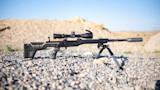
Firearms
Building the Ultimate Lightweight Magnum

I’ve been wanting to build a custom rifle for about a decade now. I had previously assembled a rifle using a blueprinted Remington 700 action, but this time around, I wanted to maximize performance by using the best of every component. This rifle is designed with hunting in mind, first and foremost...
Matt MillerOct 30, 2024
Read MorePlay Now
Hunting
Building A Complete Hunting Clothing System

Hunting clothing has come a long ways in the last decade or so. With technical advances in synthetic and natural materials, hunters no longer have to suffer the drawbacks of wet cotton, heavy wool, or loud polyester clothing. It’s now possible to build a complete clothing system that will get you...
Brody HendersonSep 8, 2017
Read MorePlay Now
Freshwater
A Brief History of the Meaning and Interpretation of Fishing Grip and Grins
Who doesn’t love showing off their catch with “grip-and-grin” photos? After all, a picture says a thousand words. Over the years, anglers have communicated a wide spectrum of sentiments through their grip and grins. Whether it’s a tournament bass fisherman hoisting a largemouth like a sack of cash...
Brody HendersonDec 19, 2018
Read MorePlay NowConversation
Save this episode