
With hunting season in full swing, roadways on public lands can feel like traffic jams, and trailheads look like used car dealerships. Even backcountry excursions can start to feel crowded.
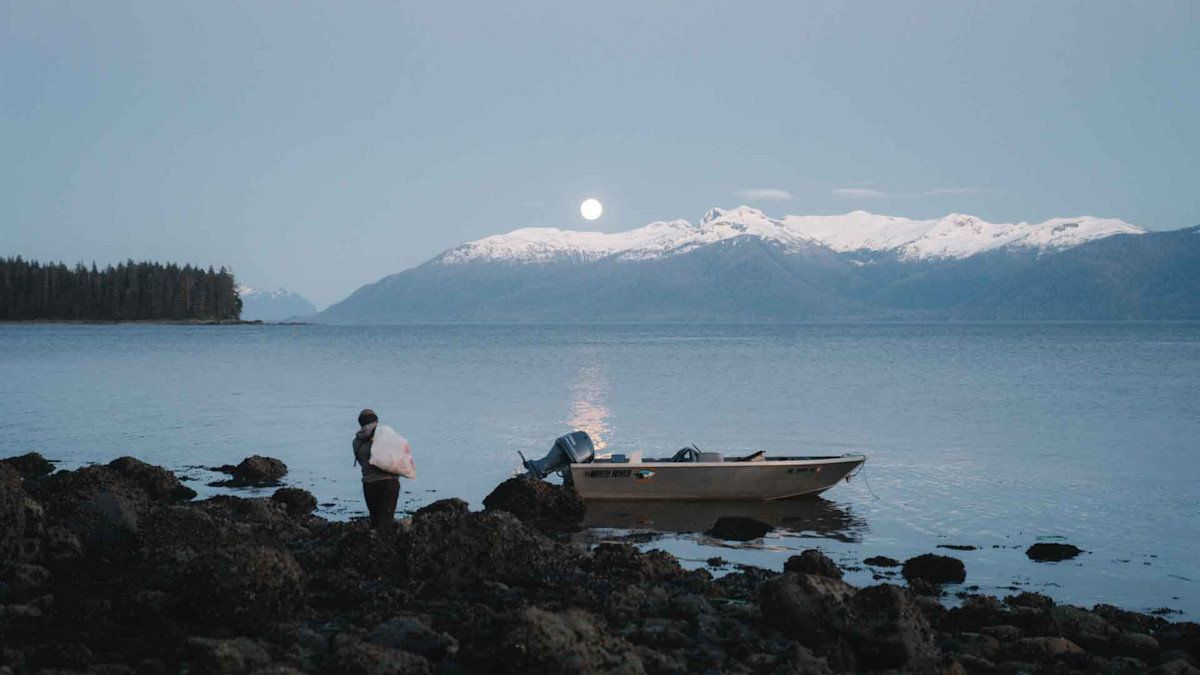
As hunters begin to crowd each other for prime elk, deer, and bear country, all the big game animals get pushed out of the area. Whenever I see those lines of bouncing headlights heading into the mountains, I think, “Thank God I have a boat.”
Why Use A Boat?
I’ve been using boats to hunt big game for a long time. From canoeing through swampy wetlands for whitetails or using river access to find big bull elk and bighorn sheep to motoring across lakes for mule deer, I’ve used boats to hunt a lot of prime, secluded hunting areas. A boat can turn lakes and other bodies of water, often viewed as barriers, into paths to the promised land.
Boating for big game isn’t new. In fact, it’s a hunting method that has been utilized by hunting cultures throughout history. From indigenous tribes chasing moose in birchbark canoes to the ancient Egyptians pursuing hippos and crocodiles in reed rafts, hunters have long known the advantages of hunting from a boat. Hunting from a boat offers a lot of advantages, but it also comes with its own set of challenges. Here’s what you need to know.
The Right Boat For You
Too many boat-minded hunters make the mistake of doing silly things to reach new hunting territory. Things like trying to maneuver a flat-bottomed aluminum rowboat down a rocky, rapid-filled river or paddling a canoe five miles across a lake that’s still in the morning but beset by ripping wind and massive whitecaps in the afternoon. This mistake can not only be exhausting, it can be flat out dangerous. To avoid this, you need to select the right hunting boat for the job.
For smaller, faster-moving rivers and streams where there’s likely to be a number of mid-river obstructions, a canoe or durable rubber raft is your best bet. These smaller, more nimble boats can be easily maneuvered in fast currents by only one or two people and have a lot of extra space for hunting gear and meat from a successful hunt. Both canoes and rafts can be quickly and easily portaged around obstacles should portions of the river or stream become impassable.
On large rivers, lakes, and reservoirs, strong winds and long distances can become a serious issue. This makes larger vessels like a jon boats, drift boats, and even small motorboats a more sensible and safer option. These larger vessels have plenty of room for gear and meat and can be safely packed to the gills with camping gear and other necessities for multi-day hunts.
While boats are great for accessing remote areas, it is generally considered immoral—and illegal in many states—to shoot at game from the boat. Just make sure you follow local rules and regulations.
Finding The Right Spots
Generally, hunting big game with a boat can’t be done in the same way that hunting from a truck or ATV can. If you’re planning a hunting expedition by boats, you’ll need to plan days or even weeks beforehand. You have to make certain considerations and concessions for selecting the right boat, choosing the right hunting area, bringing the right amount of gear, and, of course, finding a good launching and landing site to ensure you can safely get on and off the water during your hunt.
Mapping apps like onX as well as virtual mapping and GIS systems like Google Earth are invaluable tools when planning an aquatic hunting adventure. Not only do these tools show you property lines, but many of them will show you public access boat launches, too. You can also find low areas where you can self-launch a canoe or other small boats. In addition to getting your boat to and from the water, good e-scouting can help plan portage routes and camping spots.
Going in blind is never a good idea, so once you have a couple good boat hunting spots in mind, you should give them at least one dry run before hunting season. At least a couple of days before opening day, take your boat into your planned area. Test out routes in the same boat with a similar amount of gear you’ll be bringing on the hunt itself and make sure it’s manageable. Look for good landing and launching sights and, if necessary, portage spots to make sure you can safely get in and out of the area.
Once you’ve got a solid idea of how to get in and out of the area by boat, hike into your likely hunting area and scout it out on foot to make sure there’s enough potential game in the area to make all the hassle worth the effort.
All this prep work can make hunting big game with a boat seem like a grand, yet tedious adventure. However, you can make all the preseason boat scouting entertaining by doing things like fishing, camping, or waterfowl hunting along the way. While this extra effort may seem unnecessary, pre-scouting with your boat is always worth the hassle because it dramatically increases your chances of success once hunting season rolls around.
Pleasure Boating
Using a boat to hunt big game is a unique experience. Not only is it an excellent way to get away from the crowds and to explore new hunting territory, but it’s also a surreal and beautiful hunting experience. Instead of driving down washboard gravel roads, you can enjoy the subtle peace of the water.
Stay in the loop with The MeatEater Newsletter
Related
Shop
The comments section requires Functionality cookies. Please enable Functionality cookies in Cookie Settings to view this content.