Tennessee Rules Game Wardens Need Warrants for Private Property Investigations
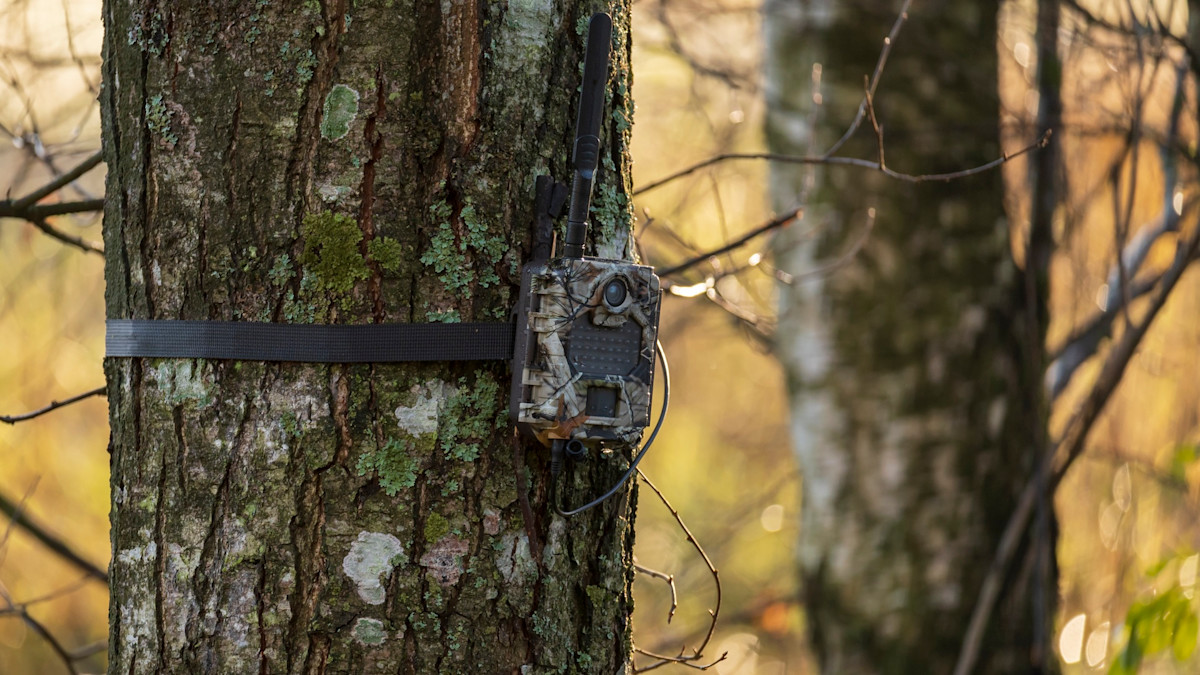

In Tennessee, a recent court ruling restricts the ability of game wardens from the Tennessee Wildlife Resources Agency (TWRA) to enter or surveil private property to investigate wildlife crimes without a warrant. The ruling stems from a lawsuit brought on by Terry Rainwaters and Hunter Hollingsworth, both of whom experienced incursions onto their properties by game wardens investigating suspected illegal activities.
Hollingsworth (who has already lost his hunting license for three years over illegal wildlife baiting), noticed a game camera on his family’s remote property in 2018. The camera, it turns out, belonged to state game wardens, who had placed it on Hollingsworth’s land to investigate other suspected wildlife crimes. Hollingsworth filed suit shortly after, claiming the camera and other warden incursions on his property were infringements on his privacy and property rights afforded by the state’s constitution.
According to TWRA, however, the game wardens were exercising their legal ability to “Enforce all laws relating to wildlife, and to go upon any property, outside of buildings, posted or otherwise [for the purpose of enforcement],” per state law. The ability to enter private property without a warrant is specific to game wardens enforcing wildlife laws, and doesn’t apply to any other law enforcement agencies in Tennessee.
“If they can just come at will, whenever they want and wherever they want, what’s the value of private property?” Hollingworth told a local newspaper in 2022.
The resulting court case pitted the state law allowing for wardens to enter private property against Section 1 Article 7 of the state’s constitution, which reads: “People shall be secure in their persons, houses, papers and possessions, from unreasonable searches and seizures.”
A key component of the plaintiff’s case was scrutinizing the system with which TWRA officers decide to conduct surveillance on private property. Standard practice for the agency is that wardens can decide individually, on a case-by-case basis, by their own discretion, when to enter private land.
The judges took issue with this practice, writing in their final decision, “The TWRA asserts that their approach is systematically reasonable because its officers only search if they conclude that they have a reasonable belief that hunting is occurring or has occurred. The TWRA searches, which it claims are reasonable, bear a marked resemblance to the arbitrary discretionary entries of customs officials more than two centuries ago in colonial Boston.”
A final, key component in TWRA’s defense was the federal “open fields doctrine,” stemming from a precedent holding that landowners have no reasonable expectation of privacy on open fields beyond a home and its immediate surrounding area.
The judges still came down on the side of private property owners, writing, “The TWRA’s contention is a disturbing assertion of power on behalf of the government that stands contrary to the foundations of the search protections against arbitrary governmental intrusions in the American legal tradition.”
TWRA now has 60 days to appeal the ruling to the Tennessee supreme court. If TWRA doesn’t appeal, the precedent set would require wardens to obtain warrants before entering private property. That would likely complicate the enforcement duties of wardens, especially since 90% of land in Tennessee is private.
But, as Hollingsworth points out, “If hunting over bait is so much worse than trafficking kids or other serious crimes that need a warrant, then [game wardens] need a warrant.” The key difference, however, is that wildlife is a public resource—even when on private land.
Opponents of the decision have expressed fear that a lack of oversight on private land could lead to more wildlife crimes—like those Hollingsworth has already been found guilty of. Regardless, it’s unlikely that the recent court case is the end of the story for the issue in Tennessee and beyond.
Stay in the loop with The MeatEater Newsletter
Shop
Related
Wildlife Management
Tennessee Court Ruling Reduces Game Warden Powers

Wildlife Management
Tennessee Rules Game Wardens Need Warrants for Private Property Investigations

Wildlife Management
How Wardens Get the Guilty to Confess

The comments section requires Functionality cookies. Please enable Functionality cookies in Cookie Settings to view this content.