Is Washington About to Get Grizzly Bears?
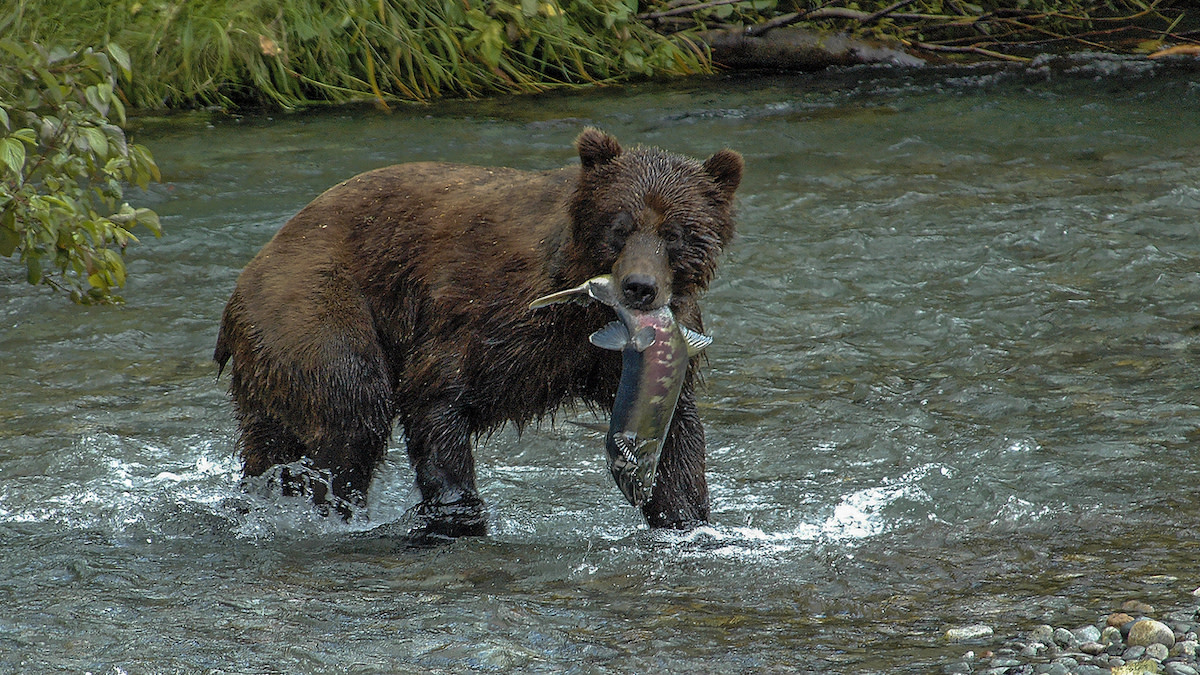

After decades of absence, grizzly bears may be returning to Washington’s North Cascades. The US Fish and Wildlife Service (FWS) is considering a reintroduction plan that aims to put the species back on a large swath of their historical home range. Under the plan, the agency is proposing to reintroduce seven to ten bears over a period of five to ten years, with the goal of establishing a self-sustaining population of 25 animals. Long-term, the goal is 200 bears within 60 to 100 years.
How Long Has It Been?
While the North Cascades are part of the grizzly bear’s historic range, there is no evidence that the species currently occupies the region. In fact, the FWS suggests that there have been no confirmed sightings within the last two decades, and a 1993 Grizzly Bear Recovery Plan (for the entire western United States) indicates that the last verified grizzly tracks in the region were documented in 1989 and 1990. The last confirmed grizzly kill was in 1967, in a mountain basin now part of the North Cascades National Park. In short, it’s been a long time since grizzlies roamed this remote portion of the Pacific Northwest.
Is The Habitat Still Suitable?
There are 2.6 million acres of federal wilderness in the North Cascade Ecosystem, including the Stephen Mather, Pasayten, and Glacier Peak wilderness areas. Together, with adjacent national parks, National Forest lands, and some private property, biologists believe there are 6.1 million acres of suitable grizzly habitat (only seven percent of that acreage is privately held).
By comparison, Yellowstone National Park is approximately 2.2 million acres. Yellowstone and the surrounding 12,000,000 acres collectively known as the “Greater Yellowstone Ecosystem” currently support an estimated population of just over 1,000 grizzlies (as of a 2021 survey).
While there appears to be ample space for grizzlies, biologists caution that the North Cascades have changed since the bears last occupied the region. “If we were to magically put grizzly bears back today into the North Cascades, it’s not the same North Cascades as it was 100 years ago,” Jason Ransom, the lead wildlife biologist for North Cascades National Park, told a local media outlet this winter.
However, researchers in the area also make a case for expanding the species’ range as an overall buffer against potential disturbances throughout the West. “[Grizzlies] are the kind of species that fare better in a changing climate,” Meade Krosby, another researcher in the region, said. “They can move out of the way if there’s an impact. They can shift their ranges to track changing climates. If something that they eat becomes scarce, they can eat something else.”
In terms of available forage in the North Cascades, a 2018 survey identified the presence of over 2,500 plant species, and nearly 450 animal species known to be part of grizzly bears’ diets. Recent research also suggests that the forage base for bears will only improve with climate change in the coming decades.
While the ecosystem might be different from that which historically supported a grizzly population, all the necessary components are still there—and perhaps even enhanced compared to the past.
What’s In the Plan?
Under the draft plan, the FWS is considering three possibilities. The first is a “no action” alternative, which is a continuation of the status quo. It’s part of nearly every environmental assessment. However, even if the FWS elects not to introduce bears, there is always the chance that animals could migrate in from populations in the Selkirk Mountains (spanning northeast Washington, the Idaho panhandle, and a portion of British Columbia) or from the “Kettle-Granby” population, also in British Columbia. If that were to happen, the bears would still be protected under the Endangered Species Act.
The second option is the management of reintroduced bears as a “threatened species” under the Endangered Species Act. This management paradigm would only allow for the killing of bears in the defense of life, for research purposes, or in extreme cases of human conflict.
The third option is designating a new population as “experimental,” which would allow for more flexibility in the harvest and management of the animals. The FWS believes this is the best option, as it would allow agencies to more easily mitigate and account for interactions with humans and urban areas.
What’s Next?
Should one of the reintroduction options be selected, biologists are looking at interior British Columbia and the Greater Yellowstone Ecosystem as source populations. Bears would be live-captured, and transported to remote, non-wilderness areas in the North Cascades for release.
The Draft Restoration Plan and Environmental Impact Statement is open for public comment until November 13.
Stay in the loop with The MeatEater Newsletter
Shop
Related
Wildlife Management
Western States Open New Efforts to Delist Grizzly Bears

Wildlife Management
Grizzly Bears Returning to Western Prairies
Wildlife Management
Spring Bear Hunts Cancelled in Washington State

The comments section requires Functionality cookies. Please enable Functionality cookies in Cookie Settings to view this content.