Colorado Severely Restricts Trapping Limits But Tables Fur Sale Ban
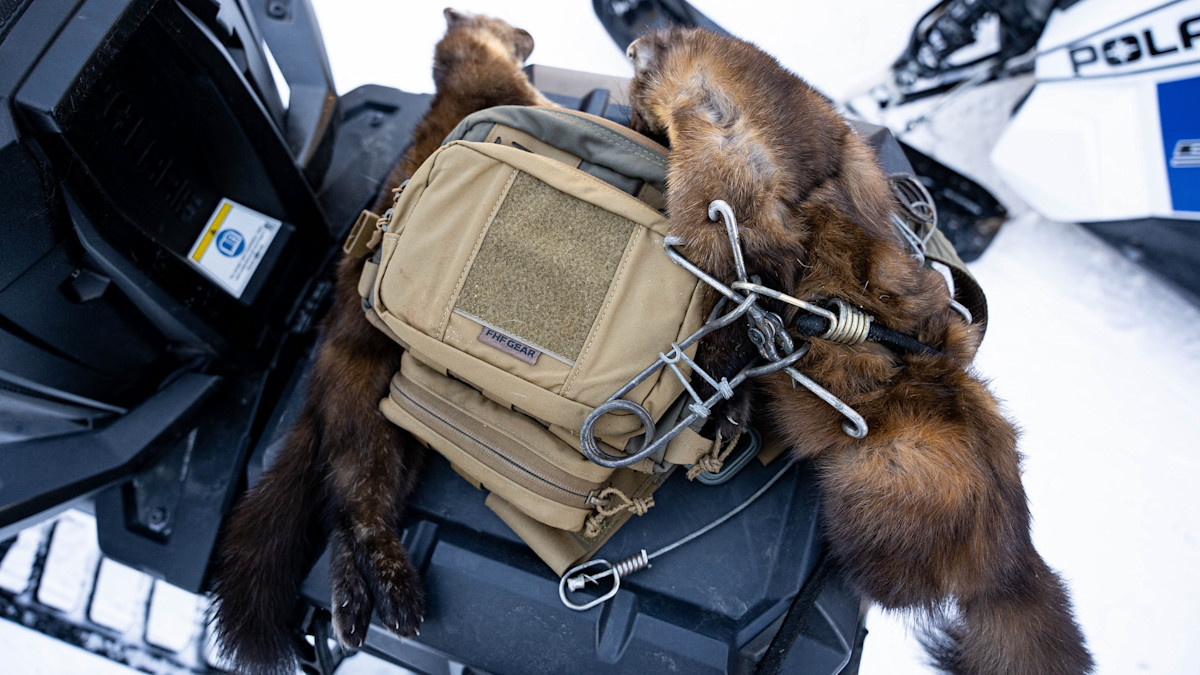

Earlier this week,the Colorado Parks and Wildlife Commissionmade two votes that will seriously impact fur trapping in the state. The actions are at the center of ongoing, contentious debates between consumptive users and animal rights activists.
Unscientific Bag Limits
On July 16, the commission, which is politically appointed by the governor, instituted a daily bag limit on furbearer trapping—and the final action strongly diverged from what Colorado Parks & Wildlife (CPW) staffers recommended.
In the Centennial State, furbearers had previously had no daily bag limit, and CPW biologists said that one wasn’t needed, considering that trapping has limited impacts on the population fluctuations of the species.
“The current seasons and level of harvest are not causing any biological or population management concerns,” said CPW deputy assistant director Matt Eckhert in a presentation to the commission. “Setting [a low bag limit] is biologically unnecessary, affects the recreational opportunity of a larger number of fur harvesters, and increases the conflict with existing statutory directives.”
At the commission’s request, CPW put forward two management routes with bag limits. The agency’s preferred option was a 15-animal-per-species daily limit, though in its memo, the agency acknowledged that this liberal limit was one that the commissioners had already seemed “generally critical of.” The second alternative put forward by the agency involved two daily limits: eight for furbearer species “identified in statute as causing damage to crops, livestock, and personal property” and four for others.
In the end, however, the commission voted 6-5 to approve another bag limit, one that was put forward by Rebecca Niemiec, co-director of the Animal Human Policy Center at Colorado State University and a new member of the commission. She introduced atwo-animal-per-day, per-species furbearer limitand argued,as reported in The Colorado Sun, that doing so would “maintain social acceptance, to make sure people feel better about hunting and trapping furbearers and about our policy decisions.”
One public comment offered a very reasonable, contrasting perspective: "I pay taxpayer money on gas and equipment to trap. Not every day will I catch anything, but I am out money. Now I am limited to two animals a day, and we might finally get a snow, and I catch five animals, and now I have to turn three loose."
Sportsmen’s rights groups have also panned the decision. “The Colorado Parks and Wildlife Commission just showed us exactly where some members’ priorities lie — and it isn't science,” wrote Coloradans for Responsible Wildlife Managementin an Instagram post. “There was no biological crisis to justify this. There was only a vibe…. This is a Commission substituting feelings for biology, opinion for expertise.”
The vote is sure to cause angst and negatively impact trappers, as well as outdoorsmen and women worried about the institution of politically—rather than scientifically—justified bag limits in Colorado and elsewhere in the country going forward.
Fur Sale Ban Fails
The next day, on July 17, the Colorado Parks and Wildlife Commission voted on another contentious proposal concerning furbearers:a petition to outlaw commercial fur salesfrom the state’s 17 managed furbearer species. The petition was put forward by the Center for Biological Diversity and was also supported by environmental groups and animal rights activities, who argued that it led to the “commercialization” of wildlife.
In the spring, CPW recommended that the petition be denied, again citing that the trapping of furbearers and the subsequent market for pelts is not significantly impacting their populations.
But the Commission instead voted 6-4 to initiate a formal rulemaking process. During this process, CPW accepted stakeholder input and public comment, with 57% of respondents opposing the fur sale ban, which included limited exceptions such as for fly fishing flies.
Ultimately, the Commission voted 6-5 to terminate the rulemaking process for the petition, which will kill it for the time being. The close vote and lengthy debate on the subject, however, likely does not signal a definitive end to the debate in Colorado and elsewhere in the U.S., where animal rights groups are going after long-held hunting and trapping practices and traditions.
Shop
Sign In or Create a Free Account
Related

Wildlife Management
Colorado Advances Petition to Ban Fur Sales

Wildlife Management
Colorado Severely Restricts Trapping Limits But Tables Fur Sale Ban

