Feds Announce Major Restructuring and Relocation of U.S. Forest Service

On Tuesday, March 31, the U.S. Department of Agriculture announced sweeping changes for the U.S. Forest Service (USFS). Notably, the Trump Administration will move the headquarters of the federal agency, which manages 193 million acres of multi-use public land, from Washington D.C. to Salt Lake City, Utah. Additionally, there will be a major shakeup of how USFS organizes its office and research facilities.
The administration’s decision to move the headquarters west was explained as moving decision-makers closer to the land that they manage. “Moving the Forest Service closer to the forests we manage is an essential action that will improve our core mission of managing our forests while saving taxpayer dollars and boosting employee recruitment," said Secretary of Agriculture Brooke L. Rollins.
The move has been met with praise by many local leaders. "This is a big win for Utah and the West,” said Utah Governor Spencer Cox. “This isn’t symbolic. It means better, faster decisions on the ground. Everyone who depends on our public lands, from hikers and campers to ranchers and timber producers, will benefit from this change.”
In contrast, some environmentalists say that the move could lead to the loss of talent and institutional knowledge due to folks leaving the agency instead of making the move, which happened during the ultimately failed attempt to move the Bureau of Land Management’s headquarters from D.C. to Grand Junction, Colorado, during the first Trump Administration. Additionally, they argue that moving the office closer to large tracts of USFS land won’t necessarily improve the management of those places, because the national office’s role is to coordinate resources and issue guidance based on national policy, while other offices implement it.
“I would push back on this idea that moving out of D.C. is moving closer to the people you serve. That’s not the role of the national office,” Mary Erickson, a retired forest supervisor, told High Country News.
Of course, the shake-up will extend far beyond relocating the agency’s headquarters; the USFS will also close many regional offices and shift authority to state offices, while also maintaining a network of “operational service centers” to provide administrative and technical support. Additionally, the agency will consolidate its research stations to one unified research facility located in Fort Collins, Colorado.
"This is about building a Forest Service that is nimble, efficient, effective, and closer to the forests and communities it serves," said USFS Chief Tom Schultz. It’s not clear if the transition will include layoffs or how many regional office staff will be required to relocate. The agency’s fire management workforce will not undergo any changes.
Some in the environmental community worry that the reorganization has not been well thought-out and that its implementation may lead to worse public land management. “At a time when wildfires are getting worse, and access to public lands is already under strain, the last thing we need is an unnecessary reorganization that creates chaos and confusion for the land managers, researchers, and wildland firefighters who help keep our forests healthy now and for future generations,” Josh Hicks, conservation campaigns director at The Wilderness Society, told the Associated Press.
MeatEater’s Director of Conservation, Mark Kenyon, shares some of Hicks’s concerns. “This news does not exist in a vacuum…In just over a year, the USFS staff has been slashed by nearly 20%, budget cuts of over 30% have been proposed, and foundational management plans and regulations, such as the Roadless Rule, have been set to be rolled back,” he said. “Adding the forced relocation of critical staffers, or more likely their resignations, and the shuttering of regional offices and critically important research stations on top of all that raises plenty of reason for concern.”
However, Mark also remains hopeful that the transition will be successful.
“For the sake of the wildlife and wild places that hunters and anglers depend on, I hope that these changes can lead to the efficiency gains and other benefits outlined by the Administration,” he added. “But in the meantime, I'll be asking my elected officials to keep a close eye on them.”
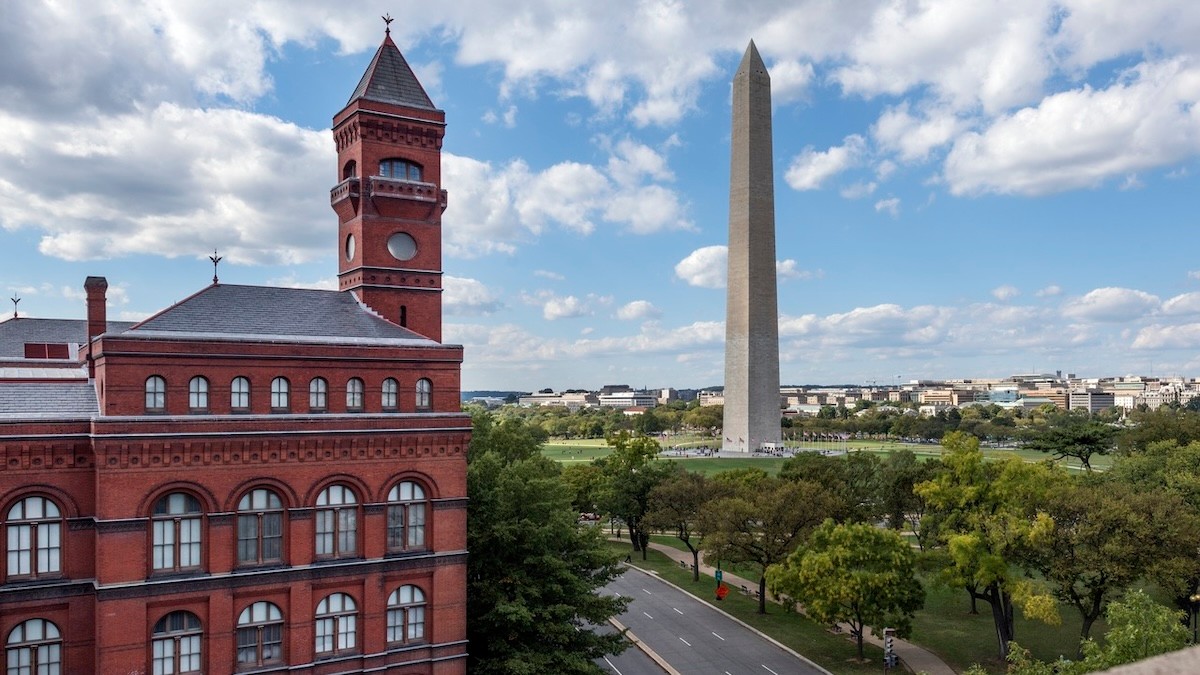
Feature image via the Library of Congress of the historic Sidney Yates Federal Building in D.C., where the Forest Service has maintained its headquarters for over 30 years.
Stay in the loop with The MeatEater Newsletter
Shop
Related

Public Lands & Waters
What to Know About Michael Boren, Trump’s Nominee for Forest Service Leadership


Public Lands & Waters
Forest Service Wants Your Input on Mine Adjacent to Boundary Waters


Public Lands & Waters
Laid-Off Forest Service Workers Describe Dismal Future for Public Lands

The comments section requires Functionality cookies. Please enable Functionality cookies in Cookie Settings to view this content.