Backtracking: Do You Really Need to Find A Buck’s Bed to Hunt Him?
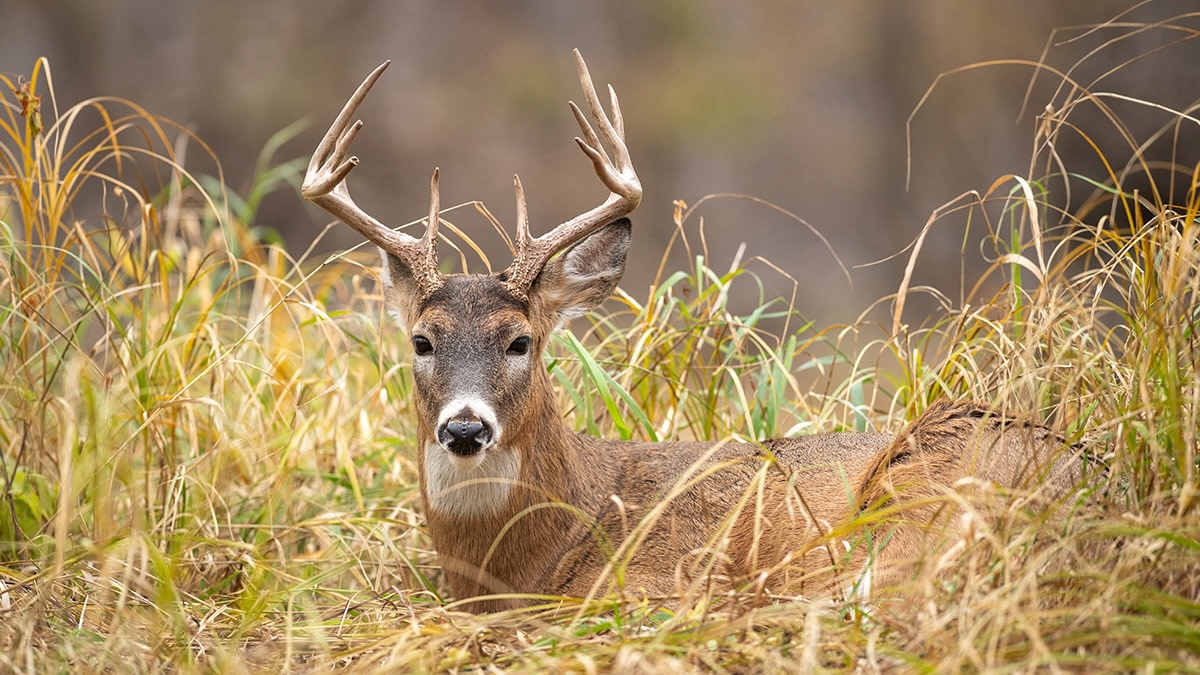

There’s something alluring, almost sacred, about the idea offinding a buck’s bed, especially if it’s still warm or matted with white hair. It’s kind of like the scene inNo Country for Old Menwhen Sheriff Bell finds the still-sweating glass of milk that Chigurh, the ruthless mercenary, drank from just minutes before. It’s an indicator that you’re on the trail, even if you’re a few steps behind. As tantalizing as a fresh buck bed is, do you really need to find it to kill a specific buck (or any)?
If you’re not familiar with the term, backtracking a buck is a way of retracing a buck’s sign (rubs, tracks, etc.) to its presumed bed/bedding area. This might present a relatively painless process in areas with limited cover. In that instance, you can probably assume, with some confidence, where a buck spends a lot of his time. However, in cover-rich areas, like thebig woodsor even in steep hill country, you might want to forget about specific beds.
The General Specific
Bedding areas tend to be more general than we think. In fact,research showsthat in areas where cover isn’t a limiting factor, bucks rarely bed in the exact spot twice. However, that doesn’t mean they won’t continue bedding in the same general area. So what does that mean for hunting?
For starters, you can quit hyper-fixating on locating a specific buck bed. That should come as a relief. Instead, focus on other, more tangible sign like tracks, trails, creek crossings, or even land features like edges that lead away from general bedding. These are also excellent places todrop a trail cameraif you want visual confirmation that a buck is using a specific bedding area.
If you snag multiple pictures of a buck or see that he frequents a particular area, then you can confidently assume that he’s staying there (for a certain time, anyway). From that general area, you can then start to formulate how that buck navigates the landscape, and how you can ambush him.
Don’t Overlook Tracks
For some reason,deer tracks don’t get the love they deserve. I get it. Chest-high rubs are cool, but big, fresh tracks should get you just as excited. Like other deer sign, where you find a track is key. You might spot a huge track on the edge of a field, but the odds of a buck using that in daylight hours decrease as the season goes on. Besides, you probably didn’t need a track to tell you that bucks frequent food plots or cut corn fields at night.
Instead, look fortrails or crossingswithin the sweet spot of a general bedding area. Usually, that distance tends to be within 100 to 200 yards from bedding. The closer to bedding you find a good track (whatever that means to you), the more likely you are to see that deer during shooting hours.
In some ways, tracks can be more reliable indicators thanrubs or scrapes, especially if you’re trying to figure out a buck’s specific travel route. The direction of the track, with other context clues, can tell you how a buck travels.
This isn’t always the case with rubs or scrapes. If you’ve ever watched a buck make a rub or scrape, then you know it’s not always a linear process. Sure, a line of rubs can certainly tip you off. However, bucks tend to approach scrapes from the downwind side and that doesn’t always align with their travel route. Though not always the case, tracks tend to give more accurate clues as to a buck’s travel.
Focus on Travel Routes, Not Destinations
When it comes to buck movement, it can be tempting to think in linear terms. The bedding is point A, food source is point B. Rather than a straight line though, the path between those points meanders a lot more than you might think, especially in places like the big woods or flat country. Instead of trying to find a specific bed or food source (which is unlikely in the big woods), you sort of have to bet onstaging areasor travel routes if you want a legit shot.
Instead of worrying about specific beds or bedding sites, focus on finding the specific trail(s) that bucks prefer. This is where finding good tracks will be more useful than finding a rub here and there. Get away from the pretty, open woods and look for trails that wind through good screening cover. If you can’t see more than thirty or so yards, you’re probably in the right place.
Several years ago, I killed a buck on a creek crossing, where I noticed a nice set of tracks going up and down both sides of the banks. There wasn’t a rub within at least 100 yards of where I killed that buck, but there was plenty of cover along the creek where he was more than happy to travel. It also helped that I set up within 100 yards or so of thegeneral bedding area.
Last Shot
You don’t need to know exactly where a buck lays his head to kill him. The next time you try to backtrack a buck, just remember it’s not as far back as you think.
Feature image via Matt Hansen Photography.
Stay in the loop withThe Wired to Hunt Newsletter
Shop
Related

Scout
How to Read a Whitetail Buck Bed

Scout
Where Do Deer Sleep?