Wired To Hunt
Ep. 907: Janis Putelis’ Land Management Journey From Zero to Hero
Play Episode
1h31m
This week on the show I'm joined by Janis Putelis to discuss his land management journey, going from ground zero to the implementation of significant wildlife habitat improvement projects such as the creation of wildlife openings, oak savannas, timber stand improvements, and more.
Connect withMark KenyonandMeatEater
MeatEater onInstagram,Facebook,Twitter,Youtube, andYoutube Clips
Subscribe toThe MeatEater Podcast Network on YouTube
00:00:01 Speaker 1: Welcome to the Wired to Hunt podcast, your guide to the White Tail Woods presented by First Light, creating proven versatile hunting apparel for the stand, saddle or blind. First Light Go Farther, stay Longer, and now your host, Mark Kenyon. 00:00:19 Speaker 2: Welcome to the Wired to Hunt podcast. This week on the show, I'm joined by the one and only Yannis Pitelus to discuss his land management journey, going from ground zero all the way to the implementation of significant wildlife habitat improvement projects such as creating wildlife openings, oak savannahs, timber stand improvements, and much more. All Right, welcome back to the Wired to Hunt podcast, brought to you by First Light, And this week on the show, I'm joined by my good buddy, the one and only the Latvian Eagle, mister Jannis tell Us, and we're talking about a topic that is near and dear to my heart and something that in recent years has really come on for Yanni, and that's habitat improvement. Wildlife habitat projects work on the ground, improving the landscape for deer and turkeys and other critters. And this is something that you know, Jannis for a long time was not interested in this at all. He has lived out west for many years, but in recent years he has had a kind of restirring of the soul around white tails, which has led to him spending more time in Wisconsin at his family hunting property and in the last handful of years actually diving really deep into the habitat side of things. So today's story is this really interesting look at someone going from kind of you know, not having any experience and really interest at the beginning in improving a landscape for wildlife, to then diving in headfirst and learning everything he possible he could, talking to all sorts of people, consuming every different resource he possibly could, and then starting to try these things on his own. And now you know, four or five years later, he has made some real changes on his property. He's made a big difference. Some real things are happening now. So this is a story and a conversation that I think if you are new to the habitat improvement world, or if you're just getting started, or if you're intrigued about maybe someday trying to do some work on your back forty or your family farm, or a new property that you are wanting to buy, if any of that is in your future if you have been curious, maybe you know, intimidated by this kind of stuff. Our chat today is going to be a big eye opener because, you know, making a difference on the ground is something that anyone can do, whether you have been doing this for decades or if you're brand new, like Giannis was just a handful of years ago. So our story today will be documenting that entire path, that entire process, the journey from kind of quote unquote off the couch to doing some real stuff now. So that's our chat today with Yanni. I think you're going to enjoy it. In my world, lots of exciting stuff happening. I need to do a podcast here soon about a recent bit of turkey hunting success that we had that's very exciting here with my family, but I will hold that off for another time, and I think we should just get right into it. The only other piece of housekeeping I guess I will let you know is that this week, if you are listening to this, the week this is coming out, which is oh, let me just tell you here in a second, this podcast will be dropping May fifteenth, twenty twenty five. So if you are listening that day or the next it's Dog Week at meat Eater, which means that you are going to be getting all sorts of really fun and informative dog related content across the media network, whether it be the Houndation's podcast that Tony does over in Cal's feed, or the YouTube channel to meet YouTube channel across the website. I know there's a dog photo contest and all sorts of stuff. So going over to the meat eater dot com to engage with our dog and hunting dog content, lots of stuff there. I'll remind you again as I said last week, please subscribe to this podcast, leave a review on iTunes or Spotify or wherever you do that, and then check out the rest of the meat Eater podcast network. I think a lot of people don't realize that there's actually a bunch of other shows that we produce in addition to this. In addition to the flagship Meet it or podcast, We've also got you know, Cal's Weeken Review, which is going to give you conservation and hunting and fishing related news. Uh, there's the God's Country podcast, which is a really fun look at the intersection of country music and the outdoors. There's, of course Tony's Foundations podcast and Foundations here on this speed there is the Cutting the Distance podcast again more tactics and Western focused hunting. Uh. And then we can't forget Bear and that country life over there with play Newcome and Brenton Reeves and the heck, I might be forgetting something, but lots and lots to check out if you are into hunting, fishing, conservation and you know, spending your time and energy in the outdoors. So without further ado, let's get to another member of the Mediator crew, my good friend, the one and only Jannis, who tell us and the story of how he went from zero to hero when it comes to whitetail habitat management. All right with me now on the line. It's my good pal, mister Jannis tell us, Yanni, I enjoy our chats off air, so I'm excited to have one on air here for the first time in a little bit, so welcome back. 00:05:53 Speaker 3: Thank you. Yeah, I do as well. I always appreciate that you are willing to take the time, although as busy as you are, it's uh, it's almost like trying to get a hold of Stephen Ranella. I have to like talk to Steve's assistant to just get like a five minute convo about what we're doing this weekend with the kids. And I feel like it's becoming that way with you too. 00:06:14 Speaker 2: Oh. I don't want that to be the case. 00:06:16 Speaker 3: But I know, well priorities, you know, but I do want to before we get started. I do. I feel like I owe you an apology because really episode two fifteen of the Wire to Hunt podcast. You had to go way back, but I just found it somewhere now now I'm not look, Oh, there it is yep us. You interviewed Steve and myself to talk about white tails when we were in Michigan hunting white tails, I believe right on. 00:06:49 Speaker 2: Turkeys. 00:06:51 Speaker 3: Wasn't that when we were hunting our friends farm? 00:06:54 Speaker 2: I think we're well, I thought we were Matt's hunting turkeys, but maybe it was Dear. I can't remember it was Mats. Could have been it could it could have been anyways. I won't speak for Steve, but i'll, you know, speak for myself, but we I definitely had uh sort of a standoff ish I'm too cool for white tails attitude, and I'd like to say I could blame that on just being like young and dumb. 00:07:21 Speaker 3: But I mean, it wasn't that long ago, like you were just five years ago. 00:07:28 Speaker 2: Huh, you were just middle aged and dumb. 00:07:30 Speaker 3: Yeah, totally middle aged and dumb. And you know, it was just a time in my life where I just wasn't that into the white tails, but it was. It was. It was literally the the leading cusp, the leading edge of where I've gotten to now. And uh, as everybody knows, I've done it my whole life, but never really had I guess just taken the next step to just you know, really call it a passion or just really get into it. And at that time I actually had was given the opportunity to hunt white tails more and to do it more often back where we have some property in Wisconsin, and I really kind of got the bug. And so listen, I'm not saying any other hunting is any less interesting to me. You know, bugle and bulls and goblin turkeys, they rank very high and what I love to do, but whitetail deer and white tail deer habitat management and that includes you know, habitat management for all the other species that live with white tail deer. But all that stuff, now, is it occupies a large chunk of time in my mind on a daily basis. So anyways, apologies for you know, slandering your love for white tail deer hunting general white tail deer hunting, and uh, yeah, that's all I can say about it. 00:09:04 Speaker 2: That was amazing. G Honest, I think I need to have you talk to my wife about how to do that. That was terrific love of may a couple like that. It's been so fun though, to watch you know, from Afar, to see your your new excitement around it. And you know, we talked about this a few years ago when you were on the show and we I had just gone down and visited your place with you. But seeing that fresh excitement around it is it's it's kind of a what's the word I'm looking for, Not addictive, but uh, contagious contagious. Yeah, and uh and you know I'm the opposite in to you, and that I've been so deep in the white tail world that I've I've gotten cover up in it, completely consumed with it, and then being with you again it helps kind of make it fresh again for me. And uh, and that's been fun too, So I love getting a geek out with you. When you're sending text messages and and trying to figure stuff out. So I'm curious though, you know, I know you mentioned that stuff started to get rekindled when you start going back to the Wisconsin property with your family. Was there any more specific inciting incident or moment or or something happened you're like, oh, wow, Like now I'm now I've really got it. Was there anything that really turned the corner for you that brought you back into this world more specifically? 00:10:32 Speaker 3: I wouldn't say it's one specific incident, but what I've realized about myself is that I like just to have fresh stuff right to be working on, and stuff that I don't know about. And you know, it's one of those jack of all trades, master of none, you know, like I'm a pretty good turkey hunter, pretty good elk hunter. Am I as good as you know the greats out there? Definitely? I know means but I think that white tailed deer hunting, even though I've been doing it for so long, that, you know, jumping into it again with sort of you know, a fresh set of eyes and a fresh amount of time to put towards it, that's really what did it. And then realizing that, oh, I don't don't really know that much about it. There's a lot to learn here, there's a lot to explore, even just on the same acres I've been hunting my whole life. So I think it was more that that just sort of like, oh, here's this whole thing that you know, I've got at least five to ten years of really you know, jumping in headfirst into it before I'm going to sort of feel like, oh, I get it. You know, I'm confident. I always put it this way, where like, there comes a time where it was even this way. It was squirrel hunting, right where like the first ten times I went squirrel hunting, I'm like, I don't know what I'm doing, Like where should I be? What trees do they like to be in? Is it better to be out early or midday? I mean, they still humble me. But it got to a point where I knew I was good enough at scroll hunting where I could guide my kids scroll hunting and have a good day. I got good enough at turkey hunting where I could take people turkey hunting and probably kill a turkey with them. You know, I guided elk hunts. I could take people out elk hunting and kill turkey. So there will come a day where I'll feel confident enough whitesell deer hunting that I'll be able to say, oh, yeah, come with me. I'll put you in a spot where you'll probably see a deer. 00:12:39 Speaker 2: Yeah. Well, there's something about those big, those early phases of any new love, right, There's just something so intoxicating about the curiosity never being fully quenched, Like there's always something new to learn, there's always another rabbit hole to go down. There's always more and more and more that I mean. I mean, you know, I'm always reading. I'm just like that person is to constantly learn new things. So yeah, when it comes to activities that way, same same thing. Now, four years ago I went back and confirmed this too. Four years ago, I visited your place there in Wisconsin. We walked it, We looked at all sorts of things, talk through ideas, hunting strategies, whatnot, talk through some possible habitat, things that you might want to do. We began a very little, tiny project and we did a podcast recapping kind of the long history of your place, everything that's gone on there, what your hopes and dreams, are for it everything, so on and so forth. For folks that didn't hear that one, can you give us like the cliff notes version, just a really quick recap of what's the property situation, Like what are we talking about here, what are we working with? And then what are the goals with this place now? So how do we get here and what kind of set the stage? 00:13:58 Speaker 3: For sure? I probably should have listened to that podcast too, that would have been beneficial to spur this on. 00:14:08 Speaker 2: But assume most people probably didn't hear. 00:14:10 Speaker 3: So yeah, well go back, go back and listen. I will. Hey, give me just a second, my dog needs inside. 00:14:18 Speaker 2: Yeah, no problem. 00:14:22 Speaker 3: Yeah. So I've been hunting the same spot since I was a young boy, I don't know, eleven or twelve in south central Wisconsin. We're basically at the northern edge of the driftless area my dad had had owned with a partner of his uh a forty acre chunk. They actually sold it and bought one that was a little bit closer to the lodging that we stayed at. And reason beings because there's other labbyans that own there's like a total of roughly four hundred contiguous acres that kind of everybody hunts together as sort of a co op, I guess, you know, and we all work together on it. And so about I don't know, Well, I guess it might have been had I bought the property when we did that. Had I bought in yet when we did that, I don't think I had. 00:15:18 Speaker 2: I don't think so. 00:15:19 Speaker 3: Yeah, So I don't know. Maybe three years ago my dad's partner wanted out of the property and so it was an opportunity for me to buy in. And timing was great because we had just sold a house, had some extra cash, and so we rolled it right into that. And then basically immediately my dad hands me this contract that says MFL Managed Forest Law in Wisconsin. I'm like, what's this. He's like, well, it's his program we're enrolled in. You know, it keeps our taxes really low. But it basically the states telling us how to manage our timber, you know, like they want you practicing silver culture. And I'm like, okay, I don't know anything about this, but yeah, I'll check it out. And so I was basically like thrown pushed headfirst into having to do like some sort of habitat management. I mean, it was just logging at that time the way I was looking at it, But that's sort of what really got me thinking a lot about it. And so as I was talking to the forester about what needed to be done, because they basically had already written a sort of a prescription for you know, what the next fifty years looked like on that property. And after talking to the forester a bunch, I realized that in his own words, he's like, look, Because I would always ask him, well, can we do this or can we do that? And in his own words, he's like, look, as long as you're doing something, I'm going to be happy. Because I think that for the most part is I don't know what the percentage is, but I think he has a long list of delinquent MFL landowners that have been in the program for twenty years, twenty five, thirty years and haven't done anything. And so you know, there comes a time where he has to start writing letters that say, hey, if you don't, you know, start managing your forest actively, you're gonna to start paying these back taxes. Right. He doesn't want to do that. That's not fun for him, but anyways, so yeah, basically he's like, we can mold whatever it is to fit into the plan. Really, I'm sure there's some extremes that it wouldn't work. But like I said, the MFL program is it's a state program for Wisconsin, and basically, you know, we pay little to no taxes in exchange for them sort of you know, making sure that we are actively growing and harvesting timber. But I realized well before we get into the weeds about it. I guess that's sort of like the rough history that brings us up to you know, when the habitat work really started, and I would say early on. The main goals obviously was to improve the habitat for all wildlife species including deer, including turkeys. Meet the goals of the MFL plan, and hopefully what's nice about this chunk is that the little ridge that we have on it is very climbable, walkable even for people in older age. The rest of the properties pretty flat. The other four hundred acres are very hilly, so as my dad and his peers age. Unless we get some side by sides there can am If you're listening, you know, it's just going to be harder for them to use utilize all of that property, right, So this is nice because out of the forty acres, there's I don't know, maybe ten that's like a hill and the rest of its flat, so very accessible. And so one of the main goals I think was once this was all done, is to have you know, very accessible hunting for guys that are in their seventies and beyond. 00:19:24 Speaker 2: Right, Yeah, from a hunting perspective, expand a little bit on like how many people do you envision hunting this? Is this going to be like a just a bow hunting spot or is this bow hunting and gun hunting? Is this deer? Is this deer in turkeys and everything? A little bit more in the use of it. 00:19:45 Speaker 3: Sure, I would imagine that for bow hunting it will be all the above. I mean, we'll utilize it as much as we can. For bow hunting, it'll probably mostly be my dad and I And if it seems like that's too much pressure, and again we're lucky because we have access to the other four hundred acres and so we can you know, rotate through and you know, maybe only hunt that forty you know, on the right wind every two or three days or whatever in rifle season. Again, if it's if it can hold two hunters or three hunters and be worthwhile to hunt that way. Once it's the habitat is matured into what I'm hoping, then great, we'll do that. You know. Again, these guys they hunt, you know, two to three days for the opener of the rifle season, and that's really about it. But so yeah, I would say as much as possible, but the I'd say the the hardcore hunting will happen in BO season when my dad and I are there usually together sometime early in Nova member and I'll give him first DIBs, you know, and let him kind of work it and try to give him as much as advice and direction direction as I can to hunt properly so that if we are holding a good buck that we you know, we don't run him out of there. 00:21:20 Speaker 2: Yeah. So one of the most common questions that I get from folks or or like little anecdotes I hear from people kind of similar shoes to you, is just around how do I make a plan? How do I figure out what to actually do? Because there's so many possibilities. You hear podcasts, you read articles, there's there's a thousand different things you can do or that people say you should do, and then you're trying to look at your actual piece of ground and figure out, how do I make a priority, how do I make a plan? How do I do this stuff? You know, coming into this kind of cold turkey the way you were, how did you go about putting together a plan and figuring out what's steps to take in what order? What was that process like for you? 00:22:06 Speaker 3: Certainly just talking to a lot of people. And that's you know, started with our the MFL forester that works for the state of Wisconsin, you know, people like you. I started calling. I got numbers of other neighbors in the area there from my forester of people that were, you know, going above and beyond the normal MFL plan requirements and actually doing habitat improvement in his eyes, all the way up to you know, prescribe burning and so talking to neighbors, Uh going there and then you know, going to neighbors places, looking at what they have done, looking at results. I mean, I'm still doing that now. I was. Actually I set up a I'm lucky to have so many neighbors that are into this sort of thing and are doing it, but we had I went to a prescribe burn when I was there just a couple of weeks ago and helped to help the neighbor out, got to see his place and got to see a prescribe burn in the woods go down. And then we went on another tour on a really big property that you know, you can almost pick any sort of oak regeneration time frame and oak regeneration style and sort of the I don't know the tactics or the processes that were implemented to see and go, oh, here's oak regeneration five years out with no fire. Fire, here's oak regeneration with five years out with fire. Here's oak regeneration where they did a bunch of forestry mulchain but no fire. And then we went and saw some oak regeneration that was you know, ten years old right after just a straight clear cut with nothing having been done. So I think just going and seeing, you know, neighboring properties. You know, there's a big group in Wisconsin called the Mississippi Valley Land Conservancy, I believe, and so you know, they conserved areas for public use and but they you know, actively heavily manage it. And so talking to those guys, because we've been talking about putting our place into a conservation. He'sman too. But talking to them, they're like, oh, yeah, there's a place not far from you that where we burn often and there's oak savannah there, and so you know I've gone there and looked at that and see what that looks like. You know, again, I have a lot of resources that probably a little bit more than a lot of people. But talking to people like Jared van Hyes, who has also been there and you know, wrote me up a very quick sort of plan of you know how he would envision it. So yeah, we're definitely forced into it through the MFL plan that we I had to do something and that and that doing something was a lot of logging, and sort of in a way, you know, that was the plan. I could, I could tweak it, I could be flexible with it, but like, we had to log and a big thing that I learned too, I think that people should know it gets hard, Like just loggers in general. I think from what I hear, there's more like bad ones than good ones. And and I'm not trying to put any loggers under the bus. I got really lucky. I've had a great logger. He's been great to work with. But uh, it's gonna It's like any home improvement project is gonn to take way longer than you think it is, and they might not be interested in your forty acres. I mean, if you're covered up in you know, walnut trees and nothing, but you know one hundred foot tall white oaks, Sure, no matter how big the companies, they're gonna come look at it. But I think a lot of these Midwestern close canopy properties like ours was, they're probably sixty to eighty years old. They were maybe high graded at some point, and so you get loggers that walk through there and they're like, man, it's really not worth it for me to bring up my equipment to do this right. You're gonna have to find someone smaller that needs to do a smaller job. And it took a while. I mean I talked to ten different logging companies and probably had half of them at least come and walk the property. And half of those said no, half said maybe. And then it took you know, again, getting lucky talking to Doug Durham and he recommended a lot and he said, look, this guy's a little bit more in tune with habitat projects as opposed to just doing logging, and to me, I see a big future in that where hopefully there's some loggers that can mesh those two as opposed to just coming in and doing the logging work, but that people like us are going to say, hey, yeah, we want it logged, but there's these other things that we want accomplished while the equipment's in here and whatever. And so yeah, the plan it is still dynamic. It probably always will be dynamic. I don't know if it's ever. It's definitely as we all know with habitat work, it's never going to be done. It's like it's not and like Craig Harper says, it's not an event, it's a lifestyle. 00:28:01 Speaker 2: And so look at you, Yanni, you're quoting Craig Harper. 00:28:06 Speaker 3: Like you're in officially tattooed. 00:28:09 Speaker 2: Pretty soon you're officially in the crew. Man. 00:28:13 Speaker 3: Oh yeah, there's I posted a picture the other day of me walking around chainsaw on one hand and then a squirt bottle of Craig Harper's cocktail in the other, and uh, it's like that's my happy place. 00:28:27 Speaker 2: Mm hmm. Man, if you have told me this a decade ago and never would have thought. 00:28:31 Speaker 3: This crew in the woods, cutting trees, spraying, you know, the trees that I'm not interested in having around. Yeah, your question about making a plan. 00:28:44 Speaker 2: It does, it does. So I want to I want to dive into the parts of your plant you've moved forward on so far. But before we get into the details of each, can you just like list out for me, like if you can imagine the top of an Excel doc, like the columns, can you list for me, like the major projects that you have, you know, put as like I'm going to do this or I've started doing this, Like what are those main things that you ended up putting as bullet points on your plan? And then I want to dive into some of those. 00:29:12 Speaker 3: Yeah. Well, and one of the first ones that I did, which can take up a column, is just general TSI work timber stand improvement. Yeah, I won't get into the details of it yet, but that was one. And then the whole logging operation in of itself is another one to get ready. And again I'm trying to balance what this MFL plan needed. And then you know, my sort of habitat goals, which in a nutshells basically make it really good for deer and turkeys, right, make them want to be there, and it doesn't seem like it's that too hard to balance them and really mesh them. But the logging project is by far like the biggest, biggest thing. But in preparing for that so that I get good oak regeneration, because that's the goal with this NFL plan was to you know, limit competition and so hacking and scorting or just you know killing off any you know, undesirables, which mostly for us is just the red maple is going to be the biggest competition. Ah, so getting rid of those, we put in a water source. Uh that that was top of the list. You know, you and I did that food plot. It kind of sort of worked. That has morphed into what are now these wildlife openings. But I would say, you know, I could break down the logging project into different zones because you know, the forty acres doesn't look the same, you know, in each quadrant. So within the logging, you know, there was one zone that was really going to have most of the trees taken out because they were all oaks and we were going to get them out. The southern half was white pine dominated with a lot of maple in there. Too, a lot of birch in there, some aspen in there, but none of it was very merchantable. I mean there was maybe a dozen fifteen of these you know, giant sixty to eighty year old white pines that had some you know value for boards, but otherwise it was basically nothing but pulp wood and slash. Figuring out what to do with that was a big column. So yeah, I would say that's a oh and I guess and again kind of part of the logging operation. But access and roads slash, fire brakes was another big one. 00:32:13 Speaker 2: Okay, so with that logging operation, since that's the big, big job here. Yeah, you mentioned that you had to you know, you had a forrester already have a plan like a prescription, and then you had to go out and call logging companies. You had some of them be willing to come and take a look, and then a smaller percentage of that actress that they would be willing to do it. You finally narrated down to the one guy who would be a good fit. What did you guys actually do to then make the decisions about what you just described, Like in this part, we're going to do this, and in this part we're going to do this, because that's a big scary set of decisions to make. I gotta believe, and I'm sure those people thinking like, hey, if I bring in this guy who's going to come in, like, how do I make sure that what he or she or they do is you know, gonna meet my goals for the wildlife stuff while also meeting their financial goals or my financial goals or whatever it is. How did you guys like work through all that and put together that part of the plan. 00:33:10 Speaker 3: Yeah. Again, I was lucky because this fella came highly recommended from Doug dr and Doug had worked with him, and so I feel like I didn't really need to have that another layer of protection because I think what a lot of people do, and it's recommended, you know, especially if you have a lot of value in your timber, is that you would hire a forester to basically work on your behalf. And so instead of you and the logger just walking through the woods and marking trees not to cut or to cut or whatever, the forester actually goes in there they do it and then they're sort of they take a cut, but they're responsible for basically getting you the most amount of money out of your timber, right, and they do it in a ton of different ways. But like some of them will actually get the work done and just pay out the logger to get the work done, and then they'll have all of the wood stacked and they'll literally have an auction and then they can get the highest bidder for it. Right, Like, there's all different kinds of versions of that. Because we didn't really have that much value. I was just happy to have a logger first of all, right, and basically all of our you know, any financial gain that we get got from the timber was we knew it was going to be completely reinvested back into the property in the in the form of these wildlife openings and roads and access and fire breaks. We knew that basically just doing that would eat up, you know, our profits. So it just it wasn't huge. So the way the logger and I went in to make those decisions was like, I'll get I'll go back to one more thing. Because our property was so small and there wasn't such high quality timber. The original MFL plan said, hey, you do a shelter would cut, which means like you take out depends on the percentages, but you're going to take out a large chunk of the trees, but you're going to leave a layer of oaks. They're going to act as the seed source to make more oaks. Once those are established, the new young ones, then you come in for another cut and remove these overstory trees. Well, being that there weren't that many of them. The property is small to have to get a loger to come back ten years later to remove thirty big oaks. It just wasn't like it's not going to happen, right, And so I pushed for more of a clear cut tactic, and again the forest are signed off on it, and so we went in the logger and I and basically just said, okay, we're gonna leave some oaks so that we can promote oak regeneration, but it's gonna be a lot less. And like again, there's been other a lot of logging in the area that's happened. So we were able to go right next door and I'd say, well, what kind of cut was this? What is mine going to look like, you know, compared to this one? And the logger would say, well, just way more open because you're gonna have less trees standing right because you're gonna go for the clear cutming process. So I was okay with that, and so yeah, we basically just walked through and we saved a couple pockets of semi mature oaks, white oaks, and red oaks. We saved trees that I thought were in good spots to be uh tree stand trees where you know, either historically we'd have of deer movement or thinking about what the future would look like where the deer would move, you know, it had said all right, let's not cut these, and then even behind those trees or near those trees, I would sort of make a little five yard by five yard zone where we didn't cut anything at all, just so you could have you know, breakup. Because when you clear cut and there's a couple oaks left standing, those oaks are not going to be great to get up into for honey, I mean, unless you go like John Eberhart plus ten and you're like, you know, as high as a high as a hunter. Everyone wants to get You're just it's hard to hide right in in that kind of a scenario. And so that was really about it, because the main goal was to really just like get rid of a lot of trees, and so there wasn't too much left if I had to look act at that now, because the logging is finished as of just I don't know, three weeks ago or so. The logger actually ended up leaving a few more oaks than I had even marked, because the whole thing is is you like, you put your stamp of approval on it, and the whole time you're thinking, oh my gosh, am I gonna cut too much? Am I gonna cut too much? He ended up leaving a few more, And that'll kind of we'll talk about how this morphed into another project. But I would have been happy if he would have taken them or left them. Either way, It's like what's left looks good to me because I can see what the future is going to look like there. But yeah, it's a weird place to be in because again, there was the MFL plan. It's a fifty year plan. They require you to do these things, and you don't want to get that like liquent notice right from your forester. So that sort of, you know, that pushed a lot of my decisions to be like, Okay, I'm going to get this done. So that like, the forester is not going to tell me to do anything until I resign up forty years from now, and then maybe he won't even talking to me. He'll be talking to my kids about you know what, what has to happen with the timber. 00:39:22 Speaker 2: Right, So with this logging, I know, as you've described, you were mandated to do something, But what is like the end state that you're hoping this will become? Like what are you managing towards? 00:39:35 Speaker 3: Now? 00:39:36 Speaker 2: So what you just took it out of one state? You reset the deck primarily with a clear cut like that. Now what are you going to manage it for? Are you going to let it all regrow? Are you going to keep it at a certain successional stage? What's what's the end goal here? 00:39:51 Speaker 3: So and originally basically with the MFL plan, it's like you they just want you to be making trees, right, and your higher value trees are gonna be you know, your oaks and your walnuts. We mostly have oaks. So you're trying to do oak regeneration because it's gonna it's gonna be good for the you know, business of silver culture in Wisconsin. It's gonna be good financially for you. Within the NFL plan, you're allowed to have it twenty No, yeah, twenty percent can be what they call non productive. So if our forty acres is enrolled, I can have eight acres that aren't producing trees, So that gives you the room to do some food plots or you know, maybe cut all the trees down and turn it into a prairie in that eight acres. Right, Originally, I had had that sort of gonna be my rich top, and I was just gonna do heavy TSI on it and keep it fairly open and not really be allowing too much you know, woody growth to come back. But again, talking to Doug, he introduced me to a fella from the US and Fish Wildlife Service Partners program. And get this straight. Yeah, he's a private lands biologist for the US Fish and Wildlife Service, and he works within a program called the Partners for Fish and Wildlife. And basically what they do is they help private landowners do good conservation. Seventy of the land in this country is private, and so they feel that like if they put this energy and uh, you know, money into private lands conservation, it's gonna help everybody. And I told you, I mean there's no doubt that in our neighborhood there. I'm talking about a big giant neighborhood, you know, like fifty square miles or something. There's no doubt that all of the private land habitat conservation work what's going on there is benef fitting all the public land stuff that's interspersed within there too, like one hundred So anyways, he introduced me, I've made a phone call. These guys came out, did a walk, and then they came back and said, hey, you have something that we like where you happen to cut heavy where you did this clear cut in the northwest corner and you only have you know, five acres or sorry, five oaks per acre standing like that would be a great place to do an oak savannah. Basically, in oak savannah is just that like imagine a forest, but like if a tree falls, it's probably not going to hit another tree, So very open and the understory is, you know, three to five foot grasses and forbes. I've heard some of these habitat guys say that some of the best deer hunting they've ever experience has been in oak savannahs Uh, just a lot of a lot of a lot of benefits, a lot of food, a lot of cover in there. 00:43:22 Speaker 2: What's that for critters of all types too, not just deer? 00:43:25 Speaker 3: Yeah, one hundred and So these guys wanted to do this project, and the way that it work, it's a it's a true partnership where they're like, this is the project. It's going to cost twenty five thousand bucks. We're going to cover half of it, and this is what our half is going to cover, and you need to cover the other half. You need to take care of these things. The cool part about it is that a lot of it can be what they call in kind. So they might budget, say five thousand dollars to burn these giant slash piles that we have now on the property. Well, if you go and burn it yourself and the work gets done, then you don't have to, you know, kick out that money for a contractor to do it. And so I'll be I'm on the hook for some stuff like herbicide buying and then applying and we're going to need to buy a little bit of equipment to put it out there. But the nice thing was was that oak savannah. If you only have these few oaks, like, it's not a like, you're not producing oak trees anymore, right, So I had to go to my forester and go like, oh, hey, can this seven acres be an oak savannah because we're not going to be producing oaks anymore because we're going to be killing any young oaks that come up in the future. And he goes, oh, yeah, we'll just move your non productive from that ridge top since you're still technically growing you know, oaks up there. Although you've done some TSI you've you've taken out some and dropped them, but you've left a lot of them and they're gonna get bigger. You're growing trees. So we'll just move your non productive to that oak savannah. And so this really was like it was a huge win for me because early on, like the first thing I wanted to do when I got in there was like, I'm gonna do eight acres of corn beans four and four. Just got to figure out how to pull that off because I've got neighbors that have that, and like they kill bucks off their corn and beans every year. Right, difference beings they live there, they have farm equipment, they can put it in. I live a thousand miles away. It's a little bit harder to manage. So I was thinking, well, maybe I can trade or the farmer that he'll you know, take half of it and you know leave the other half, things like that. In the end, I decided it's it wasn't going to work financially, so we were just going to kind of go with a very natural state of these couple one wildlife openings. Well, when the US Fish and Wildlife Service project kind of came in and said, hey, let's do five acres of your oak savannah, I said, well, let's maybe add my two to one acre wildlife openings to that project. We'll make it seven and we'll do all of it as an oak savannah. And so they are going to provide the native urb and grass seed mix that we're gonna plant next winter. And so basically instead of having my eight acres of corn and soybeans, I've sort of through this whole process ended up at seven acres of an oak savannah and I'm gonna have unbelievable you know, forbes and grasses. And I'm a believer now that that's gonna be way more valuable than if I did have my seven or eight acres of soybeans and corn, mostly because I think it's going to be a little bit more year round source of food cover versus the corn of soybeans having a much more limited timeframe when they're really valuable. So yeah, that's that's been super exciting. That is what. Now seven acres of this forty is gonna be oaks Savannah and it's gonna be absolutely awesome. Whoam may old bird of prey? Just I think maybe knocked like a chickadee or something out of a fir tree outside my window. Looks pretty exciting what I could see there. Sorry for the interruption. 00:47:40 Speaker 2: It's always an adventure outside the window in Bozeman. 00:47:43 Speaker 3: Oh, it totally is. Okay, So there're seven acres right oaks Savannah. I don't know. I've never I've never owned an oak savannah. I've never really hunted an oak savannah. So I can't tell you how we're gonna hunt an oak savannah. I know it's gonna be a huge attractant. I know it's gonna there's gonna be deer feeding in there, there's gonna be deer bedding in there. So how we hunt it? I don't know yet. 00:48:22 Speaker 2: What do you have to do to make it though you mentioned that they're gonna plant forbes and grasses, and you mentioned that you've got to apply herbicide, But is that it is it just gonna be there to come in they're in a plant, and then you're gonna do an erbicide treatment or two or or what does ongoing management look like? 00:48:38 Speaker 3: So we so basically there was this you know, the perimeter edge is fuzzy right where it starts and ends, but there's basically this northwest quadrant that uh was you know, dang near clear cut but a few oaks left, but there was slash everywhere. So one of the first things that happened as a contractor came in and made these big slash piles. They're going to be burned this upcoming winner, so that when we seed all of it can be seeded. Right, We are going to do two herbicide treatments and basically chemically burn it this summer a full full. 00:49:22 Speaker 2: Like like like round up, you know, non selective herbicide kill everything. 00:49:26 Speaker 3: You know, the biologist is going to come and once we have i don't know, eight inches a foot of growth and he can see what sort of is what's the competition is going to be what's coming up in this clear cut that's responding to all the sunlight. Now they're going to come in and see what's there, and then they're going to give the recommendation of what kind of herb side to buy and use, So I should know that in the next month. So yeah, we'll basically do two big sprays. The second spray might be only spot spot spraying. We'll see, but you basically want a new kid so that you know. The seeds that we put in have limited competition. So we'll burn the piles over the winner and then frost seed late winter and then it's basically a waiting game the way they described it was with these seeds for you know, to fill in the understory. It's a three year process. And the first year it sleeps, the second year it creeps, the third year it leaps. So the first year you really don't see much. It's frustrating with you, like it's hard to wait another three five days, and then the second year it's kind of creeping along. You see some response, and then he's like the third year you'll have stuff that's over your head and it'll be flourishing. So that is basically, well, that's to make it to that point and then it'll it'll go into a a fire cycle where we will I don't know if it'll be every year or every other year, but we will burn that. You know, there's like a quadrant that's probably about five acres, and then I've got two kind of separate openings that are that are an acre a piece, and we'll burn those, like I said, every year every two years. We just had to kind of see what's the best for it, you know, and timing, you know, if it's best to do a you know, a dormance season burn or a growing season burn. I mean that's all to be determined, but that you know, that's basically the management plan for the Oak Savanna. 00:51:42 Speaker 2: What's your experience been so far in these early stages working with that Fish and Wildlife Partners program? 00:51:50 Speaker 3: Incredible? So we I also you know, called everybody always talks about in our CS, right, I called them and said, hey, don't you guys come out, and they're I think very willing also to you know, help give money, help you accomplish this, you know, conservation work on your property. But like they didn't really find anything that was appealing on my property. Now, they also went and walked some of the you know, my adjoining landowners property and they did find like a giant, you know, almost an acre of buckthorn that they'd be very happy to help kill off. Right, So they're working with that landowner and you know, through some partnership figuring out how to how to whack that. So that would be a tip to anybody. It's like, hey, if the NRCS didn't necessarily find, you know, something to help you with, like keep asking and calling uh other other folks other you know, uh, I guess government conservation groups, because there's probably somebody out there that will see, you know, something beneficial that can be done on your property that'll benefit them, benefit the public, benefit wildlife, and benefit you. But yeah, these guys were like I think the first time I talked to them was early January, and then by late January they had walked it, they had sent me a proposal, and then basically the balls in my court to decide, well, you know, do I want to because if you look at you know, financially split in twenty five K down the middle just to do habitat work, that's not in my budget. But knowing that I could have some friends that would maybe help me burn these piles. I could have you know, my dad and his buddies come up and do the herbicide treatments, you know, all of a sudden, that brought down the costs a lot. So once we decided to sign on and go forward with the project, I think they had a contractor out there within a couple of weeks to start doing the piling. That guy got that knocked out in I don't know, six seven days, and so basically the next step now is is like seeing what's going to grow and then doing the herbicide application. So overall, I'd say, yeah, nothing but good things. These guys have been, you know, on it, moving quickly and getting stuff done. So it's been, uh, it's been great. 00:54:29 Speaker 2: Do you know. I know you got connected through Doug, But do you know if this is if this is a program that any person could possibly get involved? Like could any random guy like me? I call the US Fish and Wildlife local offices and be like, Hey, is there an opportunity for my property? Can can anyone get involved in this? What's that look like? Do you do? You know? 00:54:47 Speaker 3: No? Literally, I just before we started talking today, I just googled like partners Fish and Wildlife. We use Fish and Wildlife Service, and that pay comes up and you don't have to scroll, but you know to two scrolls with the fingers, and there's a there's a header that says how to get started, and you probably just need to find the biologist in your area and make a phone call. And then oh literally says a phone call or email is all it takes to get started. Contact your state coordinator to schedule an official an initial site visit, and learn how Partners for Fish and Wildlife can help you. 00:55:30 Speaker 2: There you go, and it's great. 00:55:32 Speaker 3: It's a great page because it like show there's like laws and regulations around this legislation and economic impact and it's all there so you can see, like, you know, the benefits of why the government might want to help private landowners make better habitat. 00:55:51 Speaker 2: Yeah, so so that's your big one. I mean that this project the Oak Savannah is the clear cut the logging there that really is that's going to change everything on that part. 00:56:02 Speaker 3: It's it's already changed it. I mean, a clearcut is as it's a change, all right, you know. 00:56:11 Speaker 2: Yeah, you get to see it for the first time, just a couple of weeks ago, right. 00:56:14 Speaker 3: Yeah, exactly. And it's interesting, how, you know, my own sort of view on it and mindset has changed, because I think even ten years ago, I would have been like clearcut, you know, who wants anything to do with a clear cut? And now I'm like, proud to have Steve call me clear cut Yanni. But it's interesting, you know, we have often we have invited the neighbors over, you know, for a beer or whatever and chit chat. And I've had a couple of neighbors be like, what are you doing, you know, like very skeptical about like, I'm not gonna do that to my woods. Look over there, it's beautiful sixty to eighty year old trees, and I love the fall colors and all that. I'm like, hey, if that's what you want, there's nothing wrong with it. If you wanted to produce higher timber value, you might want to go in there and you know, cut some of the ones down so you can let the good ones flourish. But it's not the best habitat right, Like when you can walk through there. I don't know who said this one, but this is a great way to look at it. But like, if you can walk through your woods and like shorts and flip flops and comfortably just cruise around, it's not good for wildlife, right, Like you want the kind of habitat where you're like, oh, I better put on some car hearts in my work boots and definitely long sleeve shirt if I'm going to go just marching through there, Like that's where the deer and everything else wants to be. Right. So it's been interesting because you know, it makes you question it yourself, like am I doing the right thing right? And obviously I've never done it, so I'm sort of justking on what I'm believing that in three to five years, you know, we're really going to see the responses to all of it. But yeah, major change, but I will say that. So we have, like again the seven acres of this oak savannah and these two wildlife openings are connected. But I was telling you earlier the whole southern half was just this and you saw it. To me, it looked like a wildlife desert. It was just these It had been pretty close to Clearcut in the early nineties and then it was just this nothing. But you know, three to six inch white pines, aspens, maples, some oaks mixed in and just like all competing against each other, had never been thinned, and the understory was nothing like if you got down at you know, deer level, you could pretty much see across the whole property, right and sure there was a few trails going through there. You'd find a couple of scrapes, but the deer were not hanging out there by. 00:59:03 Speaker 2: Any It was past past their territory for sure. 00:59:07 Speaker 3: Yeah, pastor, that's a good way to put it. So that one probably that section, that twenty acres probably took the most thinking than any other section of like what's going to be the plan? How are we going to accomplish this because most of its non merchantable timber. Right, So again you're like, oh, I have a lagger here, but probably he would rather not touch that twenty acres at all, just working the northern twenty acres, work with giant oaks and giant aspens, maybe a few big maples. Take those nice big trees out and be done with it. Like when they're looking at pulp number one, the pulp market kind of stinks right now, So like just finding a place to get rid of the pulp wasn't easy. And then, like the lagger told, and we did a walk through when I was there, he spent eighty hours in a harvester, which is that's the machine that has the big arm that can grab the tree, cut the tree, and then measure it and cut whatever lengths you've set it to cut out. He spent eighty hours cutting and stacking non merchantable timber. Okay, so two full weeks. And I forget what he says he charges per hour sitting in that machine, but it's in the hundreds of dollars, right, so do the math. I think that you know, he's massaging it because he wants me to be happy. But I keep telling him like, look, man, I don't want you to go broke doing this project, so we need to, you know, find the happy medium. And there was all kinds of ideas, you know, throwing around. It was like, well, don't do anything, and you're just gonna have to do it by hand, which is like, oh my gosh, you know Acres with me and Asaw like that's you know, who knows how many years work that would take, you know, Matt Ross and the nda was like just do strips do like a big turkey futt. You could like sit in one spot and look down strips and kind of hunt hunt the whole thing that way, and then you'll limit it. Because everybody thought like, if you actually clear cut it and you can take out your pulp woards, you're still gonna have so much slash on the ground that regeneration is going to be tough. Critters moving through it is going to be tough. Well in the end, I talked my logger into basically like I'm like, okay, take out all the pines, all the you know, maples, all the basically anything that wasn't an oak, and we'll just try to get rid of it through the pulp market. Anything left, we'll try to pile as best we can, and then we'll try to burn these piles. And uh, he executed against as best as he that he could. It definitely costs him a little bit. And again, I don't want the guy to go in the red on. 01:02:05 Speaker 2: It, but. 01:02:07 Speaker 3: There's so many oaks left. The positive of it is that there's so many four to eight inch oaks left that it almost doesn't look like a clear cut. It just looks like an oak stand it's only fifteen to twenty years old, even though it's actually thirty. But because these oaks were suppressed by all this competition, you know, they didn't get big. So I'm going to say, in the year or two, what's left is gonna really just pop and we're gonna have it's gonna be thicker than an oak savannah, maybe an oak woodland, because there's definitely some spots where there were no oaks, and so you got an acre or two that's just gonna be open and stuff coming up. The cool thing about it is because we're chemically burning this oak savannah and it's not gonna really come to fruition for three years. The southern and half where we've got these you know whatever they are, thirty forty foot skinny oak standing. We've got these two wildlife openings in there that will be planted with this grass. But everything in between that is like slash piles, some debris on the ground, Like whatever is gonna grow now with all the sunlight, it's gonna go bananas in there. We're not gonna really touch that. I think even just this fall, like it's gonna produce amazing bedding, cover and food, right like that's gonna be the if you're gonna hunt our forty, Like, you're probably gonna want to concentrate in that southern twenty because it's gonna have the cover, it's gonna have the thickness, it's gonna have food that the deer gonna want to be hanging out and they're not gonna hang out where you know, it's been it's been nuked by chemicals for you know, twice and there's really nothing growing, right, so I'm pretty excited about it. That's the one where you don't really we don't really know what it's gonna look like. And again, there's plenty of oaks standing where I'm like, oh, that's pretty cool. Like it's not a full clear cut, there's a lot of trees standing. They're gonna flourish now because they have no competition. Hopefully they'll start throwing some acorns and we'll get some oak regeneration coming up in there, and it's gonna be thick, which is great, right, Like I'm gonna have this oak savannah that's gonna be a little bit more prairie grassy, and then I'm gonna have hopefully this just crazy thick slash pile oak regeneration stuff. That's it's it's gonna be nasty where like you're not gonna want to walk through it. But again, we reinvested all of our profits back into the access and that's kind of what what you know brings it all together is that right now, the bulldozers in there, and we're gonna have a it's a square. We're gonna have a perimeter road that goes on on three sides because our main access road is on the forest side or the main whatever, the main road is on the fourth side. But he's putting in a full perimeter. And then we're gonna have a east west road that kind of meanders through it. We're gonna have a north south road that meanders through it just about through the middle. And then I've got a couple other strategic spots where he's gonna do not quite full roads, but more trails because again I need access, I need fire breaks. And then I'm gonna see all these roads with you know, some basic clover mix of some sort, right, so they'll also act as deer travel ways, you know, food plots, I guess. But that will make it so that again my dad can very easily take the southern perimeter road park not have to walk far, get into a stand and be almost right into the middle of what's gonna be, well, not the middle, but like the middle east west. But what's gonna be this giant, you know, five six acre bedding thicket. I'm hoping and be able to hunt the edge of it. 01:06:10 Speaker 2: Yeah, that's gonna be. It's gonna be pretty sweet. Now, this is all in the southern part. The northern part is where you are primarily leaving that for your di y T S. 01:06:20 Speaker 3: I work right, well, the northwest corners where that oak savannah is the. 01:06:26 Speaker 2: Ridge though, is the north like it's northeast then right? 01:06:29 Speaker 3: Yeah? 01:06:29 Speaker 2: Yeah, so I is so what exactly are you doing with that? What are you what are you hoping to achieve there? And what have you actually been doing there? 01:06:39 Speaker 3: Yep? What's cool about that is that that is one of the things I probably started doing right after you and I walk the property. 01:06:48 Speaker 2: Yep, and. 01:06:51 Speaker 3: You know, bought a brand new two sixty one and all the goodies that go with it and have been you know, keeping that chain nice and sharp, but mostly just started with by just dropping trees. And again it was that kind of northern part was a pretty good mix of oaks. We've got some white pine, we've got some jack pine, we've got some red pine. There are some maples in there too, not so much on the ridge because I don't think that soil is great for those maples. But really just getting rid of I probably went, I did, I went again, felt like a lot. And now when you go back there, you go, oh, I could probably still do more, but I don't know if I quite reached fifty percent, like right on the ridgetop, but it was a spot where you, because of canopy and the way the ridgetop rolls a little bit, you couldn't really see from one end to the other. But now you can. It's open enough now, and I mean obviously the understory's coming up, but it's open enough that you can see through there. And that's it interesting thing too that it takes a while to understand, and like the difference between being a sea like a whole ridge top as a human standing there with my eyes at six feet roughly, or getting up into a tree ten or twenty feet like as long as it's thick from four feet down low, the deer gonna love it. Right, And sometimes you can look at and go, oh, but it's so wide open and I can see all of it. But all you gotta do is like crouch down to three or four feet and you're like, oh, no, I can't actually see all of it. And this is what they're talking about with that understory coming in and being thick, and the deer being happy and feeling secure in here. And what's been great is that you know, that's already now three four years behind us, and like the the positive reaction from both deer and turkeys, which is what I mostly pay attention to, is incredible. I had before I did the work, I had a camera in this saddle. I'd get a picture of a deer once a week, you know, because it was just like a saddle in some close canopy woods. It wasn't really a saddle that connected two major whatever food sources or betting areas or nothing. It was just like kind of a random saddle. But now that it's open and it's got you know, but it's got plenty of cover on it. Like there's deer pictures on it almost every day. There's turkey pictures on it every two or three days, and like just this morning, I was looking at my Moultary app and there's a dope bedded like right in front of the you know camera. To me, there's like, I don't feel like there's nothing more exciting, whether I'm actually hunting or whether it's a it's where I've put a camera. But if I see a deer bed down, I'm like, okay, I'm doing things right, Like that deer is so comfortable and so stoked it's going to just go ahead and sleep and rest here for a little while and obviously feeding around too. So the actual work, I would say, it's basically just been cutting trees. And then once I cut the trees, if I feel like there needs to be a little bit of a path because the richetop is eventually going to also be a fire break, so that needs to remain fairly open so that it can be you know, traveled to do that. But yeah, otherwise, like I went in there and some stuff that had already grown up and had gotten you know, over six feet, I just cut it down again, right, Like keep the stuff down close to the ground where the deer can get to it. Are these fall. 01:10:41 Speaker 2: Cuts be honest or are you hinge cutting or anything like that. 01:10:45 Speaker 3: So I had it on my to do list this for my spring trip, and I didn't get to do any hinge cutting because I feel like it could use some of that, just a little bit more of that structure cover. But so up until now, I've just been just literally the goal is just like cut the trees down and get sunlight, you know, to the to this area. And that's been like I said, the response has been great, and now I feel like I could manipulate it and make it even a little bit better by actually doing some hinging. I've never done any hinging, so I can't, you know, because hinging is still so controversial, right, I mean, and I guess not that the hinging is controversial, but is it better than if you just knock the tree down? Right, that's sort of the debate. So anyways, I'm definitely gonna try it in like some small little pockets and we'll see how the deer respond to it. But yeah, it's mostly just been like just getting rid of more trees because I think that the answer is sunlight to the forest floor and then you get that food and cover that the deer actually want. 01:12:07 Speaker 2: Well, yeah, I was just gonna say, you could think about another way, which is rather than getting rid of trees, it's you are adding suddenly you are a sunlight creator. That's the more. You can do that on a lot of properties. Now, you know, it's different some places that's not the limited resource. You know, some places you need the opposite. But so much of the Upper Midwest, like you're talking about, especially the farther north, you go close canopy semi mature, overstocked woodlands like that, you know, they just need sunlight in diversity, you know. 01:12:40 Speaker 1: So h. 01:12:53 Speaker 2: So, okay, I want to close with this, Yannie. Given everything you do you just said, given the journey you've been on for the last ten years and especially the last four, you know, you went from being on the couch, you know, metaphorically to being you know, in the race, from from no experience doing this stuff to a land manager that has now been a part of some really significant changes. What would be the three most important lessons you would pass on to someone who's in your shoes five years ago? So somebody right now who was like you five years ago, fresh and not having any done anything like this, but now all of a sudden being like, yeah, I want to try to do this to the family farm, or to this new place I bought, whatever it is. What are the three most important pieces of advice or lessons that you would pass along right now? 01:13:49 Speaker 3: M get started yesterday, Yeah, because it just it takes time. You know, all of it is more work than you think it's gonna be. You know, I always show up for our spring work trip with like a list so long, and I end up getting through, you know, a quarter or a third of it, and a lot of it is little dinky things like oh yeah, go move some cameras around, or you know, go spray some roads with you know, four gallons of herbicide or whatever. But uh, it's like, yeah, if you're gonna see anything, get done, Like get started. You know, don't be scared to cut trees. You know, make sure you got yourself a nice chainsaw, learn how to use it properly, read that book how to Fell a Tree, and and get started doing that. I don't think that one person with because again it's scary just to start cutting trees down, you know, but you need to identify what trees you know you're cutting. But like for me, it's like I could just walk through the woods and cut hundreds of red maples a day, and I'm not gonna doing any kind of negative you know thing. It's all gonna be positive and I'm not gonna mess anything up, right, So like, identify what it is that you feel like you can't screw up, because you know, first time Doug Durham watched the place with me after I've done TSI, He's like, man cutting a lot of oaks down, you know. I'm like, well, like, if that's all there is and you want to get sunlight to the forest floor, you're gonna have to cut some oaks, right, So what do you do? You pick like the crooked oaks or the ones that don't look like they're producing. If you have time, you could like wait till a good acorn here and go, oh, this one's got great acorns. These three don't. Then you cut the ones that aren't producing. I didn't have that time. But anyways, even like when you're looking at a stand of oaks, you can pick the ones that you're like, oh, this one's gonna be robust and be able to handle, you know, winds. Sitting here by itself when it doesn't have its buddies around it anymore might be a great tree stand because it's straight where it's got a nice branch coming off of it that'll help hide you. So yeah, number one, would we get started. Number two, I think, like call around and just talk to a lot of people, because that's that's been so helpful man, you know my I mean, I know I'd probably heard Craig Harper's name before, but one of my neighbors as soon as I after I talked to him on the phone the first time, he sent me a couple of pictures. He's like, these are my favorite books, and one was like a guide to Wisconsin's Wildflowers and Forbes, and then the other one was Craig Harper's book, and he's like, if you get these two, you're you're gonna be getting you know. I just feel like the amount of advice that's out there for free just by calling your neighbors, and you know, it's always a great thing to do is to know your neighbors. But just ask around, get get People that are into this are very happy be to I think help others most of the time. So when you talk to them, they're probably going to offer, like, hey, I would love to come out to your place. And walk it with you Mark. And then I mean before we started logging, I bet you I had at least six different people that I did that with and uh yeah, each one of them looks at it a little bit different. And then but you also hear recurring themes and once like the fourth person says like, yeah, definitely do this, like that's the thing. You're like, all right, got it, you know, like I'll start there. So yeah, call around, talk to a lot of people, call your the nrcs, call these private lands biologists. There's just there's a lot of help out there for you. You just gotta put in the effort and make some connections. And number three, man, I don't know, there's so many little bitty things that are I can give as sort of hot tips. I think, like think about it. Yeah, I guess holistically where you know, the logging has been a has been a sort of a big part, and then there's but there's also the habitat and then but there's also this thing, you know, hunting that we all really want to do with our properties. So you know, think about all those things put together. Because for a while I even thought like with our roads that are going to be put in that's gonna cost us a lot of money as opposed to like putting that money into the bank account. I was like, ah, maybe we can skimp on that. But now realizing what those roads are going to get us and what that access is going to give us, and comparing it to what the access was like where you really couldn't get into these spots properly and be able to hunt it from the outside in, Like I'm glad. I thought about that a lot. A lot of people mentioned that, and you know, it's again a recurring theme. People walk it and they're like, oh, well, if you can make sure you put in a perimeter road and it's gonna be a big time. So yeah, I guess I would just, you know, make sure that you're even if you're just looking at like logging, or even if you're just looking at putting in this, try to always step back and look at it holistically and see how the whole thing is gonna work, and you know, not just your property, but holistically with like the next mile out. I think it's so easy to always be staring at on X and only looking at forty acres and thinking like, well, on my forty the deer going to bed here, and they're gonna come here to drink, and then they're come here to eat. And the bucks are always going to do this when they're checking my little betting area. But it helps so much to go, Okay, well, let's bump it out of half a mile and then think about how like, really the big not it's not even the big picture, it's the picture because the deer aren't going to live on your forty acres. The buck's not going to only be cruising doughs on your forty acres. He's going to be cruising a much bigger area around it. And then think about how more of that flows. You know, how did the deer flow from you know, a mile that way through your place and a mile the other way, or however it works. That's been helpful, and that's definitely I think it's influenced decisions that we've made, because yeah, because it's like you're always saying, like, what don't the neighbors have right yep? And if you don't, if you're not thinking about it that way, because that's the thing. With the corner of soybeans, we've got, like I don't know how big those fields are, but there's you know, two three fields that are probably you know, a couple hundred acres of corn and soybeans every year, Like, are my corner soybeans really going to be that attractive when right across the street there's that different no one has around there is an oak savannah. 01:21:23 Speaker 2: Yep. Yeah, I love it. I think there's a good good advice and really inspiring. I think just seeing like encouraging and inspiring to see what you've been able to do in just a few years and your journey is really cool. It's really cool to watch them afar so some nice work way to just get after it and jump in head first and figure out stuff along the way. I think there's a lot of people that get paralysis by analysis, myself included sometimes, uh, and then afraid to take those big swings and try stuff like that. Oh pretty cool that you have have just gone for it. So yeah, I mean I don't. 01:22:06 Speaker 3: It just doesn't seem like any cause I the mentality is even my kids, like they joke, even though I talk to them a lot of time, They're like, you're doing deforestation and I'm like, no, we're not. You know, that's what happens down in the Amazon when they're clearing you know, hundreds of thousands of acres and burning it so they can run cattle. Right, Yeah, that's that. And this is different, like we're actually what we're creating does way more for you know, flipping carbon dioxide back to oxygen than just the standing trees that were there alone, right, And so yeah, I guess like, don't be scared to to cut trees down. It's uh yeah, the sale so it's so been a official, it's so beneficial, and like it's going to be so good for your for your deer hunting, you know, if that's really what your what your goal is. 01:23:10 Speaker 2: Yeah, and if and if that kind of thing scares you or you're you know, still don't quite see how that can beneficial. We had a really good chat about this a couple of weeks ago with Ethan Tapper, and he spoke kind of about this, you know, how there's there's a time and a place for leaving stuff untouched and growing is you know, mature force, and there's a time and a place for restarting the cycle and adding diversity and managing in this kind of way. And uh, and what you're talking about, Giannis is a great example of of the latter. So lots lots to learn there, But to your point, give it a shot. Try some of this stuff, learn, ask questions, call around, and start yesterday. So be honest. If folks want to see the stuff you're doing these days, you haven't yet done anything big around the habitat that I've seen. But folks want to see your content. You're hunting films, your latest cooking exploits, anything like that. Where could folks see all that? Connect with all that? 01:24:08 Speaker 3: Oh, it's all mixed up there on the old meat Eater YouTube channel really for the most part, about most of it. You know my hunts, you know, there's there's different iterations of the of titles these days. So you can just search my name and there's been some haunts that have happened on that property. Actually haven't hunted on camera on our forty yet Again, I often give my dad kind of first DIBs there and I hunt the neighboring stuff. But yeah, I just search my name on on YouTube and you'll see content. We do have a new cooking show on meat Eater called meat Eater Roasts, and seems like folks have been liking it. It's a very lighthearted cooking competition show where we have two of our crew members cooking and then we have two crew members. Sometimes we invite folks from outside of our crew to judge them, and then I sort of just try to, you know, steer the conversation in between and have fun. And kind of gist of it is is they don't know what they're cooking with until I reveal it, so they sort of have a mystery chunk of meat and then they have, you know, some amount of time to cook a meal out of it. And so far, I mean, I tell you, I've been really impressed and really inspired actually by a lot of the meals that have been made in you know, ninety minutes, to the point where I've probably made like I know, I made krins stir fry, one time, I made Spencer's potstickers, made sets smash burgers, and it's great to just see like even though I make smash burgers, it's like, oh, Seth did this and did this and it was a little bit different. So you know, it's been educational and like I said, people are liking it. So check that out. It's called meat Eater Roasts. That too, is on the mediater YouTube channel. You can hear me on the Mediat podcast Mediater Trivia sometimes. But as far as the habitat stuff goes, really, I've just posted videos on my Instagram doing stuff. It's uh. As much as I'm enthralled with it and so passionate about it, it's hard to make habitat work sexy, you know what I mean. It's just like there's a niche group of people that are like really into it, and we'll watch, like I'll watch a video on YouTube with some people burning in oak Savannah, right, a lot of for everyone, though, Yeah, it doesn't do it for everybody, but yeah, you can kind of follow along with what we're doing over there. So yeah, now basically because all the work, the major work has been done. Yeah I say that, and then I think, well, not really, but the logging has been done, and so now it's a little bit of a waiting period to just kind of see how everything is going to respond, which obviously I'm super excited about. It's very hard being a thousand miles away. I constantly deal with fomo, the fact that I can just swing over there and just see how the oaks are butting out or whatever you know. 01:27:25 Speaker 2: Have you have you started strategically placing your cell cameras yet to just give you views of habitat changes. Do you have like a savannah cam and a clear cut cam or anything like that. 01:27:35 Speaker 3: Yeah, oh for sure, for sure. Yeah. I mean, obviously they're in spots where they're going to catch some animal movement too, but yeah, no, no doubt. And it's amazing too, even without Like there's a couple of spots where they did some stump grinding and some and some mulching, and so it's very flat and clear, and like the turkey gobblers have been strut in there like crazy, you know, and they didn't used to strut there when it was a close kind before us. And so yeah, for sure, for sure, it's great to see. But the problem is, again you're getting such a just a sliver of what's actually going on there. Like I can't zoom in on my cameras to be like, oh, that is golden rod growing or that's little blue stem growing. I'm just like it's grass, I think. But yeah, it's funny doing all this stuff and being so into it. Again, I kind of give first DIBs to my dad, the other old guys like if my kids are gonna want to hunt it, sure, And for me, I've actually been starting to explore some of the public land that we have within an hour's drive. And I've always hunted the hill country because that's what our place is, right. It's got hills that are roughly two hundred and fifty feet of elevation, you know, relief, and a lot of this public land around there is swampy and flat, and so it's like a whole new adventure for me. Like I haven't quite run into a spot where you need waiters. I've gotten close, But I tell you what, it's been almost easier for me. I feel like to learn and pick out where I want to hunt, because it seems like the deer trails are just like more pronounced like you in the Hill Country. Just seems like those jokers are just anywhere they want to go. We're in this swamp country. I'm like, Oh, they're not going to go there because that's a lake, and they're not going to go there because it's wide open. So oh, here's a great funnel and here's three trails going through it. Oh, great place to get into a tree, you know, and clear out a couple of shooting lanes. 01:29:49 Speaker 2: So that's pretty cool that you've got a spot though, where you have that diversity of options both yeah, you know, to keep it fresh, to learn new places, and just to kind of figure out what works. But but I gotta say, yannesty, you should make a point to let old Papa Giannis uh slide on over and give you a seat on the forty so you can see the fruits of your labor a little bit this fall. You gotta try to hunt it at least a time or two and see see what's happening there. We will, yeah, for another reason, because we want to We want to see, We want to see the. 01:30:22 Speaker 3: Yeah, for sure, for sure. Yeah, it'd be good to get a first first person report. What am I trying to say? 01:30:31 Speaker 2: I yeah, yeah, yeah, first person. I think I know what you're trying to say, but I don't know the words either. Ye in person in person? Thank you well, my friend. I appreciate sharing this with it. I'm excited for you. Super fun to watch. 01:30:50 Speaker 3: We can get to half the stuff that I had written down in my notes. But want's say that for another time. 01:30:55 Speaker 2: We never do. There's always there's always way more to cover than we can get through in a dec the time on these things. So thanks for joining us, Yanni. Let's touch base again when we've got another year or two of progress and you can tell us all the things you did wrong and what you do different next time. 01:31:12 Speaker 3: It was a pleasure Mark as always, Thank you. 01:31:14 Speaker 2: Thanks buddy. All right, thanks for tuning in, folks. I enjoyed this one with my buddy Yanni. I hope you did too. Hopefully it inspired some of you to give this stuff a try, to dive into the world of wildlife habitat improvement, to do some good out there on the ground that has done so much good for you. So without any further ado, I'm going to wrap it up. Thanks again for being here, and until next time, stay wired to Hunt.
Presented By
Featured Gear

While you're listening
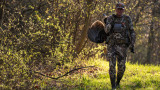


Manage
How to Avoid the Trendiest Whitetail Land Management Mistakes

I’d like to propose that the trendiest whitetail land management project of the last decade is not hidey hole food plots or back-in-the-woods water holes or screening cover, but hinge cutting. Yes, hinge cutting. This popular, quick-and-dirty timber management method has caught fire across the...
Mark KenyonFeb 3, 2022
Read MorePlay NowConversation
Save this episode