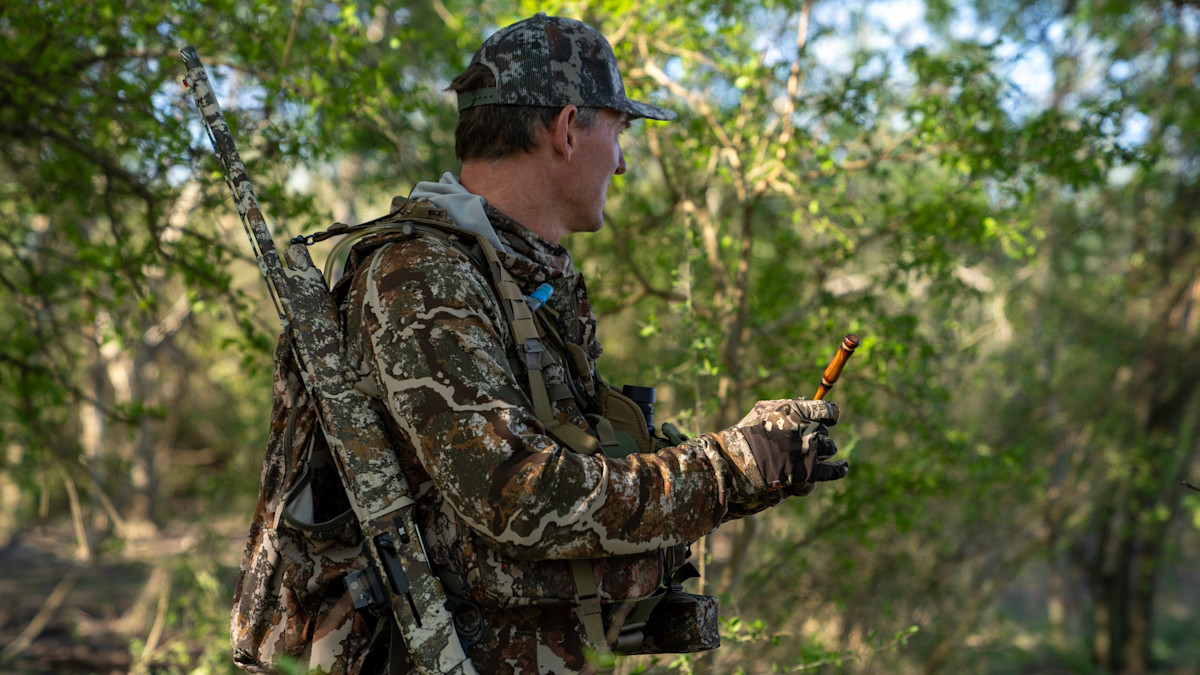

Calling contests or video tutorials can help you learn how to make realistic turkey sounds. But, if you want to know why and when to make those calls, you should get it straight from the horse’s mouth. Especially if that horse is a turkey.
A crisp, realistic calling ability is a great tool to have in your bag, but knowing how to use those tools makes the difference. The more you put yourself around turkeys, the more opportunities you can observe them acting and reacting in various situations. In fact, they can even bust a few calling or hunting myths that have somehow become gospel truth.
Next time you observe turkeys in the field, try to forget about beard lengths or punched tags and make note of how they act, the sounds they make, and consider why they might behave in certain ways. It pays to observe, and these are just a few things you can learn from watching turkeys in the wild.
Calling Frequency is Situational
A lot of hunters want to know how much calling is enough or too much. The truth is, it depends on the bird and situation. As much as I hate that answer, there’s no way around it.
When it doubt, it’s probably best to call less. I’ve killed some turkeys that I called to sparingly over the course of several hours, while some came running in after only a few series of yelps. I recently observed the latter while scouting. I watched a hen scratch around within 100 yards of my observation spot while a longbeard gobbled his head off a few hundred yards down the river bottom. Finally, that hen let out eight (yes, I counted them) yelps and went back to scratching. Ten minutes later that tom popped out of the river cane. Eight yelps were all it took for that gobbler to cover a few hundred yards.
No, it doesn’t work like that every time, but that’s the fun and challenging part of turkey hunting. You have to relearn how to call to a gobbler each time. It makes the stubborn birds rewarding and the enthusiastic ones super fun.
Sound Realism Gets Overblown
You don’t have to be a grand national champion to call turkeys. Does it help? Sure. But, I think this point gets overblown most of the time (with a caveat). You can’t just scratch out any old sound and expect your calls to be effective. However, you don’t have to make perfect turkey sounds to call a gobbler into shotgun range. Hens can teach you that.
A lot of hunters, myself included, have watched hens make “bad” calls. I’ve heard a few that I would have sworn were other hunters choking on a mouth call, only to be surprised when a real hen emerged.
Believe it or not, not all turkeys sound the same. In fact, that’s why sounding like multiple hens can be an effective way to break a stubborn gobbler. I’m not the greatest caller in the world, but my calling is miles ahead of where it was when I first started turkey hunting. But, even then, I killed plenty of birds with subpar calling. Instead of trying to perfect sound, focus on cadence, especially yelping. Once you can mimic a hen’s cadence, then you can work on perfecting your sound.
Setups Matter More Than Calling Ability
Turkey hunt long enough, and you’ll have a hang-up story. Gobblers are notorious for sometimes refusing to cross creeks, fences, thickets, or whatever else sets them on edge. I once had a pair of longbeards that came running to my calls—over an embankment and through a fence—before they made a dead stop in front of a large clump of vines. They refused to walk around it as I watched them make a 180 and go back the way they came. In these instances, no amount of calling will convince that gobbler to close the distance.
Have enough of these encounters, and you’ll learn to avoid them before you set up. Sometimes you’re limited on where you can post up, but you should still try to anticipate any potential roadblocks between a turkey’s path of travel and you. If you can, make sure you’re on the same side of the fence (legally) or creek as the gobbler. Avoid putting any super-thick vegetation between you and a turkey. A clump of brush is one thing, but I wouldn’t bet on a turkey wading through an old fence row or privet thicket.
Patience Will Kill More Turkeys Than Anything
Turkey hunting rewards the patient. Whether you’re waiting for the silent tom to pop into shotgun range or you’re grinding out tough hunts in the late season, things tend to break favorably for those who slow down in the turkey woods.
Stay in the loop with The MeatEater Newsletter
Shop
Related
Turkey
How to Hunt Turkeys Without Calling


Turkey
So You Didn’t Roost a Turkey, Now What?

Turkey
3 Calling Mistakes Every Turkey Hunter Makes

The comments section requires Functionality cookies. Please enable Functionality cookies in Cookie Settings to view this content.