Now that the Suppressor Tax Stamp Is $0, Here's How to Get Your Hands on One

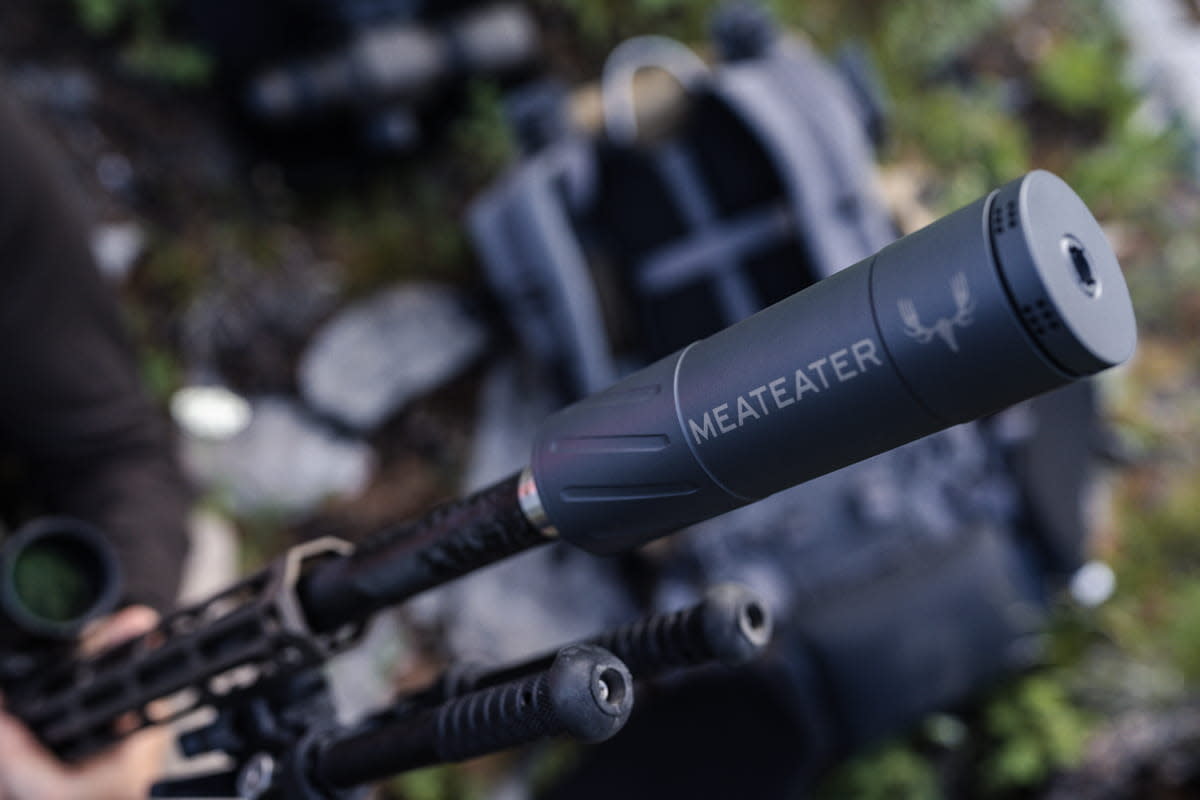

For as long as I've been around, would-be suppressor owners faced two barriers to entry: the process and the tax stamp.
The process for legally purchasing a gun muffler was long and complicated, but the $200 tax stamp was, for many, the straw that broke the camel's back. It was bad enough to drop $1000 on a suppressor and then wait a year to take it home-adding a $200 tax forced many to reconsider the endeavor entirely.
A lot has changed in the last few years. The ATF streamlined their approval process to make it quicker and more efficient, slashing wait times from months to just a few weeks. Then, in a move no one saw coming, Congress voted last year to cut the tax from $200 to $0.
If that new discount is making you consider buying a suppressor for the first time, you've come to the right place. The process can be intimidating for first-timers, but the benefits are tremendous. It's more pleasant to shoot a rifle with a muffler on the end, especially the large calibers hunters tend to prefer. A suppressor will save your hearing, reduce recoil, and let you avoid fumbling around with hearing protection with a target animal in sight.
To help you make the best decision possible, we've compiled a complete suite of resources with advice about which suppressor to purchase, how to legally take it home, and then use it out in the field.
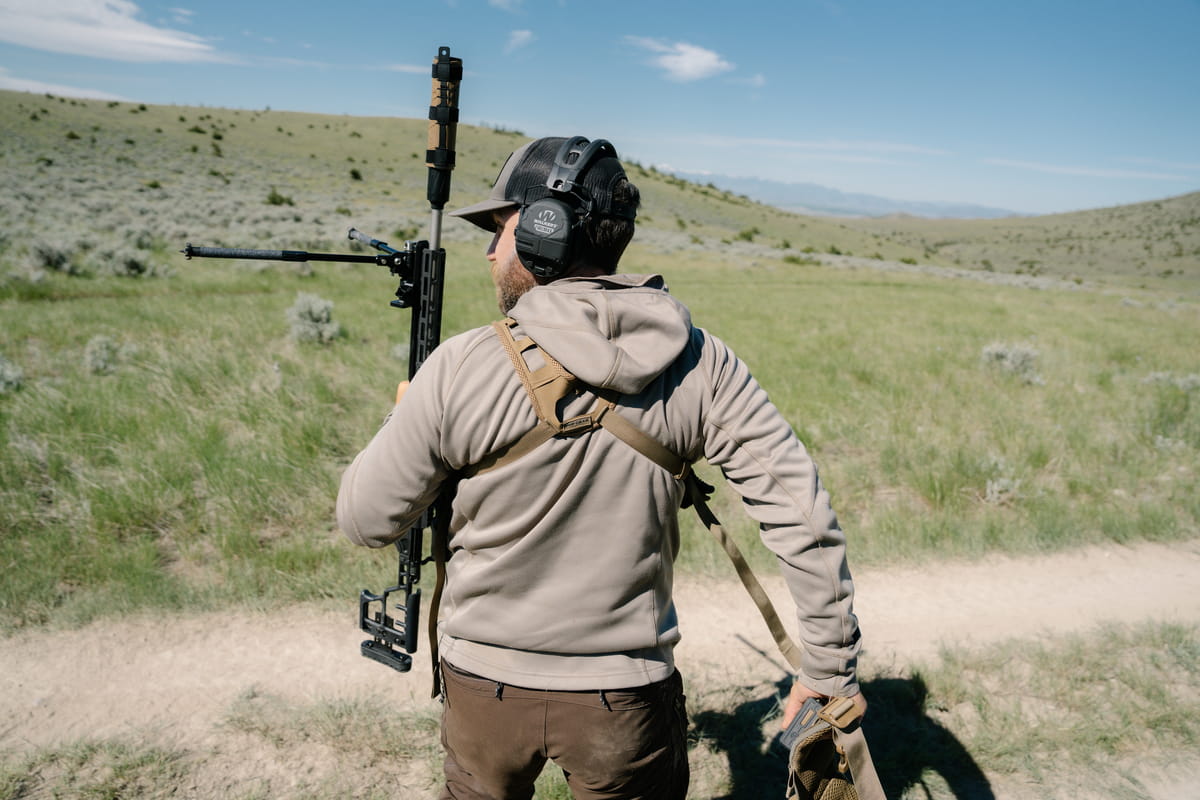
Common Suppressor Questions
To help answer these questions and more, I reached out to Lukas VanLaecken, the director of engineering and manufacturing for Silencer Central. Silencer Central sells suppressors from many manufacturers, but they also make their own, and Lukas oversees the engineering and R&D work for their new and existing products. I can't think of a better person to answer some of the most frequently asked suppressor questions, and I was excited to sit down with him for a wide-ranging interview.
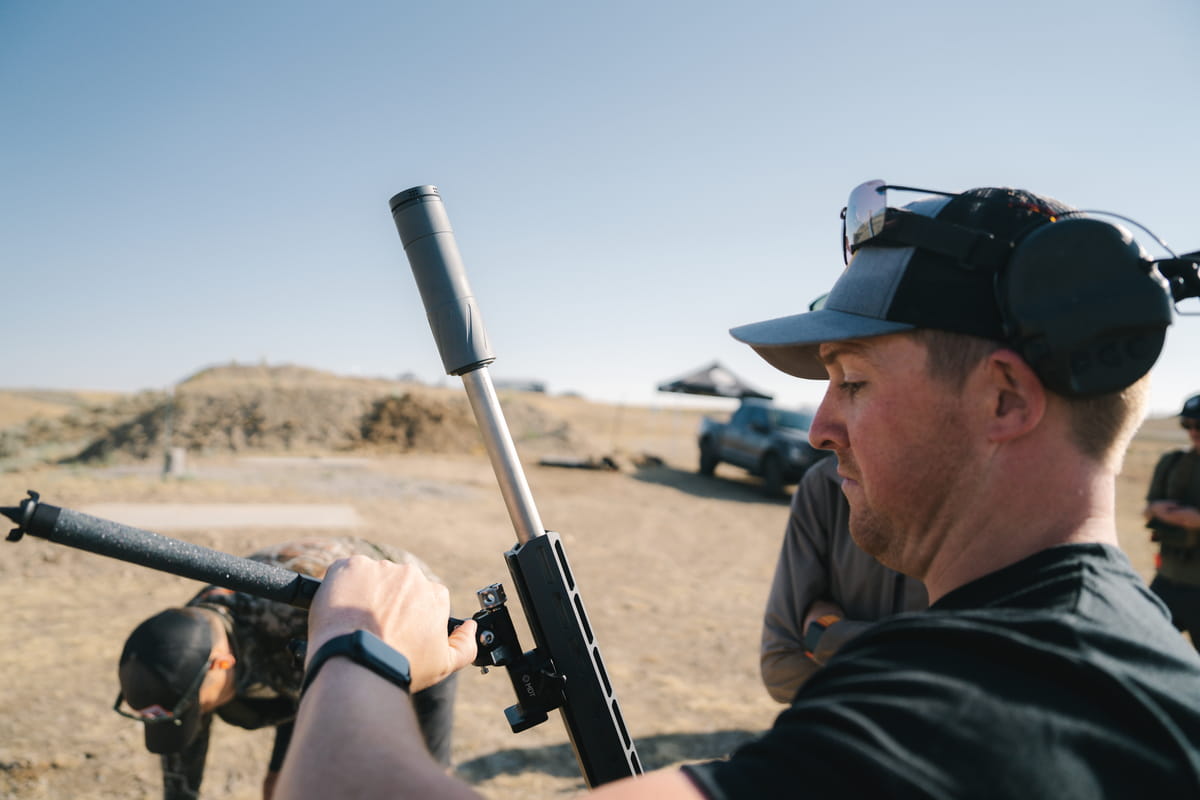
How to Buy a Suppressor
However, while you might not like the idea of an outfitter guiding you up to an elk so you can pull the trigger, letting someone else do all the legwork buying a suppressor is definitely the way to go. It's faster, simpler, and there's a much smaller chance you'll make a mistake that will delay the entire process.
There are several companies that act like outfitters for filing your Form 4, but the one I used most recently is Silencer Central. Basically, Silencer Central takes the entire process out of the gun store and brings it home.
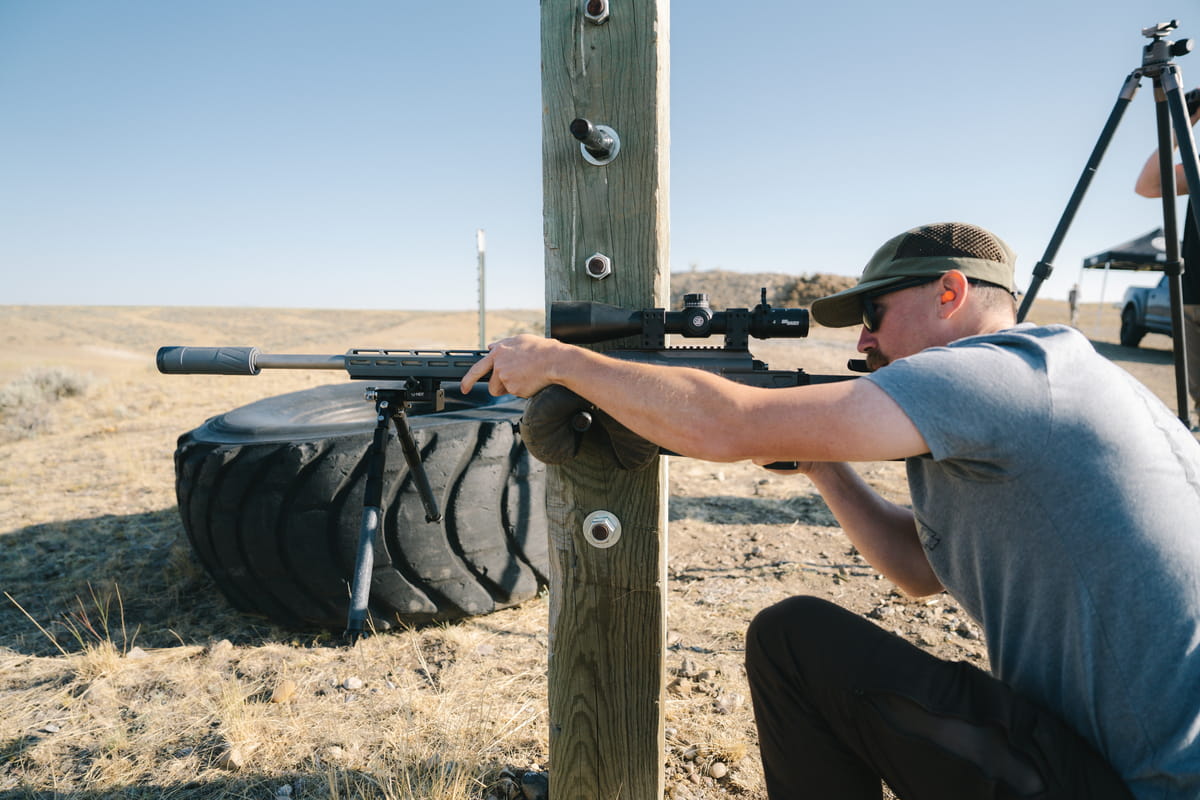
The Pros and Cons of Hunting with a Suppressor
On the “pro” side of the ledger, hunting with a suppressor allows you to maintain your situational awareness by not dampening one of your five primary senses. It saves your hearing even if you're not wearing hearing protection, can increase your in-the-field accuracy (especially with large calibers), and avoids spooking game if you do happen to miss. Hunting with a gun muffler is also a good choice if you chase game on small properties with neighbors nearby.
However, a suppressor will make your rifle longer and heavier, even with an ultra-light titanium can. It can also throw off your rifle's balance, and let's not forget the added cost and hassle of buying one in the first place.
I can't tell you which side of the ledger you find more convincing, but you should keep all the pros and cons in mind before making a purchase.
Are Shotgun Suppressors the Future of Hunting?
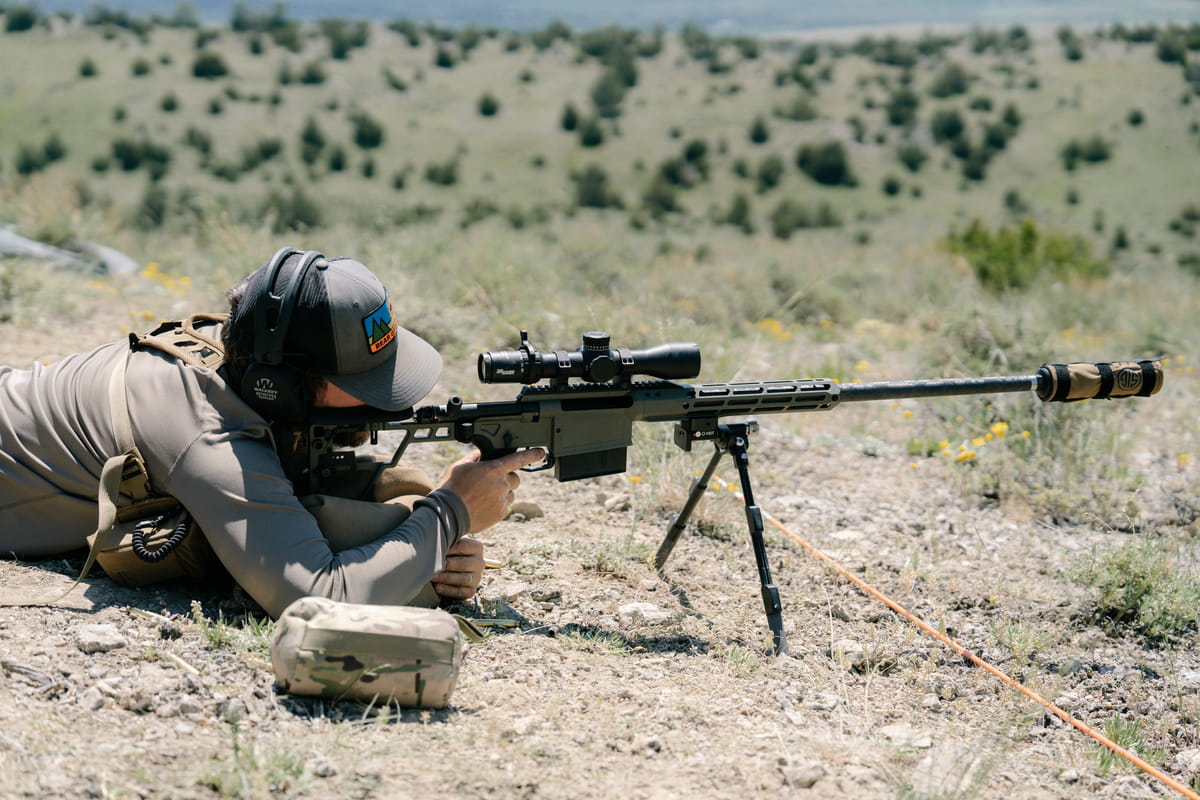
Suppressors do add length to your shotgun barrel, but if the game changes and cans dampen shotgun reports to safe levels, expect to see shotgun manufacturers designing shorter barrels for sporting shotguns.
If suppressors continue to evolve, they will not only save our hearing but also minimize pressure on wild game, especially waterfowl, which are extremely averse to the blast from a 12-gauge. Public-land hunters will be able to keep their secret spots secret. And fewer non-hunters will be apt to complain about the noise of shotgun fodder… because there won't be any.
Muzzle Brakes vs. Suppressors: Which Is Better?
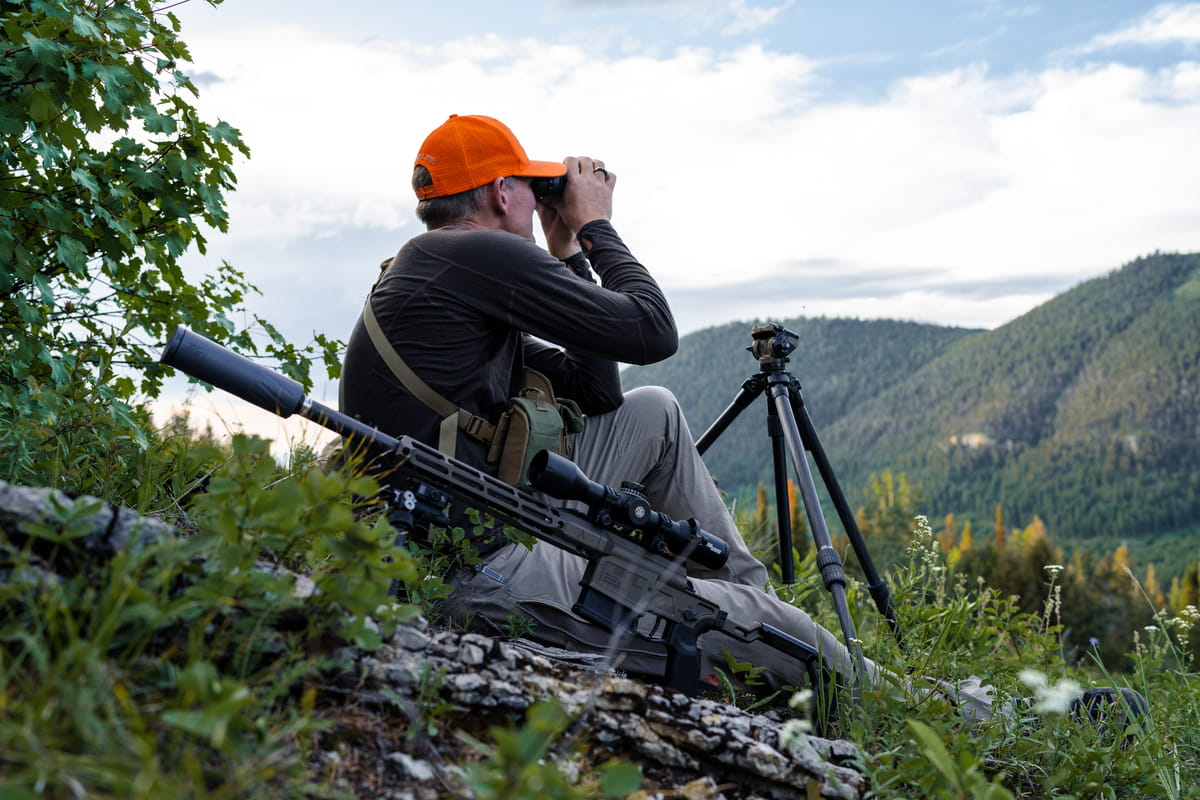
The two most common are muzzle brakes and suppressors. Muzzle brakes are designed a million ways from Sunday, but they all feature a series of ports that redirect the gasses expelled from the barrel and reduce felt recoil. Suppressors, on the other hand, use a series of internal baffles to decrease the sound (or “report”) produced from the ignition of gunpowder.
Both are useful for hunters and competitive shooters, but each offer advantages and disadvantages that might make one better for you. Making that decision requires a bit more information, which is exactly what you'll find in this article.
How the ATF Slashed Suppressor Approval Time by 5000%
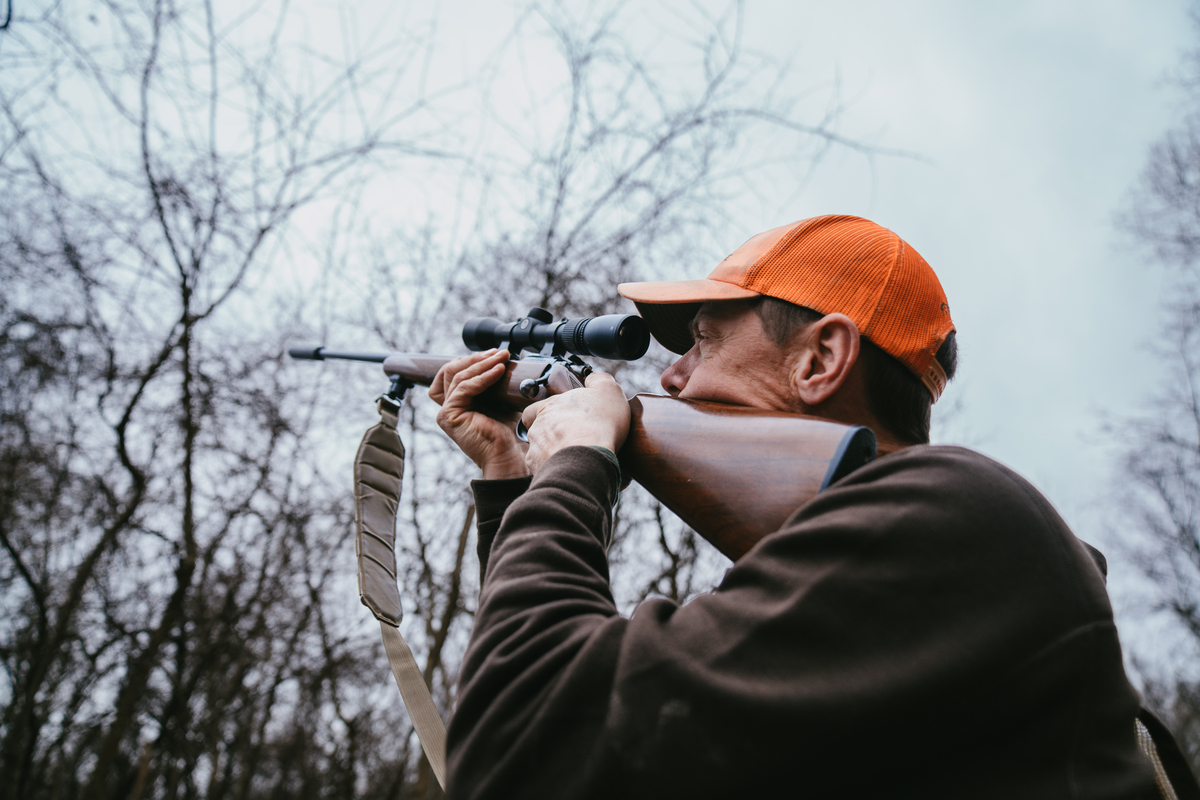
How did the Bureau of Alcohol, Tobacco, Firearms, and Explosives reduce their approval times by as much as 5000% without hiring any additional staff or relaxing their standards? In this article, we speak with industry experts and suppressor manufacturers to explain what happened.
"Out of Stock"
Those predictions might be coming true. I surveyed some of the top suppressor dealers in the country, and all had significant percentages of their products not currently available.
Silencer Central: 65% out of stock (202 out of stock vs. 111 in stock)
Silencer Shop: 44% out of stock (279 out of stock vs. 360 in stock)
Capitol Armory: 51% out of stock (123 out of stock vs. 118 in stock)
There are still plenty of cans on the shelves, and you might have even better luck at your local gun dealer. But it's only been a little over two weeks since the tax stamps went to $0. As more and more gun owners hear about the change, I'd expect the demand to continue to increase.
We can hope suppressor manufacturers have been preparing, but as Maddox told me, it was hard to ramp up manufacturing last year when would-be buyers were waiting until January 1, 2026, to pull the trigger. Now that that date has come and gone, it might be wise to order the can you've been wanting before it goes out of stock. When it does, it's tough to know when it'll be back on the shelves again.
Stay in the loop with The MeatEater Newsletter
Shop
Related
Firearms
Now that the Suppressor Tax Stamp Is $0, Here's How to Get Your Hands on One

Firearms
The Pros and Cons of Hunting with a Suppressor

Firearms
Congress Just Took the First Step Towards Suppressor Deregulation
The comments section requires Functionality cookies. Please enable Functionality cookies in Cookie Settings to view this content.