Texas Proposes Mandatory Mountain Lion Harvest Reporting
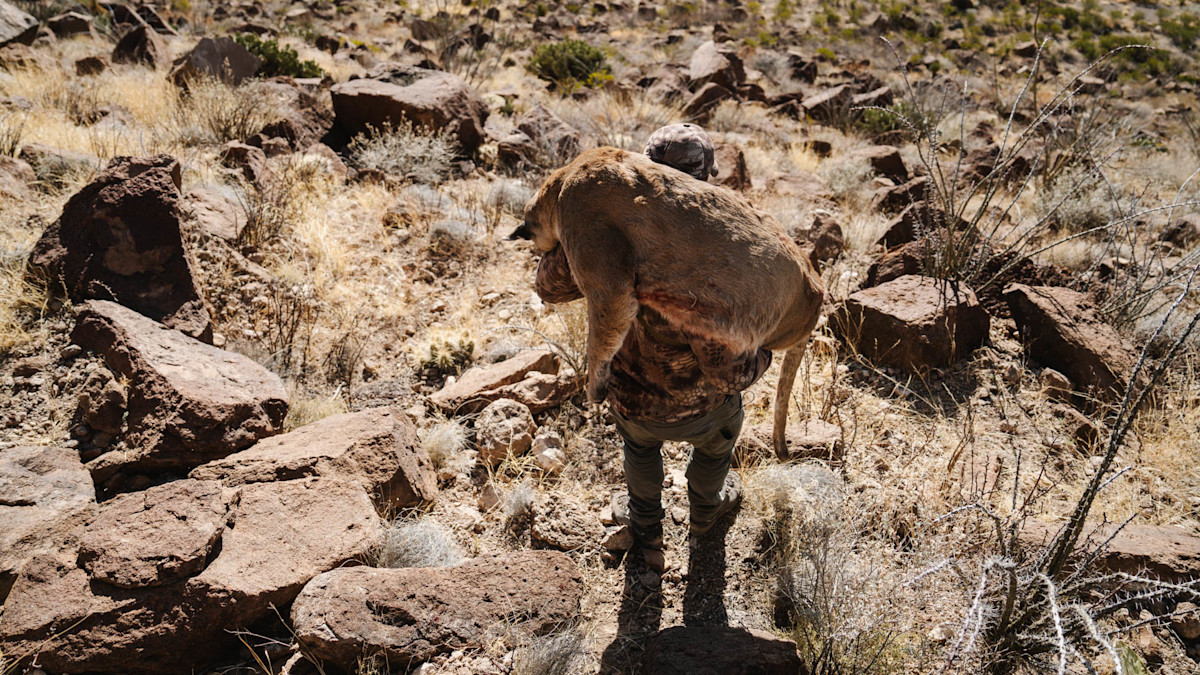

The Texas Parks and Wildlife Department (TPWD) has proposed anamendmentto statewide hunting regulations that would require all harvested mountain lions to be reported in Texas.
Currently, mountain lions are classified asnon-game animals in Texasalongside species such as coyotes, bobcats, bullfrogs, and rabbits. Under current TPWD regulations, there are no closed seasons or bag limits for non-game species, and hunters with a valid license may take them year round by lawful means on private property.
State officials began taking a closer look at mountain lion management back in 2022, and the Texas Parks and Wildlife Commission organized a stakeholder working group made up of landowners, livestock producers, private land managers, trappers, and natural resource professionals to evaluate the future of lion management in Texas.
According to the proposal, the group reached a “broad consensus that the current approach to data collection (voluntary reporting) is inadequate, because voluntary reports represent an unknown proportion of the total harvest, and that better data on mountain lion populations and demographics is necessary to make meaningful population assessments, guide research efforts, and inform agency actions, if any are necessary.”
For a species that has historically seen limited statewide oversight, the proposal would dramatically increase the amount of harvest data collected by TPWD.
Under the proposal, hunters would be required to report harvestedmountain lionsthrough the department’s website or mobile app within 24 hours. Reports would include information such as the county of harvest, method of take, and the amount of time devoted to the activity resulting in the harvest.
The amendment would also require hunters to submit biological samples within 60 days of harvest using prepaid mailers provided by the department. Required samples would include at least one complete premolar tooth and a small tissue sample for analysis. Alternatively, hunters could coordinate directly with TPWD personnel for sample collection within seven days of the reported harvest.
What the proposal could eventually mean for mountain lion management in Texas remains unclear. However, historically, mandatory harvest reporting has often been one of the first steps wildlife agencies take before developing more structured management systems for a species.
According to theIdaho Department of Fish and Game, “mandatory harvest reporting is considered a foundational component of wildlife management because it provides biologists with critical data used to monitor population health, evaluate hunting pressure, and guide future management decisions such as bag limits and season structures.”
What we do know from the proposal is that Texas wildlife officials are looking for more reliable biological and harvest data on mountain lions across the state.
The required premolar tooth samples could allow biologists to estimate the age of harvested lions, helping researchers better understand population structure, survival rates, and the number of young versus mature animals being removed from the population. Tissue samples may also provide additional information on genetics, sex ratios, disease presence, and howlion populationsare connected across different regions of Texas.
Combined with mandatory harvest reporting, the data could give TPWD its most detailed look yet at mountain lion demographics and harvest trends statewide.
Public comment on the proposed amendment will remain open through 5 p.m. on May 27, 2026, and can be submitted online through TPWD’sComment on Proposed Regulations and Transactions page.
Shop
Sign In or Create a Free Account
Related

Wildlife Management
Should New Mountain Lion Hunting Restrictions Worry Colorado Hunters?


Wildlife Management
Video: Mountain Lion Caches Deer Kill Under Tree Bark