Deer Calling Mistakes to Avoid During the Rut
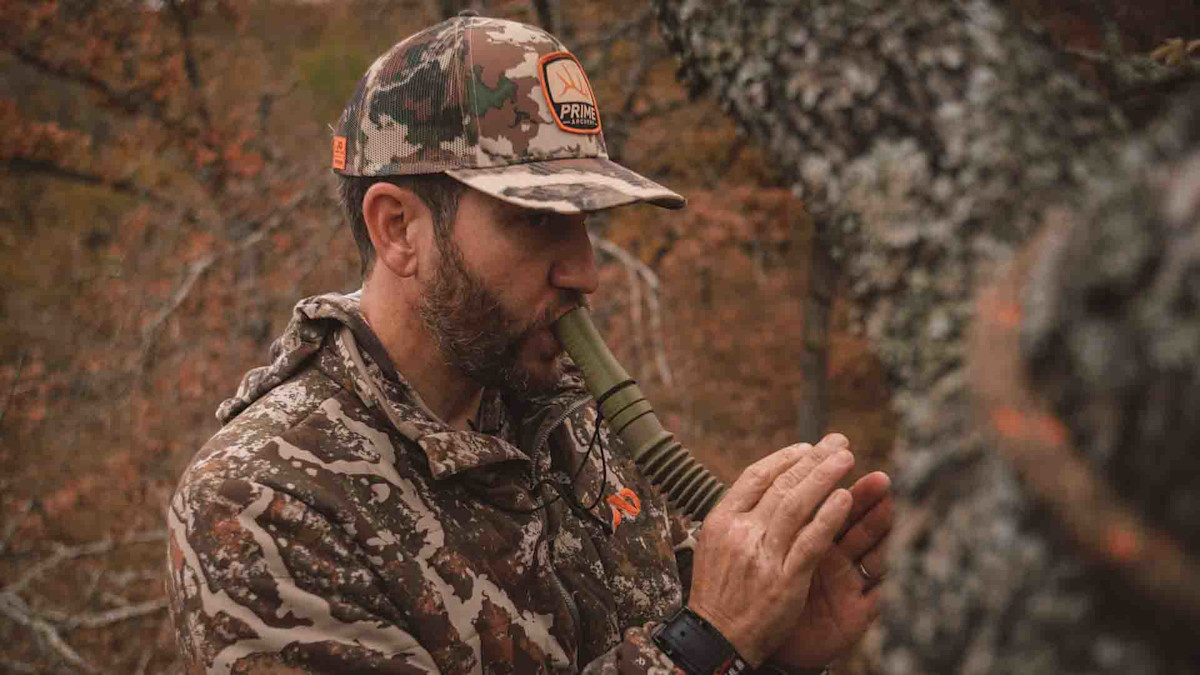

During the last week of October, I carried a lightweight stand and sticks into a chunk of public land that is only accessible by kayak or canoe. The setup was a classic staging area on top of a hardwood ridge, and the second deer I saw two hours after settling in got my heart going.
He was a broken nine pointer with a tank for a body, and when I snort-wheezed at him the first time he looked for a minute and then went back to browsing. The second time I snort-wheezed, he looked for longer. Through my binos I could see him licking his lips. That’s when I knew he’d eventually commit, and he did.
Calling bucks during all stages of the rut can be extremely effective, but for most of us, it won’t be. The reasons are almost all tied to calling to the wrong deer, saying the wrong thing, or just blind calling for the sake of it. Here’s a few things to keep in mind the next time you decide to blow on your grunt tube.
You Talkin’ to Me?
The general default setting of most hunters is to see a buck that isn’t likely to come in and instantly try to call. They’ll usually reach for their grunt tube or rattle bag, and let it rip. Instead of this, try to assess the buck’s mood first and read the whole situation before making audio contact.
The buck I called in at the end of October was a prime candidate to respond to that snort-wheeze. Aside from being a mature deer, he didn’t really have an agenda. A buck that looks like he is just killing time or looking for something to do is a buck you can call in. A buck on a mission is a different story.
If you see a nose-to-the-ground deer just eating up the miles, you’re going to have a hard time convincing him to change course. If you see a buck that seems mildly spooked or just a little boogery, good luck.
Unfortunately, it’s not always easy to read a buck’s demeanor by first catching sight of him and trying to think rationally through an adrenaline dump. This means that it’s really important to pay attention when you first make contact. Get your binos on him before you call, and pay attention. How a buck reacts right out of the gate will tell you how to proceed.
Excuse Me?
If you watch any kind of deer hunting content this time of year, you’re very likely to see people rattling like crazy and using a grunt tube like they're soloing with a trumpet. There is a time and place for this, and it’s mostly right now and in a place you’re not hunting.
If you’re on a well-managed property with a solid buck-to-doe ratio, rattling and blind calling with tending grunts can be magical. This only gets more true the less pressured the deer are. In most places, this kind of calling is only going to send deer the other way.
Rattling seems to work best at first light, when bucks are on the move and looking for something to do after a long night of chasing. Tending grunts seem to work best when they are combined with snapping some sticks and selling the whole scene. They also seem to earn a better response rate when they happen tight to bedding areas and in thick cover.
As with any type of calling, the overall location might be the biggest deciding factor. If a buck can quickly assess that the deer he hears aren’t visible and should be, you’d better hope he’s so rutted up his brain is sludge. Otherwise, that little warning system in his brain is going to fire, and it’s not going to end well.
It’s also important to pay attention to the distance. You might not be able to say the right thing to a buck that is 400 yards across a picked cornfield, but you might not be able to say the wrong thing to one that is 80 yards away in a thicket.
Hail Mary Calling
Most hunters aren’t overloaded with patience. They want to make something happen, and to do that, they blind call (a lot). This can work really well, but probably won’t. Think about how often you’ve heard an actual buck fight break out in the woods. I spend hundreds of hours on stand in multiple states each fall, and I can go years without seeing or hearing a real buck fight.
I might hear a handful of grunts or doe bleats in any given season, and rarely ever hear a buck actually snort-wheeze. This makes me a very cautious caller, but a lot of folks aren’t.
The key difference is that I believe blind calling often costs me deer, especially pressured deer. I think that rut hunters often feel there is no downside to calling, but I disagree. Just like we don’t expect to hear multiple real buck fights break out on any given day, let alone at noon when it’s 75 degrees, the deer have expectations as well.
Timing of the day, cold or rainy weather, and your stand location should all play into your blind calling strategies. Mature bucks rarely come running in like some highly curated hunting shows would lead you to believe. They almost always try to circle downwind of the action. You’ll have to consider your stand location and the wind if you’re bent on calling. Don’t call just to call, but instead try a more targeted approach around the conditions that should produce the most receptive bucks.
Stay in the loop with The Wired to Hunt Newsletter
Shop
Related

Hunt
5 Mistakes Deer Hunters Make During the Rut

Hunt
How to Avoid Crowds During the Rut


Hunt
Deer Decoys Done Right During the Rut
The comments section requires Functionality cookies. Please enable Functionality cookies in Cookie Settings to view this content.