The Element
E273: Bow Breakdown (Archery Knowledge | Sights & Arrow Rest | Arrow Builds | Broadheads Chosen)

Play Episode
1h26m
On this weeks episode hosts, Tyler Jones and K.C. Smith talk all about archery. They talk about their bows and what they like to use. They also discuss arrow rest and sights they prefer and why they don't like some. The both of them breakdown their arrow setup and why they choose the arrows they use. Thanks for listening and be sure to check us out on Youtube as well!
It just doesn't get any better than these two hunts:
MAKE SURE YOU ARE SUBSCRIBED to our Youtube Channel.
Rock out withTyler and the Tribe!
00:00:00 Speaker 1: I'm Casey and you're listening to the Element podcast. How to y'all, this is the Element Podcast, brought to you by first Light Gear. And by the way, we've been putting some first Light gear to the test this past week with a lot of hog hunting. I've been using the orange vest, which is pretty nice. Uh and um, you know it's kind of pockety and it's nice to have a few pockets. And you got a couple of shotgun shells floating around pocket full of shells. Today one and Tyler Jones and I Casey Smith, case you don't know, are gonna talk about some archery setup stuff. I know that it's kind of target season. We're not really target shooters, but we are gonna go do shoot some of the total archery challenge stuff and have some fun with that. I am competitive enough with my own self. I don't need to compete against other people usually when it comes to shooting bulls. So yeah, anyways, actually just shot one hundred yard shot and hit the target like three or five times, so that was pretty nice. Um, Tyler, Yeah, what's the longest shot you killed an animal on this year? I killed that mulder. When I say I think it's like sixty two or something, and you had been practicing sixty fifty nine something like that all summer for a shot like that, right, You like were really intensive about that. Yeah, No, I knew that I drew that tag pretty early on. I knew that I would draw it before I even applied, because I had the points to draw it. So that's just the way Colorado works. So knowing that I started real early, stretching it out and really focusing, I have m I still have things to work on, guys. Just because you know I'm on YouTube, it doesn't make me perfect. I know a lot of people would like to think I should be perfect, but I'm not and I won't ever be, And so there's still things that I'm gonna work on and I don't. We're not even dude perfect, No, not even were. I mean I'm kind of do that perfect sometimes, man, if you ask me perfect perfect, But no that I still have some things that Actually my trigger finger is one thing I need to work on a little bit. Um but um, I worked a lot over the last year or so my grip, my left hand, my grip hand grip, if that makes sense. I've worked on that a lot, and I think it's helped me become a better archer, along with just daily practicing stuff, which we're going to continue on here pretty soon once we kind of wrap up some of these edits that we've got from the season for videos and stuff. But I guess what I'm saying is just to emphasize that there are parts it's kind of like a golf swing. I would have imagine. I'm not like a mate, like a big time golfer, but I've golfed enough to know some stuff about it and I like to watch it. And I also went to Top Golf with my wife the other day that it was awesome, but um and my kids were with us. But she I told her, hey do this, Like I said, she was slicing it real hard. I was like, hey, roll your right hand through, you know, when you come through, your focus on that. As soon as she does that, the other thing of she's she's like her and seems like longer than my mind, and so she hasn't bend her knees very well. She's a real storky, like stiff legged, you know, lady. And so as soon as she starts working on her her right hand rolling over her, she loses all the bend on her knees and she as soon as she hit it, she topped it. And she told me that, and I knew it, but she she told me, like that's what she's like, I forgot it. So let's start working on this, you know. And that's the way bob hunting is, I think too. It's example, Yeah, it's like, dude, there's more than one thing you can work on it. Every shirt really paying attention to your bubble and then all of a sudden you kind of forget about squeezing and pulling through. Yeah, or you start really paying attention to not torking your risks, and all of a sudden you kind of forget about your aiming process with your pens. And that's all stuff we're going to get into. Yeah. Yeah, So like there's so many aspects yeah that can you can work on it. So I am still working on certain things. And what's really good about is good and bad about what we do. Right. Uh. I get to watch slow motion footage of myself, but so does like thousands of other people, and so they get to be real critical. So when you're if in case your site like didn't stop moving as you shot at a deer or yeah, or my trigger fingers, you're just flipping out doing this, which it does a lot. Yeah, it's like trying to double tap, you know. Yeah, uh, everybody knows that, and you know I do too, But I can only focus on a few things at the time. So I've been working on a grip. I think I've got that now too, kind of a second nature kind of thing, you know, And now it's onto other things like the trigger finger and that kind of things this summer. So hopefully I just continue to get better and better. And I mean, LEVI told me he's pretty scared of me, so yeah, I mean I would be if I m. So we talked about kind of going through things a little bit. In two parts here, we're gonna talk about some of the objective things about your archery set up, some like different options with bows and archery equipment, as far as like, um, I don't know, it's not really styles, but like you know, let me just give you an example long axle to axle versus short to x exel to axle and stuff like that, and then we're gonna go into our preferences and why we like certain things about stuff, and you can agree or disagree with that because it's subjective and you might like a thing for a different reason than us, And that's okay. You know, we really don't ever claim to be experts at this stuff. We just are guys who have a decent amount of experience, you know, And that's the difference maker. And here's another thing is that you and I get along pretty well and do like we see each other almost every day of the year, and we still and we think about things the same way a lot, and we still have different things that we do in our bow setups. Well we prefer First off, we're built differently. Yeah, our builds are different. I'm a upper body, heavy type guy. Im not like overly tall, average size person, average draw length, whereas you're like blanky, but you're a feeder the big You're tall and barely proportional, your feet are bay well anchored to the ground, being a size fourteen, and you have a longer draw link. So like, just in general, things are gonna be a little different. And then our grips are different. Uh, you kind of have like a thumb injury thing that affects your grip some where my wrist and thumb is just fine. Don't really have an issue with that too much. So there's just you know, hard of the reason why some things are subjective is because we're not all the same person. If we're all built like Levi, then a lot of us would be I'm not gonna say as good as him, but we have a better chance of being as good as Yeah, it's I mean, when you've got a draw link like he probably has, I don't know what it is, but it looks long. I mean, it's like you're getting sme extra fps. So if you misjudge on the three D arranged by a couple of yards, you still are all right, you know, Um, there's I mean, you know, you don't see Kyrie a New Dallas Maverick hanging out in the post very often because he's built He's not built like a post. I don't really know what that means, but yes you do, you know exactly, you just want you had to think about it. I like watching good basketball players play basketball, but I don't know what position he plays, Like Michael is a post to I know that numbers better than I do. So Kyrie is like a two three top guy. I think he's one yep. So he's a point guard and then a posts is a five. Yep. Okay, Forrest can be posted too. Yeah, Dirk was a shooting four, right, and that what he was. Yeah, that's kind of what they Yeah, Yeah, there's a lot of hybridity that goes. There's not a lot of true fives in the NBA these days. Yeah, I think they're not as five heavy as you were in like the nineties. What about that dude that plays for the Nuggets. Is he a true five? Who's that nugget, the big foreign guy? Yeah, he's he's a true five. Okay. Eric's also here given us a head nod. Yeah, Eric knows. I mean, like if like I was saying, Michael's pretty good at basketball and he got dominated by this year, you know, Eric was like, probably like gig lee, you know what I mean, could have been that'd be cool. Uh so, um, how do we get on that from the stuff just saying that like your body type? Yeah, you know, depends on how he's hanging out in the five? Is what I should have said. Yeah, but there's no you did fine. I just don't know everything about that. Yeah, that in particular, least everything else though, Yeah, everything else. So the objective things about archery. You're gonna have a bow, and you're gonna have arrows, and you're gonna have a way to shoot those arrows. So a lot of us use a handheld release or a wrist release. There's some people that finger shoot. It's real not a good thing to do if you're shooting a compound, So if you're learning, don't start doing that. But finger shooting is the way. It's dumb and it comes to traditional archery. But we're pretty much just gonna stick to the compound archery shooting today because that's what we are most familiar with. So you have bows, and bows have different components and different pieces and parts. Strings are relatively all the same. But one of the big differences that you're gonna find in bows is going to be axle to axle. So, Tyler, where is the axle located on a bow? It is at the top and them so like, but it's in the middle of the wheel, which is called a cam Yeah, right, yeah, the axle would be in the middle of the the what you would think of as a wheel. So, and that is it's doing the job of an a actual axel because the wheel rotates around it right, and so axle to axle length is going to determine a few things about a bow. Oftentimes, bows that are longer axle to axle are more friendly to longer draw length people. They also tend to be a little more stable in hand, just because you're spreading stuff out more so it's harder to wiggle it around. It's like the guy ever walks the tight rope and holds the stick out. Yeah, you know, the longer a stick is, the better he has a chance to stain on that rope. It's axle to axel will also affect your string angle on your face, So if you're the type of person who has an anchor with the string on the tip of your nose, when you shoot a shorter axle to axle bow, you could end up tilting your head down to achieve that anchor point, which makes things kind of difficult. Another thing with bows that comes up is the brace height, which is the distance from the back of the grip to the string when the bows at rest. A longer brace height like a seven, is going to be more forgiving, which is a generalized term meaning the bow is not as torquy and it's like a little easier to shoot, but you're gonna not have as high of energy output for you know, the draw poundage and stuff. For whereas like a short one like a five is going to be really torquy, kind of a hard, finicky bow to shoot, but it's going to be pretty high energy for the draw weight on the bow, and there's everything in between on there. Then that's kind of pretty much. I mean, you're gonna have carbon and aluminium risers. I don't really feel a lot of difference in those things. I have a carbon bow right now. Let's say the carbon doesn't get cold in the cold. I don't know if that's true or not, but I don't know either. I hadn't shot in the cold much. It's supposed to not flex when you draw your bow. So like a riser is the part of the bow that, like your hand touches and connects to the limbs. It's like what you call the body of the bow probably, and that riser flexes when you draw your boat because it's aluminium. Aluminium a flexible metal, and it kind of locks into place. That's why, like when you look at your site on your bow, sometimes when your boat isn't drawn. It might look like it's like caddy wampus just a little bit, and it's because when you draw, everything lines up, so carbon isn't supposed to flex in that, and it's supposed to make for less vibration whatever. Yeah, that's what they say at least. So uh yeah, that's uh, that's kind of what's on the bow. Uh. There are then things you attached the bow tyler yep. Uh, let's talk about rests Um. The rest is going to probably be like one of the next most important things on a bow, I would think, Um, there's a couple different types. We actually did a video on this. We did right so if you want to see a more in depth, we'll just talk about some of this stuff real quick right now and then talk about our preferences. But um, if you want to see more in depth, you can go watch a video. I think we put it out last summer, so you scroll back a little ways. Um, there are what a lot of people referred to as a whisker biscuit or a brush style rests um, which is like an encompassing brush um three sixty since it looks like a biscuit, you know, and you it's got a hole in the middle where all the brushes stop in. Your air goes right in that hole. It's really good at keeping the arrow from falling out of the rest or the shooting position when you're spotting stalk and stuff like that. And basically the fletchies go through the whiskers. You have a what some would consider to call a fallaway rest. What's the other so they're gonna be both fall aways? Well, yeah, but there's a limb driven in a cable driven. So the limb driven is like what you've got where you have a string that's attached to the limb, and the limb the movement of the limb, the quick movement sets off that rest to fall out of the way as the arrow is going forward, so that that motion of it going forward carries its momentum straight as opposed to down with the rest. And the same thing happens with the other fallaway type that's cable driven, which goes into or attaches to somehow your cables on your bow, and the same thing happens as soon as when you pull back and it engages some sort of mechanism in there that knows that it's going to fall forward if it goes forward at a fast enough rate. And so therefore, whenever you set your bow off and that fast rate happens, it drops out of the way. Momentum carries zero forward. And then there's another rest that's like a it's got like a little pin that comes out from the side. You see that on like some beginner bows. Law of times, it just kind of this little little tiny rest that kind of it'll fold in, so it normally wants to sit out you put your arrow on it. When you let go of the arrow, the fletching or the arrow kind of drives it out of the way. Sometimes they got those kinds. Then they got a prong style rests, which is like two prongs that come together and your arrows they come close enough that your arrow will sit on a little flat spot at the end of both those prongs and shoot forward. So it's what a lot of a shot back in the bay. It was like the before fall aways became a normal thing. Yep. You would time your prong rest out right to where your fletching would go in between between the prongs, yeah, and be there. So the idea is the less contact your arrow has with your rest, the less influence your rest has on errow flies, which is all well and good until like you maybe don't have the skill level or the time to practice to be proficient with something like that or care to. And that's when like things like a whisker biscuit or a brush style rest coming handy because they're full proof almost. It's I mean as far as like there's they're like if you think about it, theoretically there's not there's a chance that like you're not shooting with the same amount of brushes in between each fletching every time, like you're probably not right, so that could affect accuracy. But there's just not that many people that can quote unquote from mister McCarty shoot the difference, right. Yeah, So I think that if you were a guy who was shooting thirty and in from a tree stand exclusively and that's all you ever did, it's pretty hard to be because it's just so fail saved. Yeah, I mean, it's just not gonna go bad until it wears out, and you can tell when that's starting to happen, you know. Now, given on those type risks, Greg encountered this this year, three fletchings work way better than four fleshes. Yeah, I'm not quite sure why that is, but he probably just has to do the less contact, you know, with the bristles or whatever. But keep that in mind if you do choose to go with something like that. Tyler and I both choose to go with a little bit I don't know what you'd say, more complicated type. We just feel comfortable with those. And you'll see a motif in this is that you just need to shoot something you feel really comfortable with. In fact, have a bow right now that I don't feel as comfortable with, and I probably won't shoot it a whole lot. I'm probably gonna shoot the bo shot last season quite a bit, just because I'm very comfortable with it. But we're gonna talk about that stuff a little bit more later. Quivers is another big thing. People like to carry arrows with them when or they shoot a bow. In your quivers the thing that holds your eras they make a lot of different types of quivers. The thing I like the most is a quiver that will attach to my bow and then detach at will whenever I would like to take it off. I can. Some people like to have quivers that stay on their boat all the time. And then there are some old school people that like to have like a hip quiver or something like that. Or a friend Chris B actually uses that a hip quiver a lot whenever he stalks, which I can see him making some sense. The downfall of a quiver that attaches to your bow is, well, there's two things. Really. It can make more noise on your bow, like say you shoot, those errors can rattle around sometimes, especially if you have mechanical broadheads on there, that can make some noise. But the bigger thing is in the wind. It catches more wind and can cause you some aiming issues, you know, especially when you're on the ground spotting stalk style or I feel like also one thing because I don't like shooting with mine and I rarely do, but I sometimes doing a stalk situation, is you feel that extra like pull to the right, you know, for me, like you you I have. I may have the because I'm not used to it. I may have the like I may be sort of leaning that way because I'm just not used to that. So you know, I just shot a hundred yards shot in the yard while ago, and we posted that on Instagram just because we are lame, you don't have anything else to talk about. But um my bubble was having a hard time leveling out the opposite of that, and I didn't shoot with my quiver on, And I wonder if it's because my grip is fairly adapted to having a quiver on when I shoot a lot of the times, so like, I'm just balanced that way to have the quiver on there, you know what I'm saying, Like, um um, I wonder if I should go shoot that shot with the because I was missing, not missing, but I was hitting a little les left of where I wanted to be at that range. I wonder if I had a quiver on, if that would pull me back over into the right. Yeah. But at the same time, if I'm taking longer distance shots and there's any wind at all, I don't want to have a quiver on it. So yeah, there's there's that aspect of it. Well yeah, what else is there with quivers? Oh? People shoot? There's different numbers of arrows you can have in a quiver. Um. I think four arrows is the most I have ever used in one outing, and that's like probably hog hunting. I shot three arrows in Illinois at a deer. First one killed him. But sometimes when they're still moving, you're just flinging arrows. Uh. And you know I would encourage you to do that. You know, there's no reason in letting an animal. Uh. You know you're just trying to keep it. He didn't have to brag. Us just trying to keep trying to outtlers. But I say all that to say this, Um, they do make like three air quivers, but I think the common configurations are, you know, from four to seven. Um. You know Uncle Ted shoots like twelve. He has like a double stacked thing going on. I think Matthews makes it for him, just for him. That's it. Do you never know what it's gonna be? A letchway or a give's buck. Yeah, that's a white tailed walks in. They all got backstraps. But uh, Eric, how many did I shoot at that meal there this year? Do you remember? I shot four? For sure? I'm for sure shot four. Yeah. I hit him with the first shot, missed him with a second. From there, hit him with my first shot, and then the I walked up and shot him twice, I believe at like point blank. So I'm pretty sure I shot four and had one arrow left. Whenever he went down, I think spooky, yeah, because you ain't nowhere near an arrow at that point. I mean, ain't just go back to the truck and come back twenty minutes later anything. And that's another thing to think about too. This is kind of beyond archery setups, but if you're going on a back country hunt where you're way back in there, maybe you do bring more than five or six. You know. I think whenever we went in the HELI I brought more errors in a backpack. If I right, I did end up needing them. But you know, ye better to have him and not need him for sure. Um and uh, one thing, you know, we kind of have done something similar podcast similar to this, but we just wanted to kind of run through the stuff real quickly again before there's a lot of people that may have come over from the meat eater stuff that we've done recently, and we know they're they're pretty much all rifle hunters, so h if you're you know, maybe some new people that are interesting this. So we're kind of keeping it basic. But for the l element faithful, you guys are probably a little bit like, oh, yeah, we know this, we've heard this you know, yeah, anyway, but we definitely want to talk about what we're shooting in those kind of things too. Yeah. Um, I mean you see mentioned arrows, carbon and aluminum or kind of the main things right now. I mean traditional they shoot wood ones sometimes and yeah, a lot of regular aluminums floating around out there these days from hunting, but there probably are still a few. There's some old school guys that just can't get away from the twenty two seventy fives two. Yeah, but those uh, what are they fm j's or yeah, hybrid that some people know. We shoot what is now known as method archery arrows that are pretty sweet. Carbons were just fine for me. Um. And then there's also something that you know, there's really no debate on as broadheads, so we'll talk about those two. No debate at all, right, yeah, um, so I've never heard a good debate at least, so not at all. Nobody has a good nobody has a good argument. Oh man, I'm in shoot Nis and Saty two and it killed every single thing I shot. Really Yeah, you know, the other guy said that about his dudes, So you know, it's kind of funny how that that all works. Tyler well, we're not gonna do subjective stuff right now, right. Uh, you got mechanical or expandable. That's kind of the interchangeable words there. Mechanicals seem to be kind of the the more common term these days. You got fixed blades, you got field points for practice, which are just a little stud pretty much. Um. And then within those you have re employee front employee expandables. And then in the fixed blades you got replaceable blades, and then you got one piece uh, fixed blades. UM. So there's debate on all that, and uh, pretty much, if you hit a deer in the spot that it takes to kill it, you would kill it and that's the end of debate. That's so m they're The aiming device is known as a site, and we use two sort of different types of sites. Tyler, what do you have. It's called a pro hunter or something. It's a black Gold. It's basically a threepen mover, and so I can move the whole sight housing. So it doesn't move one pen, but you pick which pen you want to be your mover. So for some reason, I get the feeling a lot of guys choose their top pen, but I choose my bottom because it makes sense to me in my mind that I would shoot twenty thirty forty and then anything else is still with my bottom pen because that's always my farthest pin that I'm shooting. So that's just how it makes sense in my mind. But it doesn't, however, makes sense for you in a stressful situation. It's probably the best way, and so it can even make sense to you in a stressful situation. You can mess it up pretty easy that recently, so I shoot a well, it's what you kind of want to call a single pen, but it's actually a dual pen vertical stack, so I have two pins essentially, but they come from the bottom of the site housing versus the side. And there's also single pen horizontal, there's four and five, and I used to have a seven pin horizontal. And there's also a more common type of site actually is would be a fixed three pen or four pen five pins. So instead of being able to adjust yardage, which is kind of a Western type thing, you know, traditionally not traditionally, but you know, through the years, guys have used like a twenty thirty forty set up a lot of times on their bows where you just have pins that are set at those distances and you do what's called gap shooting, where if a deer's at thirty five, you kind of put in between those two pins and shoot. It's really a active honestly. Um. If I didn't um do more Western top style stuff or a decent amount of spot and stock white tell on the ground, I probably wouldn't shoot a moving or you know, adjustable side talk about why you shoot a vertical stack. Um, so Eric broke the couch. Um, well let me think right quick? Uh can we can? I let's talk about releases and then we'll go into our personal preference and stuff. Does that sound good? Yeah? Okay? So, uh, those are pretty much your options for sites as far as like styles or whatever. Um, there's a lot of components in different things to that. We'll get in that a little bit. But I do have, um, some reasons why I shoot the one I do, and Tyler has the reasons why she shot shoots the one he does. Um, the kind of the last thing really is going to be your thing that connects you to the bow. I think, Uh they're properly called release aids, but pretty much we're gonna call them releases, that's what they've always kind of been called old. There are a couple different options here. You can have a wrist strap style release, which is what Tyler and I both shoot. You can have a handheld release as well, which is going to be something that kind of, I don't know, looks like a fidget spinner that you hold in your hand and it attaches to the bow. And those are kind of the two major options outside of like finger shooting or something like that, which is not something that I suggest you do. So um, the reason I guess we're going to reasons now right As far as like personal preferences within the wrist trap world, it's all I'm gonna really talk about too much because I hadn't experienced the other stuff too much. There are not a lot of valiances. They're all gonna pretty much have like an index finger trigger on them. But the where the changes do happen are on how it connects to your bow. So on a bowstring, more often than not, on modern compound bows, your shop is going to tie what's called a D loop, so you actually connect to a loop of cordage that connects to the string, so it keeps you for wearing out your string and kind of helps with knock pinch and some things like that. I shoot a index finger trigger hook style release, so that means that whenever I go to connect to my bowstring, I just have a hook that sticks out off the end of my release and I just kind of put that through the loop and can draw back. So it's not really a closed system. Right in a imperfect world, I could torque my release hand really bad and have the string slip off of the hook. Now that ideally isn't going to happen unless catastrophe strikes and I do something really really weird, so I don't worry about it too much. But whatever like about that is that I can do it pretty much about looking. So I can be watching an animal, I can find my dal loop with my thumb and put that hook through there without ever taking my eyes off the animal, instead of like I've been in this way elk hunting in the past, like things go to happening fast and you're trying to figure out where your de loop is. You have to look down, and you're trying to pinch your little calipers on there to make make sure you're connected to your bow, and you look up and you're like, wait, what's going on. I don't know where the animal is that sort of thing, Tyler, You shoot a hook now, right, but in the past you shot something different. Yeah, I used shoot a dull caliber pretty much my whole life. And so it's same same as a single or a hook type of thing. Well, it's it's same as a hook, but almost, but it has like two hooks that you know, the end of the hook comes together and that's where basically release through that. But I've gone to the single sense uh kind of learning about your theory on quickly obtaining the uh D loop. And you you add a very giant deer where I spot and stalked and couldn't get clipped onto my D loop very quickly, and that those two things maybe switch. I had the dual caliper and I missed. Of course, this literally happens in probably less than a second, but it felt like forever to yeah, And so like I'm sitting there and like I missed like like once or twice before I actually got it clipped into the D loop and it freaked me out. And so and I sense I really liked the single hook. So there's a single caliper too. That's like it's like a it's like the duel, but it's got a flat side instead of on one side instead of two two hooks, and that single caliper just goes to that flat side. That is my least favorite. Yeah, for sure, I've seen because the caliper the does move, has to be longer to go out and like assess the string or for lack of a better term. And so Brennan used to shoot one of those. And if you have any kind of like torque to your release hand at all, it can put like some side pressure on that hook and make it not really want to go off whenever you do end up squeezing the trigger. Now, I know those guys that shoot and kill with them all the time, but that one does have a little bit of a flaw to it that I have seen, So it's it's not my favorite when it comes to that stuff. Now, when it comes to handhelds, there's thumb buttons. There are some that you can trigger with your inex finger I believe, and then there are back tension releases. I won't go too much of a deep dive into that because I'm not one hundred percent or I shouldn't say that I'm not as familiar with those because I've never hunted with them. I have had friends that have hunted with them, all with some mixture of use. I do have a friend I know who has tried that and is going back to well, you'll know him, Mark Kenyon. If one I understand, Mark says he's going to go back to a index finger release after trying the thumb button, handheld thing or whatever, partially because of the familiarity of the um you know, traditional style thump or an index finger. It's just like what you're talking about. The panic factor can go up sometimes and it's easier to keep up with because it's actually a tatched your body. That's one of one of my big things on it. You know, if I I like, keep mine on my gearshifter on my truck, and when I get out of my truck or go to get out of my truck, I put it on every time. Never changes, And I don't think I forgot my release one time this year, except for when we're in Arkansas with Clay Newcom and I had to back the boat in, so I wasn't the guy getting out of a truck, so I had to go get my release out of my truck, and I was the guy in the boat. So that's releases. Let's get back to sights, because you were you asked me about that, will go. UM. I like a vertical pin site because I probably assess my target differently and a ill advised way than most people do. I think, UM like reviewing it a little bit. I think it's taught that you should come down into your target, and I very much more just find my target. I bout in here, have my pins on my target when there drama boat and they don't move very much, and so I like to have a more open field of view because of that, and that helps when in twenty nineteen, you and I went to the Heila hunted Elk and I I'm not gonna blame it on my site because I should have done a better job. But I did have a seven pin site with a lot of pins floating around in there, not a very clear sight picture, which then in turn allowed me to choose the wrong pen in a very rushed situation, and I shot a sixty instead of a forty at a giant bull elk and missed over his back. And ever since then I really decided to do something differently and I have and it works good for me. Now I really like it. Yeah, yep, so there's my reasoning. Yeah, well it's good recently chose your wrong pen on a pig. So yeah, if you haven't seen that video, you can check it out to you. It's just just released, like well last week or whatever. So good to have a buddy who is around to be like, hey, do you set your pins back? Yeah, because not that that would have helped you then or not, but it's just something I think about now. I asked you the other day. Yeah, not because I don't trust you to you, but I've done it too, you know. But here's the thing is, it's not a big deal if you don't set your pins back if you're shooting past where your normal furthest pen is. But when you're shooting inside of your pins and you're just like, oh, I got that right here, got thirty yard pin, then you don't move it. Yeah, if you're shooting, if your if your next shot is at like fifty five, you're like, oh, I gotta move my pins. And then you're like, oh, well I've already got a set to fifty five. I forget that I did that. I've I haven't done it in a while. I haven't done an animal in a while, I don't think. But it's really easy to get out here in the yard with movable pins and like set at eighty seven and then put your bow up, because you know, usually the longest shots are the ones you do at the end of the day. And do you know anybody personally that does that like a lot? I don't know. Do we that leaves their leaves, their their long pins set and then comes out the next morning and shoots it like twenty with an eighty seven yard pin. Yeah, yeah, Actually I do remember somebody who does stuff like that. He practiced a lot though. Yeah, he's got Isaac and method on speed dollars. Hey man, send me another seven dozen arrows. Yeah, I forgot to move my pin this week. But uh, that's the practice that I have now, is uh, anytime I move my pins, I just always move it back to the top, no matter if I'm gonna shoot another forty year a little bit or whatever. But like it's a thing like I say, you have an animal counter and you get it all set and then it doesn't pan out. Well, don't leave it set to what it was and roll it back up to twenty. I have twenty and thirty and then you can roll again if you need to, because ideally that's the shot distance you're shooting stuff anyways, you know, closer the better, So yeah, for sure. Yeah. Any other preferences on sites that you have one O pens? Yeah, I prefer the smaller pins. I don't know if you've you know what those are about or not, but my site doesn't come in that, so that's fun. Um, Yeah, you shoot O one nine, which you're a little bit bigger. Yeah, you know, it hasn't been as big of a problem as I thought it would be, but I still like the precision of the smaller ones. Yeah, for sure. If you don't have very good vision, then the one nine are at your pen. But if you have eagli vision, like casey O one O is it probably pretty preferable. There's this thing too that you can mess with with, like peep site size and distance of your site housing from your riser, Like they have adjustable ones on that kind of stuff sometimes, and I've noticed that like having a little bit bigger peep is nice ye for that because you can just kind of line the circle up inside the circle. So that's a thing to think about when it comes to site choosing as well. Having one that has an adjustable distance for your site from your housing is kind of nice. Um axle to axle stuff. This is the We talked a little bit about the quiver stuff, and I think we kind of agree. I just having one that can take off it's kind of nice. But axle to axle is where things get kind of weird because it's not a straight on just like body type is better for this or whatever. Yeah, you know there's this sentiment out there of a mountain bow. You ever heard about the mountain bow thing? Like, oh, i'd be good in the mountains. You know, heard of a tree bow? Have you in a tree? You went a little bow so you can get it around the limbs? Yeah, same concept. People think that you carry a mountain bow. You know, it's a short actual axle. It's lighter weight and easier to maneuver, which I can't imagine trying to shoot a short axle to axle bow in the mountains. It sounds terrible. I actually did it. I had Old Matthew's tray ax which was you know, a really fast bow for them back then, and that thing was the torquiest little sucker I ever shot in my life. Yep, I did not shoot it very good, and it actually created a bunch of target panic for me, which I think is kind of a fake thing anyways, But it did notice that, Like, it was a lot harder to hold my pins on and it's a whole lot harder to get on target with that thing, whereas now things just settle in. It's almost like the bow just it's like it's a puzzle piece that fits right in where it's supposed to be you when I go to shooting. So bow I have now, is uh what it's like thirty three and a half axle to axle or Yeah? I have an SR three fifty bo bow Tech and I like that bow a whole lot. And I also have the Carbon one, which I do not like because it's a shorter axle to axle I think is the reason. But that's a pretty subjective thing. Some guys like that, especially if you have a shorter draw length. You might like that shorter axle to axle. It just feels like it's not you can control it better. Um Me, I'm a pretty strong upper body guy. I don't have a problem with uh feeling that way or something. I don't know. I just like the longer axle to axle. I feel like they're less torquay. I can shoot it. Like if I had that thing out there, it's thirty axle axle, right, if I had it in the yard out there and I was shooting that hundred yard shot, I would not feel good about my chances of hitting the target. When I put the SR three fifty up there and was shooting it, I knew I was going to hit the target, and one time I didn't, and I was like, why did that just happen? It's weird. So that's kind of my take on axles. Yeah, I'm pretty much seon way man this. I mean, I kind of went alonger Ata because I feel like it's gonna overall probably gonna shoot better. UM. But yeah, there are different variables that UM work into torque and other things, so it's not just like a necessarily across the board thing. But overall that's where I said on that that kind of stuff too. And I guess like, uh, most of the time, there's kind of a sweet spot on atas where like they uh, the longer ones. Um, well, maybe I may be speaking wrong here, but I feel like I've seen, at least in some of the bow catalogs that I've looked at lately, that like the middle range atas or what shoot the fastest sometimes, and so like you get you know, like you can get a long ata, it's not gonna shoot fast as fast as like a thirty three or a thirty two or something like that, or even a thirty four, and then you get some of the like shorter ones that don't shoot as fast as those either. For some reason, I think it's a it's like a way they build them kind of thing. And it's just me just kind of speculating, but like a lot of times those thirty six is will for one, those are target bows, yeah, a lot of times, but some guys reperpose them in a hunting bows. But they're assuming that the guys that are shooting those bows or longer drawing type guys sometimes, so they're getting their speed on a different end, and it actually lets them make those bows even less torquy because they're you know, the more inches you have on your drawing, the faster you're going to be shooting. So IBO is based off of thirty draw I believe ibio is a thirty draw in like I do a stupid light if you know that messages because I can't remember you look it up. We want to do, but it's pretty much it's like a three hundred fifty green arrow or something that's like almost impossible to get. Yeah, and you're not gonna be able to tune a bow that you know, Like it's just it's ridiculous. But it is a baseline and baselines, yeah, so you know you can know that typically, which I don't know how much line goes on in this whole thing. I feel like there's a couple digits worth of line that I know. You love corporations, but you may may not can trust them always. But I think overall, they said it's a baseline to kind of compare what you might want across the board. Yeah. One of the things that you'll notice is that most modern bows are going to be in the three thirty or three fifty range on IBO. The higher you get on the IBO, oftentimes the harder the bow is to shoot, whereas the lower, the more forgiving they would say the bow would be to shoot. Now the SR through fifty I have and you have too, seems to be the best of both worlds. It's the best spiebo I've ever shot. Now. I shot an elite two years ago that was slow, but I killed everything I pointed that thing at because it was like so easy to shoot yep. So you just kind of have to take that with a grain of salt and find the bow that fits you the best, the one that you can shoot the best. Um, if you can shoot a speed bow like they saw three fifty without having too much torque and you can tune that thing up, then do it. Because it's a bad mama jamma. It kills some stuff. So I like, uh. I like. The reason I like the three fifty and the speed is because we shoot a lot of in a lot of situations. We've never been to that place before. I it. You know, guys have their favorite tree stand on their favorite property and they know the distances and they've been there before and it's familiar. But you go set up in a hackberry and you got two shooting lanes in there, you know, one hundred and ten degrees apart. Things get haywire real quick man, and to be able to know that you're covered within like a seven yard range or whatever. It's pretty nice. See. I kind of take a little bit different approach because I tend to air a little bit more towards the heavier side on my arrow choice than Tyler does. Um, and that still bodes well for the three fifty ibo bow, Whereas like right now, I'm shooting a three hundred and forty or I'm sorry, a four hundred forty grain arrow at two hundred and sixty two feet per second. It's not blistering fast, but it's fast enough to really pack a wallet. Whenever a fairly heavy arrow gets somewhere, it's a wallet packer, it is. It's a wallet bee as they say, uh uh and jump around, you know what I mean? So I like, I like fast bows if you can shoot them good, if they're good shooting ones in that one for sure, he is, Um, Tyler, Yeah, this is a real subjective. Let's talk about some coloration, bro And here's the deal man. Everybody likes to be real cool, but not act like they're cool, act like they're just naturally cool. Yeah you know what I mean, Like this is just me and that's just how I am. But we all really like a cool looking bow, you know, and we like to make it cool colors and add stuff to it and all that stuff. Um, Michael doesn't. He says, he just wants to shoot his diamond and be good with that for forever. Um. But uh me, on the other hand, I like my bow will be cool man. Um, So how do you pick colors for a bow? Tyler? Um? You know, it's kind of it's kind of. Hey, there's there's basically two categories here, right, There's a few categories, subcategories maybe yeah. The two categories are um square or team or whatever you want to say, and domesticated, and then there's wild guys, there's ferrell dudes. So basically, if you are a guy that likes a little flare to your setup, then but you know, some greens, some yellows, some pinks might be your kind of thing. If you're a guy that likes uh to kind of play the cool, you might want the browns, the earth tones. You may want. You may if you want to reach branch out a little bit, you may end up being the guy that chooses the blue, which I don't suggest. If you're a white tail hunter, they see blue really well. They see blue very well. Um So, anyway, here's another thought I have on that is, um, I don't like black bows because on the ground, the color black, it's something that sticks out pretty bad. Yeah, there's not a lot of black things out there in the woods. There's dark shades of stuff, and yeah, you know, it's better than probably white. But I like things that are kind of the lighter shades, lighter tones of stuff because even if it does, you know, your outline is exposed, A lighter shade of something is just a little less obtrusive than a big dark object like a black or something like that. Yeah. I even went so far as to color my bow with a lighter riser and darker limbs because I thought that a deer, if it looks at you while you're at full draw, it's just going to see your riser and it doesn't see your limbs. But maybe if your bos hanging in a tree, having dark limbs make it look makes it look like part of the tree. It's probably overthinking things. But you know, like, if you do get to pick the colors, why not put some thought into Yeah, I mean, you know details, dude, you know, Um, I chose, I chose my last two bows are pretty much chosen kind of just some lighter colors over all, like earth owns, but then using some colorful accents. So yeah, oh yeah, but yeah, uh but yeah, that's uh, that's that's me personal. But I like the like the earth tone browns and grays and stuff. Um. I mean, I'm either going to be on the ground, where dark colors tend to bunch up at distance especially and look bad, or in the sky where also, uh, you can look like a gorilla. So um, let's tell me this. Yeah, uh here, recently you ordered some lightweight arrows. Why did you do that, Tyler? Because I'm gonna do some turkey hunt with a bow man. You're like dedicated dude, yeah, just or an archer, aren't you with that? Or my hand has been forced some places you can't go hunt turkeys with a shotgun unless you have you know, preference. So we're gonna do some bow hunting with turkeys for turkeys. Um, so, and your thoughts are what on that I don't need the same energy to get through a turkey that I need to get through a white tail or a Neil guy or something like that or all. So um, instead of using a big, heavy arrow. I'm gonna use a light arrow. That way, my accuracy theoretically is improved at different distances. There's a chance that we're hunting in some very deterrained to you. For some of this might be hunting some mountain birds and stuff where in the mountains distances can be deceiving. So the light of the arrow you talked about this will a go. Your pin gap is smaller, as they would say, so like you, you're I guess your cushion on distance is better. So say you range a turkey at thirty he takes two steps, you don't know if he's thirty three or he's twenty seven or whatever it might be. With a lighter arrow, you don't have to worry about that as much. Yeah, Yeah, I don't know. I don't know how this exactly all plays together, Like when you look at physics and stuff, but most of the target shooters shoot pretty light arrows. Yeah, so there's something to it. And I don't know how at all, why that's the case or whatever, and I can't explain it, but yeah, there's something there, so well just leave it. For sure is going to be less of a pin Yeah, I mean our good friend Michael over here is shooting a pretty low energy bow a three twenty with some eras that are like in the three or five twenty grain range, and ranging something like two yards difference makes a big deal for him, Whereas like if you do that with one hundred grains less, you know that's about in your one fifth of the arrow is gone. So you're gonna have a a list of an effect when yeah, when they have the two yard difference or whatever. So it makes a pretty good sense to me. What about broadhead choice, Tyler, There's a lot of things I could say. There's a lot of variables in this good everybody likes to talk about, so we can talk about it. I think we should talk about it. But um I will say this, um this is the most hotly debated thing in the archery hunting world probably. Um So, with that, I'm gonna tell you when I change that, by the way, good, I'm gonna make the crossbow thing in the more. Um So with that's that's kind of the caveat here. What I'm saying is I'm gonna I'm gonna say some stuff here and a lot of people aren't gonna agree with it, and a lot of people are, and so, um, don't don't be mad at me. Just this is just what I shoot, and this is why okay, and this is what I think about it. And I'd be glad to field some questions some emails about about this, but I can't promise a response because some people are just irrational. So you're saying you'd be glad to receive some You're not sure you'll agree with what I'm saying. No, No, just rational people are way more fun to talk to you. So you're gonna you're gonna field your questions. Like Joe Biden does a press conference, he already knows who's gonna ask the question, and he's gonna answer a certain thing. Yeah. Yeah, I won't know who's gonna ask a question. I'll just know that when that the only questions that will get answered are the ones that I like. Yeah, but it's similar. Yeah, the telepropher is gonna say what it says, right, So, UM, I, like you mentioned earlier, my grip is different. I have I am a I'm devolved maybe, Um, I have non opposable thumbs, so I'm more of a monkey than a monkey. Um, if you want to say it, that way. Um No, I'm kidding I, but I do not have a posable thumb somehow, I don't know. I can't remember. I have been injured so much that I don't remember injuries, and so I don't know if this is a old football injury or not. But I literally, if you look at your thumb, go from your thumbnail down to the first joint. I can move that joint. Go to the next joint down towards your arm. I cannot move that joint on either thumb. And I don't know if I was born like that or if they were injuries. Essentially, it affects my grip though, so I like my grip to be best. My grip actually has to be lower on the grip than most people's because my thumb wants to stick up really high and hit against the shelf of the riser, and so because of that, I can have some torque. And because of the torque, I cannot shoot a fixed blade. At least most of the fixed wlades I've shot have had some sort of planing effect, and that is where they take off and go in a different direction like many planes do. And so it's not it's not good like I don't. I don't need to be planing when I'm shooting things, and I don't really want to focus on my grip so hard that I can't think about other things, like when is that deer going to stop? What does the deer look like when I'm shooting him? Is he amped up? Is he gonna jump a string? Is he not going to jump a string? Is he chasing a dough? Is this where I should grind him so that he stops in the lane, in the right spot for me to shoot him? You know, all these different things you can think about. The last thing when we think about was my grip and am I holding it exactly right? I wanted to. I want it to feel feel natural and be instinctive. I mean that's sort of how I shoot a shotgun, and I shoot a shotgun pretty well, so I can do that because it's very instinctive. It's like throwing a football at a receiver, like it's something that is more instinctive. And some dudes are better that than others, right, And you can get better at two. So with that said, I shoot. That's a long way of saying I shoot mechanical broadheads, and I pretty much shoot the biggest ones I can find. I think I might have shot I think I can't remember. I might have shot hight Tell Specials in at the mule Deer, But I talked a lot about it. I almost sided to, yeah, yeah, just shoot that, and then I shot, and that's a giant three blade broadhead. And I shot a giant three blade mechanical broadhead and a Neil guy and stuck it in his spine so hard that we could not get it out. So I mean with a five hundred I really I'm looking at like a four or ninety seven grain arrow. Um, that's what I'm getting. That's the penetration I'm getting with a like front deploy mechanical, So rear deploy you probably could get even a little bit better penetration. Probably, huh yeah, probably maybe. I mean it's negligible, but yeah, I don't think it makes that much of a difference. But some people say it does much sense if you think about it. But here's my thing, man, if you're to the point where you have to worry about that, you might not should be shooting mechanicals in the first place, because it does take a certain amount of energy to affect shooting a mechanical. Yeah, you don't want to put your ten year old shooting a forty five pound bow out there with a mechanical. It's just a bad idea, you know. I mean you can if you want to, but you're ten year old's probably also or if you're just somebody who can't pull the bowl very for like, you should probably limit yourself to shorter shots. Because here's the deal. My aerial planes. At ninety yards, that's like feet and feet of planing. At twenty yards, that's inches of planning, you know what I mean. It's like the same concept as if you started from here where we're at in Texas and you try to go to Canada and you're off by one degree headed north, you would miss the entire country of Canada's that right? I've heard that. I don't know if that's right, But it's crazy to think that, like just a little bit at a long distance you're off, you know. Yeah, so makes sense. Yeah, I think too that there's some fixed heads that lend themselves to that better. Like um, the slick tricks. We have smaller blades and they're vented and they fly really good. Then in meeting they have holes in them. Yeah, insid like within the blade. So and the slower your bows going, the more forgiving it's going to be on this stuff. You know, there's people who claim to shoot like a three ten foot per second arrow that still shoot fixed blades. I'm like, man, yeah, I mean that's one of the reasons I like shooting a heavy arrow because it slows my bow down and it makes my arrow like just super tuned. It just flies straight. Uh. I used to shoot six hundred grain arrows. You do. You remember when we were too and some testing with Isaac doing that, and it's like, it's comical how straight that arrow flies through the air. You think about if you've ever played baseball with your friends in the yard when you're younger, throwing a ping pong ball and trying to hit that versus throwing a baseball, and think about the amount of spin, and you know, you're throwing something that's lightweight as opposed to something that's heavy. Momentum is going to want to carry straight. Yeah, you're doing the opposite of throwing a curveball when you're shooting a bow. But so we can talk about it in that sense, it's pretty easy to take a ping pong ball and throw a really wicked curveball, whereas the guys who can throw a good curveball with a baseball or getting paid a lot of money. Yeah right, And so the same thing applies to arrows. A baseball is a lot heavier than pinball ball, and so when you go with a heavier arrow, it just doesn't want to torque out too bad. Yep, yep. So there's there's some thoughts about arrows broadheads. Now, if you want more penetration, bigger animals, thicker skin, those kind of things, than a fixed plate is going to be your go to. And I think like ultimately, if you want the max penetrator, then you've got to use a like what they call a two blade, like a single bevel, which a single level actually I don't feel like gives you as much penetration as a double bevel two blade like straight up just old school era hit you know. Yeah. Um, the single bevel, from what I understand, is created to puncture bone. Well right, yeah, that's what they say. That's what they say say. It's gonna break the bone. And there's people screaming at me right now. But I don't know, man, I think that I've broken some bones with all kinds of arrows, you know, like bones don't like to be hit with hard stuff. Yeah, So I mean maybe there's a thing to it, I think, I mean potentially, But um, you know, here's something that Casey's been talking about all year, and I think it makes a lot of sense. And I've always kind of uh done the same thing without really vocalizing it. But, um, waiting for good shots is potentially more effective than trying to plan b an arrow right and go, well, what if I hit the shoulder? Yeah, Well, if you shoot a quarter and away shot, you're gonna have a hard time hitting the sholder. Yeah, and you might, but you don't have to aim that close to the shoulder if you're shooting it fuji, if you're shooting a you know, a quarter away shot. So, like you've been saying all year, shoot him in the soft stuff and they will die. And that's essentially you're saying, find the right shot and put it through some lungs, you know what I mean, put through liver and lungs, and that deer is gonna die quickly. Yeah, I mean that doesn't mean the guts, right, and they will die there too, Yeah, don't get me wrong. And if you do shoot a deer in the guts, you're gonna want the biggest broadhead you have because it's it's a waiting game and the bigger the broadhead, the better. Um. But like Mike Kansas deer this year, I might have hit one long, but I smoked the liver. I kind of hit him further back than what I would like to and that deer died inside. Yeah, because him in the soft stuff with a big broadhead. Yeah. And if you're shooting a tiny little paper cut, I mean you and you might be, that may be what you have to shoot, right. I would love to test some broadheads that are fixed. I would love to shoot some pigs abroad as a fixed but I can't because I'm limited because of my physical issues, you know what I mean. And some guys are five six and that's just what it is. Man. You're limited. So you may only have a twenty six inch straw and you may not be pushing a whole like you may need to shoot it. Shoot what you gotta shoot. Don't make everybody else have to shoot it, you know what I mean, whatever it takes to kill them, man's right. Man, I mean, I can just tell you this, if you literally punch a giant hole through something, it will die quick. So I do know that. I also know that I've punched some little slits through some animals that have lived longer than they should have. Every hit good. Yeah, A papercut a deer two years ago, just got him back from the taxidermy's who lungs two lungs with a very very well received broadhead by the general public. Someone would say the best made. It's made of iron and strong willed. And it was not strong enough. And this was not strong enough that day for sure. And I'm not saying it's bad brought it, But what I am saying is that if I'd have been shooting a big the big three blade mechanical, that deer would have died inside and the dramatics have been way less. Yeah, dude wouldn't have made it anywhere nowhere. So it's crazy man like. And here's what at the end of the day, like, we should all just have a little grace towards each other, probably because it's bow hunting and we're very blessed to have the opportunity to bow hunt, because that could be taken away and you know, people say it's unethical or whatever, and and at the end of the day, Uh, it's super made up. They're made up. Yeah, And that's that's the thing, you know. And then there's also this whole thing where like shots, shots are gonna go awry. Yeah, and in the bow hunting situation, they do in the gun hunting situation too. You know, we went hunt with Garett this past week and he killed stuff with a six five, which is a contested round as is. It's like the millennials round, right, the old guys don't like it. He shot a hog at sixty yards and something happened. We don't know what it was, but that shot wasn't instantly lethal like it should have been. And he ended up shooting that pig further down range. Yeah, if he hadn't do if he hadn't have shot it way down range later on, we probably might not have found that pig. Oh, I don't think it would. I don't think it would have either. Yeah, weird hit it in the shoulder. What happened, guys, nobody knows. Nobody. I'll say this. Garrett extremely proficient with rifle. Sure, it's not like he doesn't know what he's doing. He can smoke some stuff. The thing is that no matter how failsafe and method seems, it's just the real world out there. That's exactly right, dude. We're not walking out putting a chicken in a little bucket and cutting his head off like it's not that's not what we're doing. We're hunting. These are wild animals. They don't want us near them, and we're trying to put a projectile in. There is in the tea out there, right, and that throughout word. Yeah, that's the word, and that's like us. Yeah, they don't and so we have to we have to deal with the fact that sometimes we will lose things, especially if you're shooting a lot of things in a year, you know. I mean that's just I've been the guy that shot five bucks in a year, and I've been the guy that didn't shoot a buck any year, you know, And so that's that's I can tell you when I didn't shoot a buck, I didn't hit a buck bad, you know what I mean. There's the last it was that sixteen? Was that the last time you didn't kill it? Ye? Um, Yeah, I think that's right. I think that's right. Yeah, I killed a dough that year, but not a buck as the last time. So but yeah, like I didn't shoot it a buck that year, so I didn't. I didn't hit one bad, you know what I mean. If you're shooting at five bucks in a year, then there's a chance that you're going to hit one bad. You see the guys in the major leagues that have batting averages of zero point zero zero, it's probably because it just had a bat. Yeah. So and if you guess what if you had one at bat the whole year and you got on base, you have a thousand that's right, thousand, dude, that's right. Or you could just beat have a real tough strikes on the hit. Yeah, you know, yeah, there's a lot of it's crazy. There's so many This is a thing. People argue a lot about this stuff. And that's what we're getting too, is like, man, you know, we're gonna we're just gonna have to say this. We're trying to kill wild things. It's not always the right thing, But think about what you're doing and try to make try to make it make sense in your mind. That will give you the most confidence to go out and shoot stuff with us that's right, and kill it. Let's talk about the stuff that we do shoot and just run through real quick what we like to shoot him with broadhead, wise or overall. Let's start with pigs, uh double of buckshot, specifically in the twelve gates three and a half inch range, it's hard to be pretty effective. It is extremely unless you hit trees with it twos. If we're talking archery setups, Yeah, Tyler, what's your uh effective range arrow and broadhead set up? Dude? Pigs are awesome targets because because they just look like a target, but they're actually hard to pick a spot on sometimes are so I shoot a big broadhead typically, um, especially on like sizeable boards, you're gonna have a hard time getting a full pass through. I think on them with a big broadhead, but you don't have to when you put it into both lungs and make a huge hole there. Um so um. You know, typically and pigs don't run fast enough to get way away and then die. You know, like if they're gonna get hit in double lung they're gonna die, you know. Inside. I shot the other day, Uh did not get a pass through. I broke two ribs. I got well I gotta pass through, not a complete pass through. My broadhead was ticking out the backside, and it had a good enough blood trail to follow to the dead pigs, even though I didn't get a pass through. But oftentimes you won't you won't, you willmot won't uh have a very good blood trail, especially if you shoot a smaller broadhead. But that pig still was double loaned and died within sixty yeah, which is what you're talking about. Yeah, they just don't go far, all right, And so um, I typically like shoot a big broadhead. Now in the case of like if you're looking at your trail cameras and there's a giant like we had last summer, Yeah, I might should have shot a different broadhead that one I did still still losing energy when it opens or whatever, and still had a big opening blaze to um. But you know I hit the I hit it in the wrong spot too. I hit it forward, which is not where you want to be. So no, and so I think that's that's my setup. I also, we'll just say this, the setup I've shot the last year is uh the SR three fifty. It's shooting two eighty two with a five hundred grain arrow. Uh, so it's got a lot of a lot of downrange, you know, And so, um, I feel pretty good about shooting that setup. Michael sad at you right now. Mike's jealous, dude. We need a need to get him into a faster bow for sure. None of these guys picked us ow three fifty when we told him they should have one quarter bows. But um, he's like, I didn't never tell me, But what about you? What are you shooting on? I'll tell you this. Last year I shot a hog with a single bevel and didn't get a complete pass through and didn't find the hog. And it wasn't like a giant, was it. It was like one hundred and fifty pounds south. That's a good, good, decent south, but not not anything outrageous. Yeah, shot her through both shoulders and uh she ran off and we didn't find her after a good blood troll for one hundred fifty yards, So there was stuck in her. But it came out, came out pass through, but not complete passed through. Right. Um. I since then that pretty much after that shot is I was like, I'm gonna make these expandables prove me wrong, and they haven't yet. I shot one deer this year with a fixed blade, which was very effective. Yeah this Illinois. Yeah, yeah, I knew you. It was with the strong wheeled broadhead right now. It was with as broadhead, oh yeah, which is now a method broadhead, which they're cool. They fly really good. I shot a pig with that this year too. Forty seven yard shot hit a branch and a bush on the way. It's pretty sick, it is. I'm gonna tell him what that video is, but you go ahead and keep telling. Okay, so they got to watch this. I always carry at least one or one fixed in my quiver no matter what goes on. But the rest of the animals I shot this year were with giant three blades and four blade broadheads. I shot some four blade front deployees that were like two inches one way and an inch and a half the other way, which is literally I'm throwing a diamond that is like the size you'd make with your hands through an animal, and uh killed a lot of stuff. The Oklahoma bluck I shot, I shot with that and the arrow is stuck in the dirt. Yeah, soun skunk. That was a giant back and he has a lot of blood in his body and he did not go far. Man. The uh that red pig I shot the other day, I shot with that four blade too. That was the one that did shoot some pigs of the fore blade. Man, Yeah, what was I thinking? There was something I wanted to shoot with a foe blade of the day, Turkey. That's exactly right. Don't get to that. Yeah. So what's the name of video? You're okay? So that video is called buck or Boar? That's pretty smoked, Greg. That was pretty smoked, Greg. Yeah, Uh, you gotta watch it. It's it's a Casey spent at some time on Texas Public. He shoots, uh, he actually shoots at a big buck and it has some encounters. It's a it's a it's a section of our season that he spent hunting on some public and stuff. And it's got a awesome boar in there that he smokes. Yeah, Like, I watched it shot through the day. Actually, I watched the whole video of the day because that's one of my favorite videos from this year. Thanks man. Yeah, and uh, I watched that video and the like I was getting I was getting hot by myself in my living to watch that after we get done this because I want to see that shot again. It's awesome, It's it's pretty cool. I mean, I like to look back alan shots I've made me like, man, that was awesome because like the shot is the moment you remember the most, you know, So it's it's like a good way to bring the memories back. Um, okay, white Tail, whoa, we're playing it? Playing it? How do I turn these speakers off? Different buttons for this different computer. Uh, sorry about that, y'all. That's all right, I'll get well sor we got a free head in there. Don't don't use them. I've I've used it before. Um, so you're not gonna change anything up between uh, white tail and hogs right, it's gonna No, No, I'm probably not. I mean I can say definitely with um the white tail that I've shot, I can't think of and maybe I maybe it's all running together now, but I can't think of a time when I shot a deer with that broadhead. And and oh in South Dakota this year, it was the only time I hit way forward for sure, hit and knuckle, you know, and I don't think you had any other outcome with any other you talked about that, yeah on that podcast. Uh yeah, I don't know. You can if you wanted more detailed picture of what was going on there, you can go back and listen to South Dakota Rap podcast from this year. It's probably gonna be in October from this year. You can fall back to that. But other than that, like every year i've shot with that broadhead, I've killed, I think, um, and so I think I would stay with it. And I've also had passed throughs I think on like every deer with that broadhead. Yeah, I don't know if I've had one that didn't come out at least a little bit. Yeah, on that broad So even before you used to shoot like an old Matthews in a lit arrow, ye, and you shot a pretty similar broadhead yep, and still killed a lot of dear dead. Yeah. I mean it's like with an outdoor TV type set up. Yeah, like that what a lot of people shoot? Yeah, I mean, I for sure I wasn't getting pass throughs all time. A lot of times it was hitting like the off side shoulder less is that way? But you smoked him, yeah, I mean, and the blood trail is awesome. Yeah, but we didn't see him fall. But it was you know, super thick in there. But yeah, I think that that overall, Like I go back to what you were talking about with your red pig. Even though I wasn't getting pass throughs, I was shooting a giant broadhead and it's still coming out of one of the holes. And I mean I always had great blood trails if I hit a dear good man. Yeah, that's a problem, man, is if you shoot a smaller broadhead and your arrow stays in the animal, you don't get a pass through. You're kind of in for it, I'm telling you, dude. Like people want to talk about, well, if you too a big mechanical, you don't get too two holes, you aren't gonna get a blood trail. And it's like, no, it's really not the way it works. You had a giant hole on one side, if you a little slit. You know, they can both cover. They can both You've talked about the talk about the skin displacement. Yeah, take your right now, take your back, your hand and pinch the skin up. Okay, if you're listening to do that, you can move that skin around all right. Now, flex your fingers in and out. You can see the skin move forward and backwards. While you do that, Well, a deer is doing the same thing whenever it's taking steps, but it's doing it over its vitals with the high that's there. If you shoot a deer that's stretched out and all of a sudden he's running and he's not stretched out anymore, there's a real good chance that the skin that you shot through and then the body cavity that you shot through are not lining up anymore. So you have a hole on the inside of a deer through its body cavity and a hole through the skin that are in different places, and blood can't get out very easily whenever that happens. So it's not an ideal such was whereas when you shoot a big broadhead um, that doesn't really matter all that much. You're still gonna have some blood loss through there. Now, I will say two holes is better than one, and I shoot a set up that the intention of that of having two holes whenever I shoot a deer um. But I mean, I think with what you're shooting, you're pretty much gonna get it almost every time. I mean, pigs have big ribs, big ribs, and that salad I shot the other day was like one eighty ish. She was big, um and uh I broke two ribs and poked out the other side. Yeah, I mean, I'm not gonna shoot a white tail next year that has ribs as thick as that hog. Yeah, I think. Um. So within that begs the question, do Elk change anything because you're gonna shoot Elk this year for the first time, am I? Yeah? Uh, you you're gonna have the option to at least I probably will do some Uh. I probably will do some some fixed blade testing this year, but um, as far as like shooting at targets and seeing if I can get something a specific type that doesn't really plain for me. But there's also you know, there's a there's some smaller mechanicals that I'm interested in, for sure. There's a there's a like an engine three eights cut that I'm looking at that I think is pretty interesting to me. It's well made mechanical, you know, good components and just a smaller cut, so hopefully better penetration there overall. Yeah, while we're on that note, let's talk about two blade versus three blade mechanicals. M Because for a long time I shot rageous and a rage extreme is what I used to shoot a lot and then I shot halpodermics for a while. But there's still two blades, and there is a world where a two blade just doesn't quite make a great hole yeah an animal, yep, whereas a three blade you're literally putting a hole, not it. You know, there's a reason. I've talked about this before, but I believe it's the Geneva Conference. They outlawed bayonets that were three sided, like three blade, like a triangle, because they couldn't stitch the wounds and people would were too many people were dying from that. So now in war, you know, the rules of war are that you have to use a bayonet that is just a standard blade. And so you take that logic and you say, hmm, maybe since I'm allowed to use the three bladed thing on an animal, I should do that. You know. I also, I mean you think about the buck you were talking about that you double lunged that did not go down. I mean, what's happening there, or what potentially could happen there, is that that cut is like a paper cut if you've ever paper cut your finger, If you just don't stretch those cuts out, the thing won't even bleed sometimes you know, it just hurts, right, but it's like it just doesn't bleed until a sudden you start messing with it and allow that to happen. But like essentially all the like the blood vessels you might have cut I just come right back together, you know what I mean. And so they're still just kind of either feeding themselves or they're like just working as like what people say, put pressure on your you know, on your cut or whatever. It's just pressure that's keeping anything from happening or flowing. So you know, it makes sense if you think about about those couple of ways for sure. Um, So, I mean, I definitely am with you. I like the I like the idea of making a hole as opposed to making a cut a slit. Yeah. Uh, turkeys, we are going to change set up some because you don't need five hundred forty grains to go through a turkey. In fact, there is a thought out there with archery setups that an arrow is stuck in a turkey is better than an arrow through a turkey. Have you heard that before? I heard it? Yeah, I don't know. I shot a turkey with the bow. I don't think Maybe I have maybe, but I think I hit one one time in the feathers. It's pretty easy to do. Yeah, yeah, who knows where the aim, dude, nobody can really. I don't want to shoot at a strutting tom. I want to shoot at a turkey that's they're standing there, maybe hit up or whatever. You know. Um, but um, a super light arrow where a gigantic mechanical the biggest I can absolutely find. It's gonna be my goal because it's a bird, you know, and they are not very tough, So trying to get a big old cut because underneath all those feathers, the bodies in one place in the outline is in a different place, so hopefully you hit something. It's kind of my goal. Yep, I'm be shooting something big. I wish I wish they made you know, they make those guillotine broadheads. I feel like if you shot one into the body, it would break the blades off. But I wish they made a broadhead that was like that big to shoot into the body of the turkey. It would be cool. I think it would work. Uh, you know, feathers are pretty tough. Yeah, I'm interested to see. I don't think that there will be any penetration problems, you know, as far as getting in there. But I used to shoot buzzers of a pellet gun while they're flying over, and like you wouldn't get through their feathers, you know, and so like I think that you could get to a point where you're shooting too big, too many blades, too much patage. Yeah, on a turkey, But I don't know, you know, if you could shoot them in a spot like the butt where all those fan feathers come together, you're just hitting skin right there. So or you hit him in the head. I mean, dude, if I got a turkey at like fifteen yards, I'm probably gonna shoot its head. Really, man, I'm not. I feel like it's a good way for me to hit something that will for sure kill it. Yeah, I too, but I think your setup is gonna be plenty fine to go to the body probably, I feel like that. I just think it'd be cool to hit one of the head. Oh, it would be awesome. It's your targets pretty small. Dimly run out there to forty yards and look around like they don't know what happened. Shut their eyes up. It's funny. Um, you have thoughts about set up stuff. Um, yeah, I mean he's tall. Yeah, I mean yeah, I mean yep, yeah, yep, that's him. He's a tall guy. Uh. You know how far as set up stuff goes, Uh, we didn't really talk stabilizers. Um, that's kind of like, uh, another kind of contested point. A lot of guys think there's a there's a theory that like if it goes outside the limp pocket, then it's helping you stabilize. Otherwise it's not. Um, there's you know, I think that if you back to the target archers, like they use really long ones and so there's something happening there. But I think that that's not very practical in hunting. So I think mine has been like a nine inch stabilizer the last couple of years. That's seems to be an okay spot. Uh there's backbar and stuff you can use it and weight stuff. I mean it really just goes back to like how how much do you want to tinker with this thing? How much weight do you want to carry in the woods, and how like mobile do you want to be an adaptable in a situation where you might have to kind of squeeze a shot into you know, or squeeze a drawl into some brush or whatever. So um, yeah, those are those are kind of maybe other thoughts and then just overall like finding a good place. And I think one of the more important things that I've done or try to do is finding a good place where like your broadhead setup has um you know, I basically I kind of think of like broadhead as being the most important, and then finding a weight arrowweight setup that will get that broadhead through the quarry that you're chasing. And then I think of like making that as light as possible to get it through my quarry, but also give me the flat of shoot narrow. So those are like the three ways I categorize what how I want to shoot or what I need to shoot something very effectively. And outside of that, everything else is kind of a lot of preference and little things that can help you potentially shoot more accurately or better. I think. So that's kind of how I think about it. Sounds scientific to me. It's a redneck science at least, Well what else do you expect that of us? You know? Yeah, yeah, that's it. So yeah, I think, you know, we wanted to talk about this because it is the time of year when you know, hogs are a thing for guys in the South. But like, really the target shooting is starting to hit, Like all the like tack events and those kind of things are going to start happening here in the next month or so, probably, I think. So, you know, it's something I start thinking about this time of year, and uh, it's something you know where you can look back at last season, talk about think about how you're you're set up, performed, and then make adjustments off of that. And you know, it's you know, it's for us East, at least us in the South. Like the weather is nice, like this morning, I wanted to shoot. I didn't really have time to. Instead I was running, but like I wanted to shoot this morning, And so you know, it's gonna be one of those things where like here pretty soon when Eric shows up in the morning and Michael shows up in the morning, and oh, we're gonna start just shooting the bows and that's what we do, you know. So um, it's fun, man, It's fun to watch what Uncle Ted calls the mystical flight of the era. The mystical flight. How about that? So you feel as if mystical is a secular here we go. I knew this is the question. I don't know that I've ever seen mystical in the Bible, unless it's talking about like the uh uh like magi type people or whatever. I don't know. I don't know I've ever seen that in the Bible. Be neutral, baby, yeah there is anything neutral. That's your question. Tune in next time the Element podcast. You're our debate on neutrality. Remember to tune in next time, guys, and remember this is your element, live in it.
Presented By
While you're listening
Gear
Best Bow Sights of 2023

All recommendations are field-tested and vetted by MeatEater crew members and contributors. MeatEater may earn a commission when you purchase items through our links. Learn more. Unless you’re instinctively shooting stick and string, odds are you need a bow sight that helps you zero in on your...
Emily KantnerJul 25, 2023
Read MorePlay Now
Hunting Gear
Archery 101: How to Choose a Bow

After you’ve found your archery shop, it is time to get set up with a bow. Knowing which bow to buy is where it gets really overwhelming. There are so many options, with prices ranging from “on a college budget” to “my spouse may leave me” levels. There are several criteria that you should consider...
Joe FerronatoSep 6, 2019
Read MorePlay Now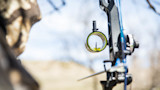
Hunting Gear
Archery 101: How to Choose a Bow Sight
You’ve found the perfect bow and slung some arrows. Now, it’s time to jump into the world of accessories. When buying a bare compound bow, these accessories are essential pieces of equipment for the hunt, so don’t just grab the first thing you see. Spend some time learning about the pros and cons of...
Joe FerronatoSep 25, 2019
Read MorePlay NowConversation
Save this episode