
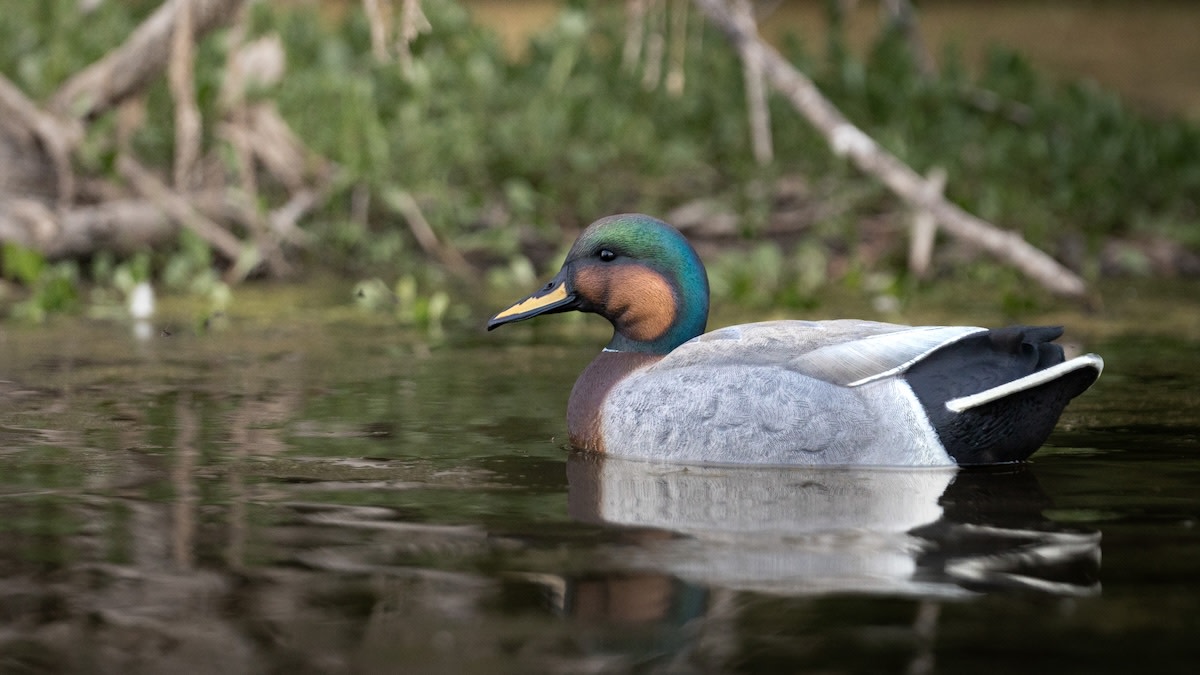

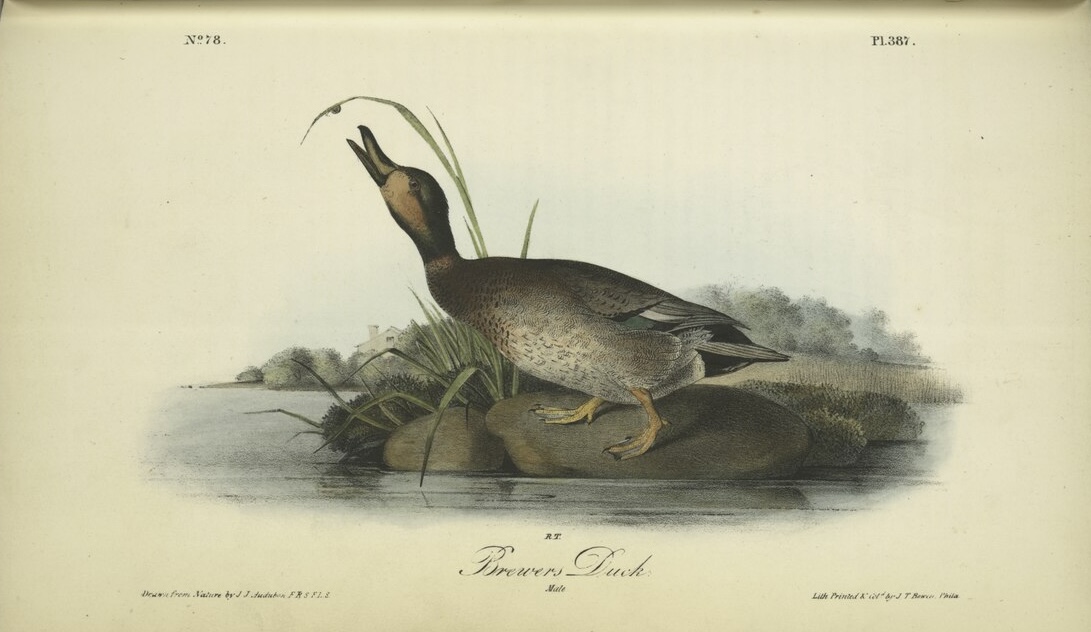
John James Audubon collected a duck he had never encountered before. It had a mallard’s build and a gadwall’s gray, and he gave it a name of its own: Brewer’s Duck. What he believed might be a distinct species later turned out to be a mallard and gadwall hybrid.
Nearly two centuries later, unusual ducks still stop hunters in their tracks. An unfamiliar feather pattern or an unexpected combination of colors can turn an ordinary morning into a conversation that lasts for years. Is it a hybrid? A naturally occurring color mutation? Could game-farm ancestry explain its appearance?
For much of waterfowling history, those conversations ended with an educated guess. Today, science is helping hunters get closer to an answer.
Where Curiosity Meets Research
That’s the work behind duckDNA, a hunter-assisted research initiative led by Ducks Unlimited and the Lavretsky Lab at the University of Texas at El Paso. Through this effort, waterfowl hunters are helping researchers explore the genetics behind unusual plumage, hybridization, and the movement of game-farm genes into wild waterfowl populations.
The project relies on hunters to submit tissue samples from harvested ducks for genetic analysis. Birds displaying abnormal plumage or suspected hybrid characteristics can offer particularly interesting clues. Those samples help researchers investigate ancestry, identify hybrids, and better understand the genetic makeup of wild waterfowl.
Hunters get something back, too: a certificate showing the genetic profile of their submitted birds, delivered through a personal portal. A duck that once might have been attempted to be identified through photographs and opinions can instead become part of a broader scientific effort.
The findings add to our understanding of the birds we hunt and can help inform future conservation and management decisions. For hunters, it’s an opportunity to carry curiosity beyond the field and contribute to research on the populations they care about.
A Different Kind of Decoy Spread
That same fascination with unusual birds runs through DSDs’ Limited Series.
Known for realistic hunting decoys, DSD uses these small-batch releases to explore birds and plumage variations most hunters will rarely encounter. Past subjects have included emperor geese, ocellated turkeys, smoke phase turkeys, and blonde mallard hens. Runs are typically fewer than 100 decoys, each accompanied by a numbered and signed certificate.
The series also connects those decoys to conservation and research. Twenty percent of sales from each release, along with the full winning bid from its accompanying auction, are gifted to conservation work tied to the featured bird. Since 2022, the series has generated more than $40,000 in gifts.
DSD’s first release supporting duckDNA came in July 2025 with a blonde hen mallard. Its pale gold plumage represented exactly the kind of bird that gets hunters asking questions, making it a fitting introduction to research built around finding answers.
The Brewer’s Duck continues that story.
Bringing the Brewer’s Duck to life
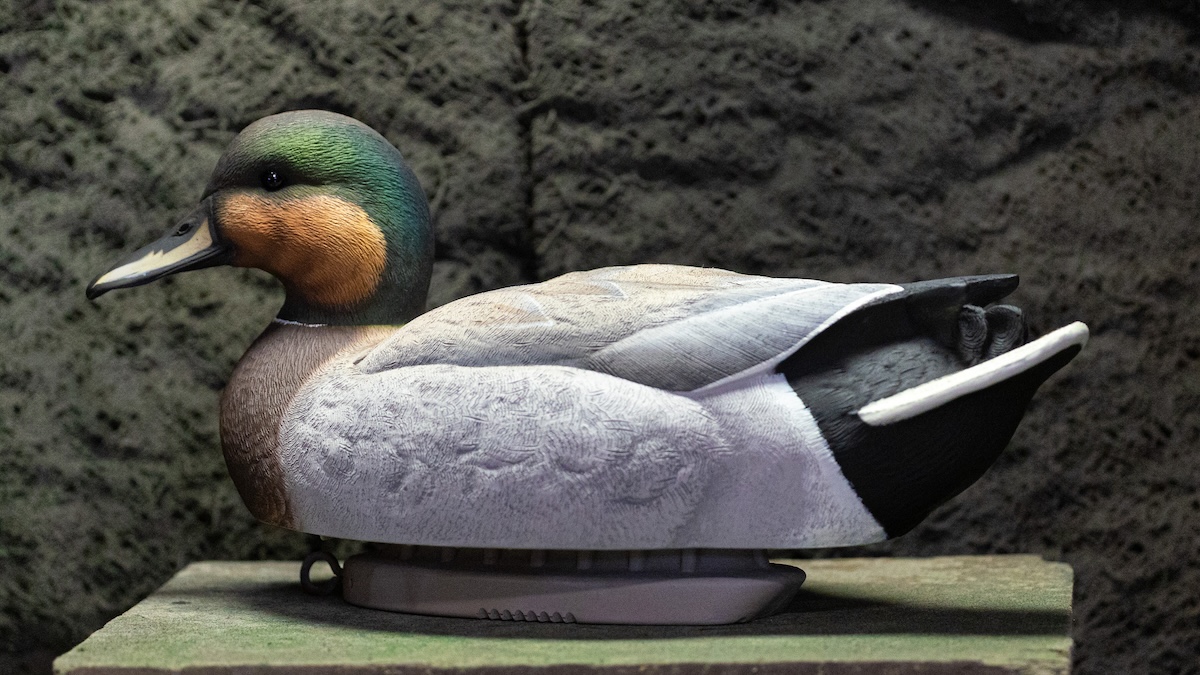
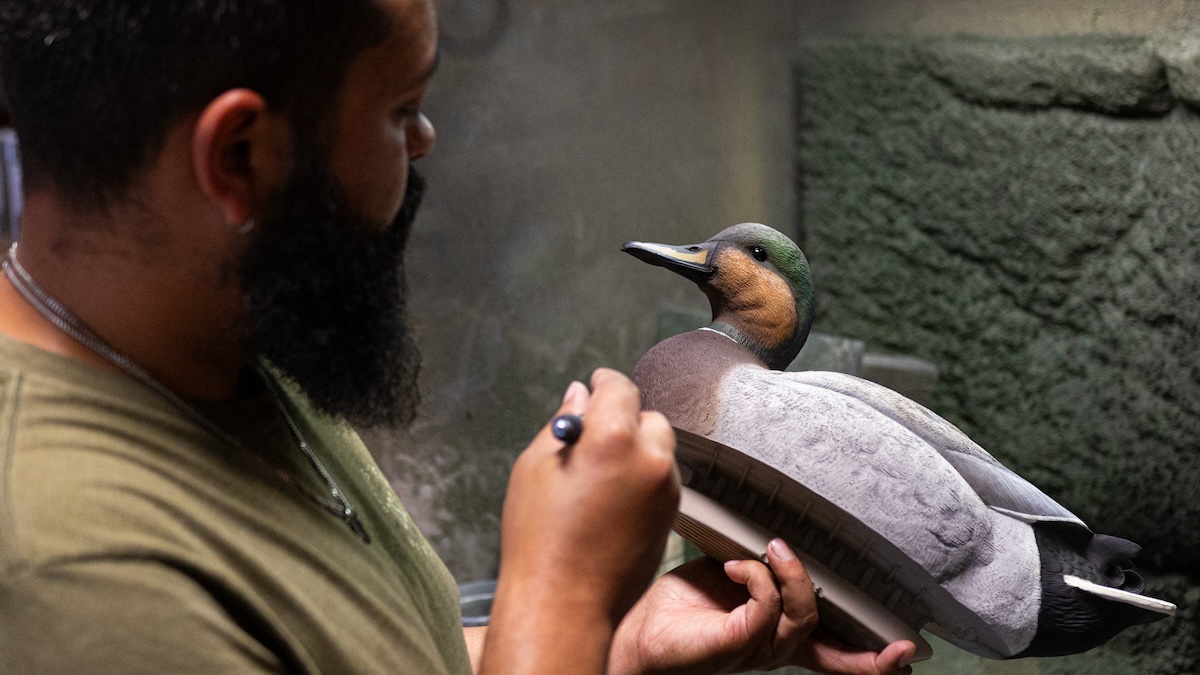
DSD made this limited series release by painting its ACE Mallard Floater as a mallard and gadwall hybrid. The bird brings together familiar characteristics in an unfamiliar combination, inviting the kind of closer inspection that makes unusual waterfowl so compelling.
The accompanying auction piece takes that idea further: a one-of-a-kind Full Body Brewer’s Duck mounted on a walnut base, surrounded by custom habitat built by the DSD team. The finished piece creates a complete display around the hybrid, with the same attention given to its surroundings as to the bird itself.
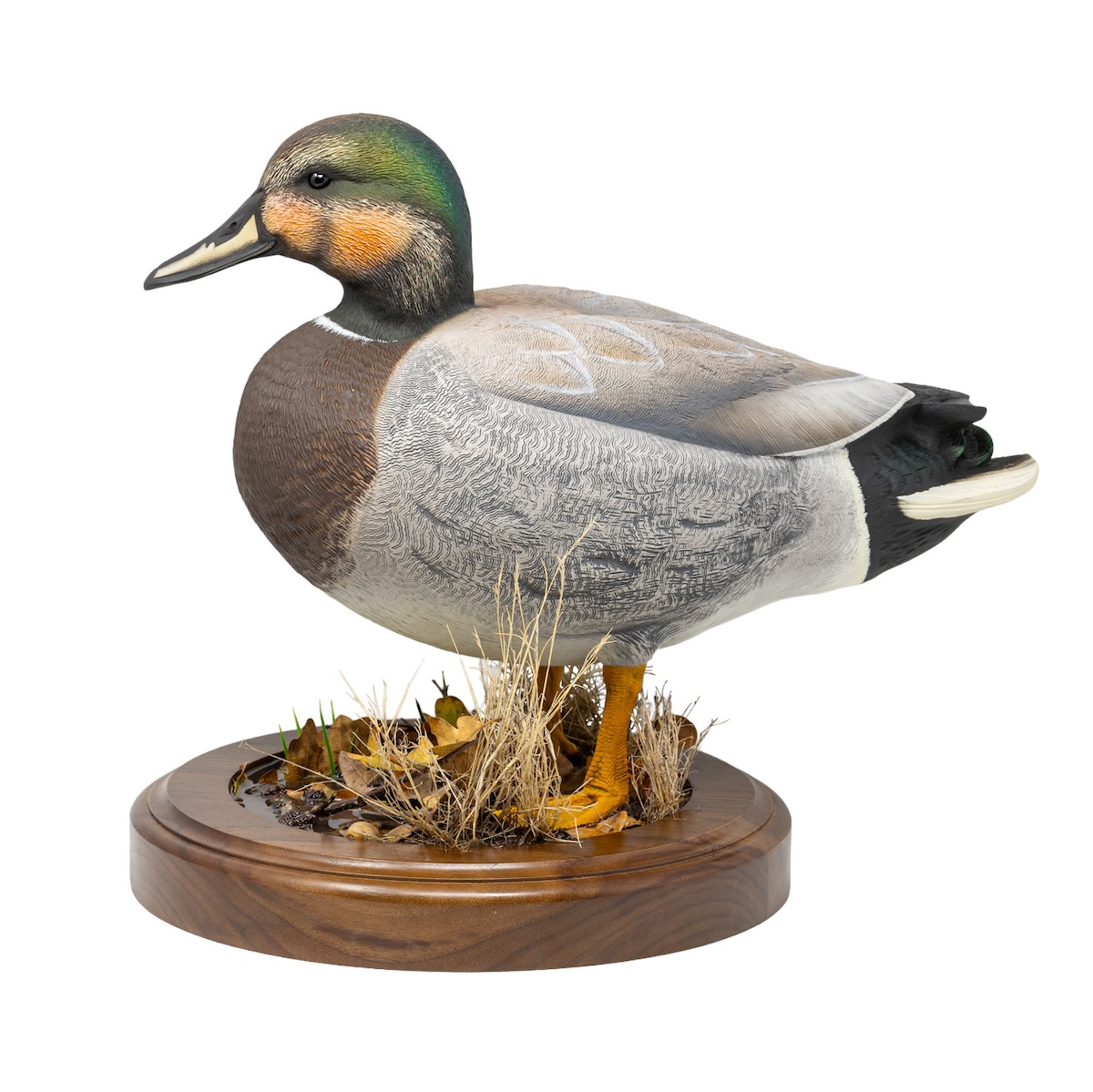
It’s a natural subject for a release supporting duckDNA. The Brewer’s Duck once challenged one of America’s best-known ornithologists. Today, birds like it offer researchers an opportunity to investigate the biological relationships that appearance alone can’t fully explain.
Twenty percent of sales from the Limited Series release and 100% of the winning auction bid will be gifted to waterfowl science and genetic research. Bidding on the one-of-a-kind display opened Tuesday, November 3, at 6:00 p.m. Pacific and closed Wednesday, November 4, at 6:00 p.m. Pacific. The total raised from this auction was $4,319.
For hunters interested in learning more about the research or how to participate, visit duckDNA.com. An unusual duck will always give hunters something to talk about. Through duckDNA, it can give them something to learn from, too.
Stay in the loop with The MeatEater Newsletter
Related
Shop
The comments section requires Functionality cookies. Please enable Functionality cookies in Cookie Settings to view this content.