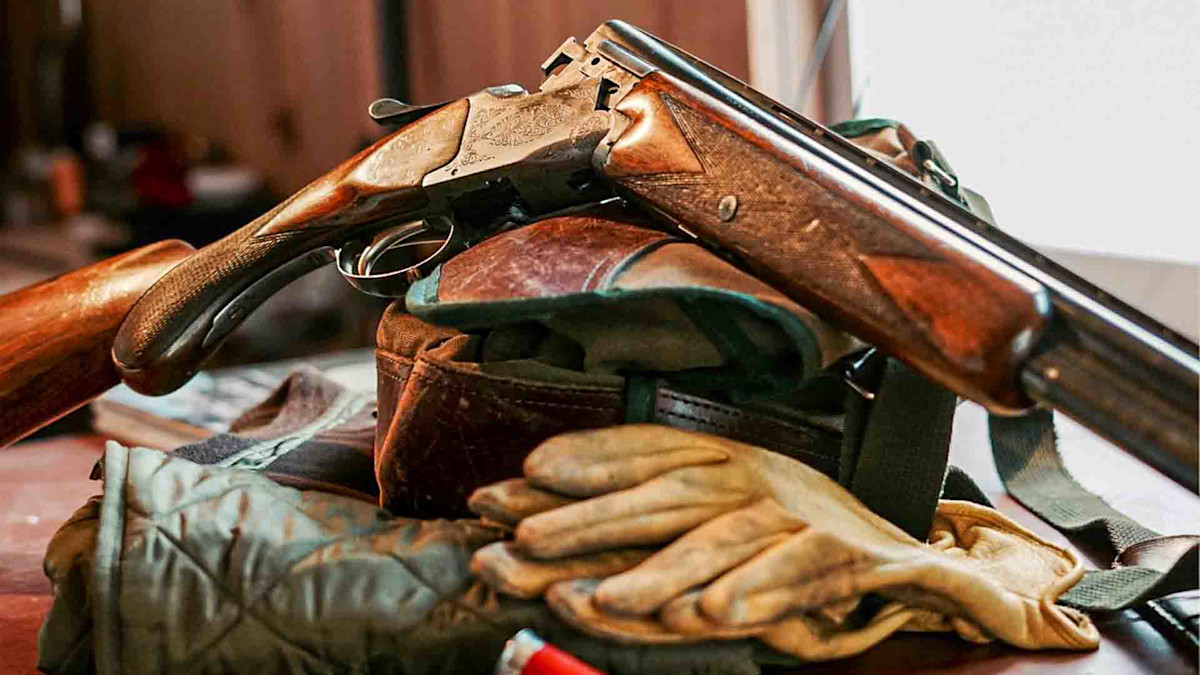

In this series, we look at the classic, discontinued, or longstanding guns that hunters still use in the field today (hence the name). Whether they’re out of production or not, you can still find them at gun shops and hunting camps all across the states.
An old clay shooter from the Bronx showed me the first Browning Superposed I’d ever seen. It was a Diana-grade gun that he was trying to sell me, and I couldn’t afford it. What I remember most is when the gun opened, it had a distinct, strong mechanical sound, and when it closed, it slammed shut like a bank vault with a satisfying thud.
That sound stuck with me for a few years until I found a Grade I Lightning model in poor shape for a price I could stomach. I bought the gun, and even though it had been beaten to a pulp, it still puts birds and rabbits in the bag for me every year.
"Superposed" means "superimposed" or "stacked" in French, and the gun was the first commercially successful, mass-produced over/under shotgun. It was the gun that John M. Browning literally died making at the FN factory in Belgium. It eventually proved that the common man wanted an over/under just as badly as an aristocrat, and it’s a huge part of why most double guns sold today are over/unders.
The Story of the Browning Superposed
In the 1920s, if you wanted an over/under shotgun, you generally needed to commission one from a premier London gunmaker like Boss. The guns were made one at a time, bespoke to each buyer, and they could cost more than your car. The design was cutting edge, though, and stood out in a sea of side-by-sides. Instead of placing barrels next to one another, stacking them gave the shooter a trimmer shotgun to hold and a sleek sight picture.
Being on the cutting edge of gun design, John Browning wanted to bring this novel technology from the classes to the masses. His gun would be built in such a way that the average hunter or shooter could afford an over/under if he saved a few paychecks. The gun would also need to be something of good quality that would live up to the investment.
Browning started applying for patents on the B25 Superposed in the early 1920s and went off to the FN factory in Belgium to continue working on the gun. In 1926, he died of heart failure while working, leaving the Superposed’s design unfinished. Most of the work left on the gun had to do with the trigger, and Browning’s son Val took up the job. The original run of the guns would ship with double triggers in the early 1930s. Val eventually perfected a mechanical, selective single trigger that worked its way into the design by 1939. This gave shooters a very reliable single trigger that didn’t rely on inertia to reset.
At first, the Superposed didn’t sell much. Upon its release, the world fell into financial ruin with the depression. Browning went through a series of big price drops, introducing the gun at just over $100 and landing somewhere around $70 by 1935. People were selling guns, not buying them, and a newfangled over/under shotgun was out of the question for many Americans. Then World War II hit. Sporting gun production slowed to a crawl in Europe and the U.S., replaced by the need for gun factories to build military arms. The Nazis then took over the FN factory, but eventually the allies liberated it again, and Superposeds once again sailed across the Atlantic.
During the postwar period the Superposed hit its stride. The economy boomed and so did hunting and shooting. Superposeds landed back on the American market in 1948.
From there, it worked its way into pheasant fields, duck blinds, and clay shooting competitions around the world. By the 1960s, Browning had released subgauge models down to the .410 and a broad range of factory finish grades.
In the 1970s, production costs and the more economical Browning Citori started to kill the Superposed for the mass market. Regular production ceased by the mid-70s, though the gun was brought back with limited runs into the mid-80s. The amount of skilled hand labor that was once cheap grew to be more expensive, and so did the guns. Today, you can buy a newly built B25 from the FN custom shop. The company only makes a handful of guns a year. They command extraordinary prices, but they are extraordinary guns.
What Makes a Superposed So Great
The fact that the Superposed was the first relatively affordable over/under isn’t the only reason it caught on. Quality was a huge factor. The gun was by no means cheap, but it was not unobtainable to the average shooter. In return, it delivered in quality with a strong lockup and nice touches anyone could appreciate.
The Superposed also gave average and more well-heeled shooters access to luxury guns. With six grades of factory guns, you could have something finished to a high degree without having to travel to a bespoke gunshop and mortgage your house. Even at the most basic Grade I level, the Superposed made a lot of hunters feel like a million bucks. Features like the Superposed’s reliable single trigger also gave high-tech gun advancements found only in custom shops to everyday shooters.
Versatility also gave the Superposed an edge. At the height of production, you could get anything from a .410 to a 12 gauge with a variety of forend designs and barrel lengths up to 32 inches. This gave just about every shotgun shooter something to aspire to and an effective gun to use for their kind of shooting.
What to look for in a Browning Superposed
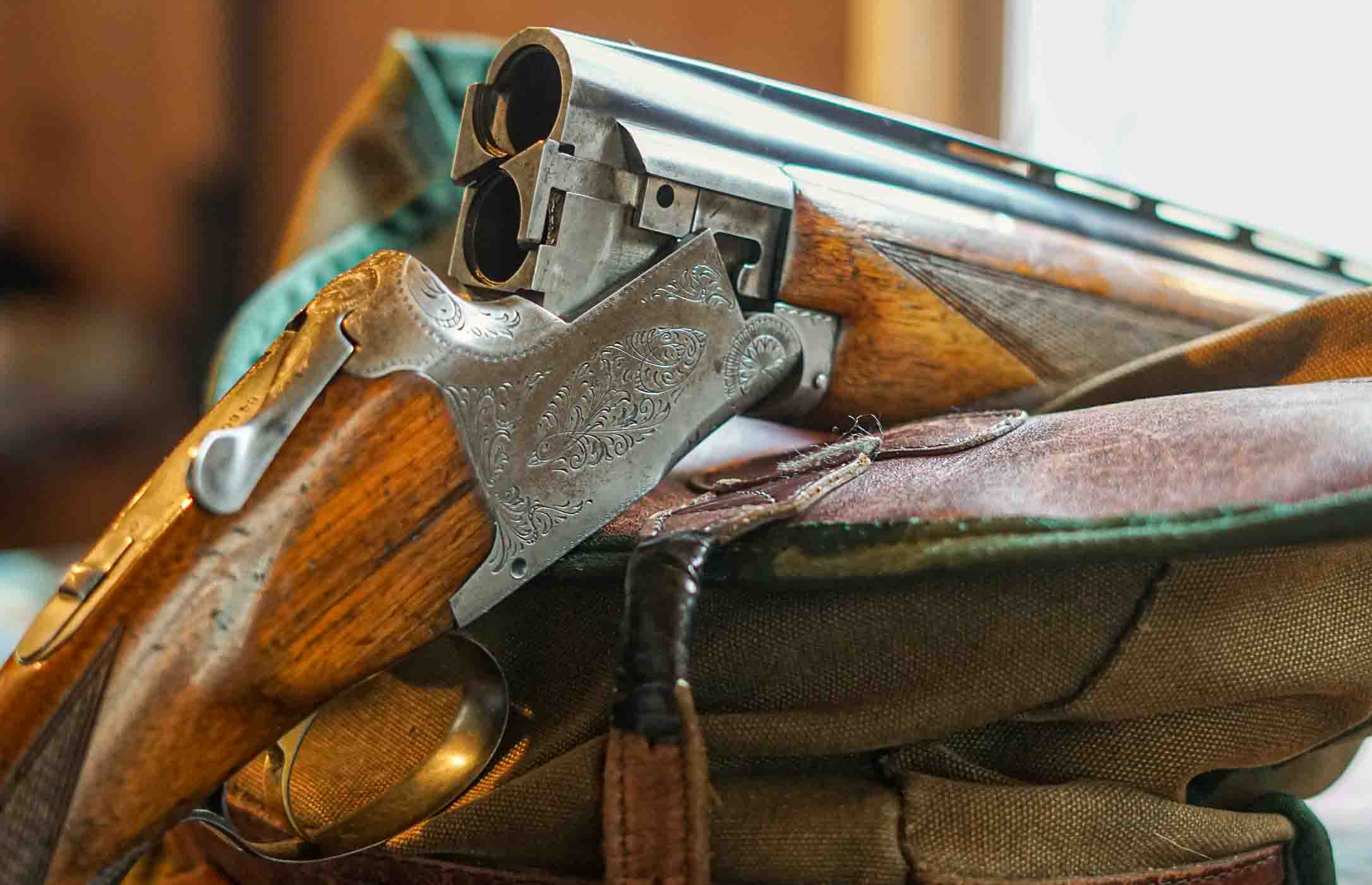
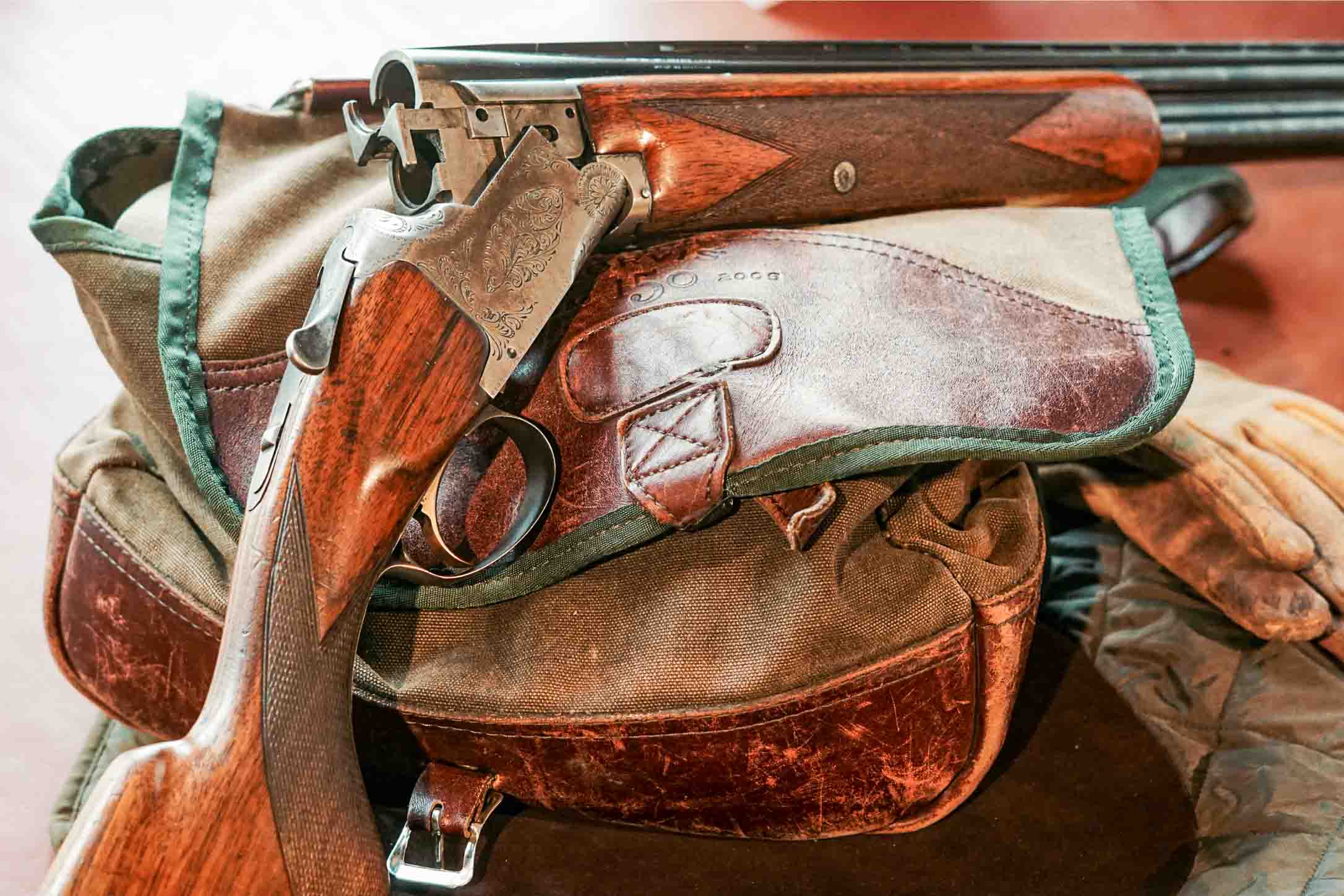
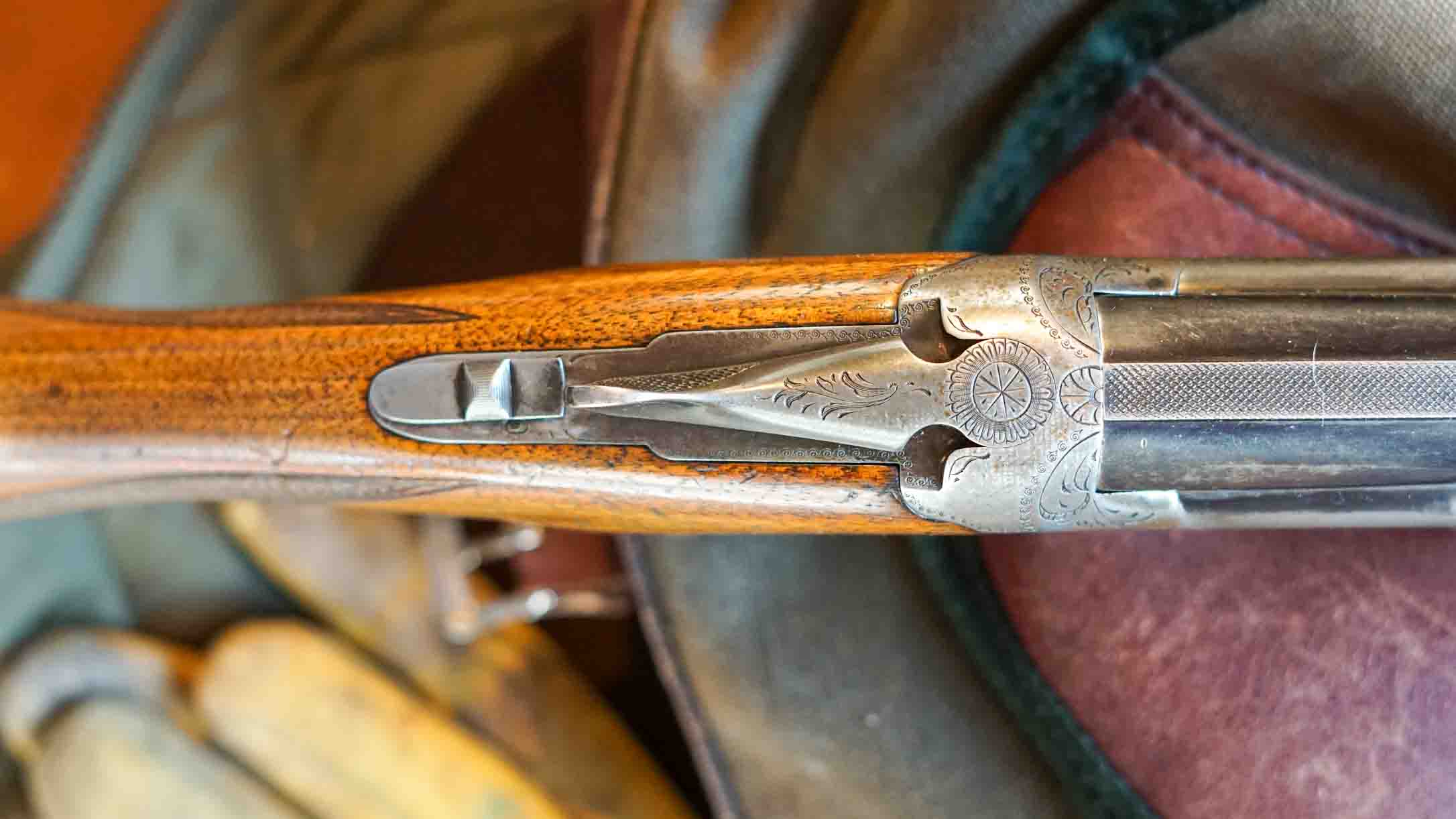
If you’d like to pick up your own Superposed, don’t be like me and cheap out on an old beater. The work that needs to be done on the gun pictured here would cost more than what I paid for it. Still, I love my Superposed and will never sell it.
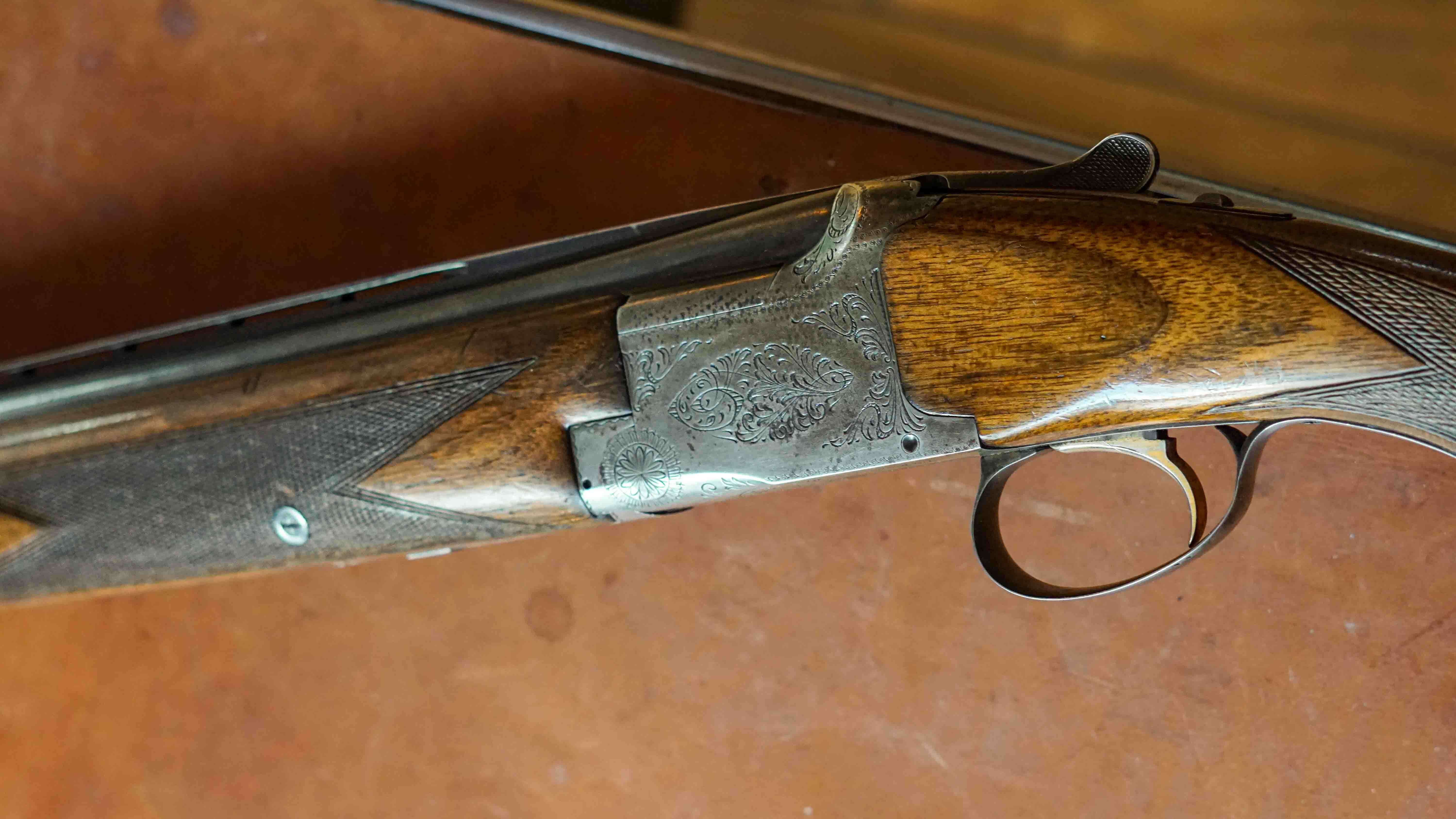
The first thing to be aware of are the grades of Superposed shotguns that changed in name, numbering, and availability over the years. Basic Grade I guns featured good-quality walnut and more rudimentary scrollwork engraving. Higher grades, such as Pigeon, Pointer, Diana, and Midas get increasingly elaborate, with more engraving coverage, high-quality game scenes, and various finishes like gold inlay and coin finishing. Wood quality and figuring also go up as you get into the higher grades. All Superposed grades shoot beautifully, and many shooters with high-grade guns still take them out to bust clays or shoot birds on fair weather days.
The biggest drawback to a Superposed is the weight. They are heavy. Short-barreled Lightning model 12-gauges are manageable in the uplands, but you’ll feel them after a day of walking. That’s why I’d suggest anyone looking for a pheasant, quail, or grouse gun should choose a Grade I model subgauge like a 20 or 28. You’ll pay more, but you’ll appreciate the weight savings. Clay shooters, duck hunters, and anybody else shooting from a stationary position will have no problem with a 12 gauge, and the longer barreled guns swing nicely on target.
There are some dealbreakers in the used Superposed market. The dreaded “saltwood” guns are to be avoided. In the 1960s and 70s, salt was used to cure wood for Superposeds. Residual salt in the wood eventually caused corrosion on the guns where the wood meets the metal. Look out for guns made between 1966 and 1972, though some sources cite a broader date range. Typically higher-grade guns from these years were hit the worst. Many were refinished, and it pays to check for shoddy work that can conceal bigger issues, especially if a gun looks too good to be true.
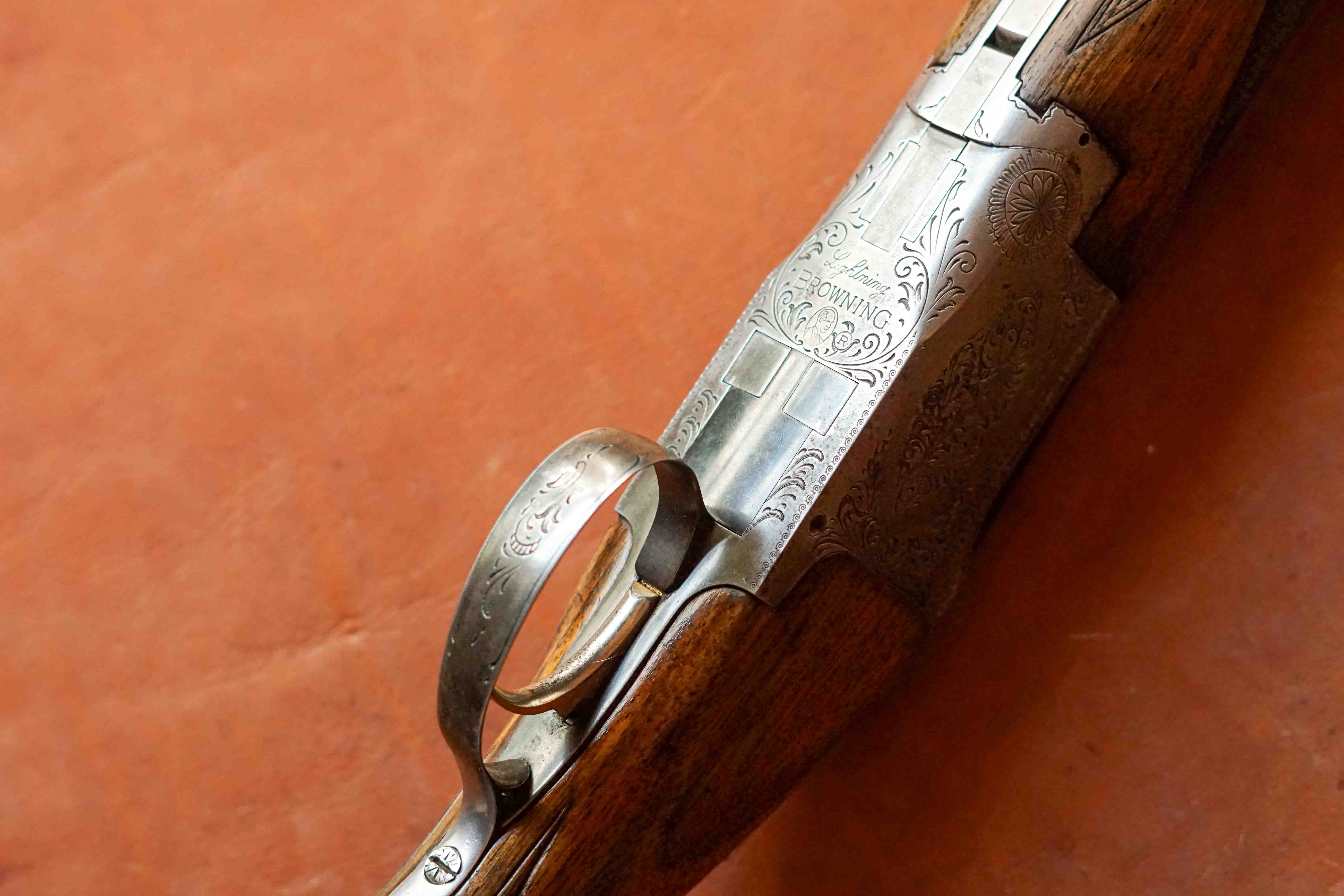
Superposeds are built like tanks, but there are some mechanical issues to be aware of, too. Make sure the forearm is tight and latches positively, as forearm brackets can wear and bend over years of shooting. The solder on the top rib can also come loose. Check visually for gaps between the rib and the barrel, and gently wiggle the rib like you would a loose tooth toward the back of the barrels if you’re really checking a gun over.
You should inspect extractor extensions for cracks, and take a look at the top lever as well. Superposeds in unworn condition, or ones that have been repaired, will have a top lever that generally rests right of center when the gun is closed. As the mechanism wears, the lever will start to move toward the center and even to the left of center. This is a warning sign, but it doesn’t necessarily mean the gun is too loose or unsafe to shoot. Just have a qualified gunsmith look the gun over with extra attention to the lockup between the barrels and the receiver.
If you do find problems with your Superposed, there is one place to go above all others, and that is Art’s Gun Shop in Hillsboro, Missouri. They are absolute Browning experts, and they can completely rebuild your gun. Superposeds in high condition and those repaired by experts like those at Art’s can last you a lifetime.
Stay in the loop with The MeatEater Newsletter
Related
Shop
The comments section requires Functionality cookies. Please enable Functionality cookies in Cookie Settings to view this content.