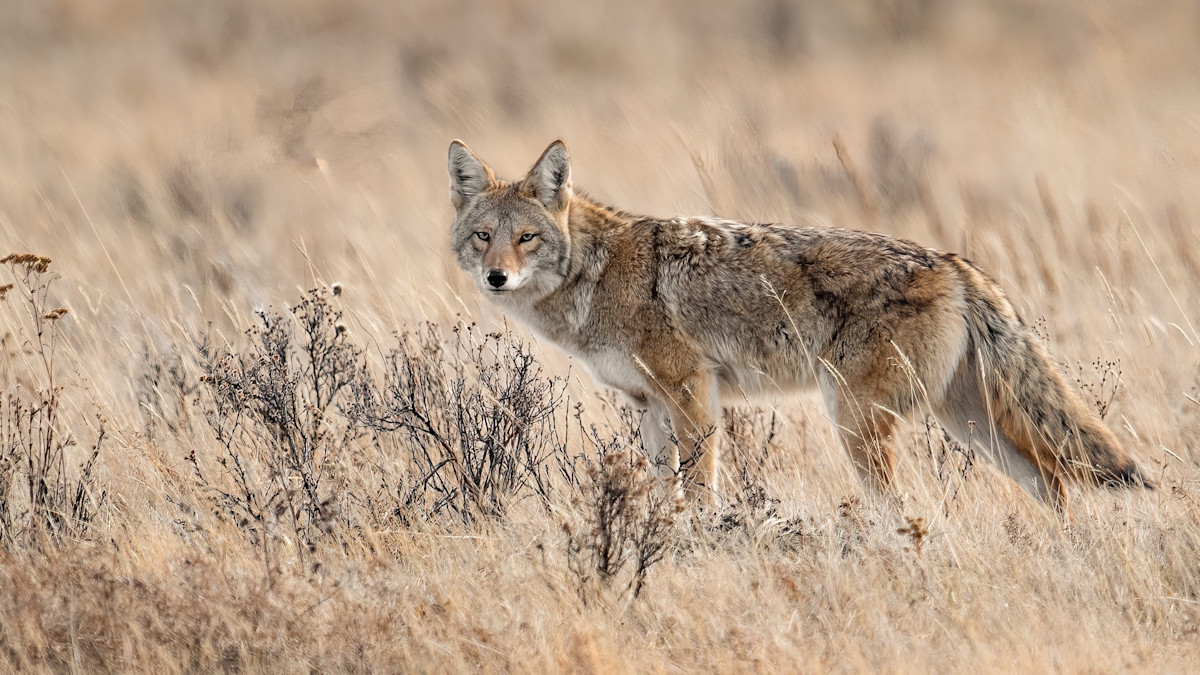

When it comes to calling coyotes, location is key. Where you call is probably more important thanhowyou call. Coyotes survive by using their senses and the terrain to their advantage. Hunters who understand this consistently put more fur on the ground. Whether you hunt the rolling farmland of the Midwest, the dense pine thickets of the South, or the open sage flats of the West, you’ll need a good setup to make your stand count. Here’s a breakdown of landscapes you’ll encounter in coyote country and how to hunt them.
Open Fields: High Visibility, High Odds
Coyote hunters tend to set up in open fields so they can see farther when calling. However, it isn't as simple as finding a large field, sitting down, and killing a coyote. Across much of the country, open fields serve as coyote travel corridors and feeding grounds. They provide hunters with clear shooting lanes and coyotes with easy opportunities to spot prey. Here are a few things to consider as you plan a stand for your next coyote hunt.
Where to Set Up
- Edges and Transitions: Experienced callers emphasize that "the edge is the kill zone." Set up where a field meets brush, a weed line, CRP grass, or small timber. Coyotes often skirt these edges as they approach a call to stay concealed.
- Downwind Corners: Coyotes nearly always swing downwind before committing. Placing the call crosswind and positioning 80 to 120 yards upwind gives hunters the best shot opportunity.
- High Ground: Slight rises or terrace edges allow you to spot a coyote before it sees you.
Why It Works
In open terrain, coyotes rely primarily on sight and wind. When they hear rabbit distress calls, fawn bleats, or coyote fights, they use open space for speed but hug edges for cover. Hunters should do the same. Avoid walking across wide open fields. Use cover to approach your setup or try to stay low while setting up your electronic caller.
Timber and Wooded Terrain: Where Coyotes Feel at Home
From the Appalachians to the Midwest timber belts, wooded areas get overlooked. Most predator hunters believe you need to be in an open field, but wooded terrain can be one of the best spots to call aggressive coyotes into range.
Where to Set Up
- Ridge Points & Saddles: Coyotes travel along these natural funnels to scent-check valleys, sniffing for potential prey or danger. Setting up on or just below the crest can keep you hidden while providing good visibility.
- Logging Roads & Skid Trails: These are natural travel lanes. Place the caller 30 to 50 yards down the trail to pull coyotes into the open.
- Thick-to-Open Transitions: The edges provide perfect ambush spots.
Why It Works
Coyotes in wooded areas rely less on their sight, so call placement and wind awareness are important. Most encounters happen quickly and at close range. You’ll also have to adjust your call volume in wooded areas where sound tends to echo. You can always start low and work your way up.
Farmland: America's Coyote Highway
Ag land is often the most reliable spot for coyote calling. Cattle pastures, grain fields, fencerows, and irrigation ditches often produce the best hunting and calling situations. Livestock farmers can be your best friend when scouting for areas where coyotes regularly hang out.
Where to Set Up
- Fencerows: These narrow strips funnel coyotes across open fields. Set a call in the row and take your position 50 to 70 yards crosswind.
- Hayfields & Pasture Edges: Mice, voles, and leftover feed from cows and other livestock draw coyotes to fields. Evening and early morning stands are the most effective around hayfields and pasture edges.
- Creek Bottoms: These tight corridors provide water and cover that rodents need. Coyotes use them year-round to keep a low profile.
Why It Works
Farmland coyotes are opportunists. They've learned to move between livestock lots, feed piles, grain bins, and rodent-rich hayfields. Their routes become predictable, making these setups high-percentage spots.
Western Sage Country: Long-Range Calling
From Wyoming through Nevada, endless sagebrush flats and rolling hills create some of the finest calling country in North America. The sheer size out West can be a drawback; a coyote might answer a call from a mile or more away. A few years ago, in western Oklahoma, I called in a coyote from over a mile away. My friend watched the coyote at a dead run for nearly ten minutes as it committed to the call. I eventually shot that coyote at fifty yards.
Where to Set Up
- Basins and Coulees: These depressions hold rabbits and hide approaching coyotes. Place your call in the center of these depressions and take the high ground.
- Sage Flats Broken by Rimrock: Coyotes use the shade and wind cover along rimrock edges. Setting a call 100 yards away from the shade to pull them into a predictable path.
- Water Sources: Tanks, seep springs, and creek beds act like coyote magnets in dry regions.
Why It Works
Western coyotes live in vast, open areas. Crank the volume up and try elevating your call if you can. Stay patient. High-visibility setups allow you to spot coyotes early and adjust your sequence accordingly.
The Perfect Setup Begins with Understanding Habitat
Coyotes have adapted to the vastly different ecosystems of North America, but their patterns within those habitats remain the same. As long as you hunt with the wind, set up on edges, use terrain to your advantage, and dial in your call settings, you should have success. Coyotes may be unpredictable, but good setups just work no matter where you hunt.
Stay in the loop withThe MeatEater Newsletter
Shop
Related

Coyote
How to Hunt Coyotes
Coyote
Coyote Calling Setups That Work Anywhere